
a large U.S. automotive assembly plant
Automotive Assembly Case Study: 90,000+ Components Moved
Documented humanoid robot results at a large U.S. automotive assembly plant: 90,000+ components moved in about 1,250 hours, supporting 30,000+ vehicles.
- 90,000+
- components moved
- 1,250 hrs
- operating time
- 30,000+
- vehicles supported
- 10 months
- pilot window
Based on a documented real-world deployment. Figures are from public reporting; the organization is not named.
The Strain Point
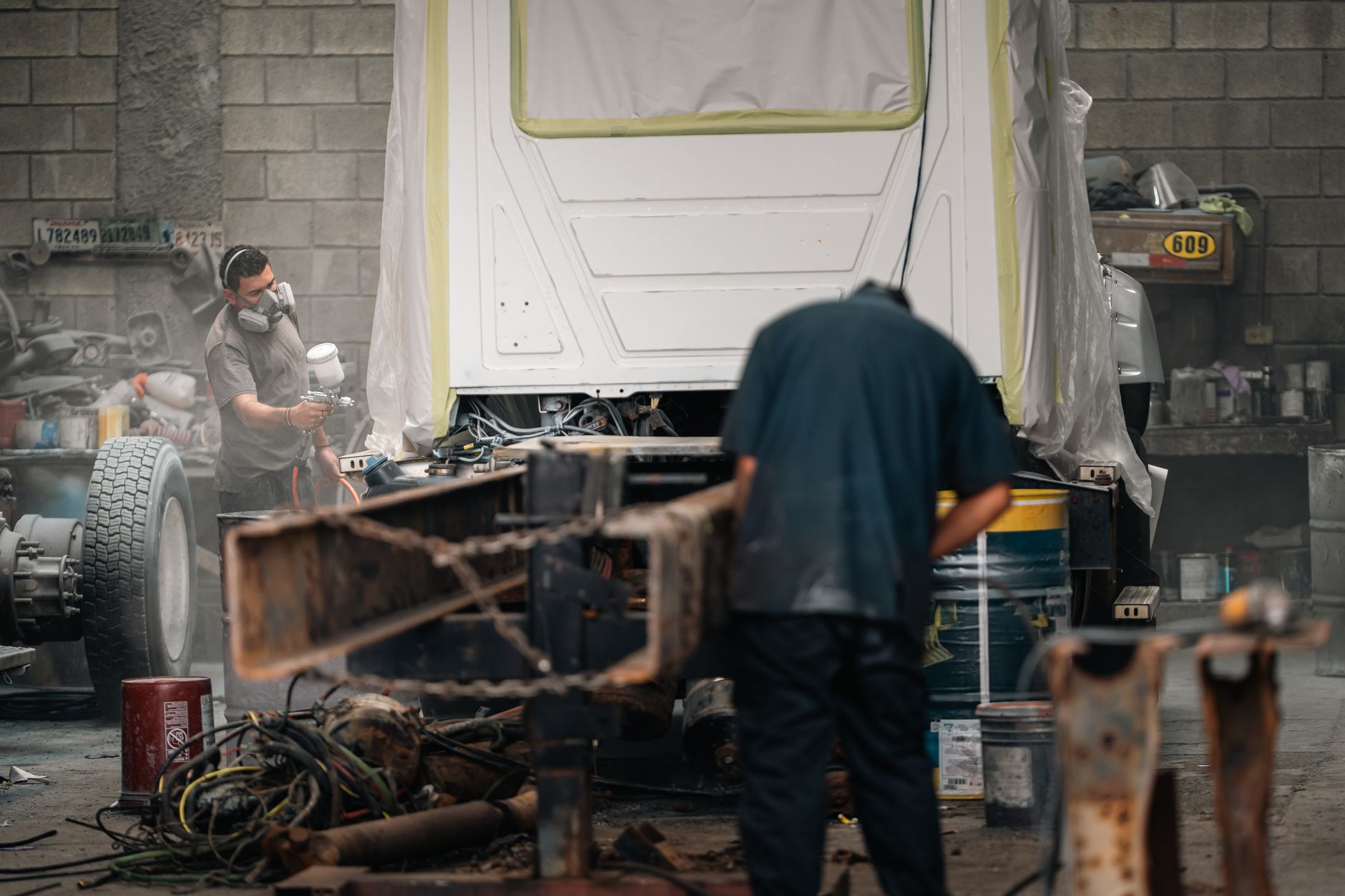
The task sat in an unforgiving zone of automotive manufacturing. Sheet-metal parts had to be retrieved, presented for welding, and placed with millimeter accuracy, over and over, on a cadence that did not let up just because the motion was tiring.
That combination matters. Repetition alone is manageable, and precision alone is manageable, but repetitive handling with exact placement is where fatigue, ergonomics, and consistency begin to collide. The plant needed a way to take strain out of the motion without loosening the standard on placement.
- Repetitive placement of sheet-metal parts for welding
- Physically tiring handling work in production
- Millimeter-accurate positioning inside a live manufacturing environment
How The Pilot Entered Production
The plant introduced the humanoid gradually rather than treating the pilot like a publicity lap. The rollout started with theoretical assessment and laboratory testing, then moved into operational use on weekday shifts inside the existing production system.
Just as important, the surrounding cell was adjusted around the robot. Safety concepts were revised with added barriers and partitions, wireless coverage in the hall was improved, and employees were brought into the process early so workstation fit and task choice could be tested in practice.
- Start with theoretical assessment of the work cell and task fit
- Validate motion sequences in a laboratory setting before line use
- Introduce the robot gradually into live production instead of forcing a full jump
- Refine barriers, partitions, connectivity, and workstation setup as the pilot learns
Measured On The Line
Over ten months, the humanoid assisted production of more than 30,000 vehicles while working five days a week for ten hours per shift. In that span it moved more than 90,000 components and logged approximately 1,250 operating hours.
The pilot also showed that repeatable industrial motions can be executed reliably at production tempo. The robot was reported to handle positioning tasks with millimeter accuracy, and the program generated practical lessons on safety, connectivity, and workstation adaptation.
What This Means For U.S. Plants
This is a documented industry example, not a claimed Service Robot Co. deployment. Its value is in what it clarifies for U.S. manufacturers: high-repeat, ergonomically punishing work is a valid entry point for humanoids, but only when the deployment model, safety envelope, and service plan are thought through end to end.
That is the lane Service Robot Co. occupies. Service Robot Co. is a vendor neutral robot integrator for U.S. businesses that selects the right robots across manufacturers, then handles robot deployment and integration, robot leasing for business, purchase or lease structures, monthly payment programs, training, and lifecycle service through a nationwide engineer network.
For teams evaluating a manufacturing plant robot lease, a material handling robot lease, or a leasing path, the lesson is simple. Start with the task, run a commercial robot demo or robot pilot program, and use one partner one number if you want phased deployment no shutdown and a cleaner comparison of robot leasing vs buying.