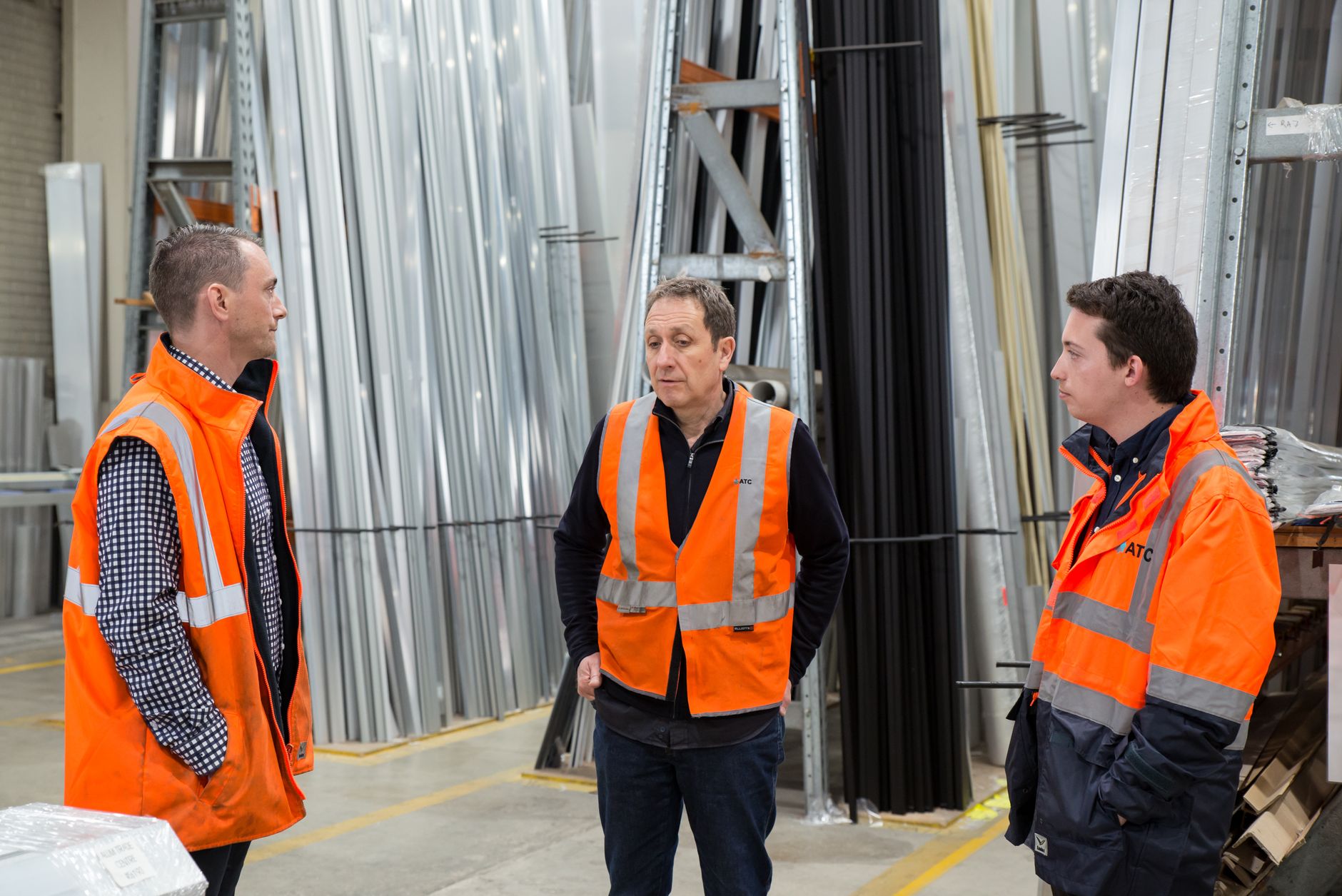
a South Carolina component plant serving automotive and industrial lines
Bin-Picking Cobot Case Study: 7% Productivity Gain in Components
A South Carolina component plant serving automotive and industrial lines used bin-picking cobot automation to lift productivity 7% and save $150,000 a year.
- 7%
- productivity gain
- $150K
- annual savings
- 4 to 3
- operators on line
- 24/7
- line operation
Based on a documented real-world deployment. Figures are from public reporting; the organization is not named.
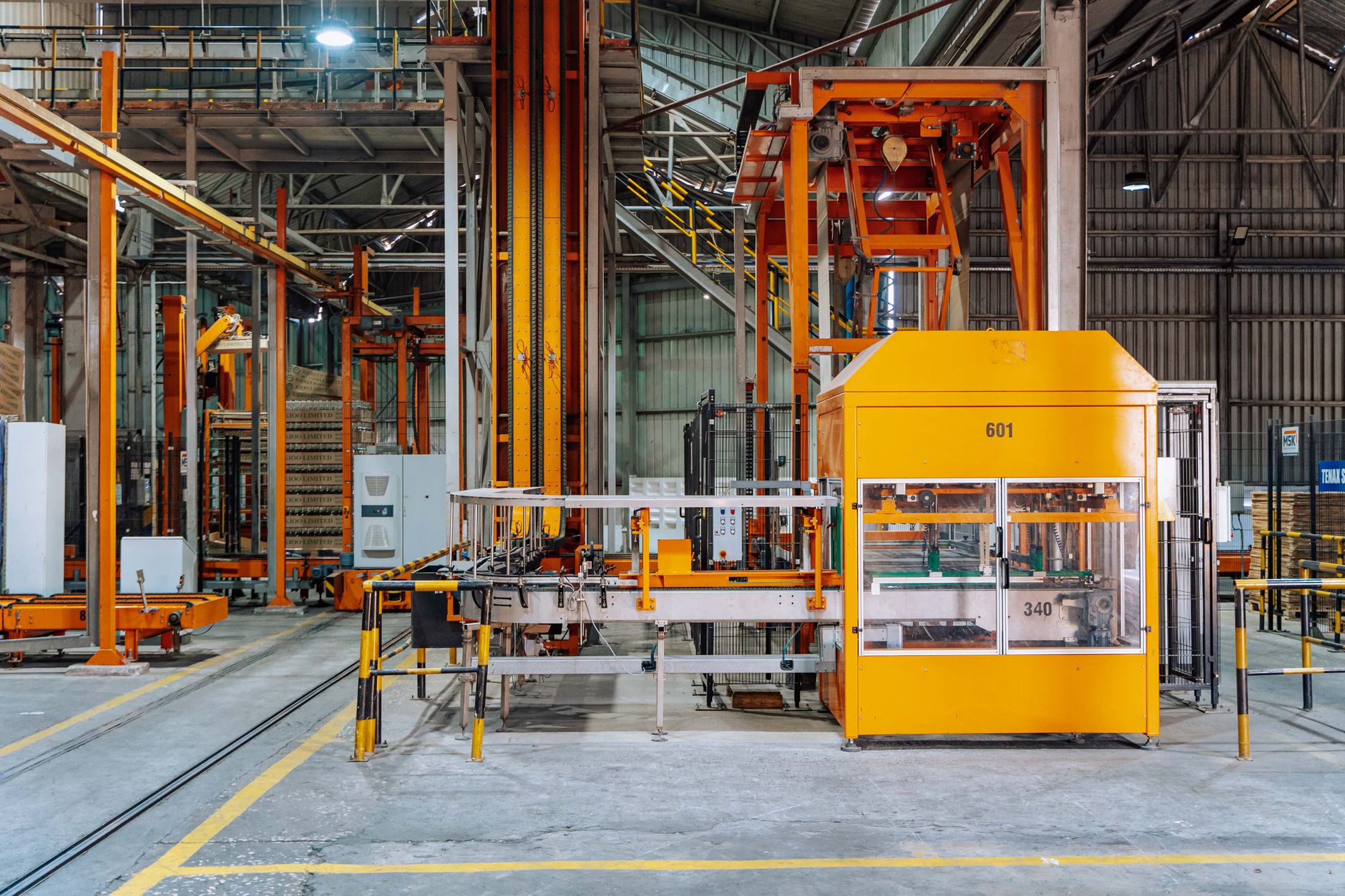
A steady line was tied to an awkward manual feeding task
This plant was running a 24/7 line for a component used in automotive production, and the feeding work was exactly the sort of assignment that wears thin fast. It was repetitive, dull, and hard to staff consistently, yet the line depended on it every minute.
The job also trapped labor in the wrong place. Four operators were tied to feeding the line, and because that station sat apart from other equipment, those workers were not easily redeployed when the floor needed help elsewhere. If someone stepped away for a break or another interruption, production stopped.
Automation was not straightforward. The incoming parts arrived in bulk, with complex geometry and random orientation, so the plant needed a way to identify, pick, and place each piece correctly without adding the extra cost of specially oriented trays.
- A repetitive feeding task on a line that needed to run continuously
- A labor allocation problem, with four operators tied to one station
- Bulk parts arriving jumbled together, not pre-oriented for the next process
- A need to keep output steady without adding tray-handling cost
Bin-picking automation was introduced around the real bottleneck
The plant introduced a bin-picking cobot cell built for randomized parts. A 3D sensing system scanned the bins, identified viable picks, and guided the cobot to place each component onto the conveyor in the orientation the next process required.
When a part presented face up, the cobot placed it directly on the conveyor. When it presented face down, the system routed it through a reorientation step, then picked it again and placed it correctly. That let the cell meet the line's 12-second cycle-time requirement without asking upstream suppliers to change how parts were delivered.
Operationally, the handoff was simple. An operator loaded multiple bins, and the system continued picking from bin to bin with an automatic change sequence when one bin ran low. That reduced the amount of constant manual attendance the station had needed before.
- Scan randomly oriented parts in bulk bins
- Pick and place usable parts directly to the conveyor
- Reorient face-down parts before final placement
- Trigger automatic bin changes so picking continues with no operator intervention

Measured gains showed up immediately on labor and output
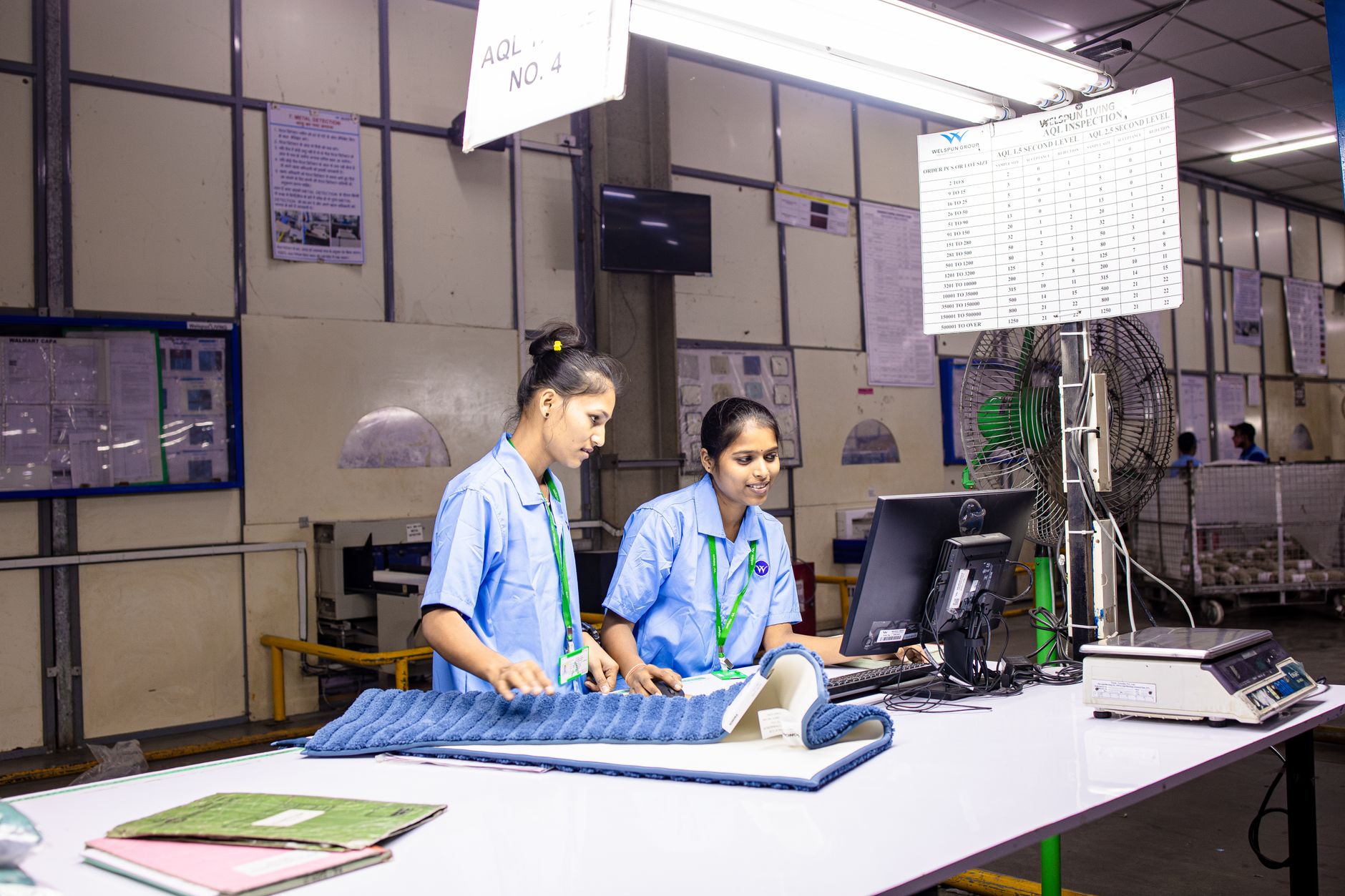
The reported result was immediate. Labor demand on the line dropped from four operators to three, with the freed operator reassigned to higher-precision work on another line instead of standing on a repetitive feeding post.
Productivity on the line improved by 7%, driven by more consistent operation and the removal of stoppages tied to manual attendance. The documented annual savings were $150,000, and the source reports a payback period of less than a year.
Just as important, the automation removed downtime and labor underutilization from a task that had been awkward to staff. For a line that needed dependable flow, the cobot did not merely replace motions. It stabilized the job.
What this means for manufacturers evaluating cobot deployment
This example is useful because it is not a moon-shot automation story. It is a grounded manufacturing case where a bin-picking cobot addressed a narrow but costly constraint: a repetitive feeding task, inconsistent labor coverage, and parts arriving in random orientation.
For buyers considering collaborative robot arm rental, cobot rental for manufacturing, robot leasing for business, or a lease rental or sale structure, the lesson is practical. The best projects start with task fit, line reality, and supportability, then move through deployment, integration, training, and service as one operating plan.
That is the model Service Robot Co. brings to market as a vendor neutral robot integrator. We help U.S. operators choose the right robot across manufacturers, then finance, deploy, integrate, train, and service it through one partner for the full lifecycle, with no need to juggle separate vendors once the machine is on the floor.