
a North American automotive aluminum-components plant
Laser-Cutting Cell Halves Automotive Manufacturing Costs
A robotic laser-cutting cell cut total manufacturing costs 50% while producing more than 1,000 aluminum parts in an eight-hour production shift.
- 50%
- Lower total manufacturing costs
- >1,000
- Parts in an 8-hour shift
- 26 sec
- Lowest cycle time per part
- ±50 µm
- Cutting-head accuracy
Based on a documented real-world deployment. Figures are from public reporting; the organization is not named.
Precision, pace and too many manual touches
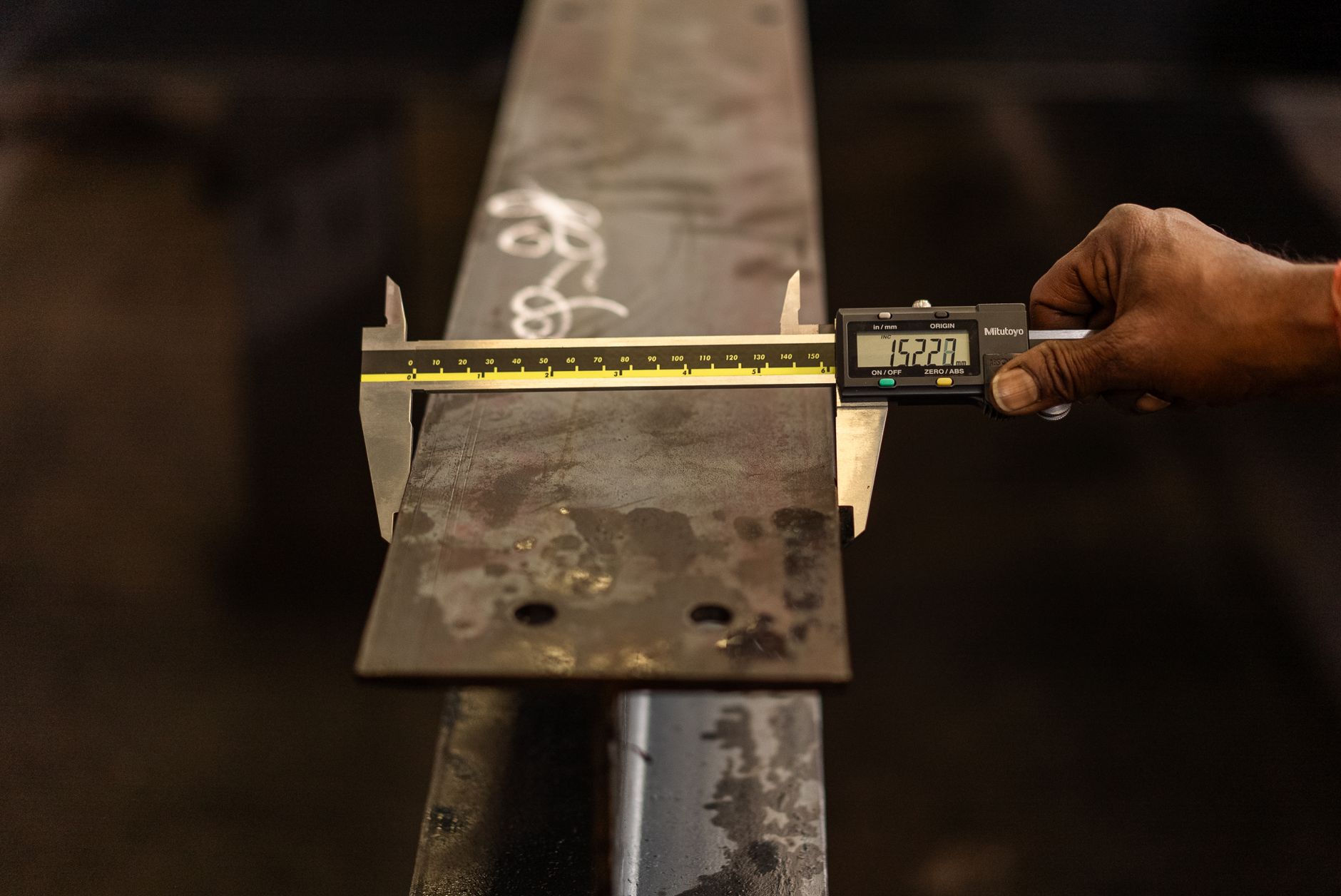
Complex structural aluminum parts arrived in varied shapes and sizes, yet each feature still demanded exact placement and tight tolerance control. Rapid cycles and changeovers left little room for positioning errors or process drift.
Loading, unloading and moving products around the facility also consumed operator capacity. The plant needed to improve quality and throughput without allowing material handling to choke the cutting process.
- Hold precision across custom part geometries and sizes
- Reach rapid cycle times while supporting changeovers
- Reduce manual loading, unloading and internal transport
- Make equipment and tolerance control easier to maintain
From isolated automation to an integrated cell
The plant initially requested standard islands of automation. After cost models were examined, the design shifted toward a more economical, fully automated laser-cutting architecture.
The resulting cell paired multiple six-axis robots with a three-axis cutting head. Repeatable robot positioning located each part for processing, while the cutting head delivered accuracy down to ±50 µm.
The published account does not describe a phased rollout, formal training curriculum or service contract. It does report that the equipment was easy to use and maintain, with software and hardware tools supporting high overall equipment effectiveness.
- Model the complete production cost before fixing the cell architecture
- Coordinate cutting and material movement as one production flow
- Validate precision, cycle time and changeover requirements against real parts
- Define training, spare-parts support, remote triage and on-site dispatch before go-live
Lower cost without sacrificing production pace
The fully automated cell reduced total manufacturing costs by 50%. It also required fewer operators for loading, unloading and transporting products through the facility.
The lowest reported cycle time was 26 seconds per part. In an eight-hour shift, the plant could produce more than 1,000 parts while maintaining repeatable positioning and micron-level cutting accuracy.
Operational gains extended beyond speed. Equipment maintenance and tolerance control became easier, while dedicated software and hardware tools helped keep the laser cells operating at high overall equipment effectiveness.
What this operating model means for another plant
Service Robot Co. did not run this deployment. This is a documented industry example showing how disciplined cost modeling and an integrated robotic laser-cutting cell can reshape the economics of complex aluminum production.
For manufacturers pursuing similar gains, Service Robot Co. serves as a full-service, OEM-neutral commercial robot integrator. We select equipment across manufacturers, arrange robot financing and monthly payment programs, manage robot deployment and integration, train plant teams, and provide ongoing support through a nationwide US engineer network.
That lifecycle model can include manufacturing plant robot leasing, robot leasing for business, a lease purchase program or a direct sale. RoboCare™ service plans, remote triage and on-site dispatch keep accountability with a single partner from site assessment through service.

Frequently asked questions
Want a robot working for you?
Tell us the job and the site. We will recommend the robot, quote the lease, and keep it serviced.