
an automotive aftermarket parts distributor operating a large U.S. distribution center
How an Automotive Parts Distributor Cut Warehouse Travel Waste 16% with AMRs
A documented U.S. aftermarket parts distributor cut warehouse travel waste 16% and lifted pick rate 16% after phased AMR deployment across a 750,000-square-foot center.
- 16%
- Less travel
- 16%
- Pick rate up
- 750k sf
- DC footprint
- 112 mi
- Saved daily
Based on a documented real-world deployment. Figures are from public reporting; the organization is not named.
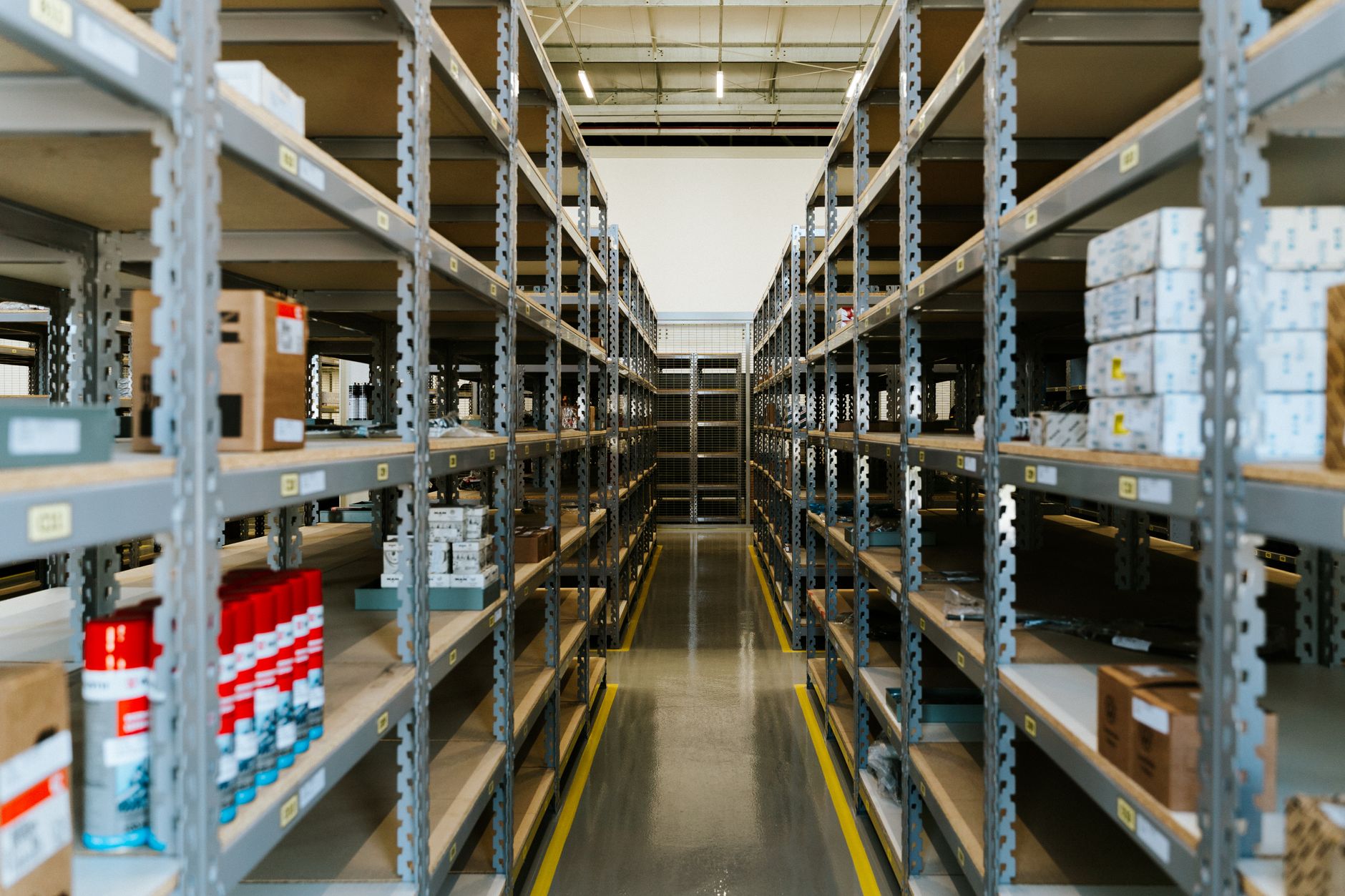
Miles of Walking Between Pallets and Picks
An automotive aftermarket parts distributor needed faster product movement across a 750,000-square-foot distribution center without shutting docks during a automation pilot.
Published reporting says contributors were walking the equivalent of more than 15,000 miles per month, burning time on pallet and cart moves instead of value-added picking.
Leadership wanted flexible automation that could plug into existing workflows through simple mapping rather than rebuilding the whole warehouse at once.
- Cut non-value travel across a high-volume DC
- Keep shipping active during phased AMR rollout
- Improve pick rate without a full labor spike
Phased AMRs for Pallets and Carts
Operations rolled out autonomous mobile robots for pallet and cart movements using drag-and-drop workflow software tied to mapped routes inside the building.
Teams started with lanes where travel waste was easiest to measure, then expanded as staff learned how to hand off loads at aisle ends and dock doors.
Operational excellence leads tracked distance and pick metrics daily so gains stayed visible to floor supervisors during the first months.
- Map high-traffic pallet lanes before peak season
- Train pickers on handoff points at aisle ends
- Expand AMR zones after baseline travel metrics are stable

Sixteen Percent Less Travel, Sixteen Percent Better Picks

The distributor reported a 16 percent reduction in contributor travel distance, about 112 miles saved per day across the operation.
Pick rate and revenue per labor hour also rose 16 percent in the published case, with faster dock deliveries and shorter order cycle times cited as downstream effects.
Floor staff shifted time from walking to picking and exception handling, which leadership framed as the main reason cycle times improved without adding headcount.
What Distribution Leaders Should Benchmark
This is a documented real-world example, not a Service Robot Co. deployment. It shows how pallet and cart AMRs can attack travel waste in a large aftermarket DC without a full conveyor rebuild.
Service Robot Co. stays vendor neutral, maps routes with your warehouse team, and packages buy or lease financing with RoboCare service so you have one partner from pilot through multi-zone expansion.