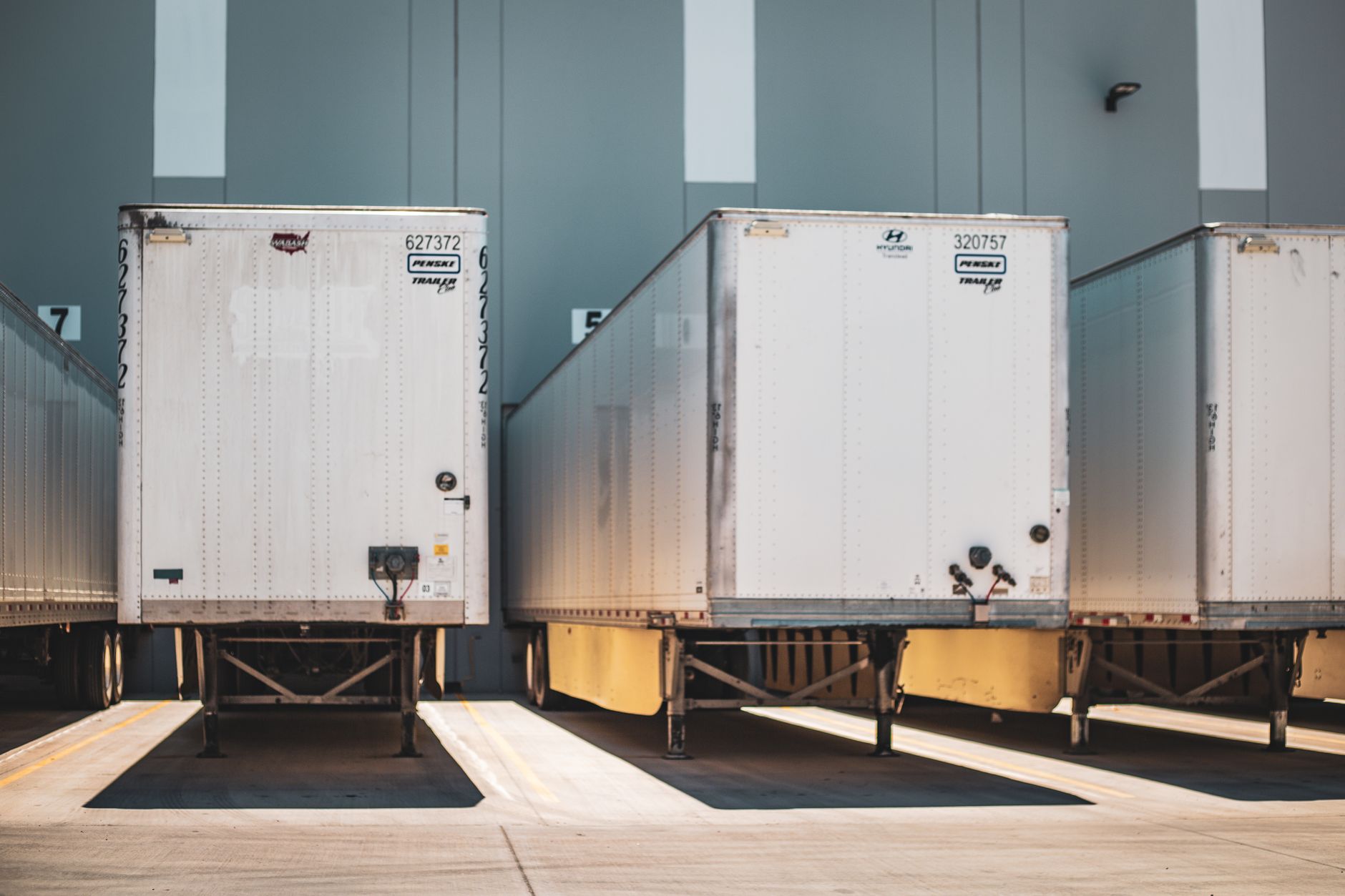
an automotive pump component manufacturer in central Germany
How an Automotive Pump Plant Cut 11 Kilometers of Daily Walking Per Towing AMR
German pump plant case study: three compact towing AMRs each cut about 11 km of daily walking between supermarket storage and ten assembly lines.
- 11 km
- Per robot day
- 3
- Towing AMRs
- 300 kg
- Per cart tow
- 10 lines
- Assembly fed
Based on a documented real-world deployment. Figures are from public reporting; the organization is not named.
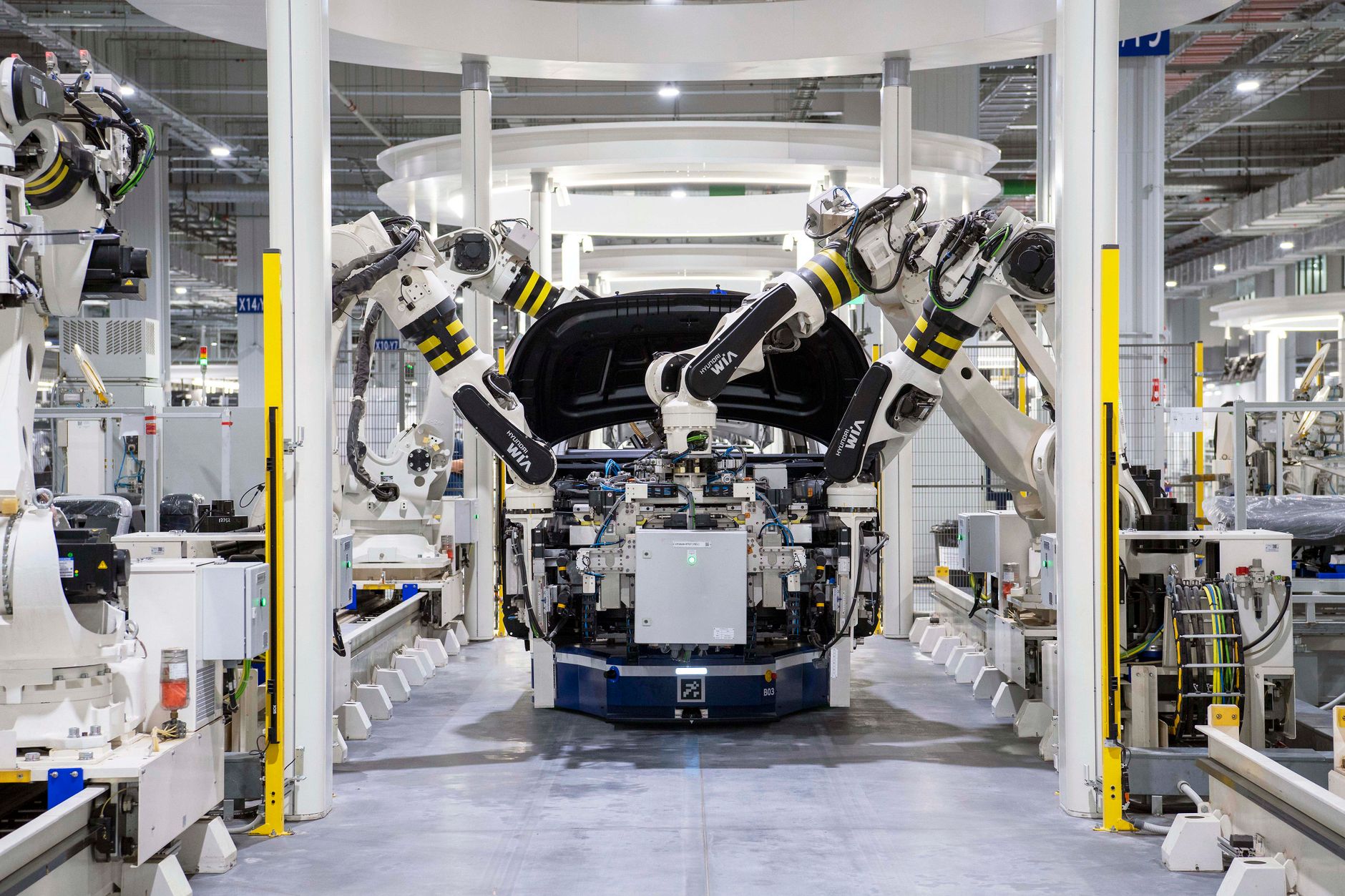
Lean targets with heavy internal walking
The plant builds oil and water pump components for automotive customers from a Thuringian site that employs about 1,200 people. Leadership adopted lean methods after a corporate acquisition, aiming to cut wasted motion and keep line-side inventory from ballooning.
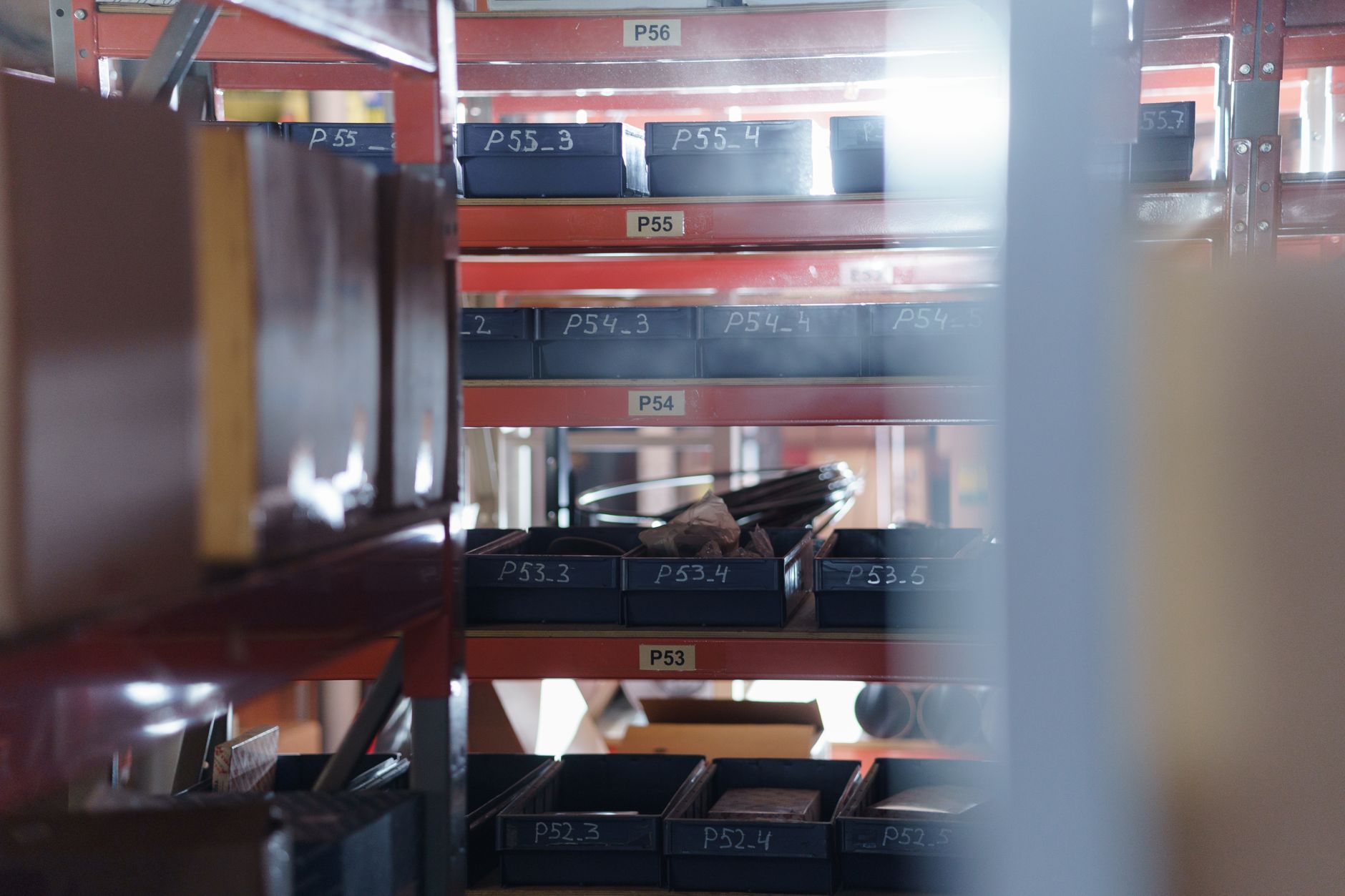
Before automation, a logistician pushed carts between a central parts supermarket and multiple assembly lines. That pattern left extra material at machines and tied skilled people to repetitive walks instead of production support.
- Manual cart moves between supermarket and assembly
- Excess line-side stock raising storage cost
- Need for flexible transport without floor guides
Three towing AMRs on mapped supermarket loops
After a short test phase, the plant added three compact autonomous towing units with cart hooks in two production zones. Each robot laser-mapped the floor, then ran on summon from a web interface on tablets or PCs without magnetic tape or fixed routes.
A typical cycle starts at the supermarket waiting point, hooks a QR-identified cart, delivers components to the correct assembly line, swaps for an empty cart, and returns through an automated lock gate triggered by a ground loop. Two robots serve ten assembly lines in one zone while a third supports a largely automated cell.
- Mapped aisles and lock-gate crossings before go-live
- QR-coded carts so robots pick the right load
- Fleet software to queue jobs from the line
- Side-by-side training until operators trusted summons
Measured walking removed and stock trimmed
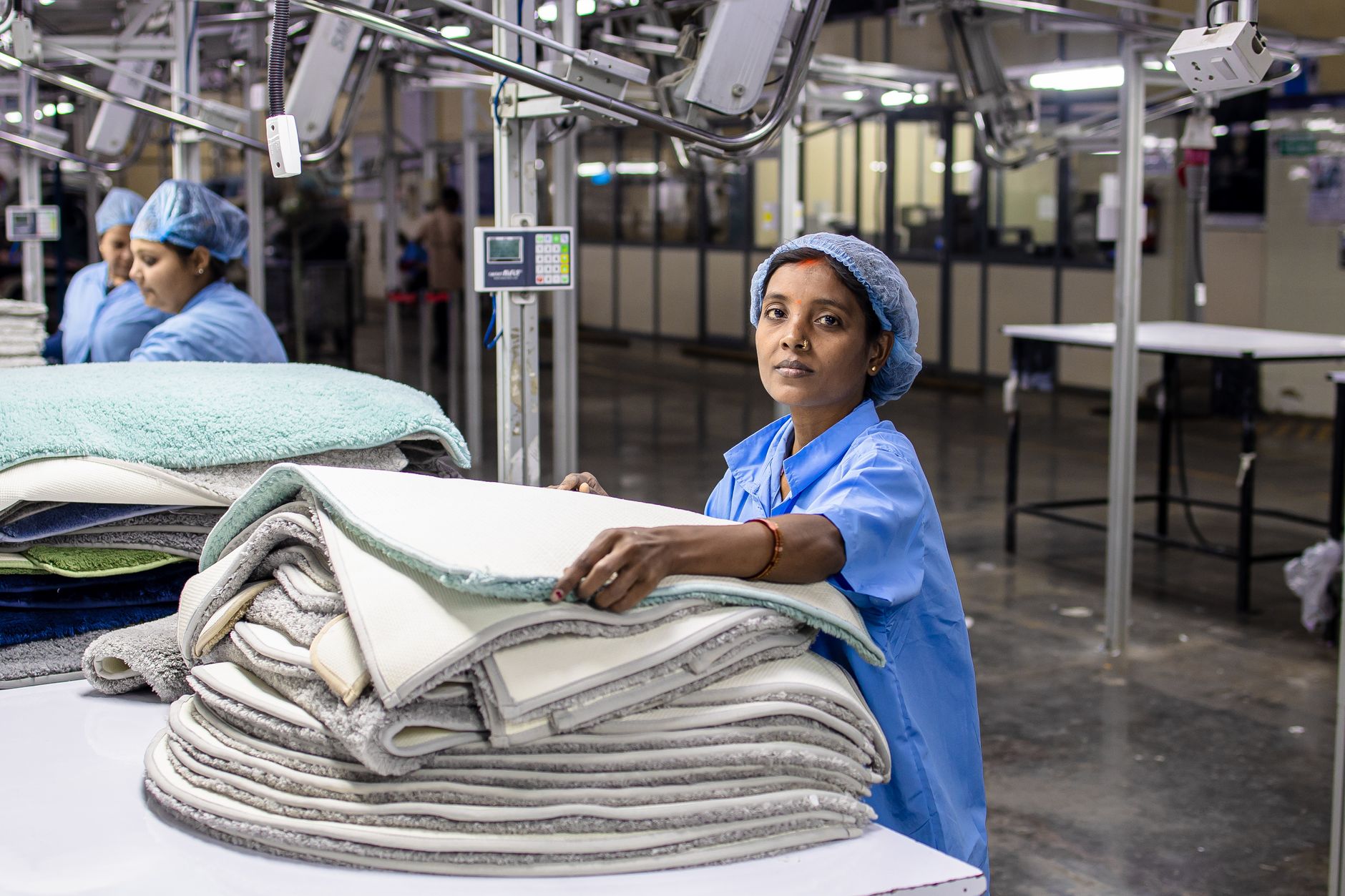
Assembly leadership reports each towing AMR averages about eleven kilometers of travel per day that employees no longer walk. The fleet runs around the clock five days a week, beeping in noisy areas so people notice approaching units.
Line-side inventory fell because robots deliver components just-in-time instead of pre-staging excess totes. Operators described intuitive summons and less clutter on the floor, aligning with the plant lean goals while freeing people from cart pushing.
What US manufacturers can take from the pattern
This is a documented European automotive deployment, not a Service Robot Co. project. It shows why machine shops and tier suppliers look at AMR rental and cart-pulling robots when repetitive indoor transport eats shifts.
Service Robot Co. stays vendor neutral: we match towing AMRs to your aisle widths and gates, then finance, integrate, train, and service through a nationwide network of regional field engineers. A free site assessment maps supermarket-to-line loops before you commit to purchase or robot rental monthly terms.