a North American automotive tool and equipment distributor operating three U.S. fulfillment centers with same-day pick and ship service
How an Automotive Tool Distributor Raised Pick Productivity 266% With AMRs
A documented automotive tool distributor lifted pick rates from 30 to 110 per hour with warehouse AMRs tied to its WMS. See the rollout pattern and what operators can copy.
- 266%
- pick productivity
- 110 UPH
- peak pick rate
- 49
- AMRs deployed
- 90 days
- Atlanta go-live
Based on a documented real-world deployment. Figures are from public reporting; the organization is not named.
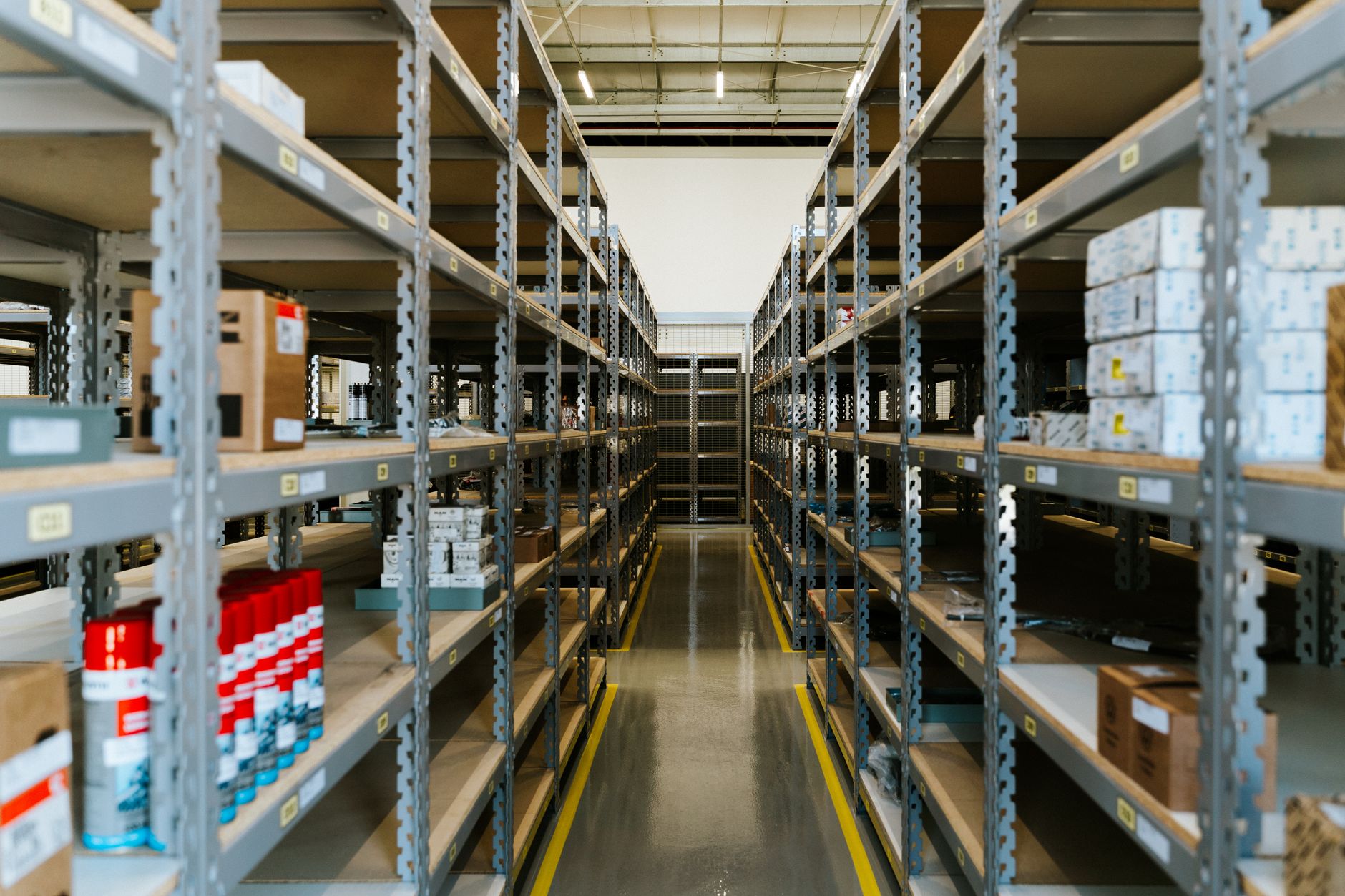
Same-day promise under parcel pressure
The distributor built its reputation on picking and shipping automotive tools and equipment the same day orders arrive. Growth kept enlarging its buildings while order profiles shifted toward small parcels. Pre-pandemic, small packages were about half of volume; during the surge they approached four fifths of shipments, which multiplied touches, label work, and walking.
Associates still walked long pick paths while managers fought turnover in a tight labor market. Leadership needed more units per hour without assuming they could hire proportional headcount at every site.
- Same-day pick and ship across three U.S. fulfillment centers
- Small-package share climbed from about 50% to about 80% of shipments
- High walking time and recruiting friction on the warehouse floor
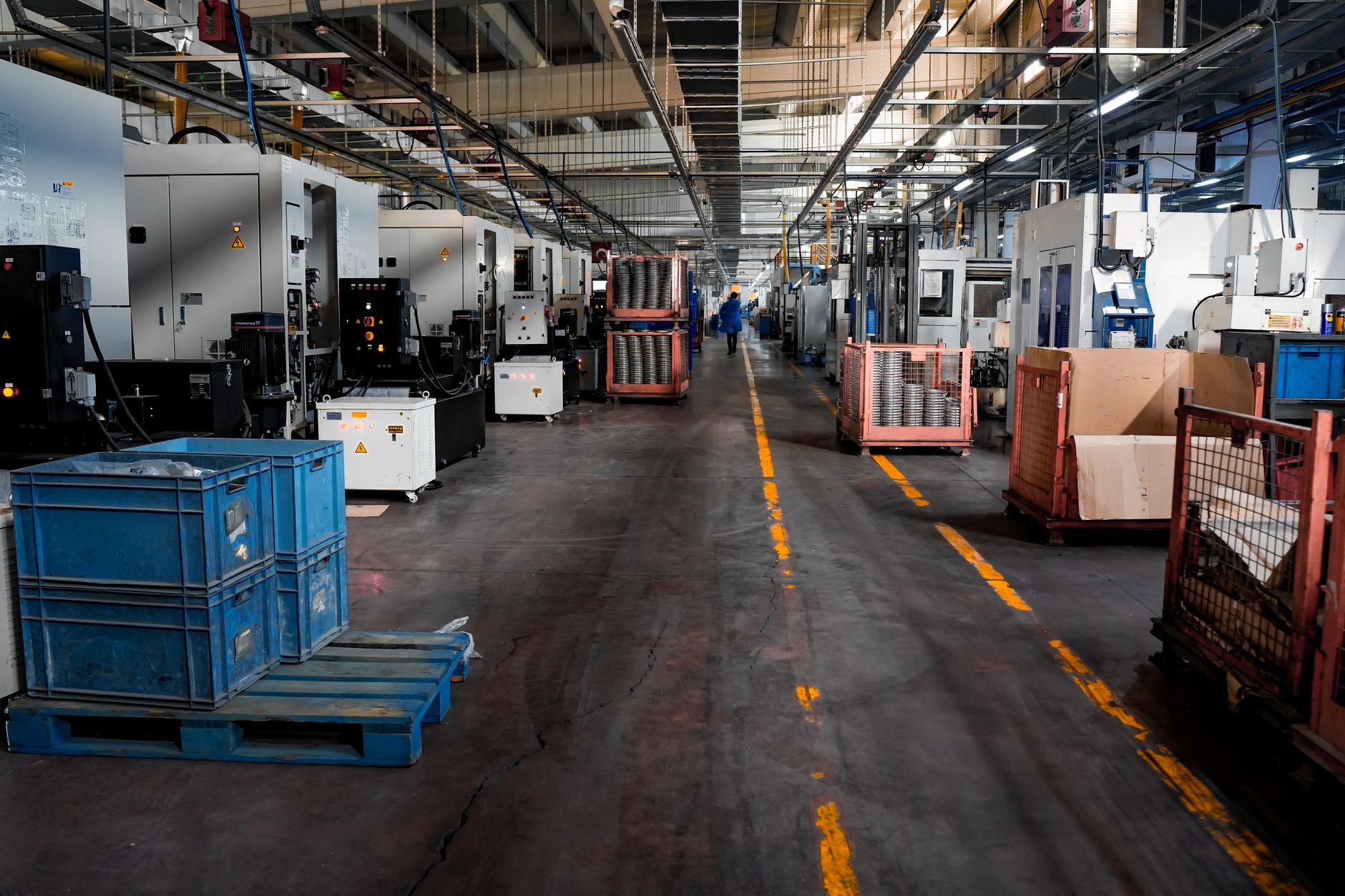
WMS-linked AMRs in a 90-day Atlanta pilot

Because the operation already ran on a warehouse management system from its software partner, leaders added autonomous mobile robots that receive pick tasks from the same environment. The Atlanta site went live in about 90 days, then Fresno and Indianapolis followed after phase one proved out.
Forty-nine AMRs now serve the three campuses. Robots handle travel between pick faces while associates stay at the high-value work: scanning, verifying, and packing. Training focused on how pickers summon and release carts, not on programming routes.
- Phase one in Atlanta, then expansion to Fresno and Indianapolis
- Forty-nine AMRs integrated to the existing WMS workflow
- Planned extension into putaway after pick gains stabilized
Measured pick-rate lift and less walking
Picking quality, accuracy, and speed all improved in the Atlanta pilot. Documented pick productivity rose 266 percent as rates moved from about 30 picks per hour to about 110. Travel time fell sharply, which let the same roster cover more lines and protect the same-day service level.
Leadership reported less physical strain on the floor, stronger job satisfaction, and savings redirected into higher wages for warehouse associates to support retention. The pattern matches what other high-volume parts networks seek: throughput from the roster you already have.
What operators can borrow from the pattern
This deployment was run by the distributor and its automation partners, not by Service Robot Co. The lesson for your network is still concrete. When parcel mix spikes and walking dominates the shift, warehouse robot rental or an AMR fleet tied to your WMS can lift picks per hour before you add another recruiting loop.
Service Robot Co. stays vendor neutral across autonomous mobile robot options, maps charging and aisle constraints in a free site assessment, and supports month to month robot lease pilots when you want proof on one building first. One partner handles finance, deployment, integration, training, and service through a nationwide network of regional engineers.