a Western U.S. hotel investment group operating eight mid-scale properties
How an Eight-Hotel Group Standardized Sub-10-Minute Room Deliveries
A Western U.S. hotel group put delivery robots in all eight properties, holding average guest drops under 10 minutes and freeing staff for high-touch service.
- 8
- Hotels live
- <10 min
- Avg delivery
- 24/7
- Room drops
- Fleet
- Brand standard
Based on a documented real-world deployment. Figures are from public reporting; the organization is not named.
Labor gaps across a growing portfolio
This investment group runs eight mid-scale hotels across the Western U.S., each with its own staffing rhythm and peak weekend crunch. Guests expected quick towel, snack, and amenity drops, while managers fought recurring labor shortages and high turnover on runner roles.
A single-property pilot showed strong guest buzz, but scaling meant more than copying one robot. Leadership needed a repeatable playbook so every hotel could offer the same delivery promise without hiring a runner on every shift.
- Eight properties with uneven night and weekend coverage
- Guests expecting fast in-room amenity delivery
- Staff time lost on repetitive hallway runs
- Need for a portfolio-wide guest experience hook
From one robot to a named fleet
After the first hotel proved demand, the group assigned a dedicated delivery robot to each property, each with its own name guests could recognize. Robots handle room deliveries for sundries, marketplace items, and in-room dining while associates stay at the desk, restaurant, or housekeeping core.
Properties kept expanding the program even through industry downturns because staff began treating the units as standard equipment. New acquisitions now prompt teams to ask when their robot arrives, which signals how embedded the workflow became.
- Pilot one property, then clone playbooks
- Brand each unit for guest recognition
- Connect marketplace, restaurant, and front desk routes
- Train night and weekend teams on handoffs
Portfolio-wide speed and consistency
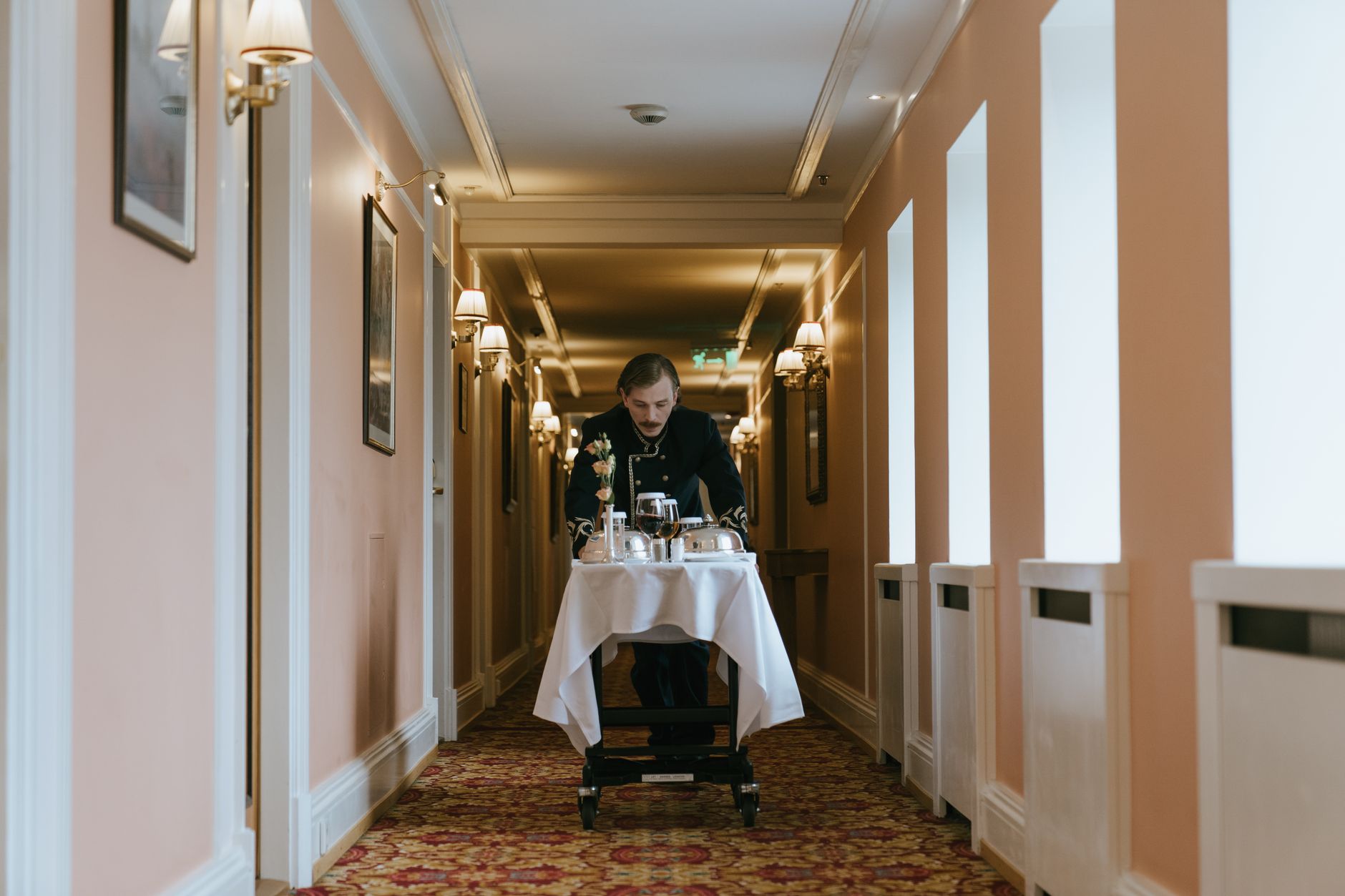
All eight properties now run a dedicated delivery robot, with reported average delivery times under 10 minutes per hotel. That gives guests a predictable wait for towels, snacks, and meal drops without adding a full-time runner on every shift.
The group cites heavy guest social sharing at individual hotels, with more than 100 viral posts per property in the published story. Operators also note robots traveling hundreds of indoor miles cumulatively while keeping revenue centers linked across the lobby, marketplace, and restaurant.
What regional hotel owners can replicate
This is a documented hospitality example, not a Service Robot Co. client story. It shows how a multi-site operator can standardize amenity delivery before chasing custom apps or new headcount.
Service Robot Co. helps US hotel groups compare delivery robot options, structure hotel delivery robot rental or month to month lease pilots, and roll the same integration package property by property. One vendor-neutral partner covers site assessment, financing, training, and nationwide service dispatch after go-live.