an electronics assembly plant in Austria
How an Electronics Assembly Plant Freed 15 Daily Minutes per Worker With AMRs
An Austrian electronics assembly site reclaimed 15 minutes per employee daily on parts runs, reported a 3% OEE lift, and cut WIP containers with AMR-fed lines.
- 15 min
- saved per worker
- 3%
- OEE lift cited
- 500
- fewer containers
- 70 kg
- per AMR trip
Based on a documented real-world deployment. Figures are from public reporting; the organization is not named.
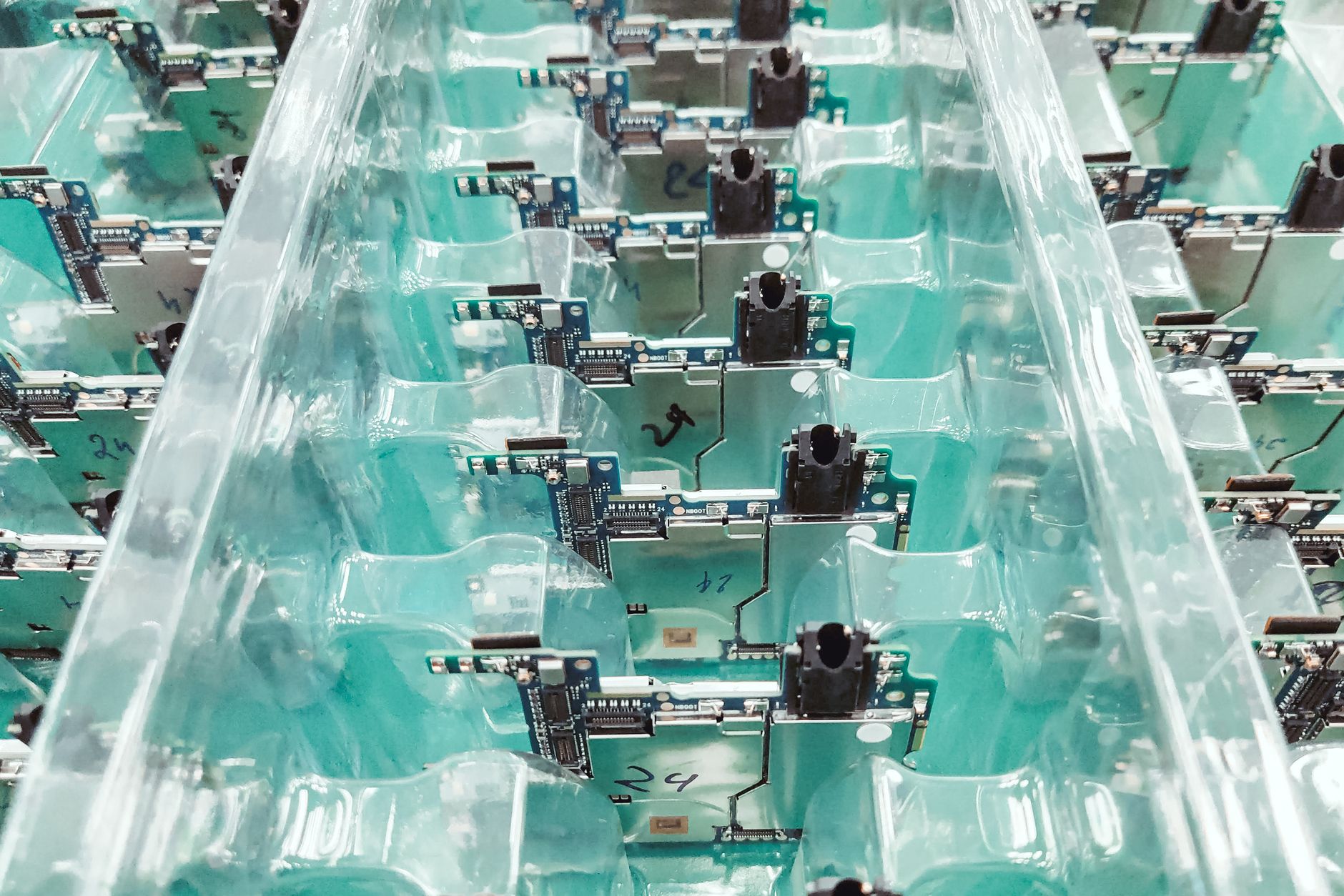
Manual milk runs starved the line
Assembly teams at an electronics plant in Austria kept leaving stations to chase parts. Internal transport ate about 15 minutes per employee each day, time that could have stayed on build tasks.
Work-in-progress staging stretched across days because deliveries arrived in bursts. That tied up floor space and made overall equipment effectiveness harder to hold when demand shifted.
- Operators interrupted assembly to move kits and components
- Fifteen daily minutes per person lost to repetitive transport
- Bulky WIP buffers built between manual drop-offs
AMRs as named line feeders
Leadership targeted the milk run between kitting and assembly with autonomous mobile robots sized for the aisles. Staff nicknamed the units to build acceptance on the floor, a small cultural step that made the change feel collaborative rather than imposed.
An integration partner tied fleet software to existing production scheduling so robots could be dispatched without rewriting the whole manufacturing execution stack. Pilot routes focused on one automated supply loop before expanding coverage.
- Map kitting-to-line paths and load limits up to 70 kg per trip
- Train operators to dispatch AMRs alongside existing build steps
- Run continuous feeding to shrink WIP buffers
- Expand routes after the first loop proved stable
Documented minutes and flow gains
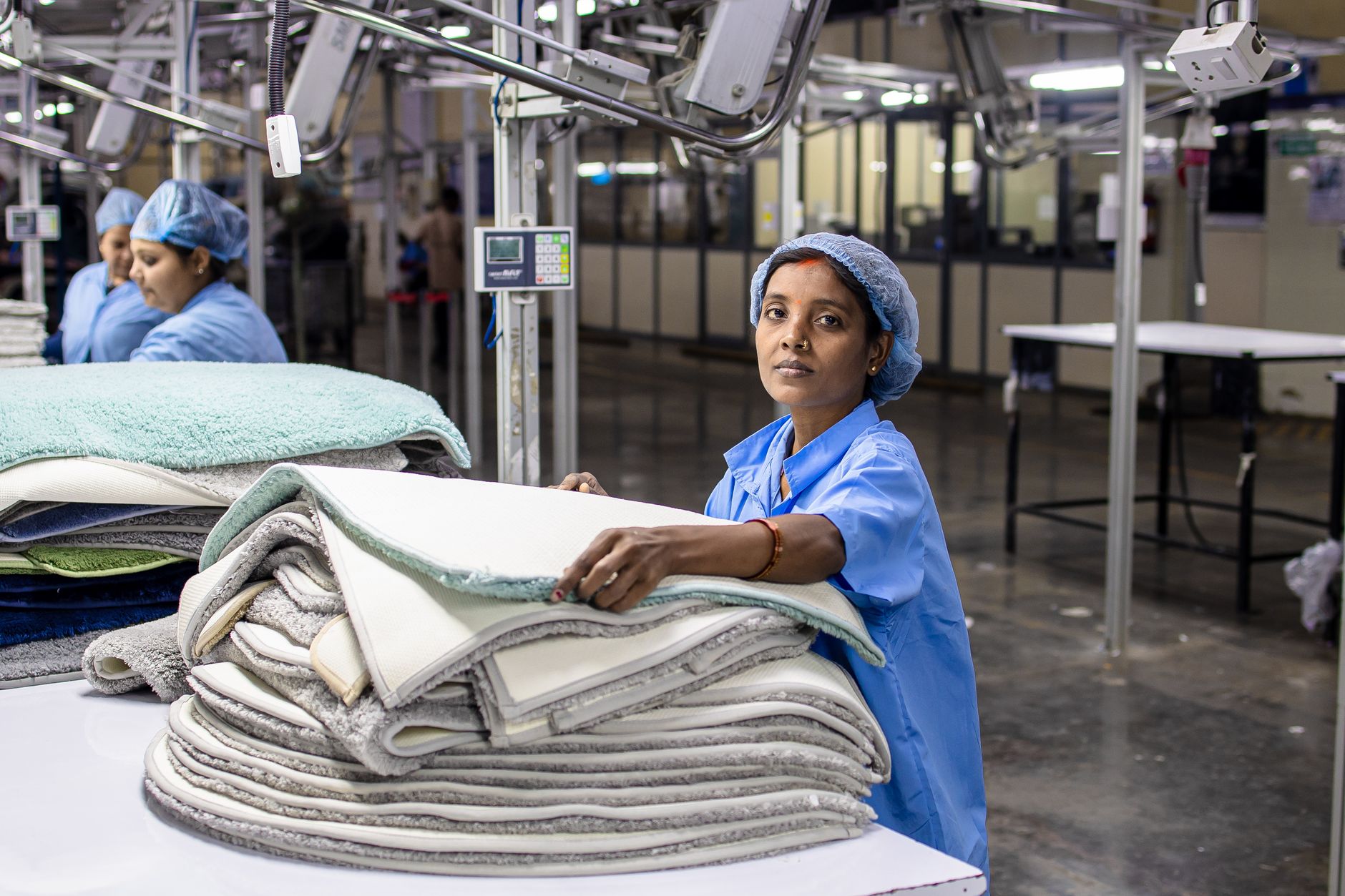
After deployment, the plant reported that automated transport removed the roughly 15 minutes per employee previously spent on manual material runs each day. Teams could stay at stations while robots handled the predictable legs.
The same reference cites a 3% OEE improvement on supplied assembly lines tied to steadier material arrival. Continuous AMR feeding also cut work-in-progress staging from multi-day buffers to hours and eliminated up to 500 containers previously needed to cushion uneven deliveries.
What US manufacturers can mirror
Service Robot Co. helps US plants compare AMR platforms vendor-neutrally, then finance, deploy, integrate, train, and service fleets through a nationwide engineer network. One partner covers site assessment, fleet software hooks, and ongoing maintenance instead of juggling separate hardware and integrator contracts.
A fifteen-minute daily win per operator sounds modest until it scales across shifts and lines. AMR rental or monthly lease paths let you pilot one loop, prove OEE and WIP effects on your floor, then add routes without a full capital bet on day one.