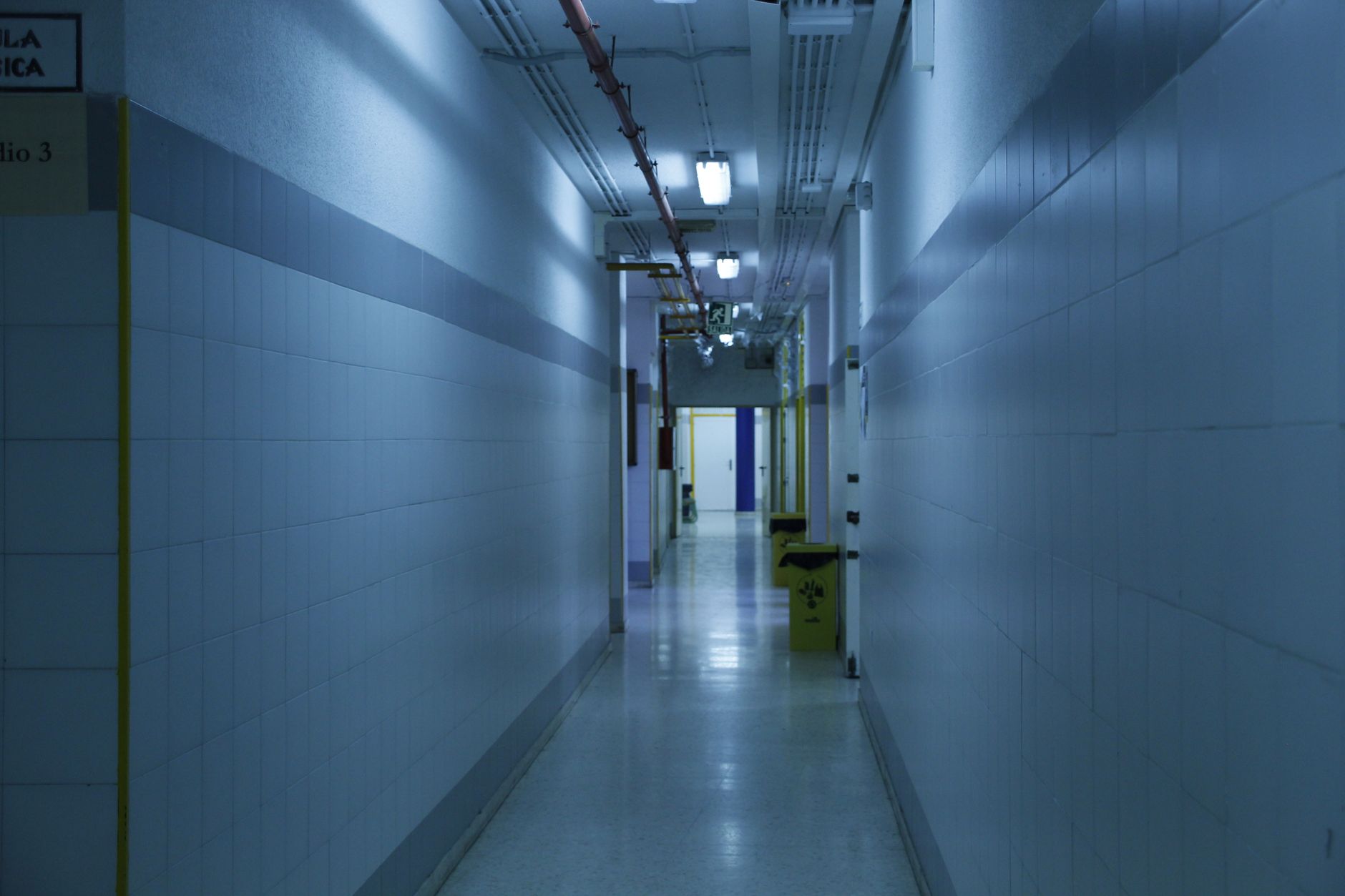
a high-volume hospital endoscopy center with multiple outpatient procedure rooms
How an Endoscopy Center Freed 2.18 FTE With Scope Delivery AMRs
Documented endoscopy case study: eight AMRs cut scope transport workload by 2.18 FTE and shortened mean delivery and retrieval times across thousands of runs.
- 2.18 FTE
- Workload cut
- 21,048
- AMR deliveries
- 8 AMRs
- Fleet size
- 12.8%
- Reported ROI
Based on a documented real-world deployment. Figures are from public reporting; the organization is not named.
Scope runs that never stop
A high-volume hospital endoscopy center with multiple outpatient procedure rooms depends on constant movement of clean and used scopes between reprocessing and procedure rooms. Nurses and techs make those walks hundreds of times a week.
Manual delivery is predictable work, but it stacks on top of patient care tasks. When volume rises, transport becomes the hidden labor line that is hard to hire away without pulling clinical staff off the floor.
Leadership wanted repetitive transport automation that could keep pace with outpatient volume without redesigning the entire department on day one.
- Move scopes quickly between reprocessing and procedure rooms
- Reduce nurse walking time during busy clinic days
- Measure efficiency before scaling fleet size
Eight AMRs on a mixed manual and robotic schedule
The center deployed an autonomous mobile robot system built to distribute and retrieve endoscopes across outpatient endoscopy rooms. Researchers ran a single-center prospective comparative trial between May 21 and November 21, 2024.
During each five-day week, one day was randomly assigned to manual transportation while the other four days used robotic transportation. That design let the team compare thousands of runs under each mode in the same building.
Eight AMRs handled the robotic days while staff continued to monitor workflows and patient care. Nurses also reported work intensity and satisfaction as part of the study.
- Randomly assign one manual transport day per five-day week
- Run eight AMRs on the remaining clinic days
- Track delivery times, failures, and staff perceptions
Measured time and staffing gains
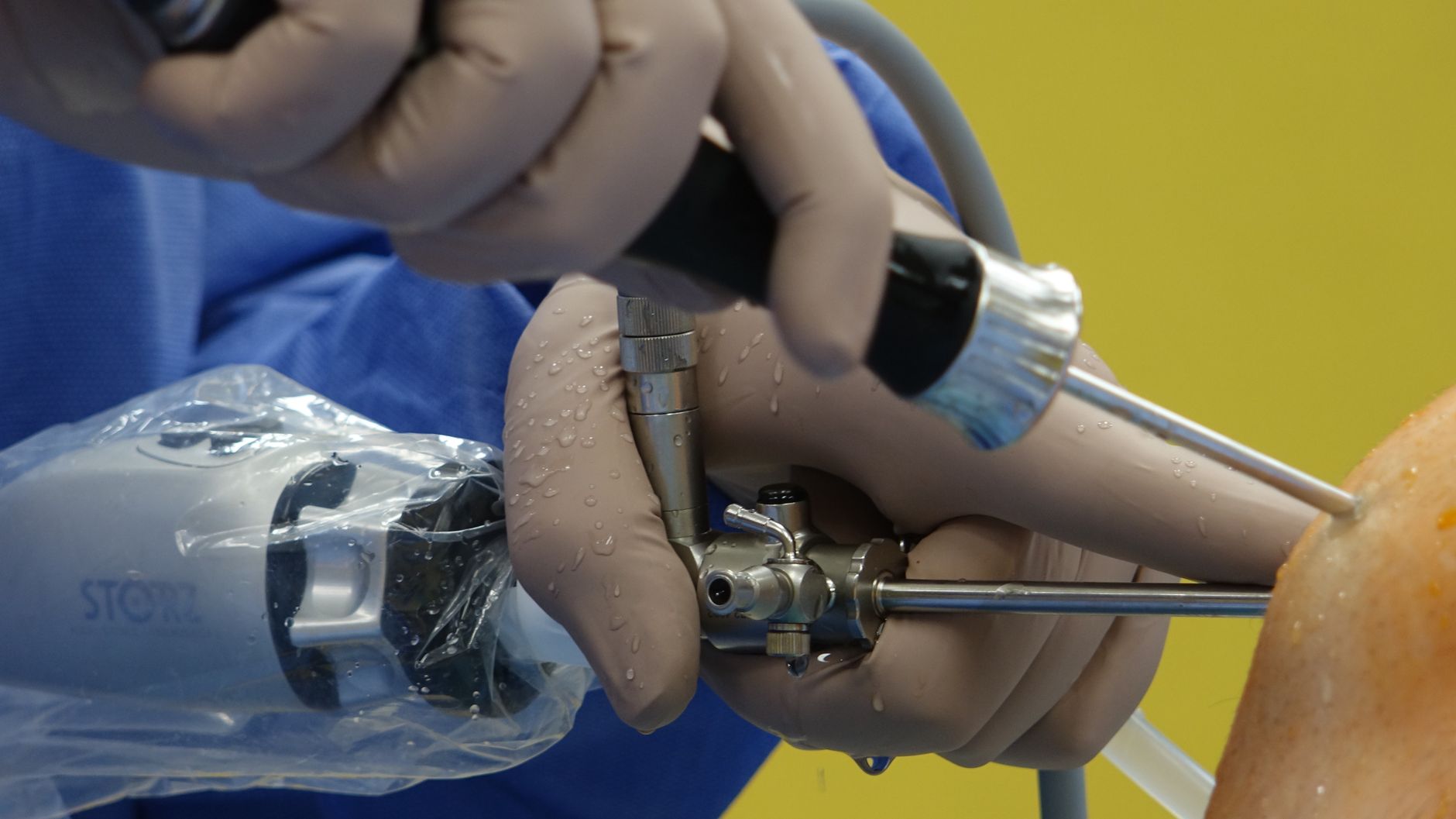
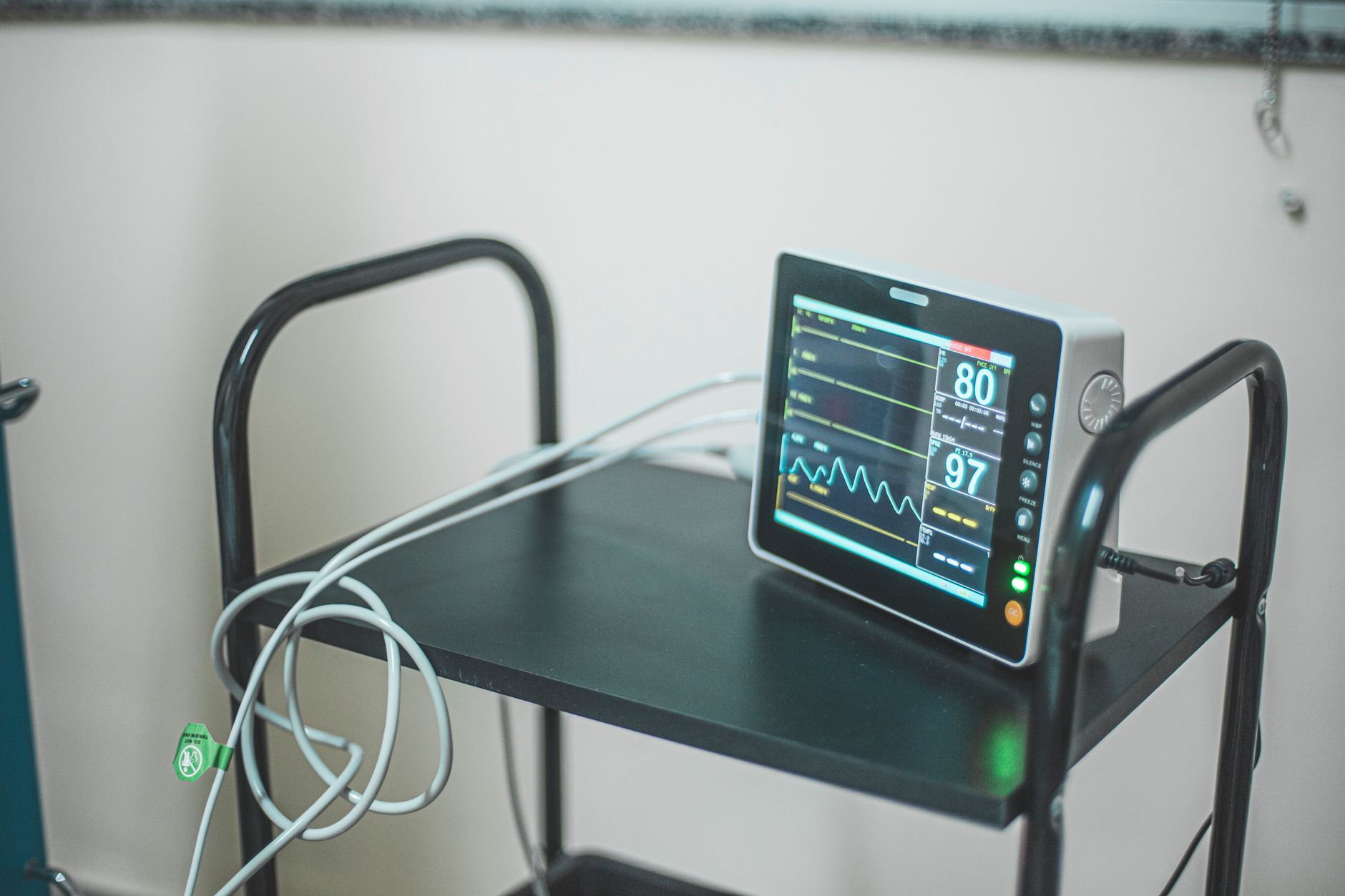
The study included 5,393 manual and 21,048 AMR-assisted endoscope deliveries in outpatient endoscopy rooms. Implementing the eight-robot fleet reduced endoscope transport workload by 2.18 full-time equivalent.
Mean distribution time was 112.07 seconds with AMR assistance versus 168.48 seconds with manual delivery. Mean retrieval time was 69.96 seconds versus 91.32 seconds. Both differences were statistically significant in the published results.
The AMR-assisted delivery failure rate was 0.15 percent in the robotic group. Nurses reported lower work intensity and higher satisfaction when AMRs handled transport. The published analysis also cites an approximate 12.8 percent return on investment for the robotic system.
Clinical transport deserves the same ROI discipline as devices
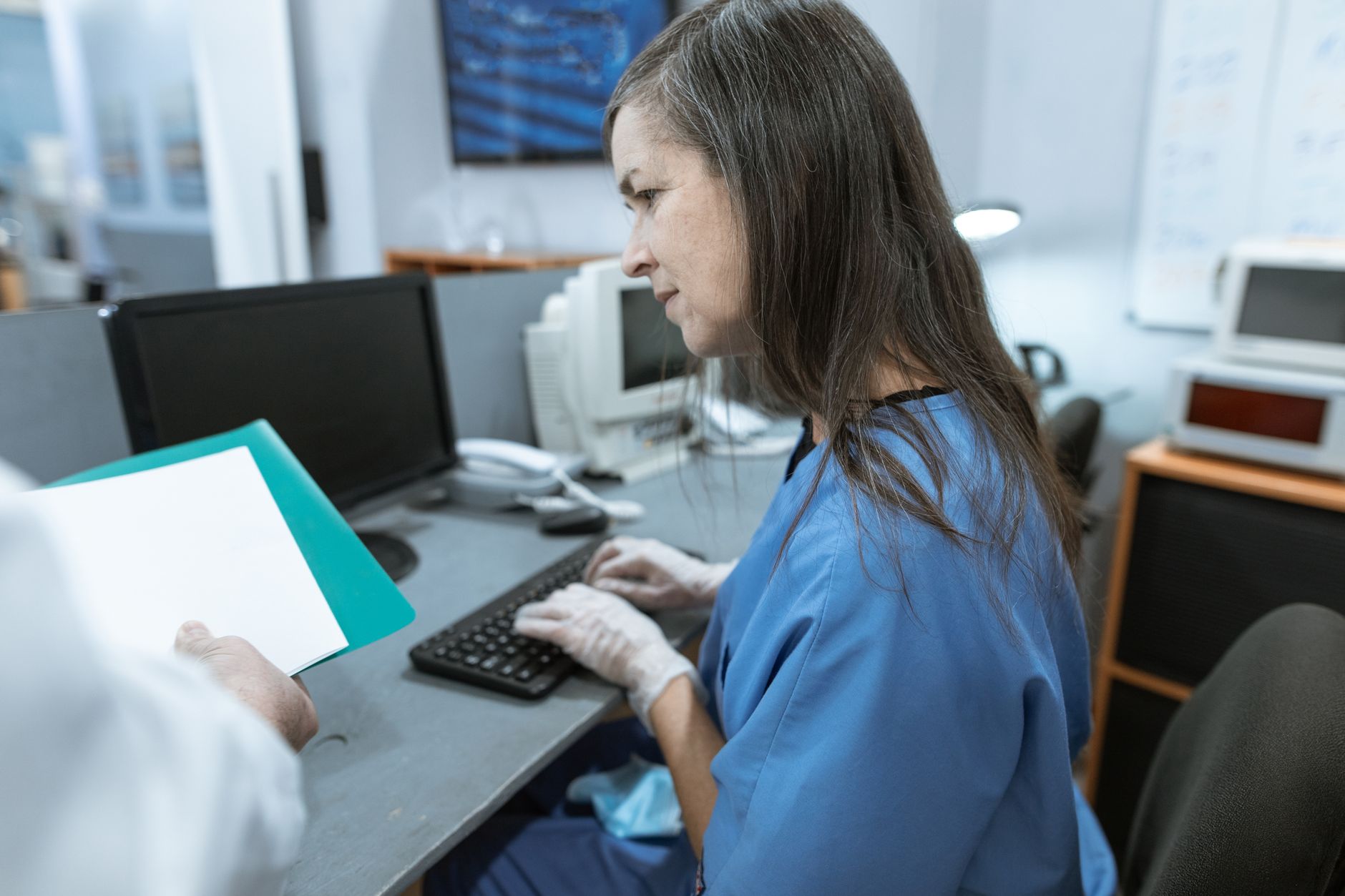
This is a documented real-world example, not a Service Robot Co. deployment. It shows why hospital delivery robot rental and autonomous mobile robot rental decisions in endoscopy are judged on full-time equivalent workload and seconds per run, not hallway demos.
Service Robot Co. is a vendor neutral robot integrator for U.S. hospitals and ambulatory centers. We map scope loops, elevator rules, and reprocessing paths, then finance, deploy, train, and service AMRs through a nationwide network of regional service engineers. One partner covers site assessment mapping, go live support, and robot maintenance service plan options when you expand beyond a pilot.