
an aircraft-engine maintenance operation
Aircraft Engine Inspection Saves 360 Labor-Hours Annually
See how a mobile inspection manipulator captured up to 150 engine images per cycle and saved 360 inspection labor-hours annually in aviation maintenance.
- 360 hrs
- inspection labor saved annually
- Up to 150
- images captured per engine cycle
- Up to 150
- images analyzed per engine cycle
Based on a documented real-world deployment. Figures are from public reporting; the organization is not named.
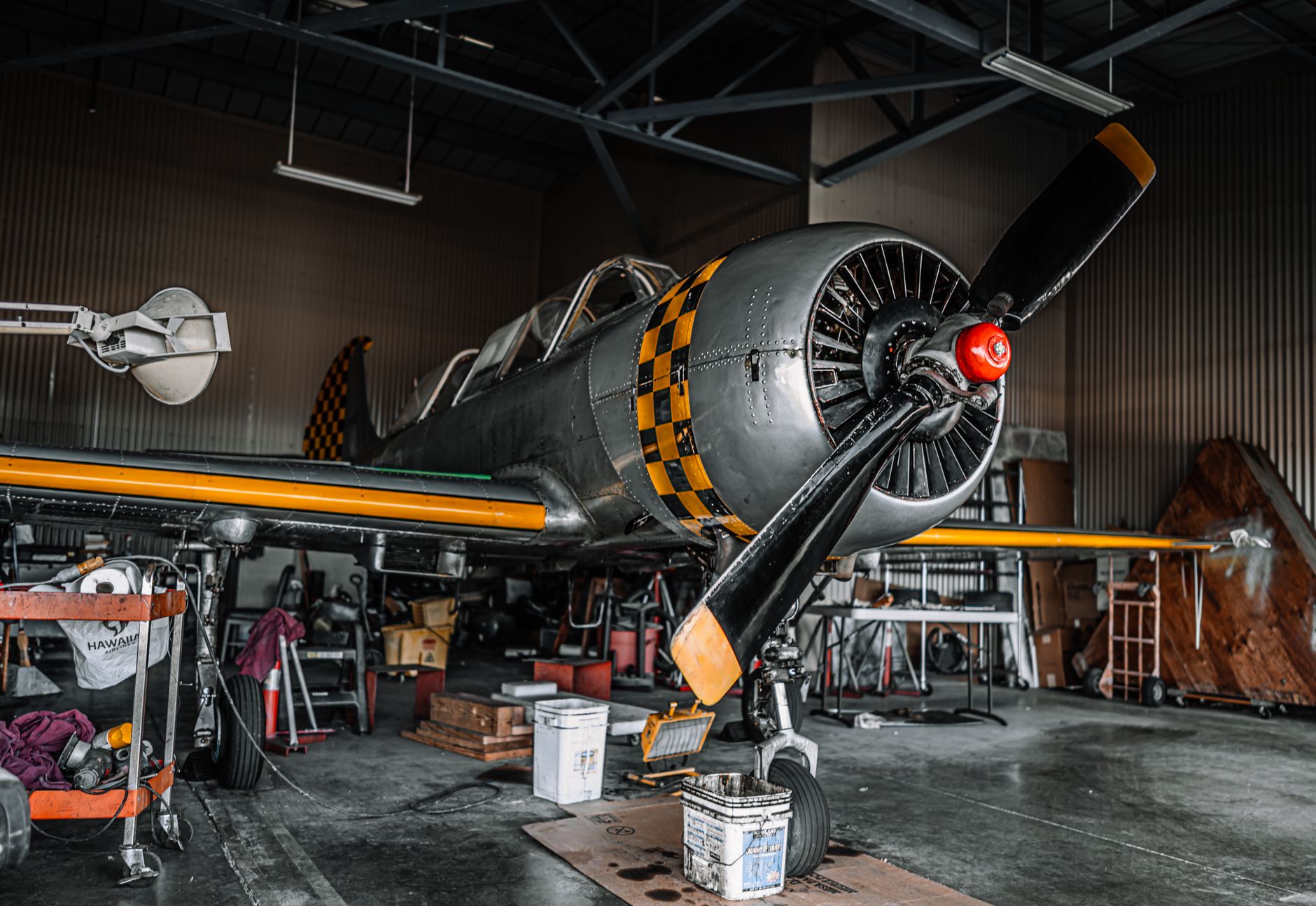
A demanding inspection envelope
Inspecting inbound aircraft engines meant working around intricate structures with areas that technicians could not readily reach. Manual visual checks and photography consumed skilled labor, exposed personnel to challenging spaces, and made inspection quality vulnerable to fatigue.
The operation also needed dependable imagery for defect review and maintenance records. Variations in how technicians positioned a camera or documented a component could weaken consistency across inspection teams.
- Reach difficult engine areas without requiring technicians to enter them
- Capture repeatable, high-resolution evidence around complex structures
- Reduce fatigue and inconsistencies associated with manual photography
- Preserve traceable inspection data for maintenance review and record keeping
Mobile manipulation built around the inspection path
The documented deployment paired autonomous mobility with an articulated arm and AI-assisted vision. The mobile inspection manipulator navigated around each aircraft engine, reached tight sections, and captured and analyzed up to 150 high-resolution images per engine cycle.
Inspection data moved digitally into maintenance systems for engineering review and record keeping. For a comparable operation, a prudent rollout would validate engine access, image quality, safety controls, and data handoff in a robot pilot program before broader operational use.
- Map representative engine positions, access constraints, and safe travel zones
- Run a commercial robot demo against the required views and image standards
- Pilot repeatable capture and maintenance-system data transfer
- Train inspectors on mission oversight, evidence review, and exception handling
- Establish go-live support and a robot maintenance service plan
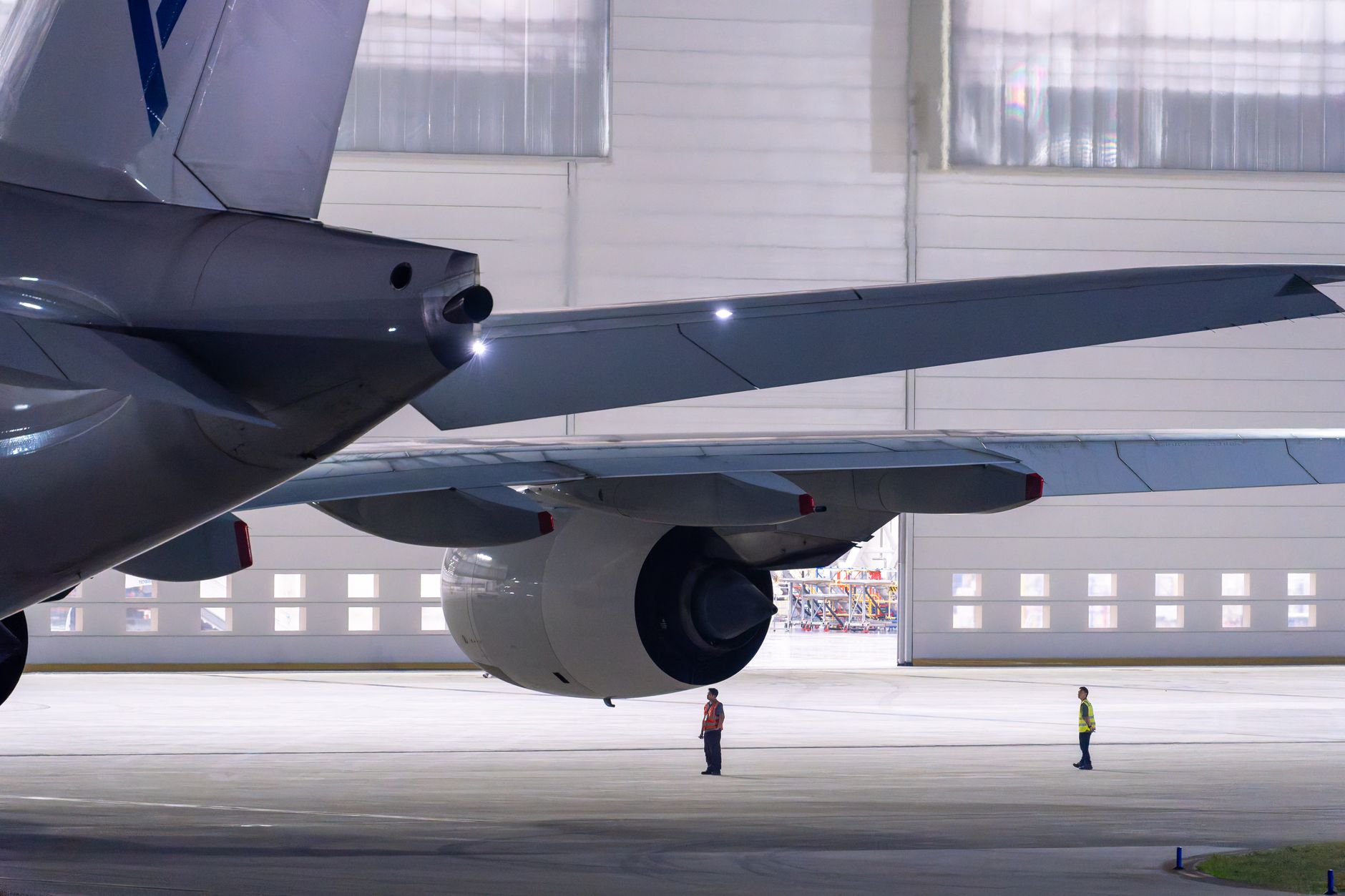
Skilled time recovered without weakening traceability
The mobile inspection workflow saved 360 labor-hours annually. It also produced shorter inspection cycles and more consistent defect identification, although the source does not publish a percentage improvement for either measure.
Automated imaging reduced human error associated with traditional inspection and improved reporting through high-resolution evidence and data traceability. Safety improved as technicians no longer needed to access the confined or hazardous areas handled by the robot.
A practical procurement path for US operators
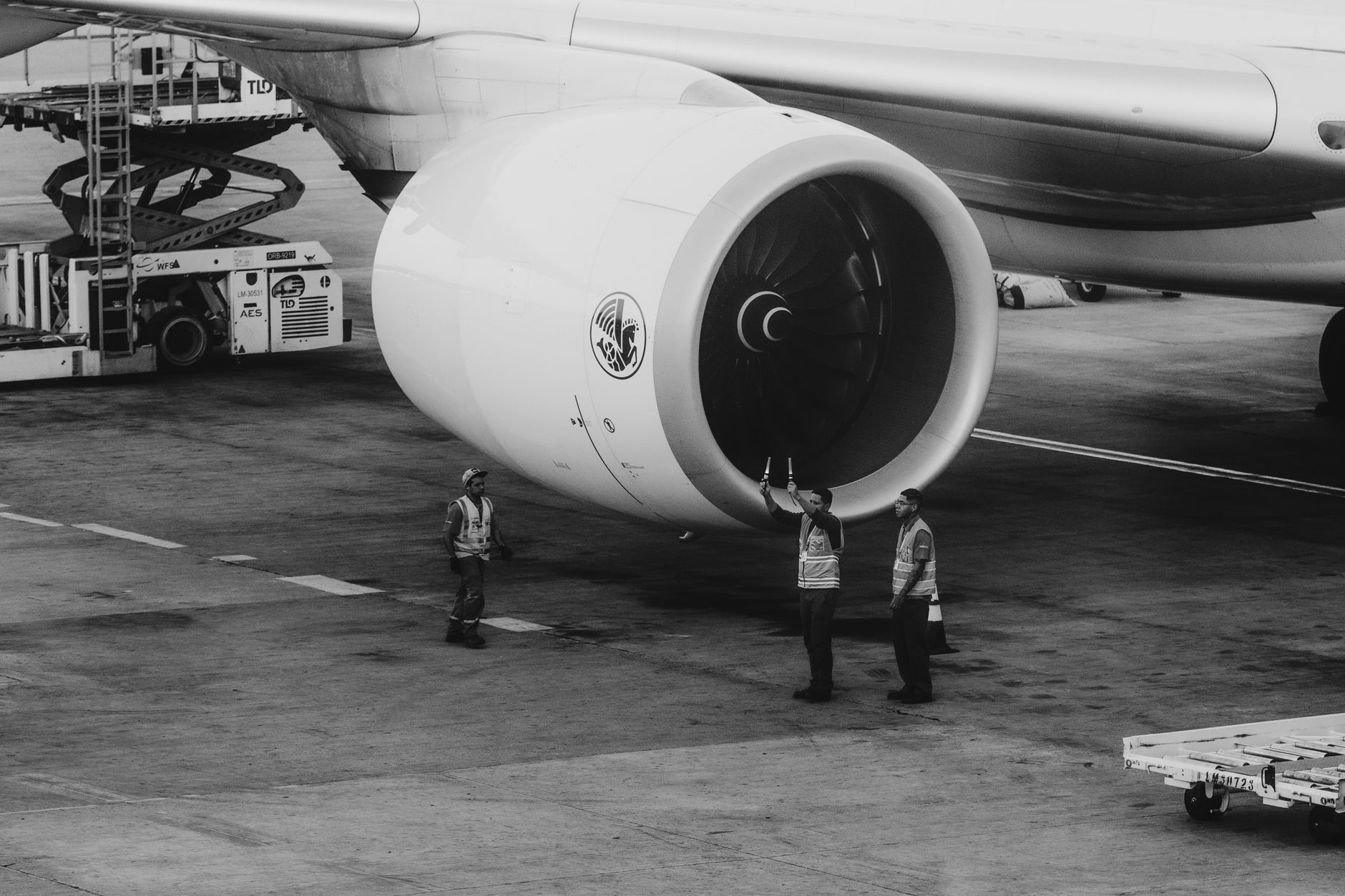
For a US business considering inspection robot leasing for business, Service Robot Co. provides an OEM-neutral path from application fit to operating support. The company selects across manufacturers, structures purchase or lease and monthly payment programs, then handles robot deployment and integration, training, and go-live support.
Support continues after commissioning through remote triage, on-site dispatch, and a nationwide US engineer network. That gives an operator a single accountable vendor for equipment selection, financing, integration, training, and service across the robot lifecycle.