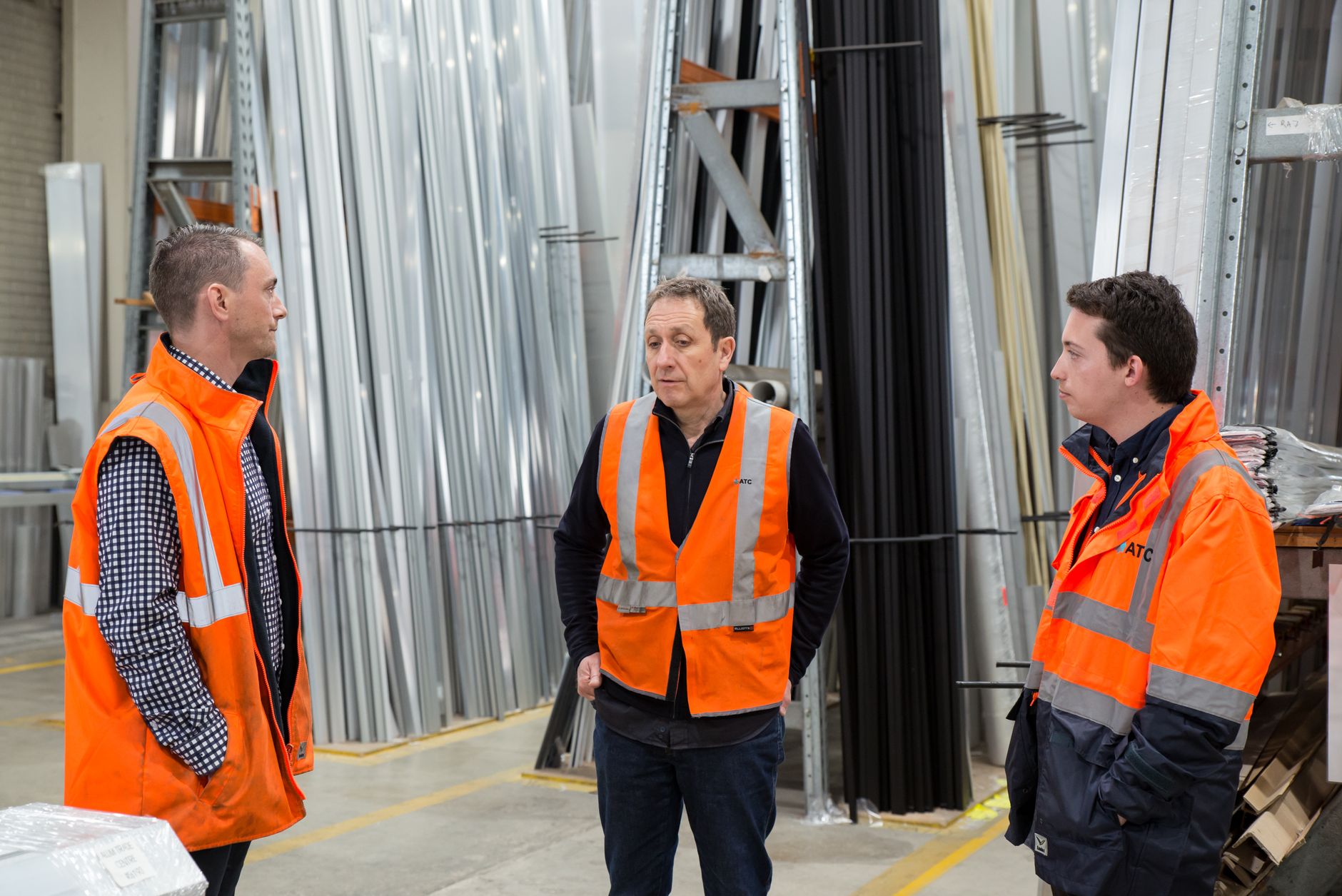
a custom metal fabricator producing curved escalator components
Curved Escalator Component Welding Time Cut 95%
See how a custom metal fabricator cut curved escalator component welding and finishing from about three hours to 15 minutes with a laser-welding cobot.
- 95%
- cycle-time reduction
- 3 hours
- manual baseline
- 15 minutes
- automated cycle
Based on a documented real-world deployment. Figures are from public reporting; the organization is not named.

A Curved Joint Buried in Manual Work
A custom metal fabricator producing curved escalator components had to form a stainless-steel platform part from a sheet cut into a triangular shape. Its edges were then joined through manual MIG and TIG welding before the surface could be smoothed.
That sequence was labor-intensive and slow. Welding and finishing one component took approximately three hours, while the post-cut processing needed to produce a better surface compounded the bottleneck.
The shop also needed to preserve scarce welding expertise for work demanding human judgment. Capacity could not expand efficiently while skilled welders remained tied to a repetitive, time-heavy seam.
- Manual MIG and TIG welding consumed skilled labor.
- Finishing added work after the edges were joined.
- The long cycle constrained capacity for customer volume.
A Focused Laser-Welding Application
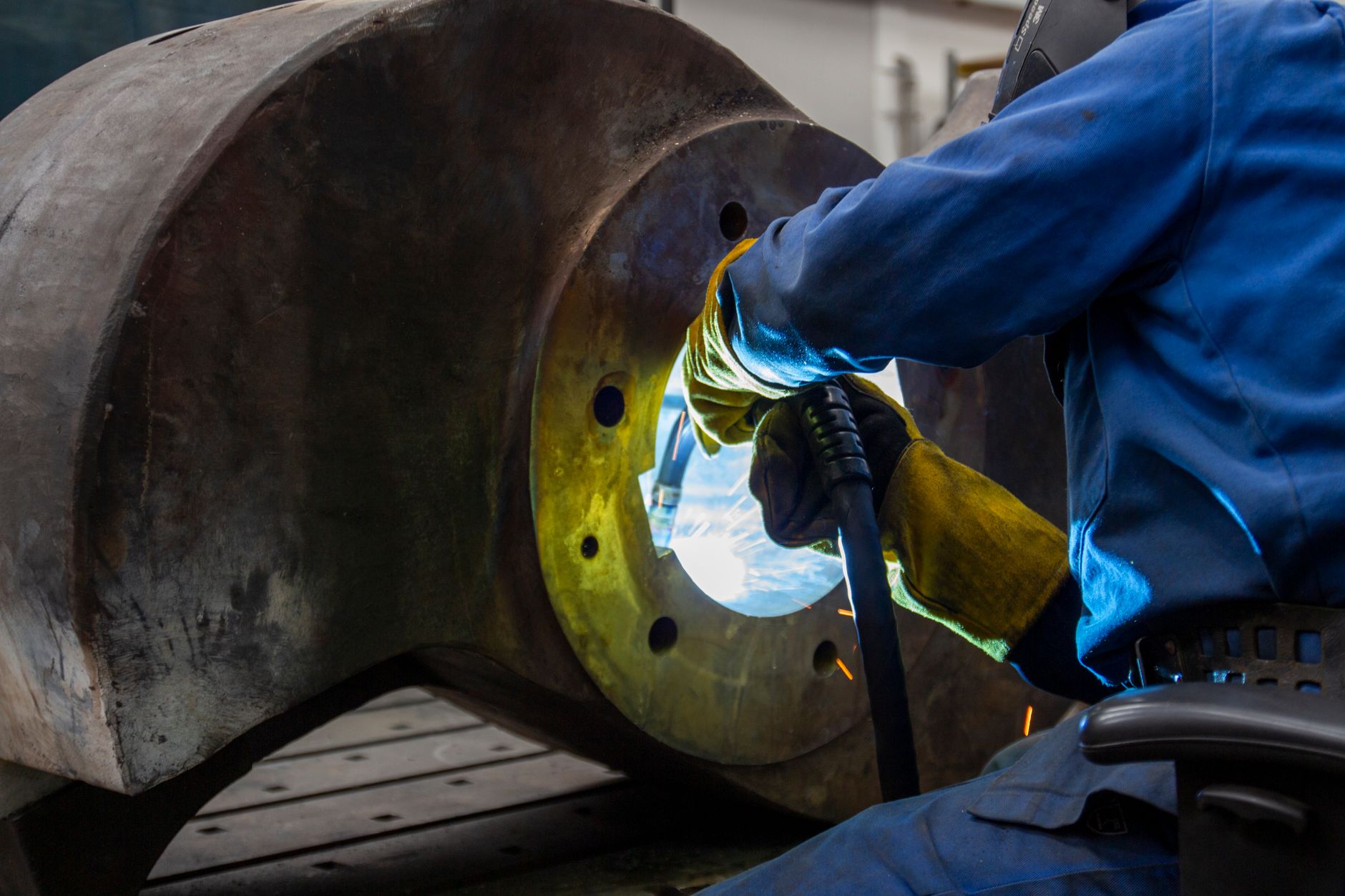
The fabricator brought the problem to an integration partner, which selected a collaborative robot arm carrying portable laser-welding equipment. The cell automated the task of joining the cut edges on the curved stainless-steel component.
This was a tightly bounded application. The robot addressed a known production choke point rather than prompting a plantwide overhaul, giving the team a direct comparison with the established manual process.
The published account does not document a phased rollout, operator-training curriculum, service agreement, safety architecture, or weld-qualification procedure. Those details should not be inferred from the reported result and would need to be defined for any comparable production deployment.
- Identify the edge-welding and finishing bottleneck.
- Pair a collaborative arm with portable laser-welding equipment.
- Automate the edge-joining operation on the curved component.
- Evaluate cycle time, weld surface, throughput, and skilled-labor allocation.
Hours Collapsed Into Minutes
The source reports a 95% reduction in production time. The operation moved from approximately three hours of manual welding and finishing to roughly 15 minutes with the laser-welding cobot. Because both time figures are explicitly approximate, the reported percentage is preserved as published rather than recalculated from rounded endpoints.
Speed was only part of the gain. The automated process produced a smoother finish and a high-quality weld surface, increased throughput for the escalator component, and allowed hard-to-find skilled welders to take on other work around the shop.
The source does not publish unit counts, labor-hour totals, scrap rates, payback duration, or financial returns. The defensible result is therefore narrow and substantial: a dramatically shorter cycle, better surface quality, and greater freedom in allocating welding talent.
From One Proven Task to an Operable Program
This documented project was not a Service Robot Co. deployment. It is an independent real-world example showing why a repeatable weld with heavy finishing content can be a strong candidate for collaborative automation.
Service Robot Co. is a full-service, OEM-neutral commercial robot integrator for US businesses. As a vendor neutral robot integrator, we select equipment across manufacturers, then finance, deploy, integrate, train, and service every unit through a nationwide US engineer network. One vendor carries the whole lifecycle.
For a similar fabricator, that engagement could start with a robot pilot program or collaborative robot arm leasing tied to the actual joint, material, fixture, and acceptance criteria. Robot deployment and integration would then cover cell design, commissioning, operator preparation, and continuing support, with cobot leasing for manufacturing or another financing structure matched to the operation.