
a high-volume California online eyewear fulfillment center
Eyewear Bagging Robot Raises Throughput 80% and Cuts Touches
See how vision-guided robotic bagging raised eyewear throughput 80%, cut manual steps from five to two and brought scanning errors nearly to zero.
- 80%
- throughput increase
- 5
- manual steps before
- 2
- manual steps after
- Near zero
- scanning errors
Based on a documented real-world deployment. Figures are from public reporting; the organization is not named.

Growth Reached the Packaging Line
Rapid growth was feeding more orders into a packaging process that still depended on repeated manual handling. The constraint sat near the end of the fulfillment flow, where every protective case had to be identified, prepared and released accurately into shipping.
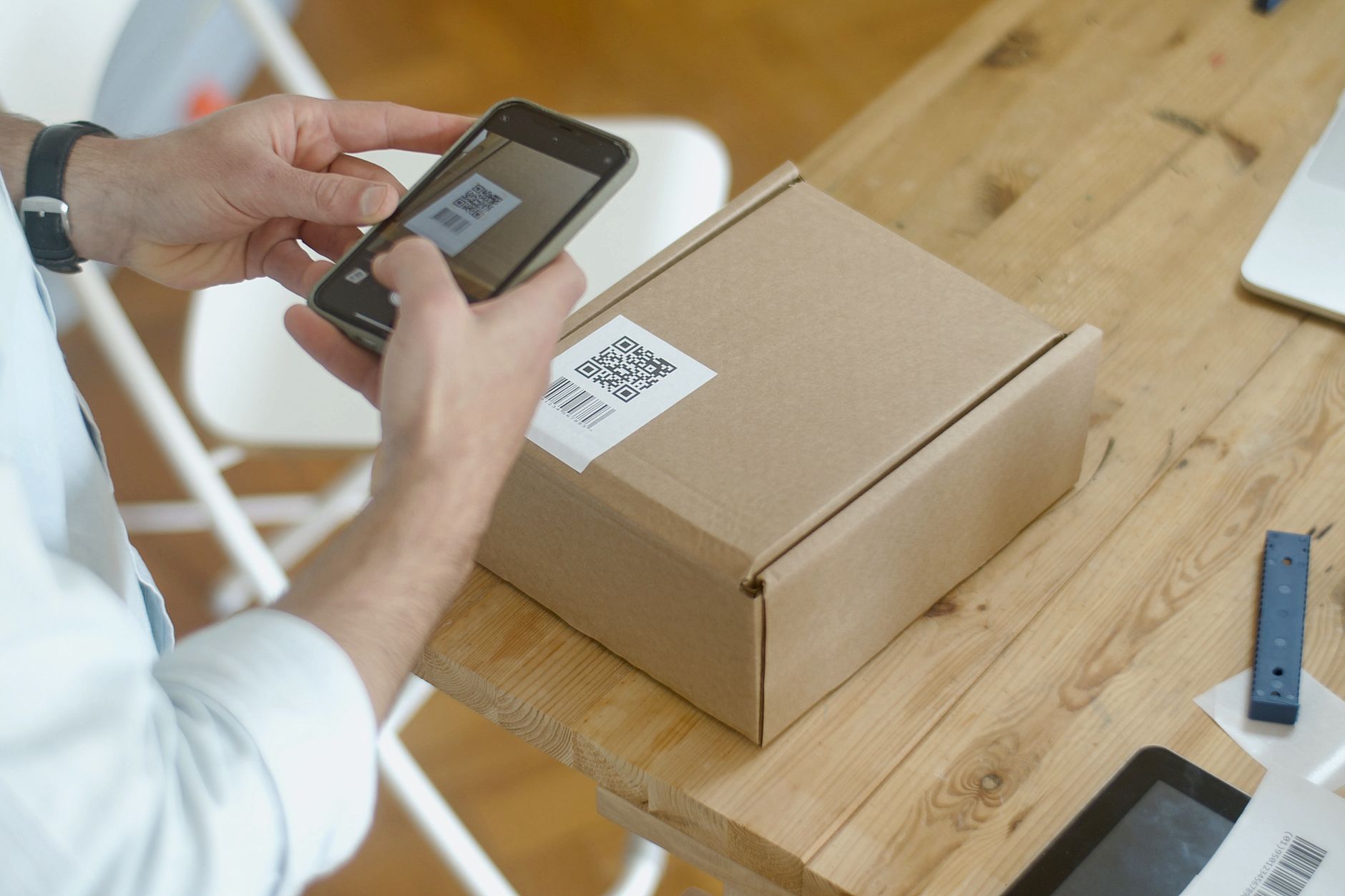
Barcode capture made the task unusually difficult. Each unique code had to be read through an opaque eyeglass case, and earlier automation concepts lacked the perception and flexibility needed to perform that work consistently at speed.
The existing workflow required five manual steps. Raising capacity without sacrificing order accuracy meant treating vision, robotic handling, bagging equipment and the shipping handoff as one coordinated process.
- Read unique barcodes through opaque protective cases
- Reduce repetitive handling at the packaging bottleneck
- Preserve identification accuracy as order volume grew
- Connect robotic handling with bag sealing and the shipping stream
Vision, Handling and Bagging Became One Cell
The operation adopted a vision-guided bagging robot built around machine-learning perception. Integrated scanning technology identified the barcode through the protective case, giving the robot the information needed to handle each item correctly.
The robot picked up the cased eyewear, presented it for scanning and placed it into an automated bagging machine. The equipment then sealed the package and released it directly into the shipping stream, creating end of line automation around the actual constraint.
Hands-on support covered installation, commissioning and ongoing operation. The published account does not describe a phased rollout or an operator training schedule, so neither should be inferred from the documented deployment.
- Define reliable barcode capture as the governing technical requirement
- Combine machine-learning vision, scanning and robotic handling in one cell
- Feed identified items directly into automated bagging equipment
- Seal each package and release it into the established shipping flow
- Support the cell through installation, commissioning and continued operation
More Volume, Fewer Manual Touches
Throughput increased 80% after deployment. At the same time, the packaging workflow fell from five manual steps to two, removing repeated touches from a process that had become a growth constraint.
Integrated vision and machine learning brought scanning errors nearly to zero. The source also reports more consistent quality, reliable end-to-end automation and a fulfillment process better prepared for continued growth.
The result was not simply a faster robot cycle. The operation joined perception, item handling, bagging and shipping release into a coherent production cell, addressing both speed and identification integrity.
What This Pattern Means for Eyewear Fulfillment
This documented deployment was not performed by Service Robot Co. and the fulfillment center is not presented as a Service Robot Co. client. It is a real-world example showing why successful robot deployment and integration begins with the awkward operational detail, in this case reading a barcode through an opaque case.
For a comparable facility, Service Robot Co. serves as a vendor neutral robot integrator. We assess the workflow, select the right equipment across manufacturers, arrange purchase or robot leasing for business, deploy and integrate the cell, train the operating team and service every unit through a nationwide US engineer network.
That full-lifecycle model gives an operator one accountable vendor for selection, financing, commissioning and robot maintenance service. A commercial robot demo or robot pilot program can establish scanning performance and exception handling before a broader phased deployment with no shutdown.
Frequently asked questions
Want a robot working for you?
Tell us the job and the site. We will recommend the robot, quote the lease, and keep it serviced.