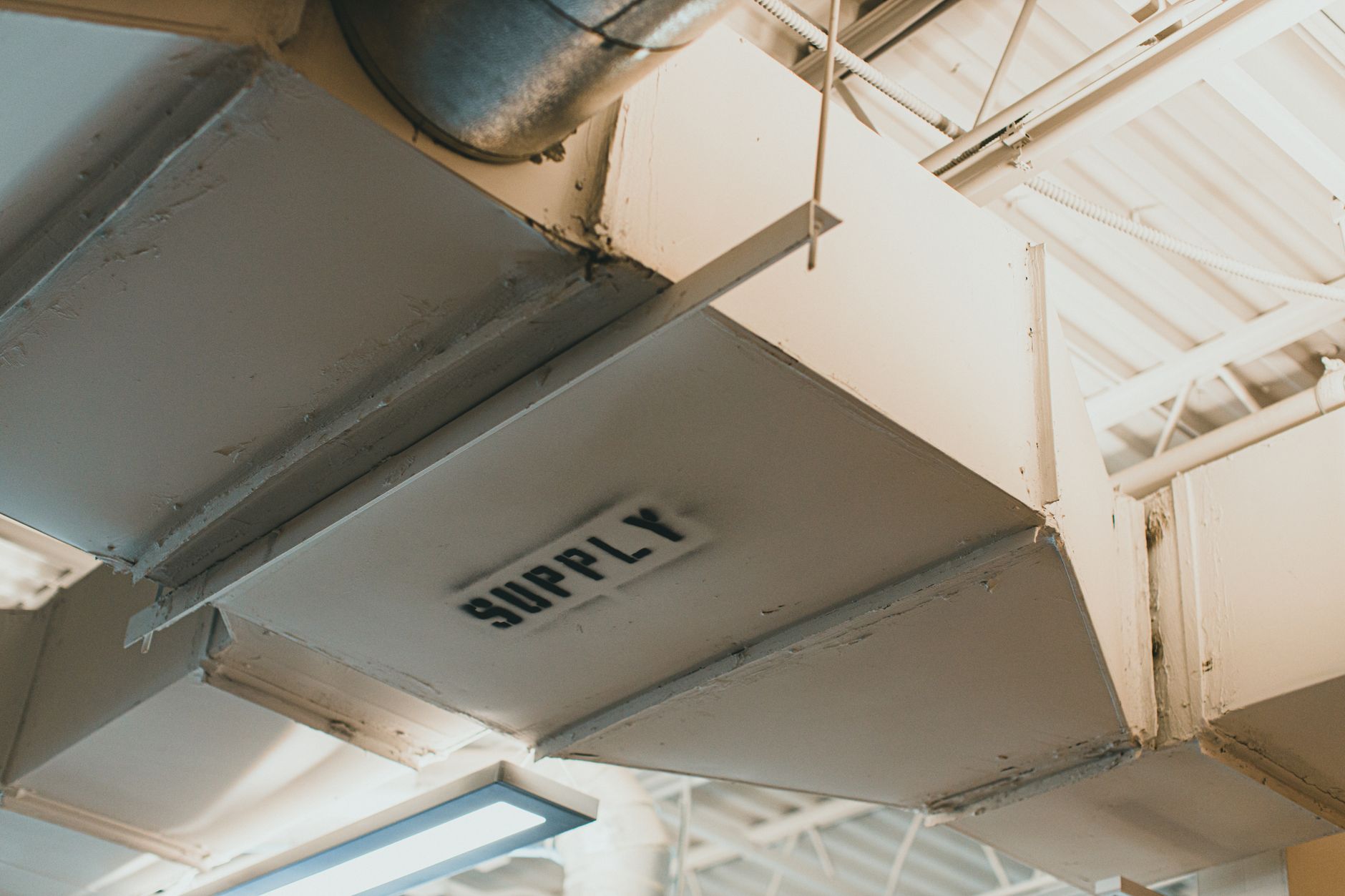
a heating and ventilation equipment factory with a supplies warehouse feeding a newer production line
How an HVAC Plant Freed 3 Hours Per Shift With a Mobile Transport Robot
A documented HVAC factory pilot used a warehouse-to-line mobile robot on an eight-hour shift, saving three work hours per day versus manual trolley runs.
- 3 hrs
- Daily labor saved
- 12 km
- Per shift
- 750 km
- First year
- 8 hrs
- Shift runtime
Based on a documented real-world deployment. Figures are from public reporting; the organization is not named.
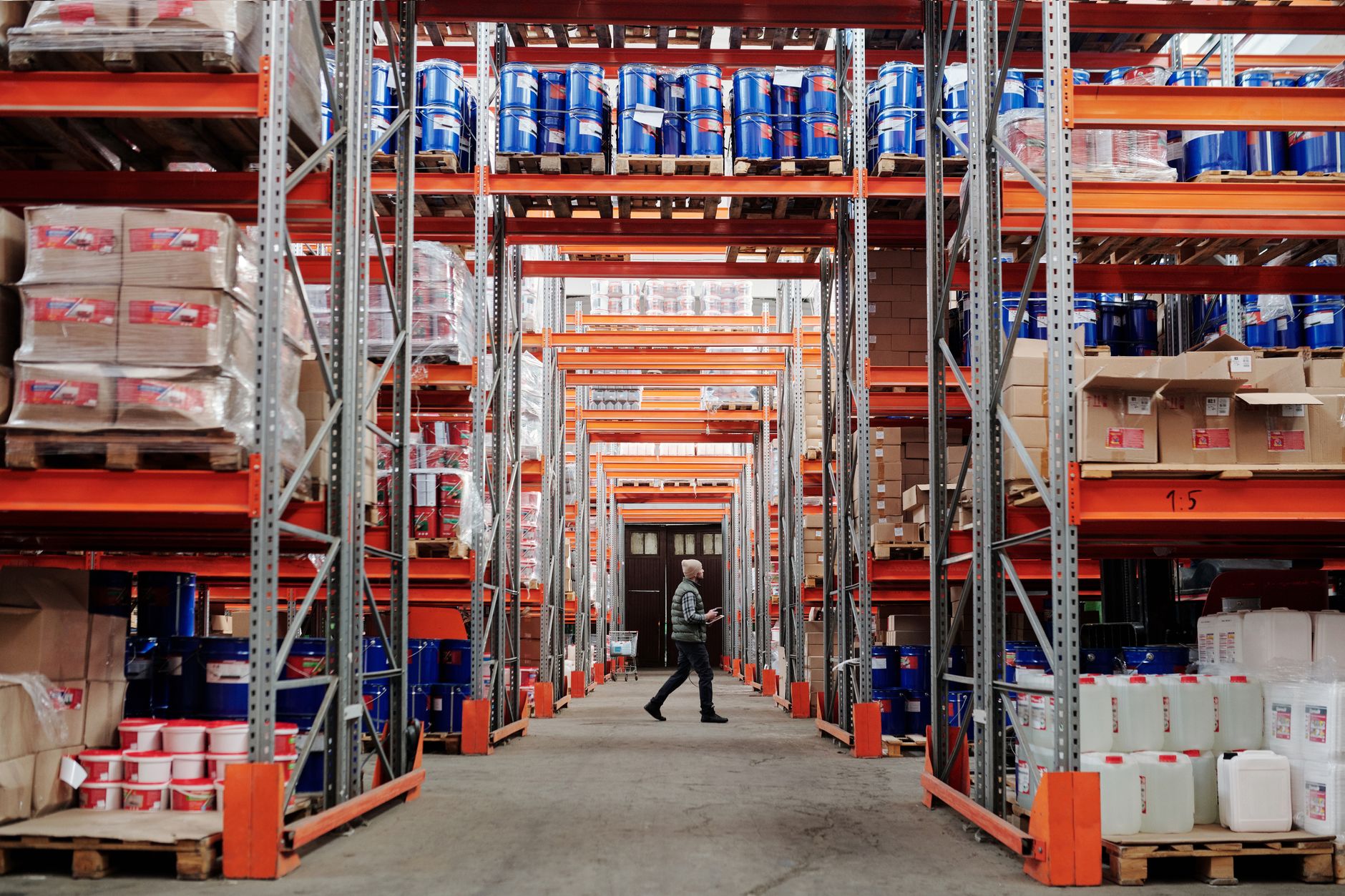
Warehouse runs starving a new line
The factory added a newer production line that needed steady material from a supplies warehouse and a way to pull packaging waste back out without cluttering aisles.
Manual trolley runs tied up production engineering time and invited forklift traffic next to assemblers. Leadership wanted stock at the line without constant human miles.
The team looked for automation that could run a full shift yet stay flexible as SKUs changed.
- Repeat trips between supplies storage and a new assembly line
- Packaging waste hauls on the return path
- Forklift and foot traffic competing in production aisles
Payload-rated mobile robot on a mapped loop
Engineering deployed a mobile transport robot with enough payload for parts kits and outbound packaging, supported by local integrators on route design and safety.
The unit ran an eight-hour shift each day, traveling up to about twelve kilometers per shift while keeping stock at the line.
By removing forklift trips through the production area, the plant aimed for steadier flow and fewer aisle conflicts.
- Map warehouse-to-line and return waste routes
- Validate payload and clearance with production engineering
- Run the robot for a full shift before expanding SKUs
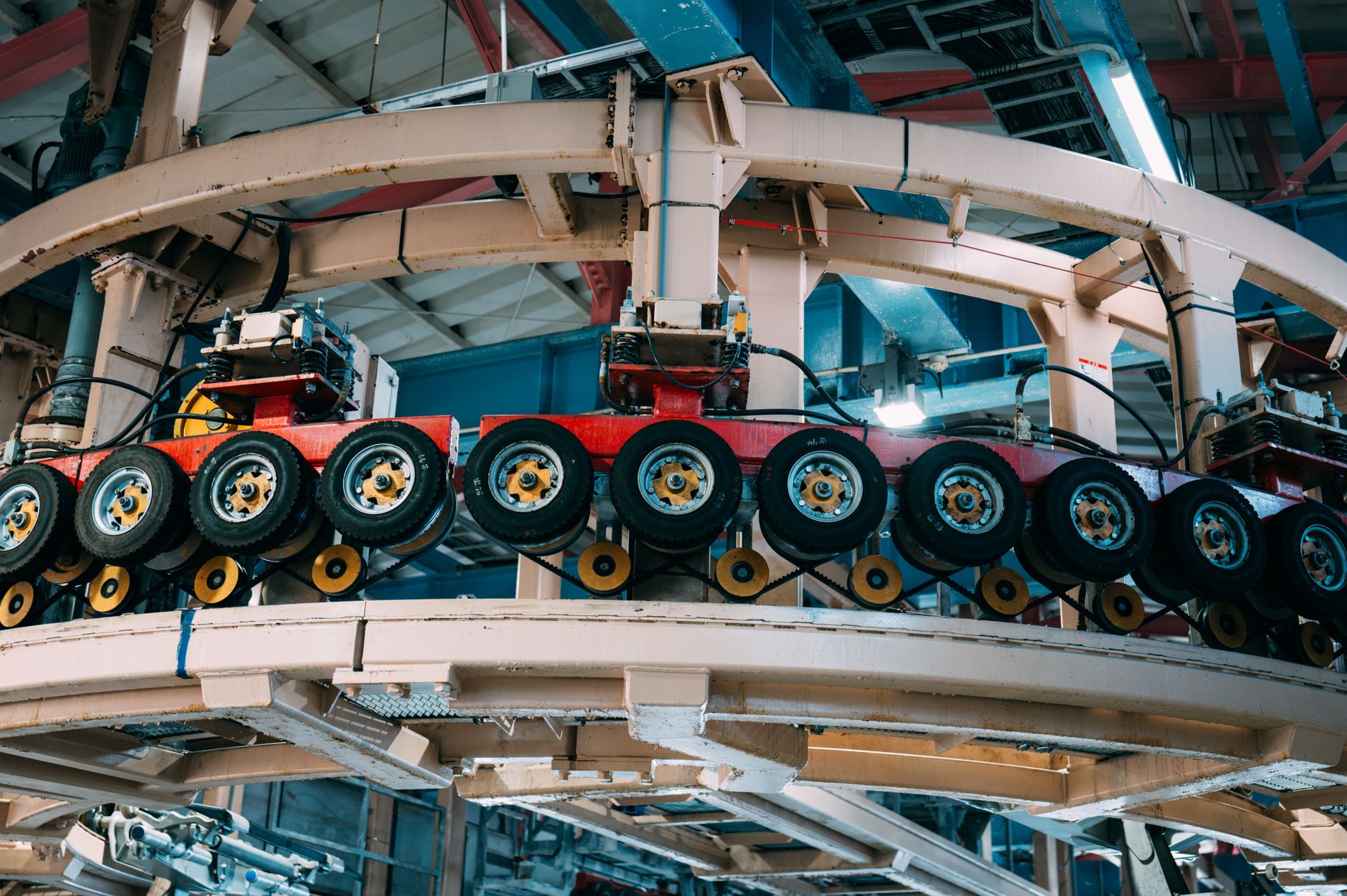
Measured hours and distance
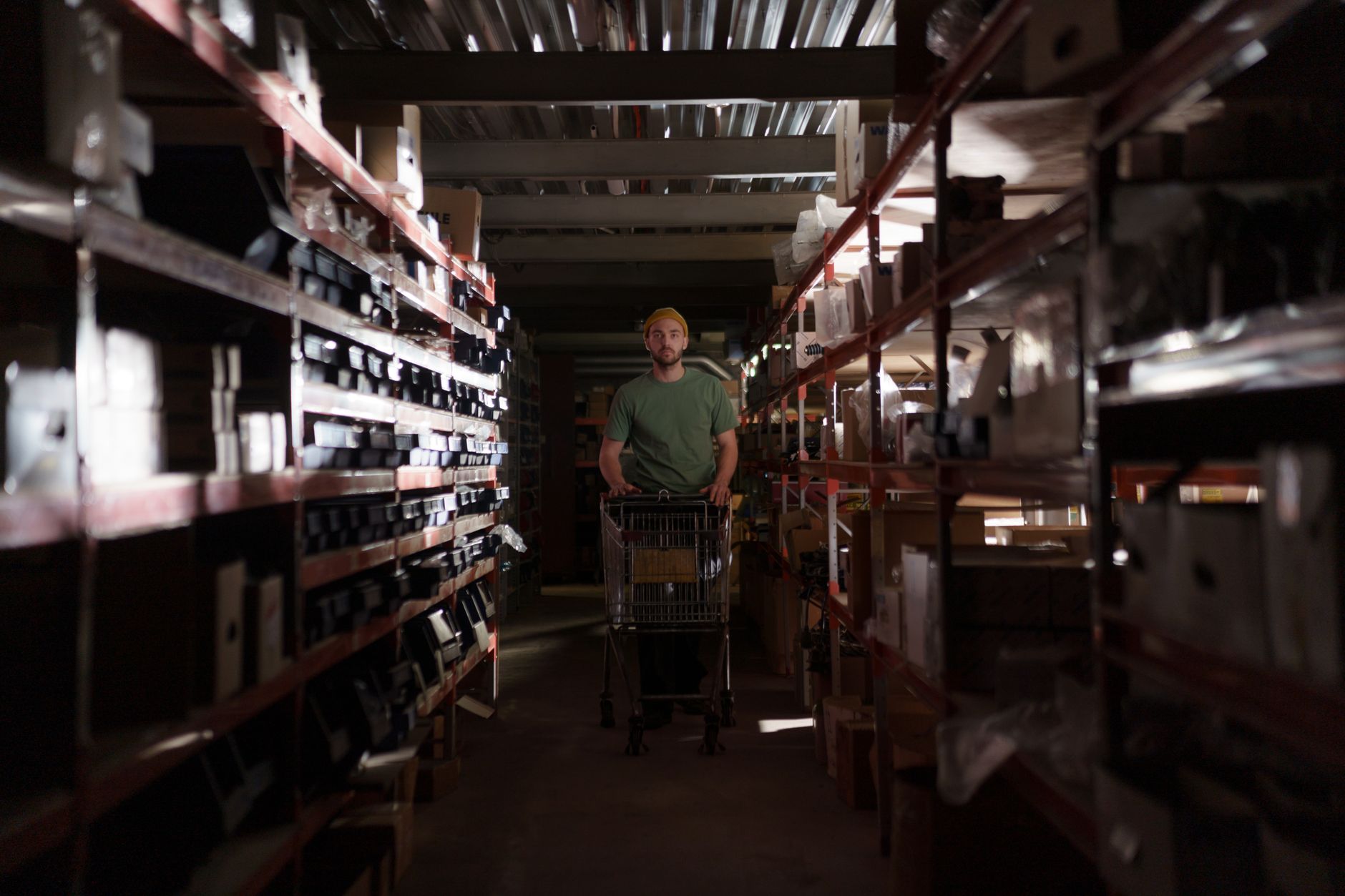
Production engineering reported about three work hours saved per day compared with a worker performing the same trolley task.
In the first year the robot logged about seven hundred fifty kilometers, with up to twelve kilometers in a single shift.
Material levels at the line stayed steadier while staff focused on value-added work instead of walking miles with carts.
What US plants can mirror
This is not a Service Robot Co. deployment. It is a published HVAC manufacturing example of autonomous mobile robot rental logic on a warehouse-to-line loop.
Service Robot Co. helps US operators compare tug-style AMRs, finance month to month programs, integrate with WMS or ERP when needed, and service fleets nationwide.
If your pain is measured in daily walking hours, not novelty, start with one loop and the same three-hour benchmark.