
a small ignition-transformer factory in South Korea
Two Cobots Raise Daily Output 123% and Cut Costs 8%
See how a small South Korean ignition-transformer factory used two pick-and-place cobots to lift daily production 123% and cut manufacturing costs 8%.
- 123%
- daily production increase
- 8%
- manufacturing cost reduction
- 300 to 720
- pieces produced per hour
- Near 0%
- product supply defects
Based on a documented real-world deployment. Figures are from public reporting; the organization is not named.
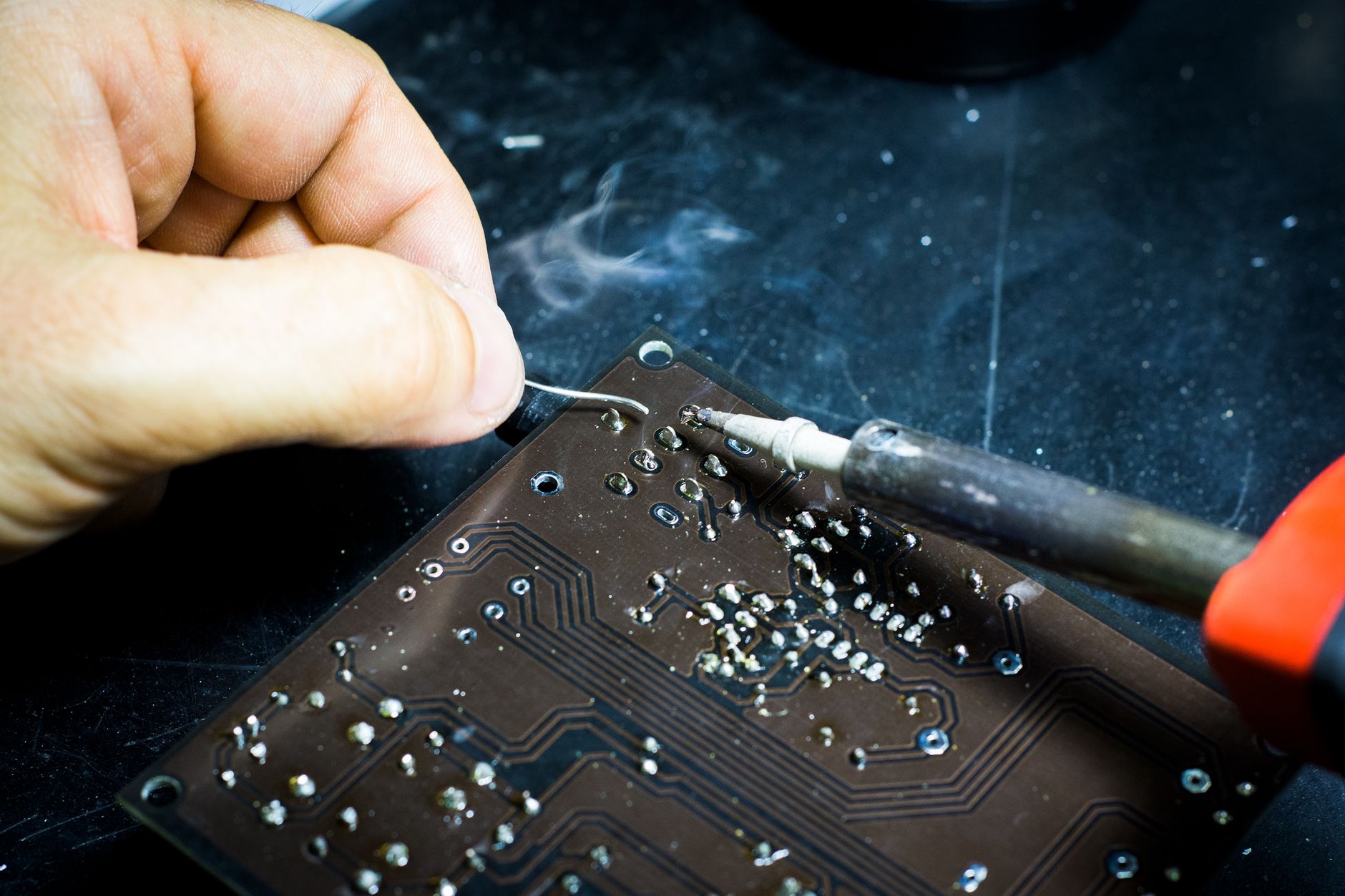
Repetitive Transfers Constrained the Line
Workers manually picked up and moved small ignition transformers through soldering, inspection and marking. The motions were simple, but their relentless repetition created fatigue and frequent feeding mistakes.
The factory needed more output and lower manufacturing costs without compromising the working environment. Any automation also had to operate safely beside employees and remain flexible enough for the production floor.
- Reduce fatigue from repetitive pick-and-place work
- Prevent feeding errors between production operations
- Increase throughput while controlling manufacturing costs
- Preserve safe collaboration between workers and equipment
Two Cobots Took Over the Recurring Handoffs
The factory compared multiple cobots and made worker collaboration, safety and flexibility its leading selection criteria. A 3 kg payload was sufficient because each ignition transformer weighed less than 1 kg.
Two cobots were installed with help from a local integration partner. They picked up and transferred components for soldering, inspection and marking, while employees prepared production and maintained and managed the equipment.
The published account does not specify a pilot duration, phased rollout, formal training program or continuing service contract. Those details should not be inferred from the documented outcome.
- Identify the repetitive transfers causing fatigue and feeding mistakes
- Choose equipment around payload, worker proximity and production flexibility
- Install two cobots at the relevant handoff points
- Give plant personnel responsibility for preparation, maintenance and routine management
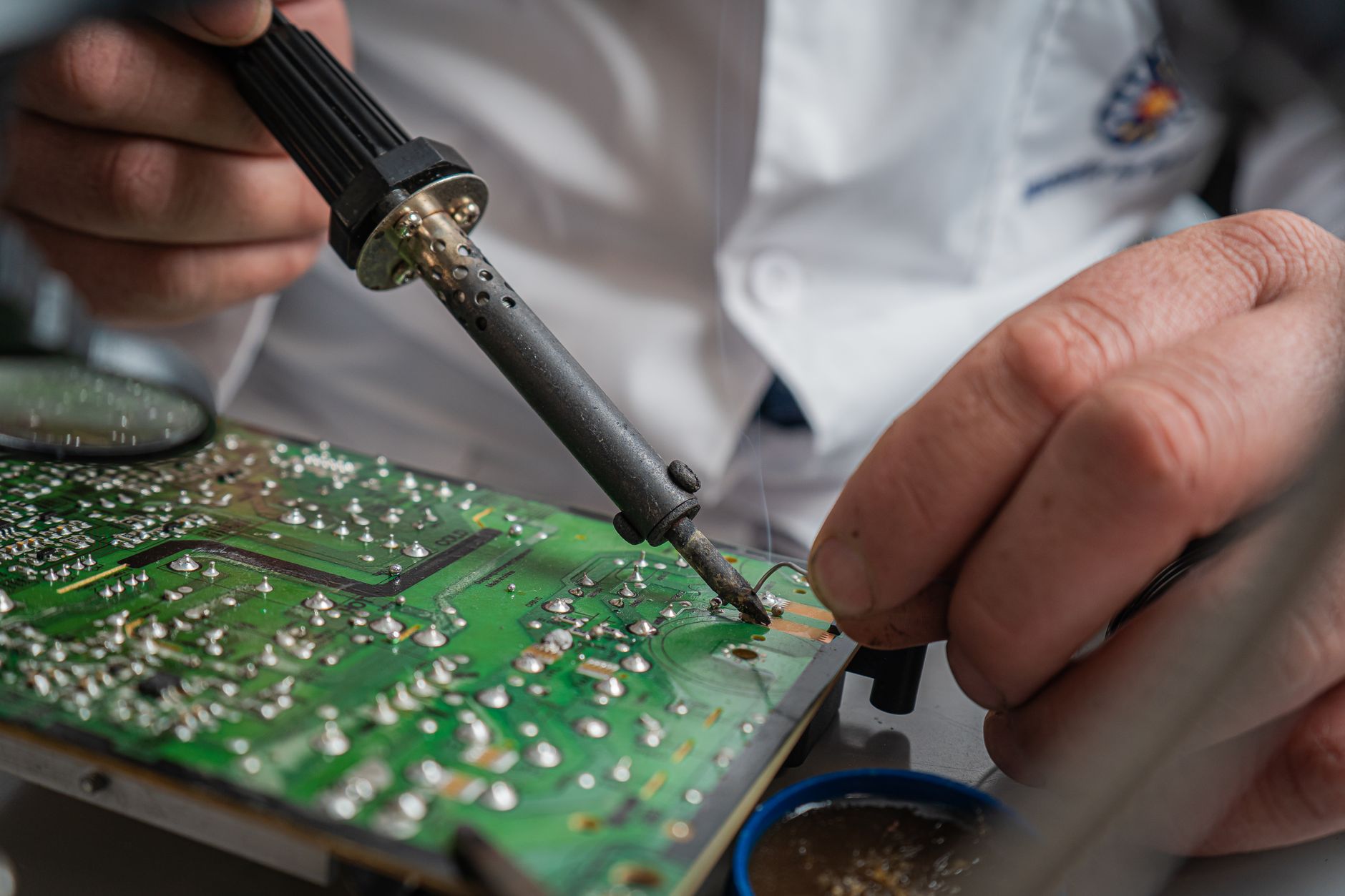
Output Climbed While Defects Nearly Disappeared
Hourly production rose from 300 pieces to 720 pieces, reported as a 140% increase over the prior year. Across the operation, daily production increased approximately 123%.
The throughput gain did not come with higher unit economics. Manufacturing costs fell approximately 8%, while defects associated with product supply dropped to about 0%.
The human result mattered too. By removing the recurring pick-and-place motions, the factory reduced production-worker fatigue and redirected employees toward preparing, maintaining and managing the automated process.
A Practical Pattern for Smaller US Manufacturers
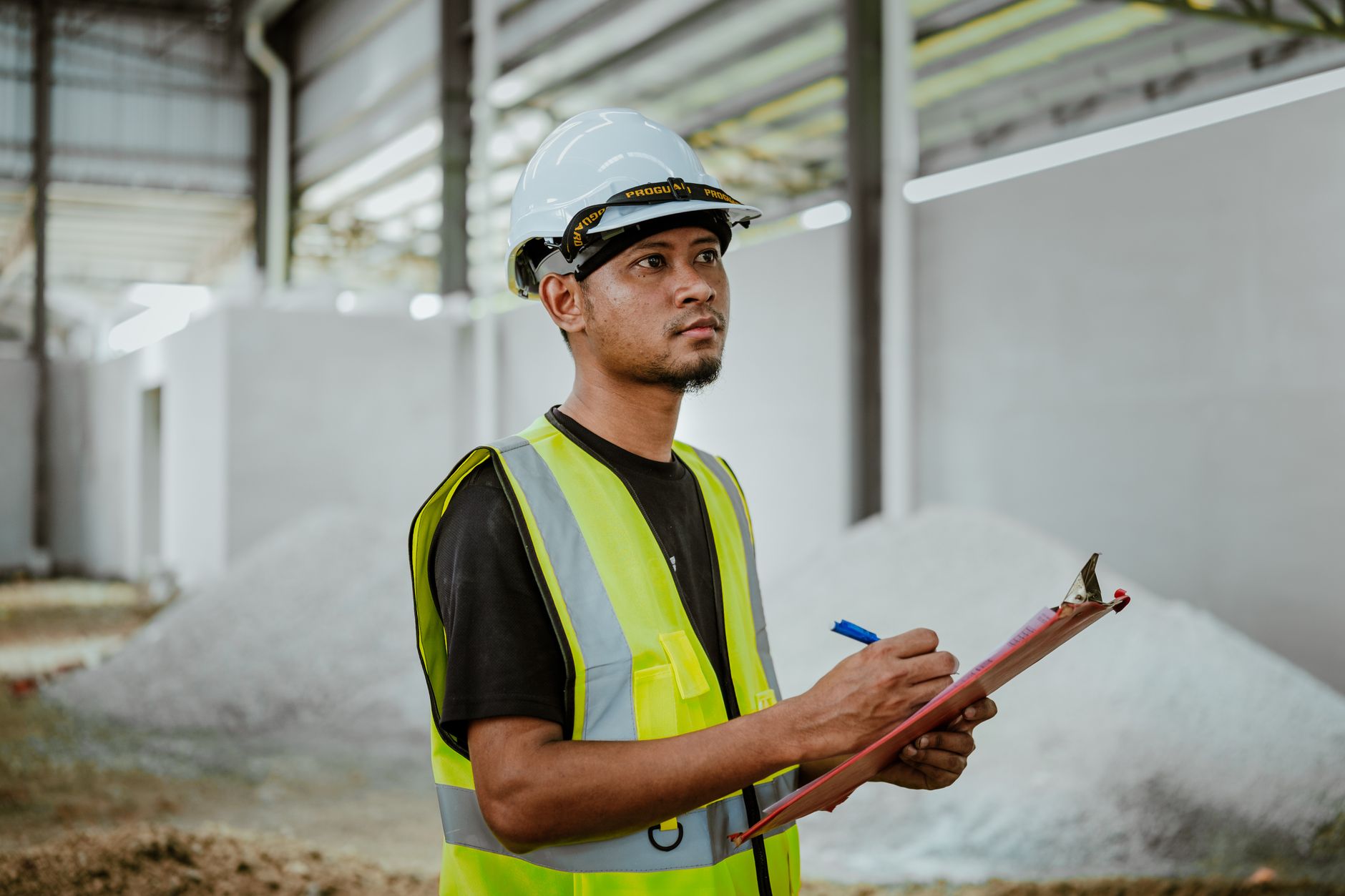
This documented deployment was not a Service Robot Co. project. It is a useful operating benchmark because it shows how a tightly bounded material-transfer task can influence throughput, cost, quality and ergonomics at the same time.
For a US electronics producer, the first move is disciplined task analysis. Service Robot Co. acts as a vendor neutral robot integrator, selecting across manufacturers and handling robot deployment and integration, training and continuing service through a nationwide US engineer network.
Commercial structure matters as much as arm selection. Service Robot Co. can evaluate collaborative robot arm leasing, cobot leasing for manufacturing and robot financing for small business, then support the chosen equipment through one accountable vendor across its lifecycle. A free site assessment can establish the real process baseline before any performance target is proposed.