
a golf club in northern Illinois
How an Illinois Golf Club Saved Two Hours a Day on Range Ball Collection
A northern Illinois golf club used an autonomous range mower and ball picker to reclaim at least two staff hours daily and handle up to 12,500 range balls in season.
- 2+ hrs
- Daily labor freed
- 12,500
- Balls/day in season
- 2-3 mph
- Programmed speed
Based on a documented real-world deployment. Figures are from public reporting; the organization is not named.
Range work that never really ends
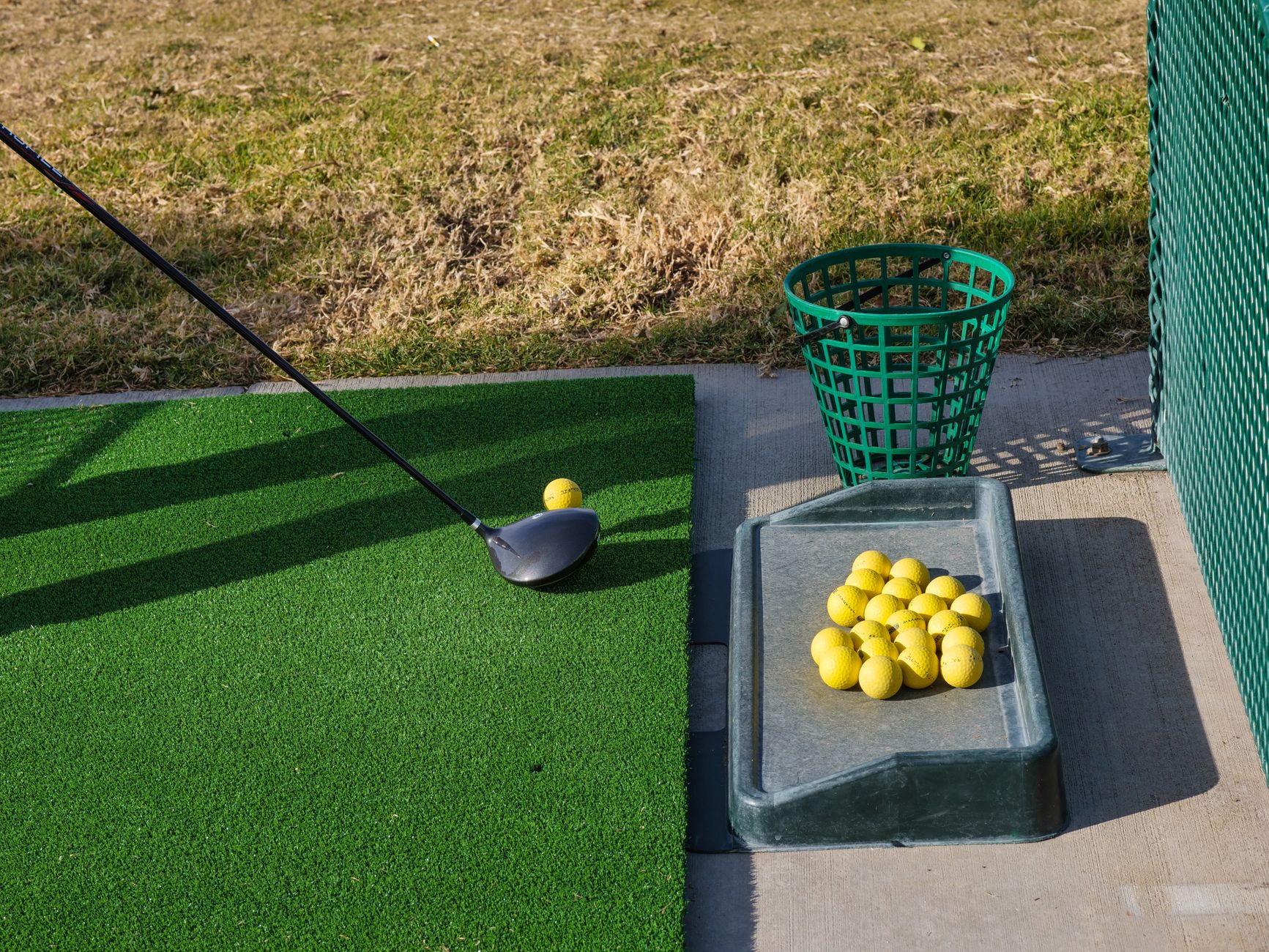
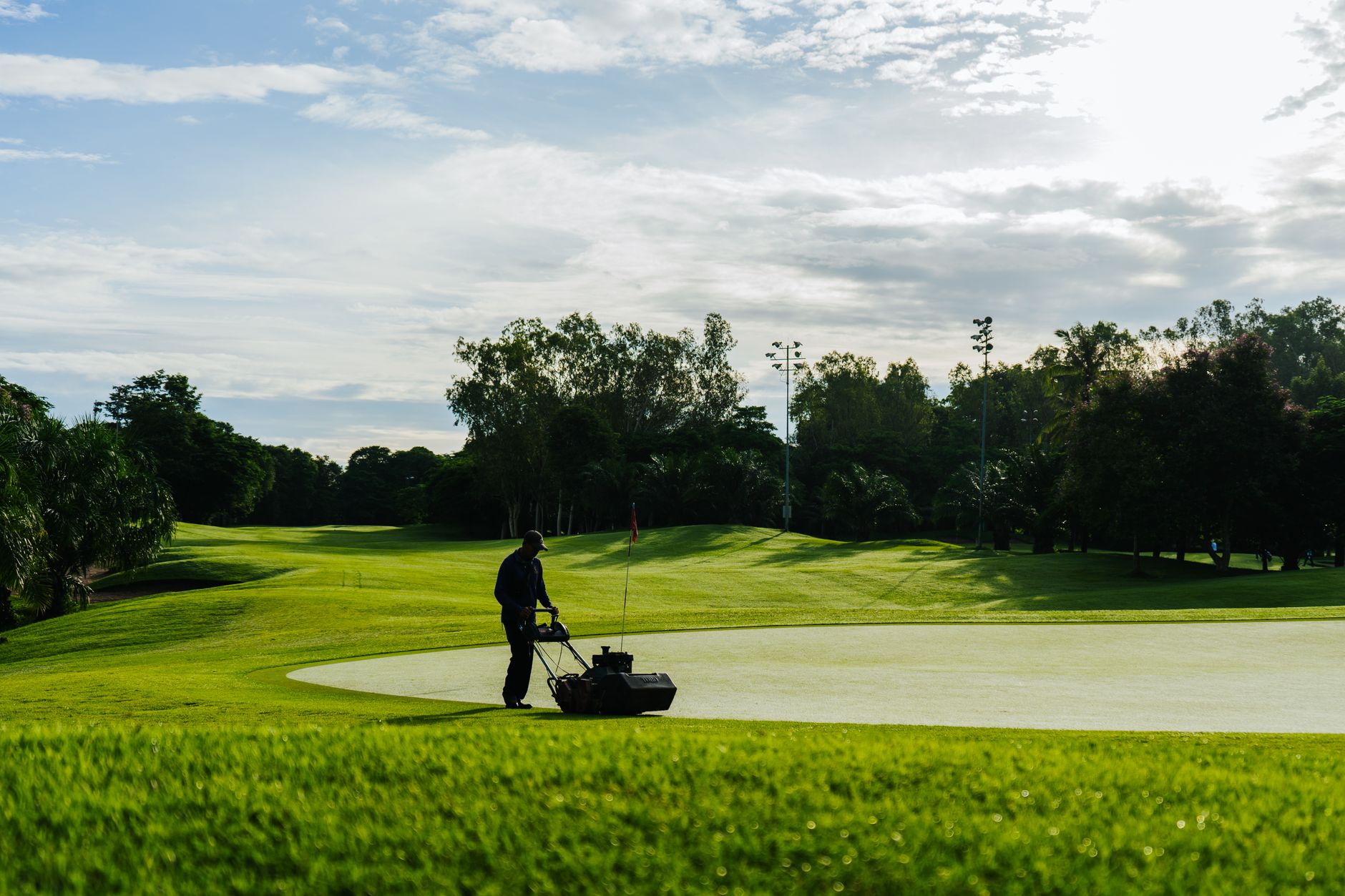
A golf club in northern Illinois runs a busy practice range that has to look tournament-ready while staff juggle fairways, bunkers, and member events. Mowing the range and collecting balls used to mean closing the tee line or pulling people off detail work when labor was already thin.
Traditional ball pickers and heavy mowers added wear on balls, noise for neighbors, and safety exposure for operators riding equipment in tight traffic. Leadership wanted a steadier cut, fewer burned hours on repetitive loops, and a way to keep the range open for practice.
Pilot on the range first
The club partnered with a local autonomous outdoor installer to trial an all-electric dual unit that mows and collects balls on a wired perimeter, similar to an invisible fence for outdoor robots. Charging stations at a base location power the machine, while managers monitor runs from laptops and phones.
The crew programmed cut heights between three-quarters of an inch and four inches and let the unit travel at about two to three miles per hour on schedule. A guard on the mowing deck was meant to protect range balls from the damage conventional pickers sometimes cause.
- Map the range boundary and lay perimeter wire
- Set mowing and ball-collection routes remotely
- Run day or night without closing the tee
- Inspect blades and turf contact on a regular cadence
Hours back on the scorecard
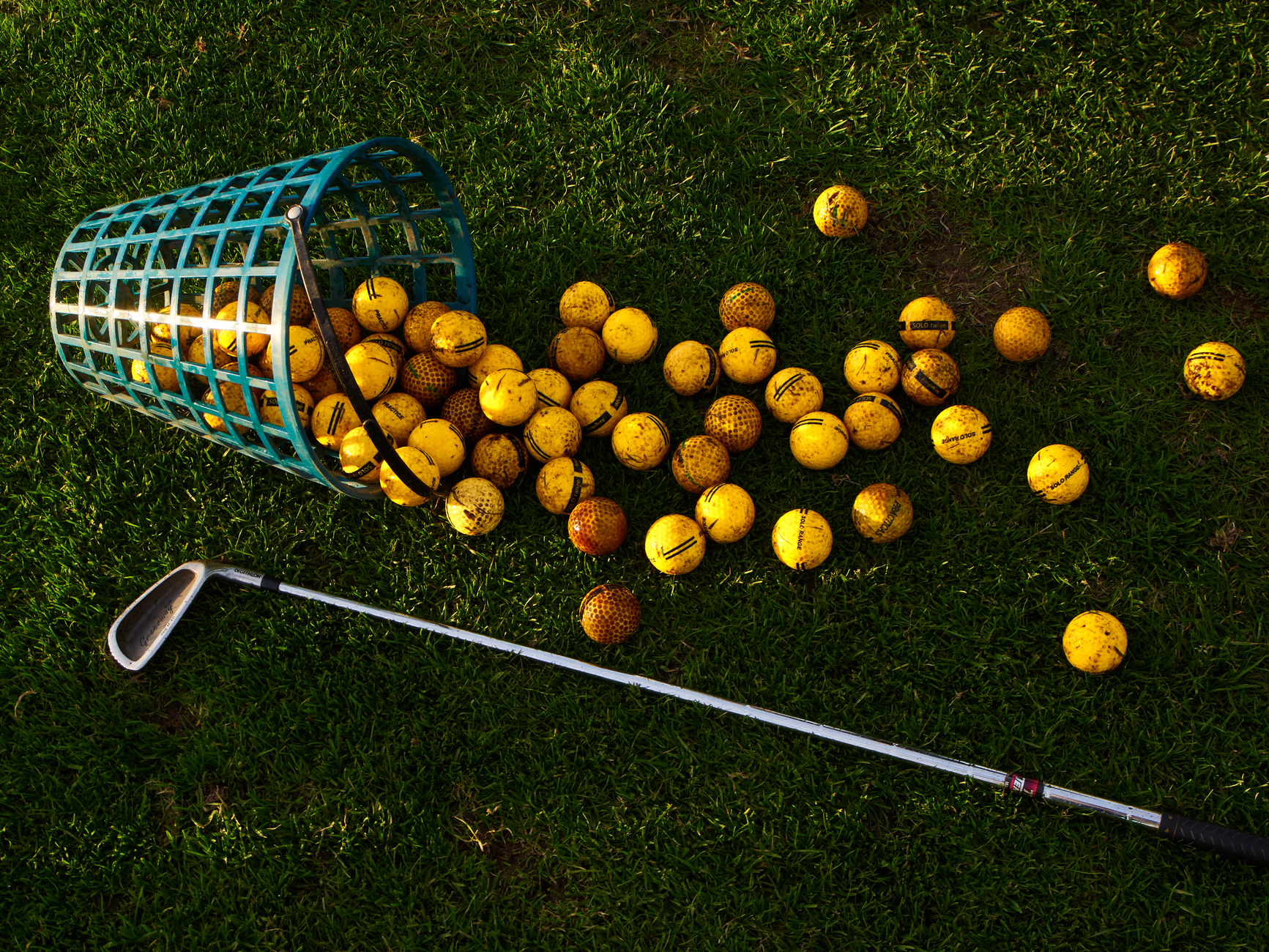
Club leadership told Club + Resort Business in November 2022 that ball collection alone saved at least two hours of staff time every day during the season. The same unit was reported to pick up to 12,500 range balls daily in season and dump them at a chosen point.
Managers also cited a healthier, more consistent cut, lighter equipment that could mow in wet conditions with less turf damage, and lower operating cost than gas mowers. They estimated total annual savings from robotic mowing at up to $25,000, with members commenting on the modern range operation and junior programs showing more interest in maintenance careers.
What this means for your course
This deployment was not run by Service Robot Co. It is a documented example of how a range-first autonomous mower can buy back hours before a club scales to fairways. For superintendents comparing buy or lease paths, the lesson is to map labor by task: ball collection often hides in plain sight.
Service Robot Co. takes a vendor-neutral view of the same problem. We help US courses select autonomous mowers and supporting robots for clubhouses and cart paths, finance through purchase or lease, deploy with mapping and training, and service units through RoboCare and a nationwide network of regional engineers. A free site assessment can show whether range automation is the right first robot, not the last one you consider.