
a 2.4 million tons-per-year cement plant in Indonesia
Indonesian Cement Plant Cuts Unplanned Downtime 45% With Robotic Inspection
A 2.4M tons-per-year cement plant in Indonesia used robotic inspection to catch problems early. Vendor-reported: 45% less unplanned downtime in 18 months.
Deployment at a glance
- 45%
- Less unplanned downtime, vendor-reported
- 18 months
- Window over which the downtime cut was measured
- $1.9M
- Annual savings, vendor-reported
- 2.4M t/yr
- Annual capacity of the plant studied
Based on a documented real-world deployment. Figures are from public reporting; the organization is not named.
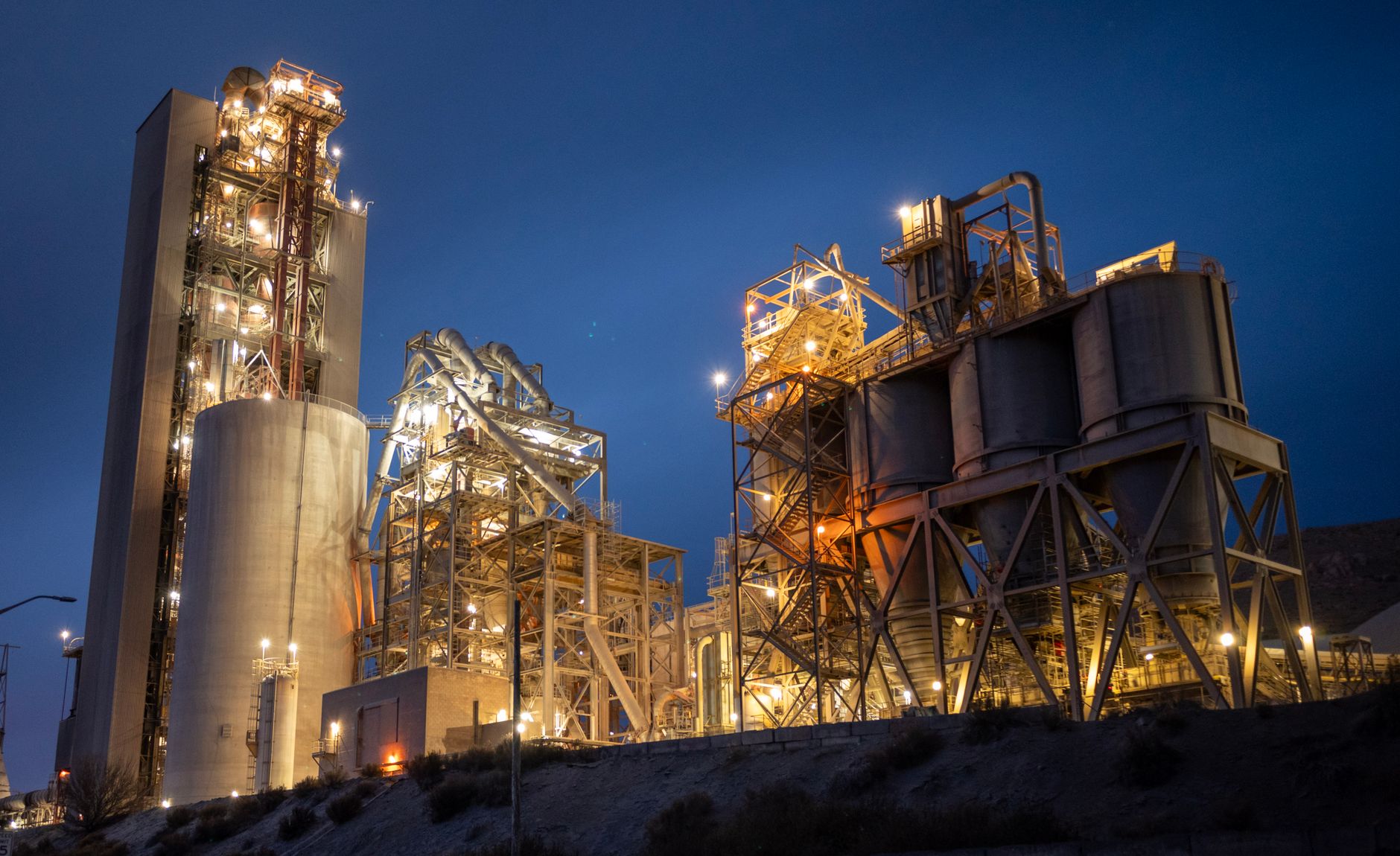
A line that could stop without warning
A cement plant of this size runs as one long chain of equipment. When a single component fails, output halts across the line, and the cost lands in lost tons, overtime and repair crews working against the clock.
Much of the trouble that threatens such a line builds quietly. Wear, heat and vibration create faults that often announce themselves only once they have started to stop production, which is the moment planners can least afford.
Robotic inspection feeding the maintenance system
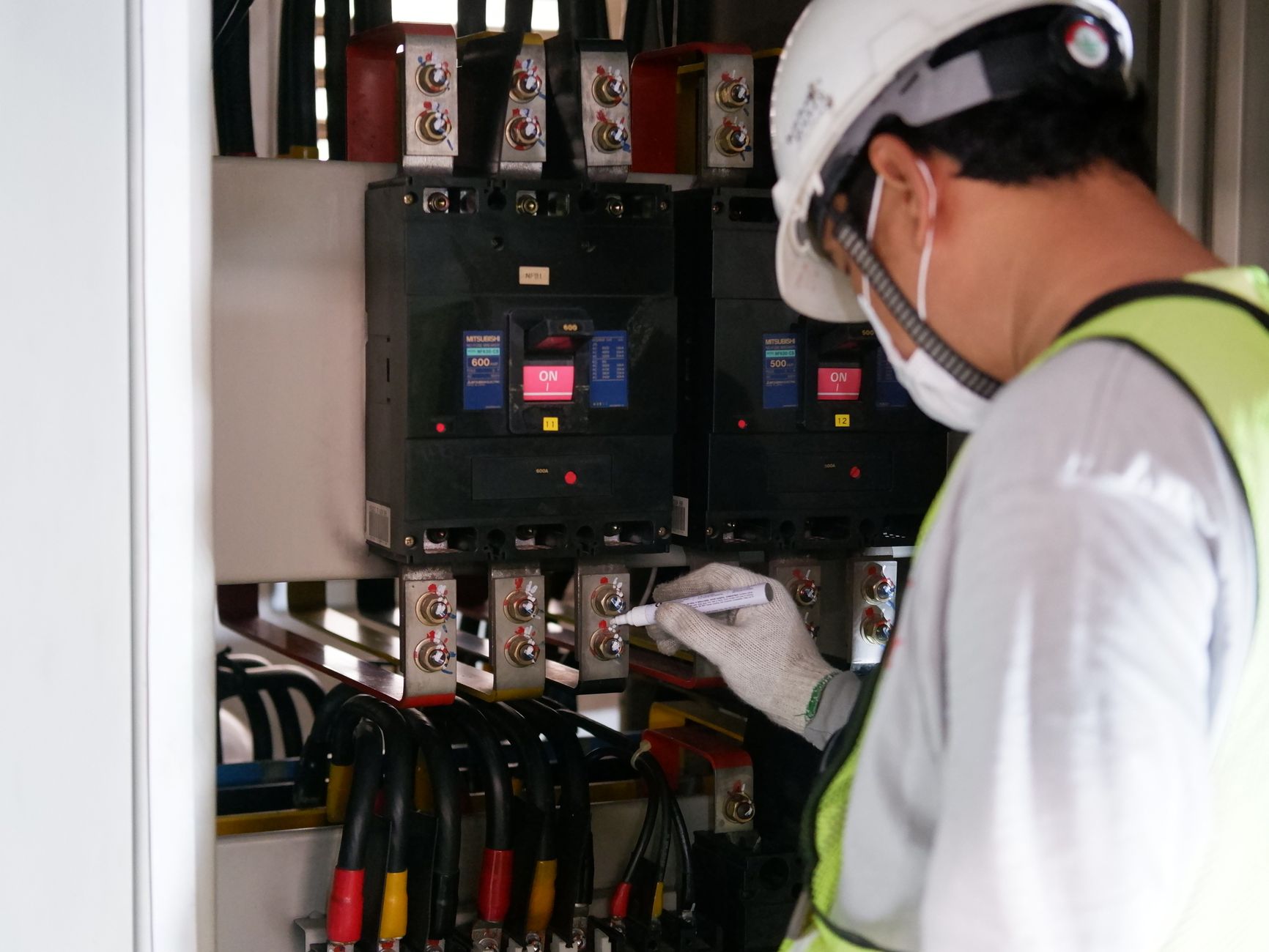
The plant introduced robotic inspection to examine critical equipment on a regular schedule, watching for early signs of faults before they could halt the line. The goal was to shift maintenance from reacting to breakdowns toward acting on findings while there was still time to plan the work.
Inspection results were connected to the plant's maintenance management system, so a finding could become a tracked work order instead of a note in a report. That link is what turned the robots' observations into scheduled action.
- Schedule robotic inspection rounds across critical equipment
- Route each finding into the maintenance management system
- Prioritize repairs before a fault can stop production
45% less unplanned downtime over 18 months
Over 18 months, the plant reported a 45% reduction in unplanned downtime. The vendor puts annual savings at about $1.9 million.
Both figures are vendor-reported. Read them as the scale of change the vendor describes, and as a reason to measure your own stop history before drawing conclusions for another plant.
What a program like this asks of a plant
Service Robot Co. is an OEM-neutral commercial robot integrator for US businesses. We select the right robots across manufacturers, then finance, deploy, integrate, train and service every unit through a nationwide US engineer network, so one partner covers the whole lifecycle.
Inspection programs succeed or fail on the same points: choosing the right platform, wiring findings into the systems a maintenance team already uses, and keeping robots in service. Service Robot Co. offers robot lease options on a 3-year lease, with one fixed lease quoted after a site assessment, so a plant can start with one leased unit and widen the program once results are in.
This study is a documented example we analyze. It is not a Service Robot Co. deployment, and the robot supplier behind it is not named here.
Frequently asked questions
Want a robot working for you?
Tell us the job and the site. We will recommend the robot, quote the lease, and keep it serviced.