a complex indoor commercial construction site in Japan
How Indoor Construction Patrols Fell From 60 Minutes to 10 With Docked Drones
A Japanese indoor build cut progress patrols from an hour plus analysis to ten minutes using docked autonomous drones. See the trial numbers and what US owners can borrow.
- 10 min
- Per patrol
- 56
- Trial missions
- 6x
- Faster rounds
- 3 mo
- Pilot window
Based on a documented real-world deployment. Figures are from public reporting; the organization is not named.
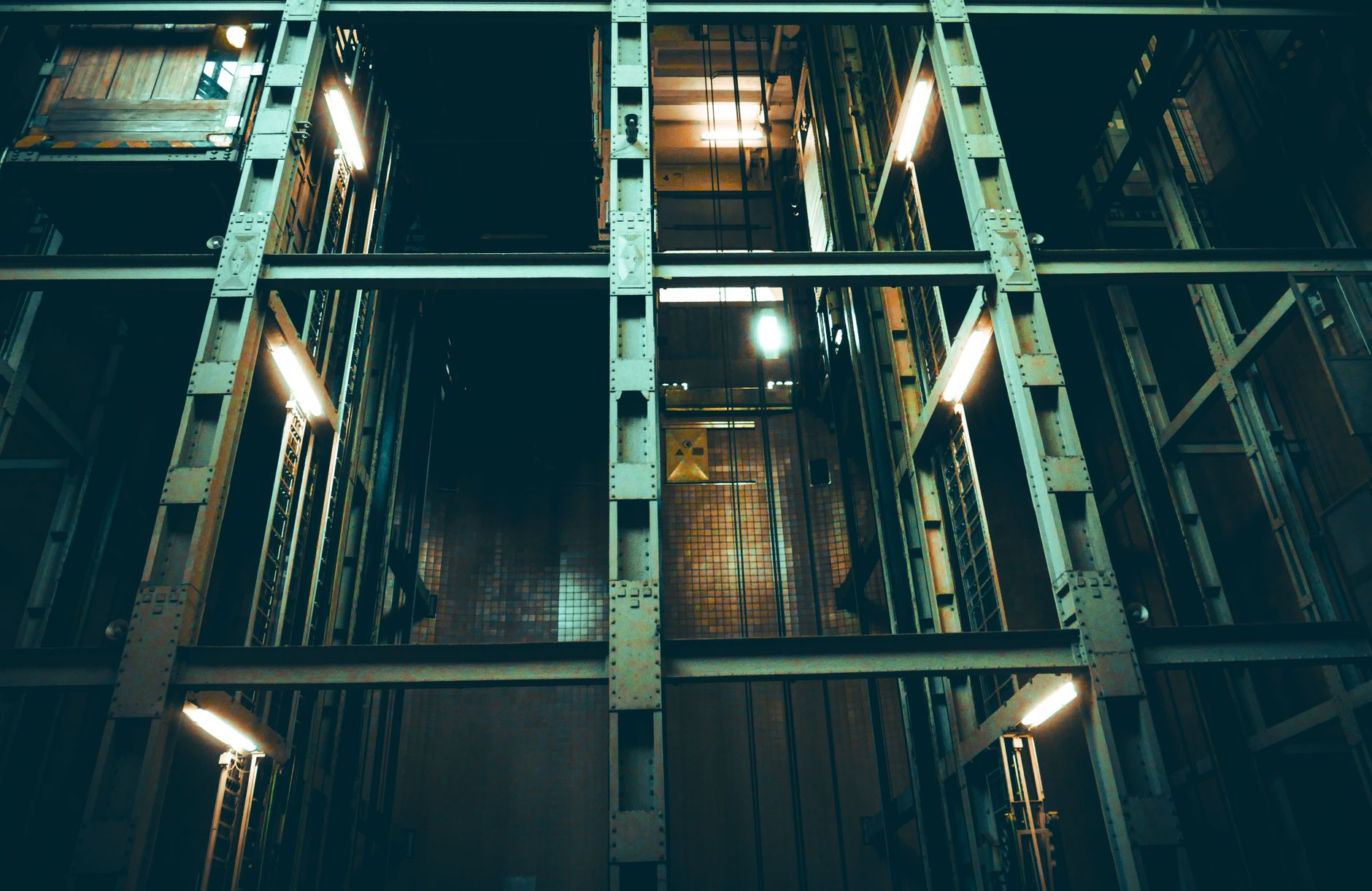
Hour-long walks through a live indoor build
A complex indoor commercial construction site in Japan runs several active projects at once, each with tight documentation expectations and fewer people available to walk them. The legacy routine sent someone through the structure for about an hour, then spent another hour turning notes and photos into a progress record managers could trust.
Outdoor drone trials had already happened, but indoor steel, temporary walls, and congested pathways demanded a pilot on the stick plus a visual observer. That pairing ate the same scarce supervisors the site was trying to free up.
- Manual patrol plus analysis consumed roughly two hours per cycle
- Indoor clutter made handheld flights labor intensive
- An aging field workforce increased pressure to automate walks
Docked autonomous flights on a fixed schedule
The team paired a communications partner with the general contractor to install a docked autonomous aircraft system sized for tight indoor bays. Remote operations software launched pre-planned routes, handled automatic takeoff and landing, and recharged the aircraft between sorties without sending a pilot into the dust and rebar.
Managers reviewed live video from field offices instead of hiking out for every question. Over a three month pilot they logged 56 inspection missions while refining routes and access rules.
- Schedule recurring patrols from a remote desk
- Stream video to supervisors during each sortie
- Keep aircraft on the dock for automatic charging
- Limit crew exposure in unfinished zones
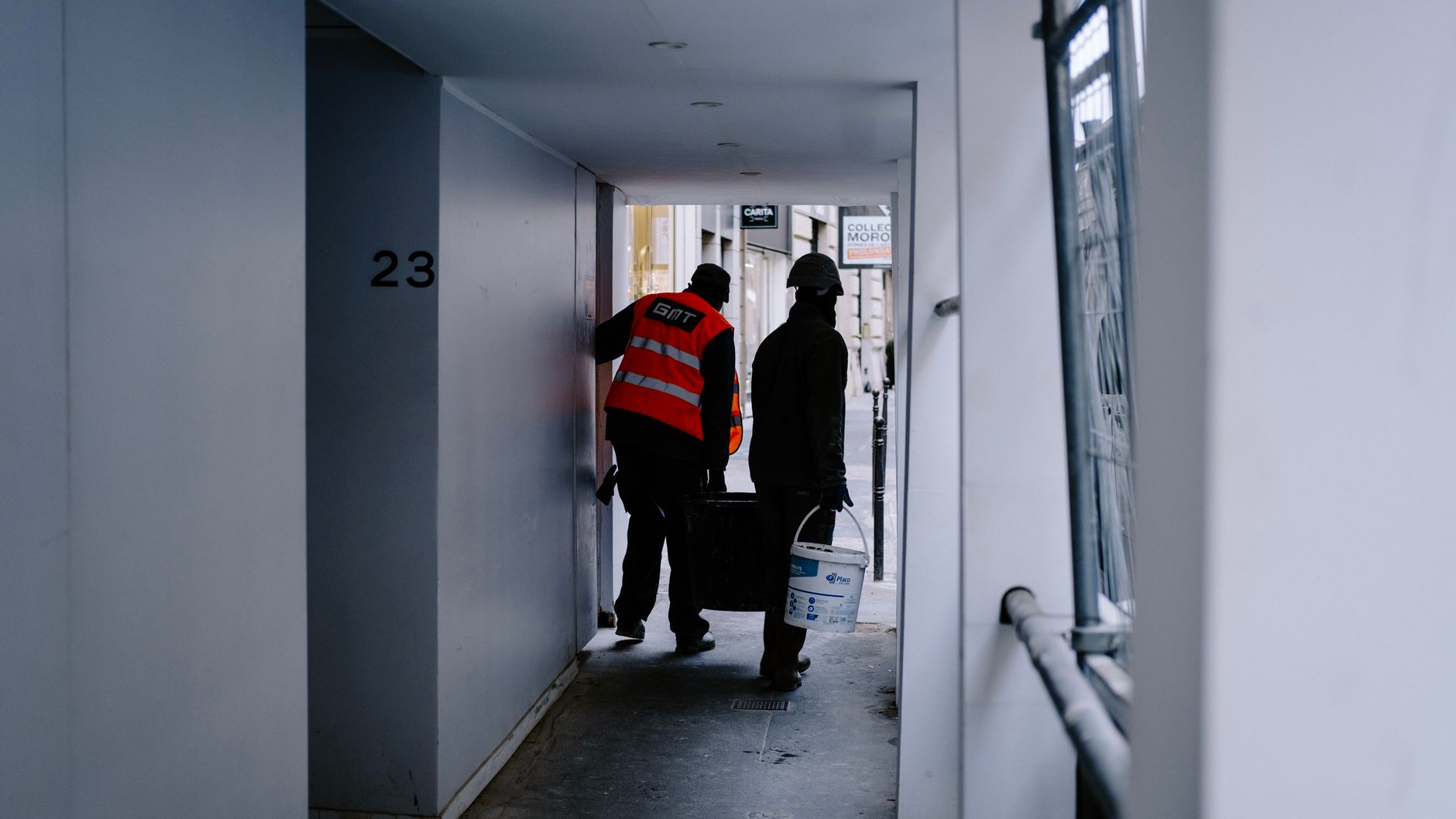
Patrol time dropped to one sixth of the old routine
Each progress patrol fell from about 60 minutes of walking and setup to roughly 10 minutes of autonomous flight time, a sixfold gain the published trial highlights. Fifty six missions across the pilot window showed the dock could repeat without daily reconfiguration.
Office staff spent less time shuttling between trailers and active decks, and leaders could spot lagging trades earlier because imagery arrived while work was still in motion.
What US builders can take from the trial

Service Robot Co. does not claim this Japanese deployment. We study documented field results so US owners can compare options before they buy hardware. The pattern matches what we deliver as a vendor neutral integrator: pick the right inspection robot rental or purchase path, finance it, map the site, train supers, and keep it running through a nationwide network of regional service engineers.
If your crews still burn an hour per indoor walk, a phased robot pilot with month to month leasing can prove coverage before you scale across campuses. Free site assessment and go live support sit in the same contract as maintenance and remote triage when a dock misses a cycle.