a major indoor amusement and water-park complex in Canada
How an Indoor Theme Park Cut Ride Inspections About 90%
A major indoor amusement and water-park complex in Canada cut structural ride inspections from 10-20 hours to 1-2 hours with a confined-space inspection drone.
- ~90%
- Time saved
- 1-2 hrs
- Drone inspect
- 10-20 hrs
- Manual time
- 84%
- Cost cut
Based on a documented real-world deployment. Figures are from public reporting; the organization is not named.
Scaffolding and height blocked frequent checks
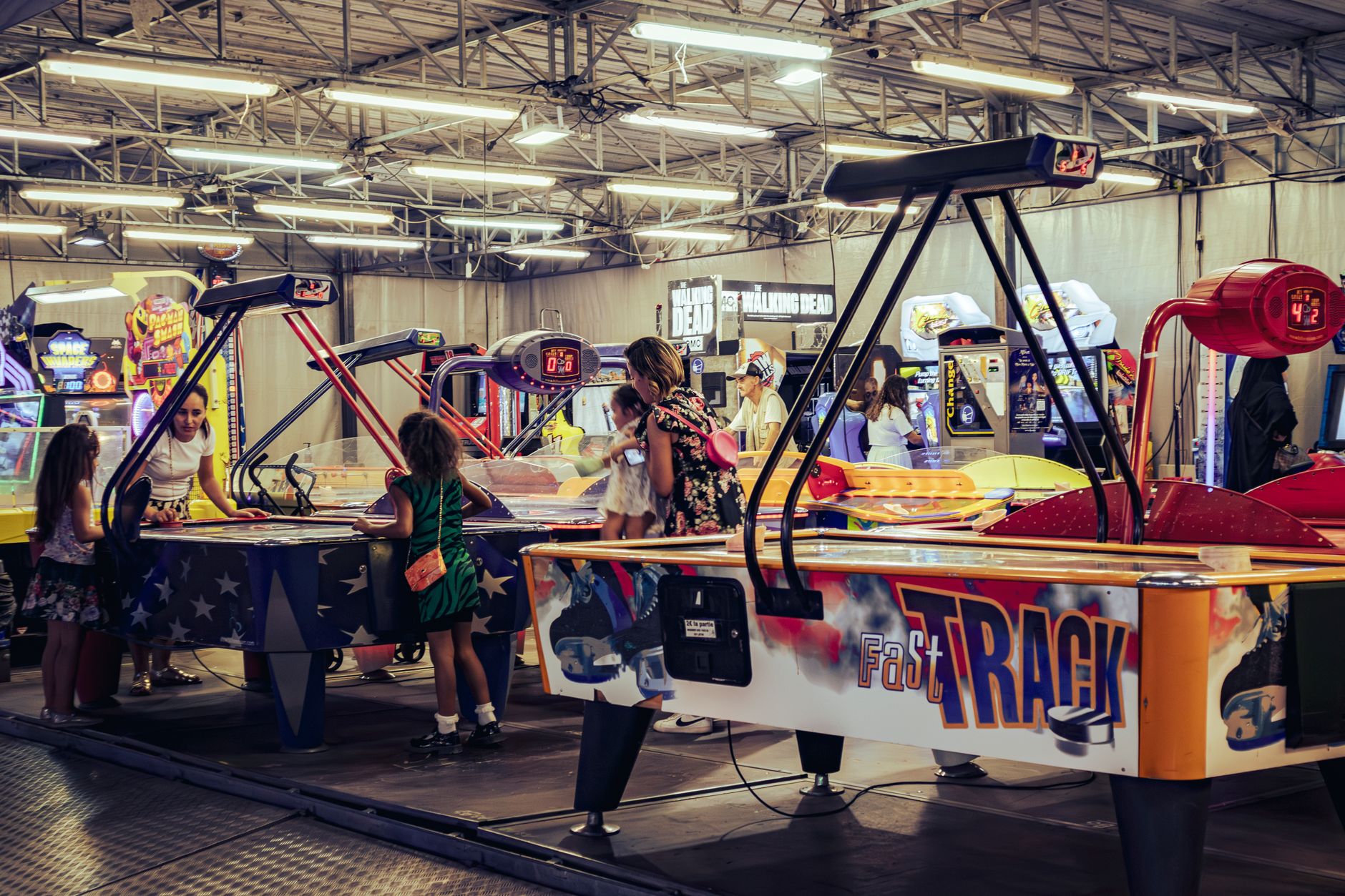
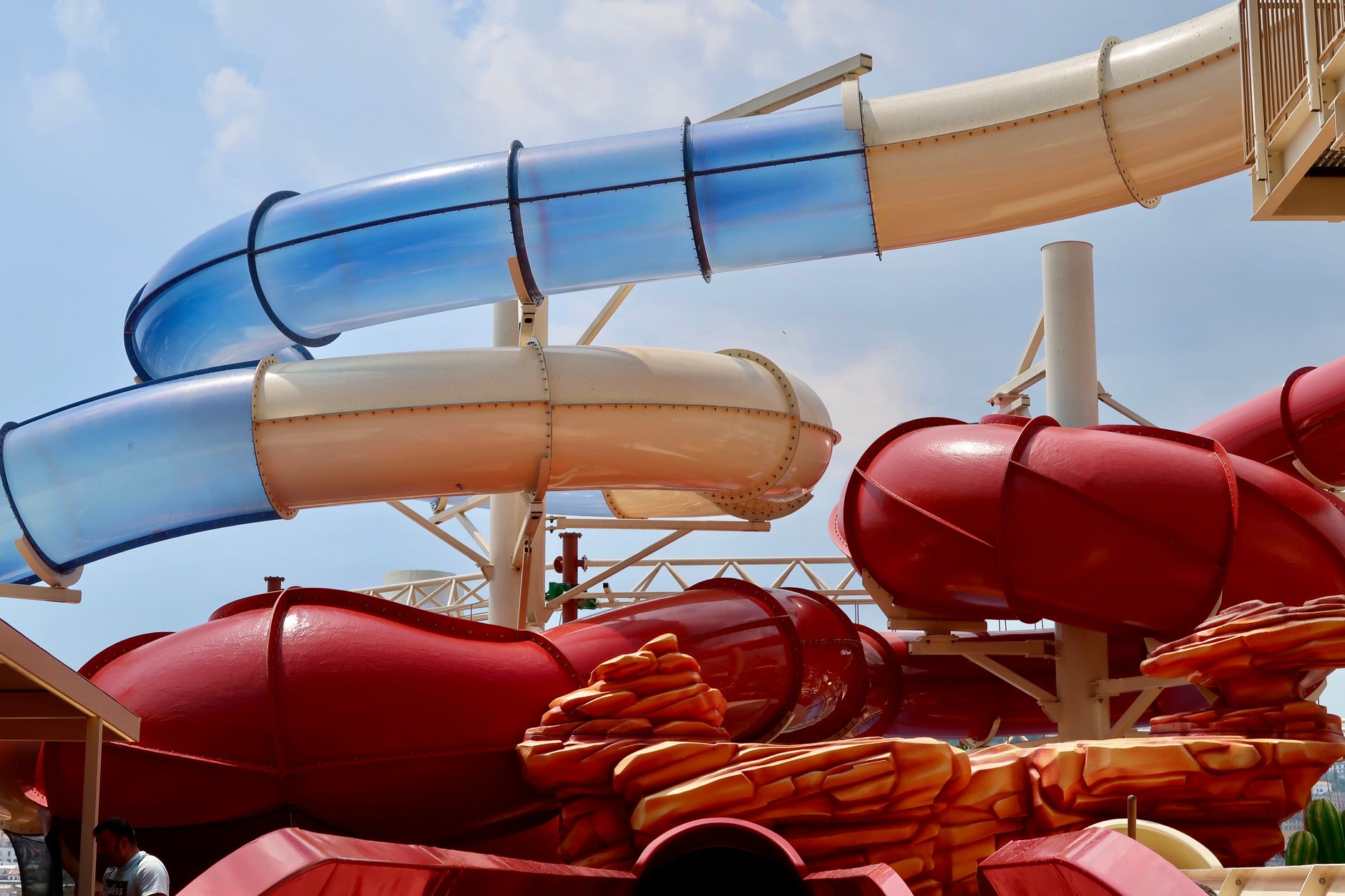
This complex combines indoor roller coasters and water rides under one roof, with thousands of daily visitors and strict safety expectations. Inspecting structural supports and ride hardware often meant renting scaffolding, climbing to heights near fifteen meters, and moving the scaffold before the next zone could be viewed.
Manual access was slow, costly, and sometimes impossible in tight overhead bays. Teams often inspected only when rules required it instead of catching wear early, because labor and scaffold rental consumed the budget.
- Hard-to-reach coaster and water-ride structures
- Scaffold moves between each inspection zone
- Safety risk every time a person worked at height
Collision-tolerant drone in confined bays
Leadership brought in a certified pilot flying a collision-tolerant inspection drone built for tight indoor volumes. The aircraft entered confined spaces around rides while engineers watched a live video feed alongside the contracted inspection partner.
The same flight path could cover water attractions and a major indoor coaster without rebuilding scaffold between zones. Maintenance leaders used the feed to decide immediately whether a closer hands-on follow-up was needed.
- Train a certified pilot on confined indoor routes
- Stream live video to engineering and inspection staff
- Target high-priority coaster and water-ride structures first
Hours collapsed and spend followed
Documented inspections on key assets dropped from about ten to twenty hours with manual scaffold work to roughly one to two hours with the drone approach, close to a ninety percent time reduction.
Reported direct costs fell from about sixty-eight thousand dollars to about eleven thousand dollars on the compared work, saving about fifty-seven thousand dollars and cutting spend by about eighty-four percent. No inspector had to climb scaffold for those visual passes, which removed a major exposure point.
What venue operators can expect from integrator support
This deployment is a published real-world example, not a Service Robot Co. project. It still shows why U.S. amusement, hospitality, and large retail venues look for vendor-neutral guidance when inspections sit above rides or water decks.
Service Robot Co. selects confined-space inspection drones and related robots across manufacturers, then finances, deploys, integrates, trains, and services units through a nationwide engineer network. One partner covers pilot certification paths, live-feed workflows, and maintenance so safety teams are not stitching vendors together before peak season.
A phased robot rental or pilot can prove a one to two hour inspection loop on a single attraction before you scale flights across the rest of the park.