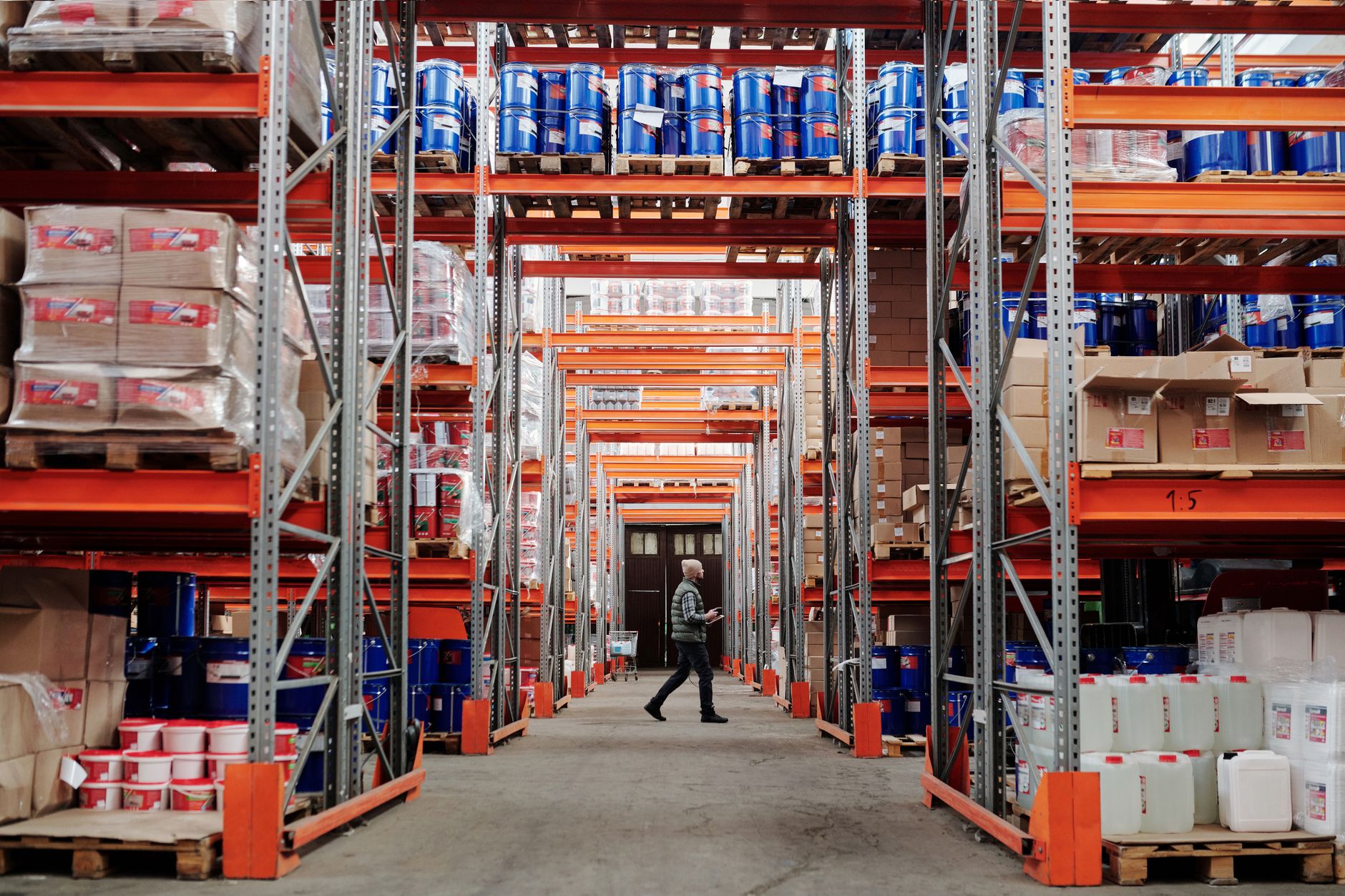
an industrial electronics manufacturer automating touch-panel reaction testing for in-vehicle and control products
Inspection Cobot Case Study: 31% More Output in Electronics Testing
A documented inspection cobot deployment raised productivity 31%, cut daily test time from 10 hours to 8, and reduced post-inspection staffing from 2 to 1.
- 31%
- productivity increase
- 10 to 8 hrs
- daily work time
- 2 to 1
- post-inspection staffing
- 1 year
- payback period
Based on a documented real-world deployment. Figures are from public reporting; the organization is not named.
A Quality Step That Was Slowing the Line
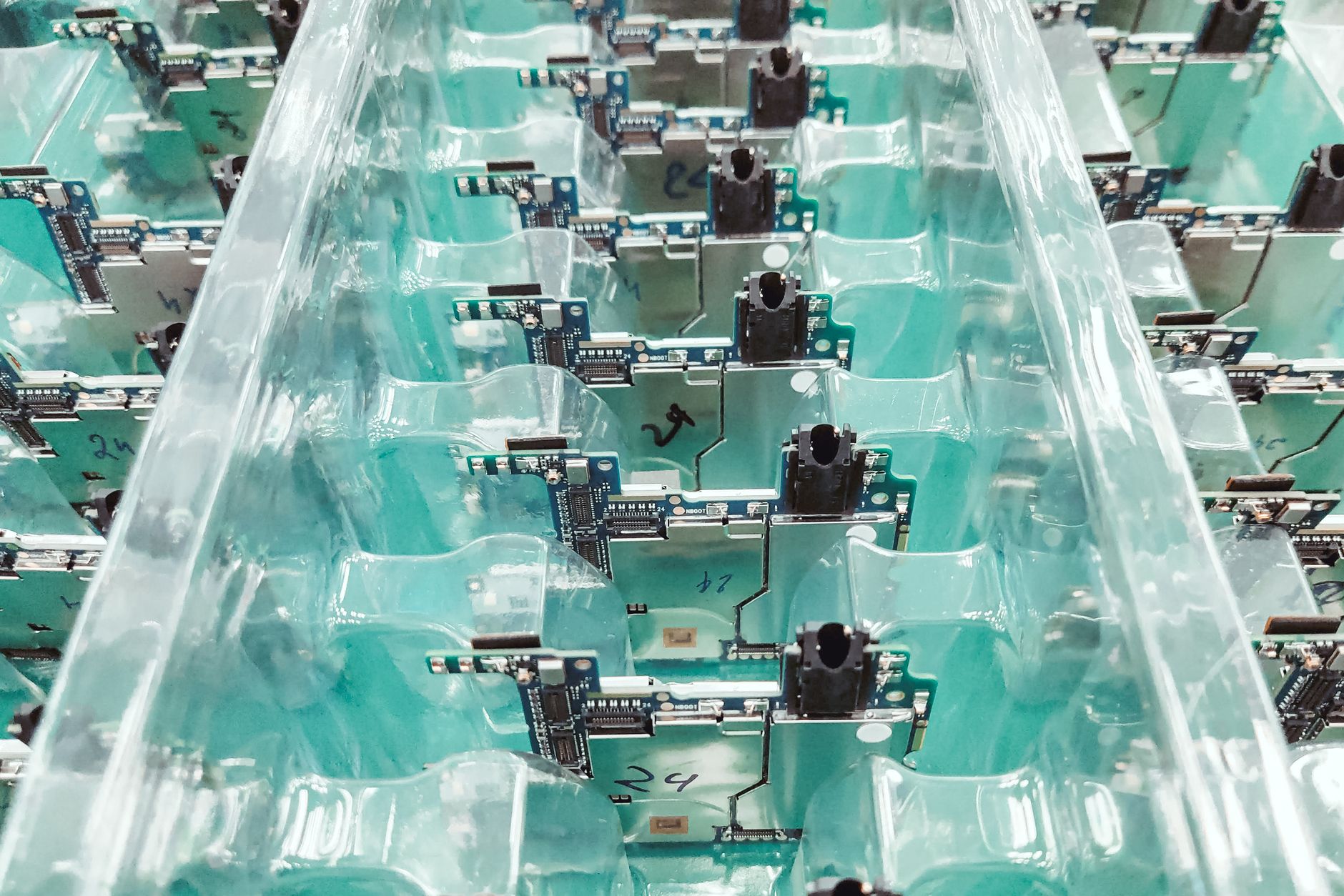
An industrial electronics manufacturer automating touch-panel reaction testing for in-vehicle and control products was dealing with a stubborn inspection bottleneck. Assembly and visual inspection happened upstream, but the touch-panel reaction test downstream demanded steady, repetitive stylus work and tight judgment on every unit.
The operation had already tried reallocating work inside the line. That move exposed an imbalance between pre-process and post-process activity, and daily work stretched to an average of 10 hours. The manufacturer needed more throughput without letting a quality-critical check become erratic or fragile.
Manual touch-panel testing also carried a human-factors problem. Operators could make mistakes on repetitive button and screen checks, which made consistency harder to hold as demand increased.
- A bottleneck in the post-inspection process
- Average daily work time at 10 hours
- An imbalanced line after work was reallocated
- A quality-sensitive test that depended on repetitive human input
Automating the Inspection Step, Not the Whole Line
The manufacturer introduced an inspection cobot directly into the touch-panel quality check. The robot used a stylus to test panel response, displayed a clear pass or fail result, and triggered visible and audible alerts when an abnormality appeared so the issue could be addressed immediately.
The rollout was deliberate. The team carried out risk assessments against its own safety standards, reduced speed at the start while workers got comfortable with robot motion, and avoided a major layout change because the cell could be installed without a safety fence.
From delivery to live operation, the project took approximately three months. The hardest integration work was connecting the robot to external devices such as a PLC and a PC, followed by repeated adjustments to the jig so it could reliably handle the inspection setup and different stylus patterns.
- Review the inspection bottleneck and target the post-process step
- Install a collaborative inspection robot at the touch-panel test station
- Run safety assessments and start with reduced operating speed
- Integrate the cell with the existing PLC and PC environment
- Refine the jig and end-effector setup through trial and error
More Stable Testing, Fewer Hours, Less Labor Pressure
The measured gains were concrete. Daily work time fell from an average of 10 hours to 8 hours, and productivity increased by 31%. For a factory wrestling with overtime and throughput pressure, that is the difference between a test station that drags on the schedule and one that supports it.
Staffing pressure eased too. The manufacturer reduced post-inspection personnel from 2 people to 1, with the freed capacity allocated to another production process. That matters because the labor was not simply removed from the floor. It was redirected to work the plant still needed done.
The source also reports that work quality improved because the robot operated with higher accuracy and stability than a human on this particular repetitive test. The company further stated that the investment could be recovered in one year.
What This Means for U.S. Manufacturers
This example is useful because it is not about moving pallets or loading boxes. It is about inspection automation at a finicky checkpoint where repeatability matters. For U.S. plants considering inspection robot rental, collaborative robot arm rental, or cobot rental for manufacturing, the lesson is straightforward: a narrow, quality-critical station can be the best place to start.
Service Robot Co. is a full-service, OEM-neutral commercial robot integrator for U.S. businesses. We help manufacturers select the right robot across manufacturers, structure robot leasing for business or other monthly payment programs, handle robot deployment and integration, train operators, and service the unit through a nationwide U.S. engineer network. One vendor for the whole lifecycle.
That matters when a plant wants phased deployment with no shutdown, no upfront capital pressure, and one partner one number after go-live. In practice, the real work is matching the robot to the process, the controls environment, the safety posture, and the support plan so the cell keeps producing after the demo is over.