an Arizona injection-molding manufacturer
How an Arizona Injection Molder Cut Operating Expense 40% with Machine Tending
An Arizona injection molder cut operating expense 40% from day one and ran 30% faster cycles with a robotic machine tending cell on hot molded parts.
- 40%
- OpEx reduction
- 30%
- Faster cycles
- 24/7
- Long job runs
- $10/hr
- Usage model
Based on a documented real-world deployment. Figures are from public reporting; the organization is not named.
Hot parts, tired crews, uneven cycles
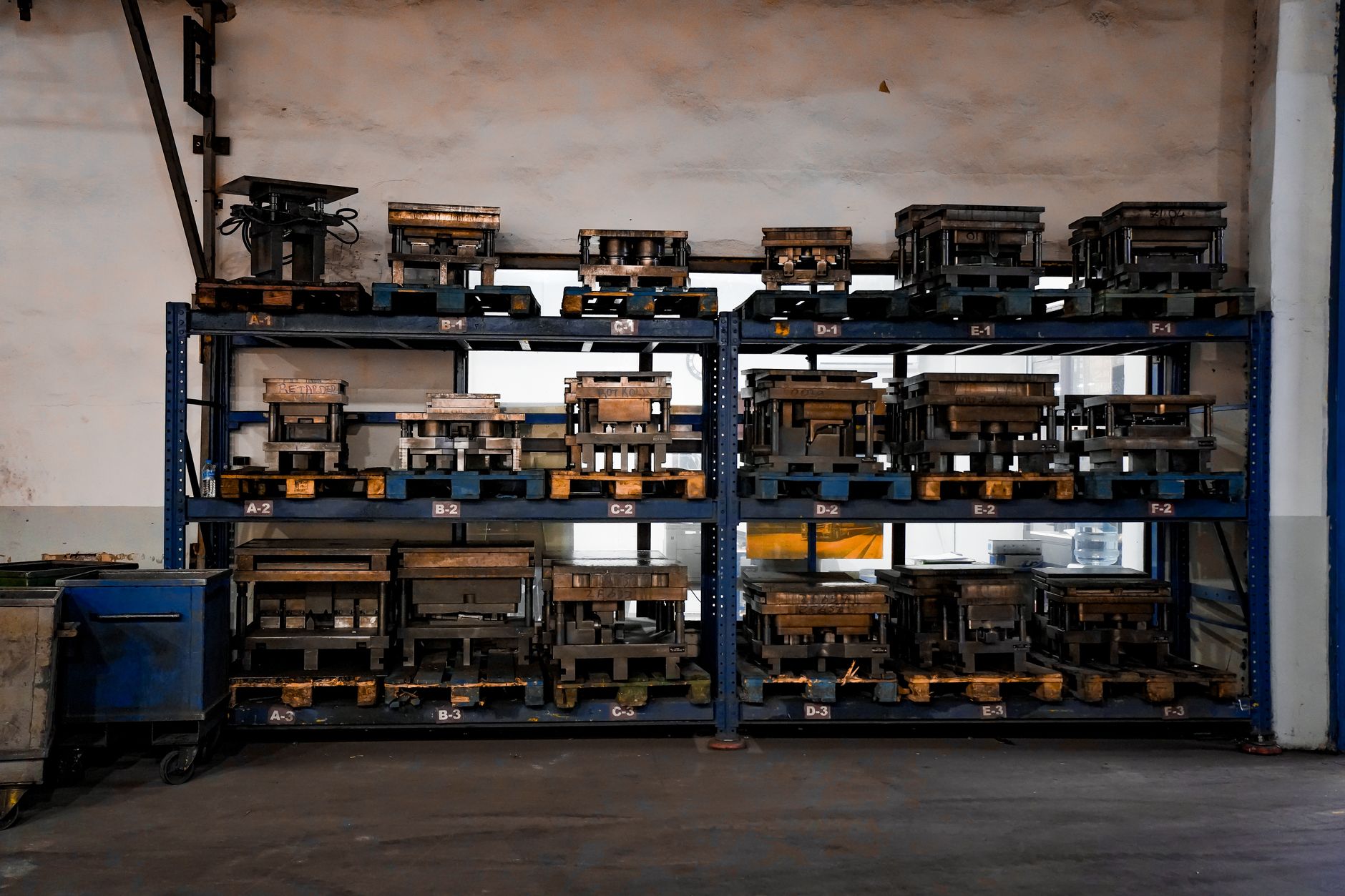
Operators opened molding machine doors every few minutes to pull roughly three hundred degree plastic parts and set them in cooling baths. Shifts stretched eight to ten hours on their feet, which drove turnover, safety incidents, and uneven pacing at the cell.
The molding machine itself kept steady cycle times, but human loading did not. Long production jobs became hard to staff, especially on third shift, so output stopped and started with attendance instead of customer demand.
- Repeated handling of hot molded components
- Manual variability on load and unload timing
- Hard to keep overnight runs fully staffed
Robotic tending with an OpEx style contract
Leadership chose an automation partner that offered a pay for productivity model instead of a large upfront capital buy. A six axis articulated arm paired with a vertical conveyor took over loading, unloading, and lowering finished parts into the annealing bath on one station.
The contract ran three years and bundled remote monitoring, maintenance, and repurposing support into a flat hourly usage rate. If the cell stopped performing, the plant stopped paying for that hour, which made the pilot easier to approve on an older molding line.
- Map the cell around an existing injection molding station
- Install arm plus conveyor for bath transfer
- Train operators while remote support watches uptime
Lower OpEx and steadier throughput immediately
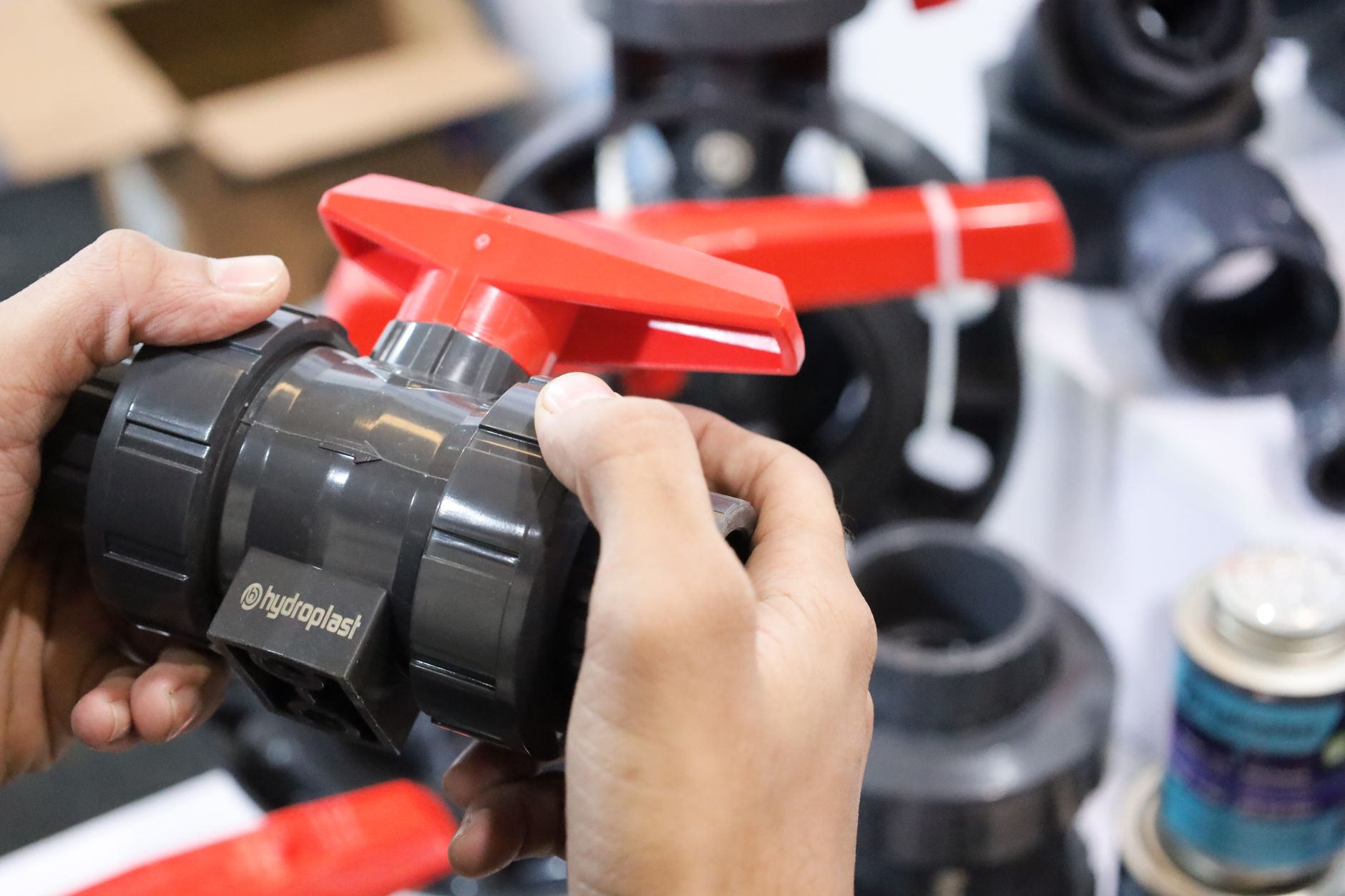
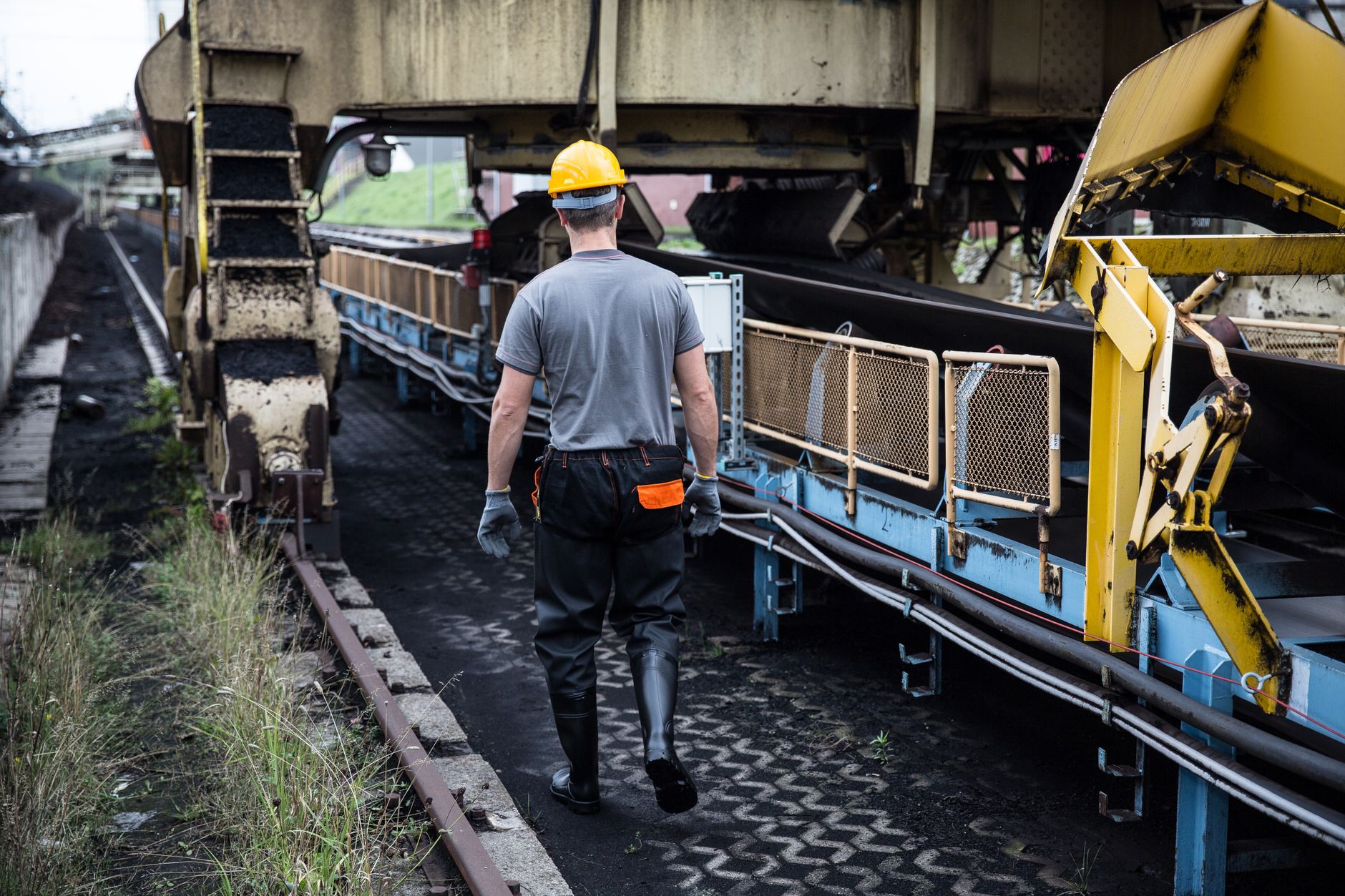
Operating expense on the tended cell fell forty percent from the first day of use compared with the prior manual routine. Cycle time on the same task ran about thirty percent faster because the robot repeated the motion without fatigue or variation.
Operations could keep long running jobs on the machine around the clock instead of idling when a manual crew was short. Quality teams reported more consistent parts flowing to inspection, and safety leaders saw fewer injuries tied to the old hot part handling steps.
What this means for custom molders weighing cobot rental
High mix injection shops often assume automation only fits high volume, fixed tooling lines. This Arizona example shows machine tending robot rental or monthly robot leasing for business can attach to one aging station first, then expand if the economics hold.
Service Robot Co. acts as a vendor neutral integrator: we match the arm and conveyor layout to your mold opening, handle robot deployment and integration, and stay on with nationwide service. Month to month robot leasing, cobot rental for manufacturing, and turnkey robot deployment let you prove cycle gains on a single cell before you commit plant wide.