
a 54-person high-mix injection-molding plant in Colorado
High-Mix Molder Reaches 4x Output, Payback Under 15 Weeks
A Colorado injection molder used a relocatable collaborative arm to reach 4x output productivity, with payback in under 15 weeks across high-mix work.
- 4x
- output productivity
- <15 weeks
- reported payback
- 24/7
- automated operation
- >12
- applications launched
Based on a documented real-world deployment. Figures are from public reporting; the organization is not named.
Short Runs Made Fixed Automation a Poor Fit
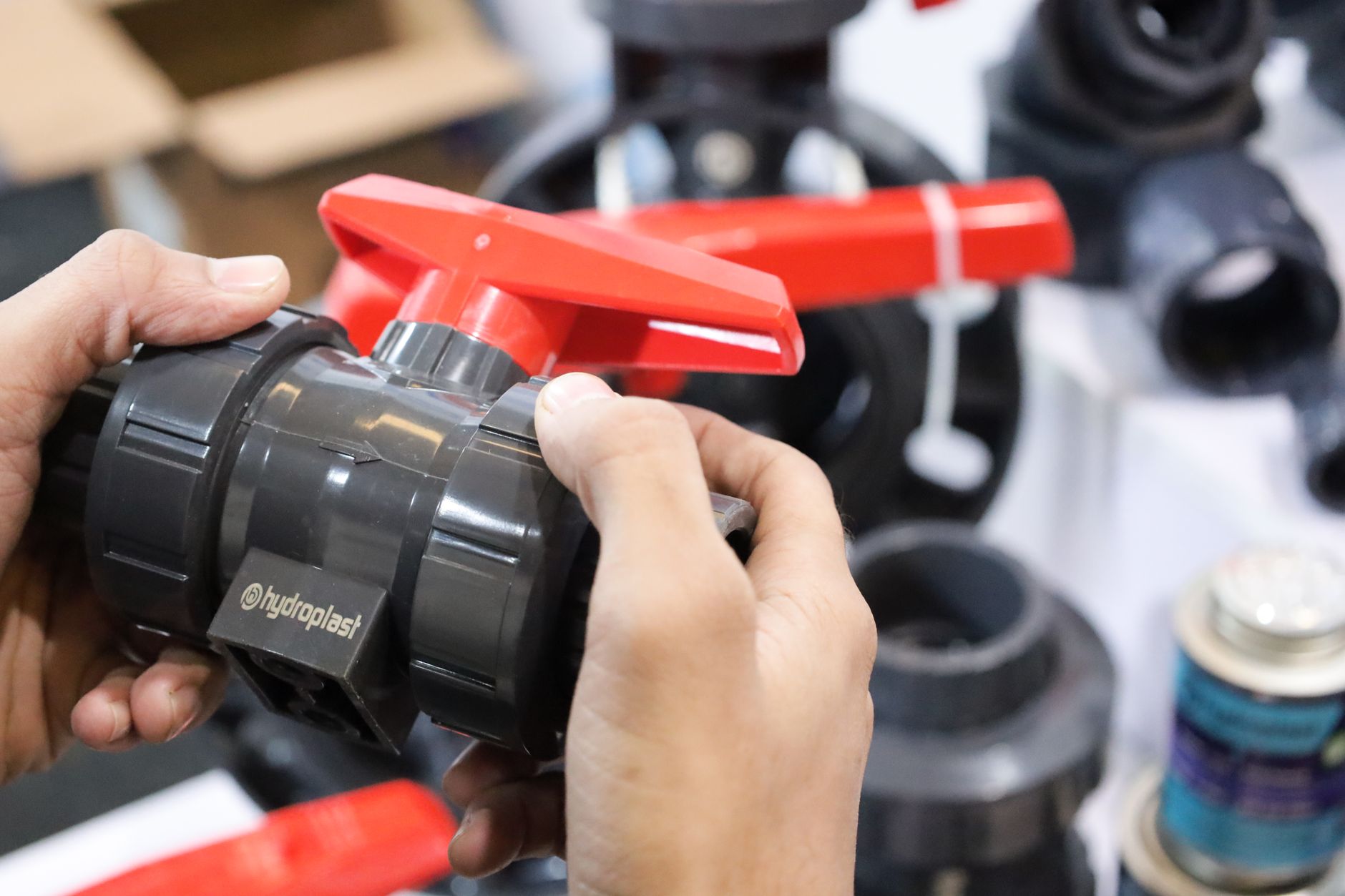
The plant produces more than 1,300 part types for more than 100 customers. Production runs change frequently, and few remain in place long enough to support a conventional dedicated cell.
Labor scarcity sharpened the constraint. On an early tray-handling task, an employee waited beside the equipment to make a brief move every 90 seconds, tying scarce labor to an intermittent but essential touchpoint.
Mobility alone did not settle the problem. Each time the collaborative arm returned to a workstation, small changes in its position could disturb saved paths, while parts of the tray application required positioning to 0.5 mm.
- Frequent changeovers limited the value of task-specific fixed automation.
- Intermittent handling work consumed an operator without filling the operator's time.
- Relocation had to preserve programmed paths closely enough for precision work.
Build Mobility Around Repeatable Recommissioning
A factory walkthrough examined several candidate applications and found that none carried enough volume to justify a dedicated robotic cell. The selected approach paired a mobile collaborative arm with a mechanical docking and coordinate-reference system.
At each workstation, the reference mechanism captured the arm's position and updated saved waypoints relative to that location. Operators could return to a prior job without reteaching every movement through free space.
The rollout began with tray handling beside existing molding automation. It later spread to machine tending, tray stacking, and vision-guided conveyor picking, ultimately covering more than a dozen applications.
The plant's team began with basic programming knowledge but little direct robot-programming experience. Online video and read-along training, technical support resources, and hands-on work enabled employees to program the conveyor cell internally.
- Survey recurring tasks across the plant instead of sizing automation around a single long run.
- Prove relocation and coordinate recovery on a tightly bounded tray-handling task.
- Retain successful programs for reuse when the corresponding job returns.
- Expand the mobile asset into additional tending, stacking, and picking work.
Utilization Turned Flexibility Into the Return
Automating the tray task allowed the equipment to operate 24/7 rather than being limited to 40 staffed hours per week. The plant reported a fourfold increase in output productivity, expressed here as 4x rather than as a percentage increase.
The plant also reported that the arm had paid for itself after the fifth run of its initial application, placing payback inside 15 weeks. The published account does not disclose the cost model, production logs, or savings assumptions behind that customer-reported calculation.
Repeatable cycles added another operational benefit. Cycle timing remained consistent to the second, while redeployability helped the plant carry automation from an initial task into more than a dozen applications rather than leaving the equipment stranded between short runs.
What Flexible Automation Requires From an Integrator
This documented deployment was not performed by Service Robot Co. Its relevance is the operating principle it exposes: in high-mix manufacturing, the machine tending robot matters, but repeatable relocation, application design, training, and continued support determine how often that asset earns its keep.
Service Robot Co. is a full-service, OEM-neutral commercial robot integrator for US businesses. We select equipment across manufacturers, then finance, deploy, integrate, train, and service every unit through a nationwide US engineer network, giving customers one partner and one number across the lifecycle.
For plants comparing a collaborative robot arm lease, cobot leasing for manufacturing, robot leasing for business, or robot financing for small business, utilization should drive the commercial model. A credible robot deployment and integration plan starts with the job mix, changeover burden, positioning requirements, internal skills, and service coverage, not a favored brand.