
a multi-hospital health system piloting mobile nursing-assistant robots at an acute-care campus in the inland Pacific Northwest
How an Inland Northwest Hospital Saved 4.92 Million Staff Steps With Delivery Robots
Inland Northwest hospital pilot: four delivery robots made 9,955 runs in four months and saved nurses 4.92 million corridor steps. Documented metrics.
- 4.92M
- Steps spared
- 9,955
- Deliveries
- 6,162h
- Robot hours
- 1,695mi
- Walk miles
Based on a documented real-world deployment. Figures are from public reporting; the organization is not named.
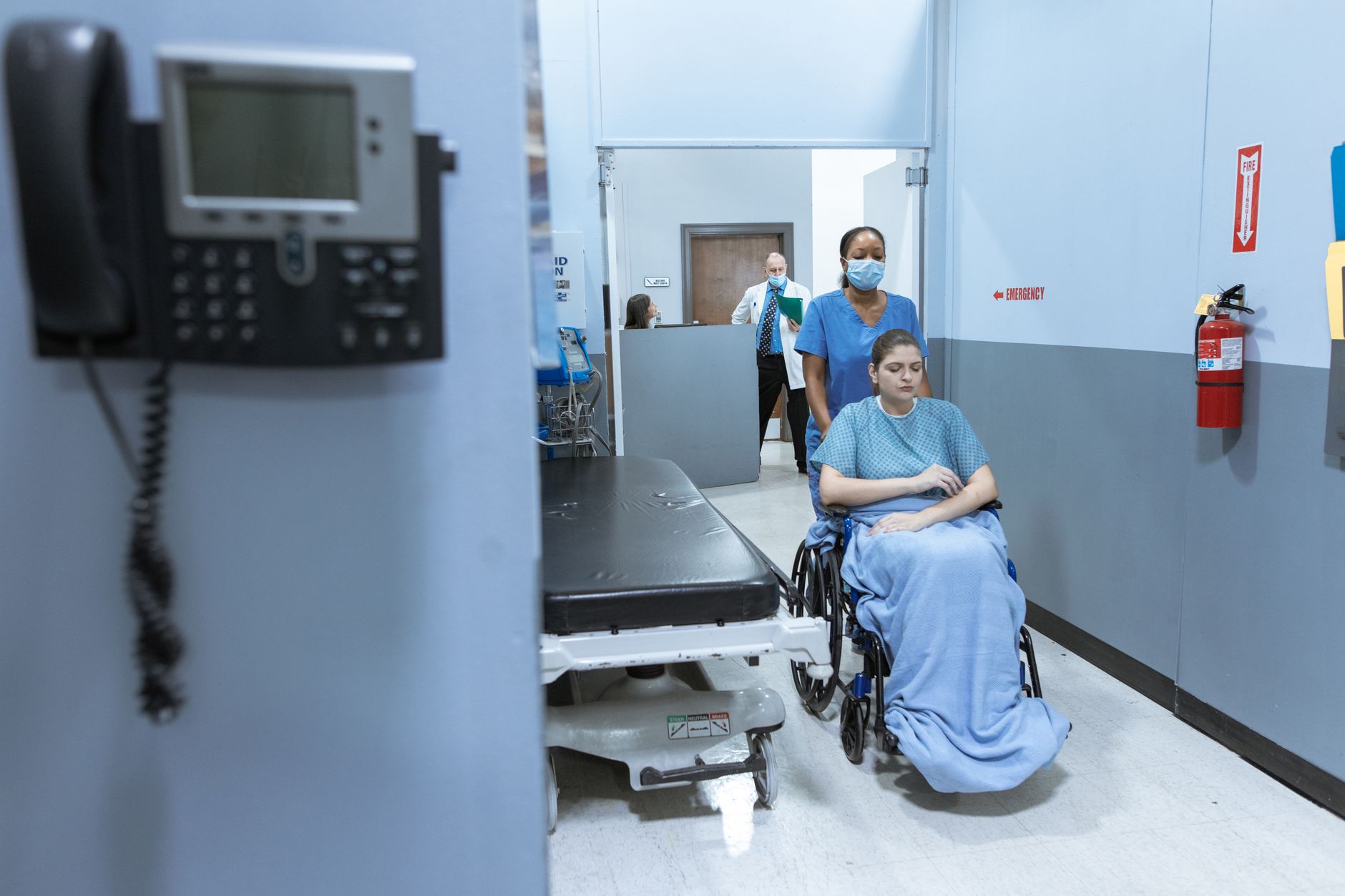
Corridor miles stealing bedside minutes
Nurses at an inland Pacific Northwest acute-care campus were burning shifts on predictable runs. Lab specimens, medications, and routine supplies still had to move while census and acuity stayed high.
Leadership framed the gap as logistics work crowding out evaluation and direct patient contact. Staffing pressure across the region made adding runners a weak fix for work that followed the same hallways every hour.
- Repetitive specimen and supply transport between units and core labs
- Limited bandwidth for nurses to stay at the bedside during busy shifts
- Need to improve internal delivery without sending machines into patient rooms
Four robots on public routes only
The health system deployed four mobile nursing-assistant robots at one inland campus starting in January, with additional units planned for other hospitals later in the year. The units navigate hallways, carry lightweight loads with an onboard arm, and hand off items to staff at designated stops.
Policy kept robots out of patient rooms and away from direct clinical engagement. Supervisors queued lab and supply missions while nurses continued hands-on care at the bedside.
- Pilot focused on lab specimens, medications, and general supply drops
- Robots operated on mapped corridors with staff monitoring workflows
- Expansion planned to additional hospitals after early inland campus results
Measured relief in steps and deliveries

From January 26 through May 15, the four robots logged 6,162 operating hours and completed 9,955 deliveries, according to the health system's public reporting.
The same release estimated that clinical staff avoided 4.92 million steps, roughly 1,695 miles of walking that would otherwise fall to nurses and support teams on every shift.
What hospital operators can borrow from the pilot
This deployment is a documented real-world example, not a Service Robot Co. customer story. It still shows how hospital delivery robot rental and autonomous mobile robot programs should be scoped: map the repetitive internal miles first, keep robots on public routes, and measure steps returned before debating headcount.
Service Robot Co. selects OEM-neutral hospital delivery platforms, then handles financing, deployment, integration, training, and nationwide service as one partner. A free site assessment can translate corridor demand into monthly rental or lease options that match nursing workflow rather than a one-size cart tug.