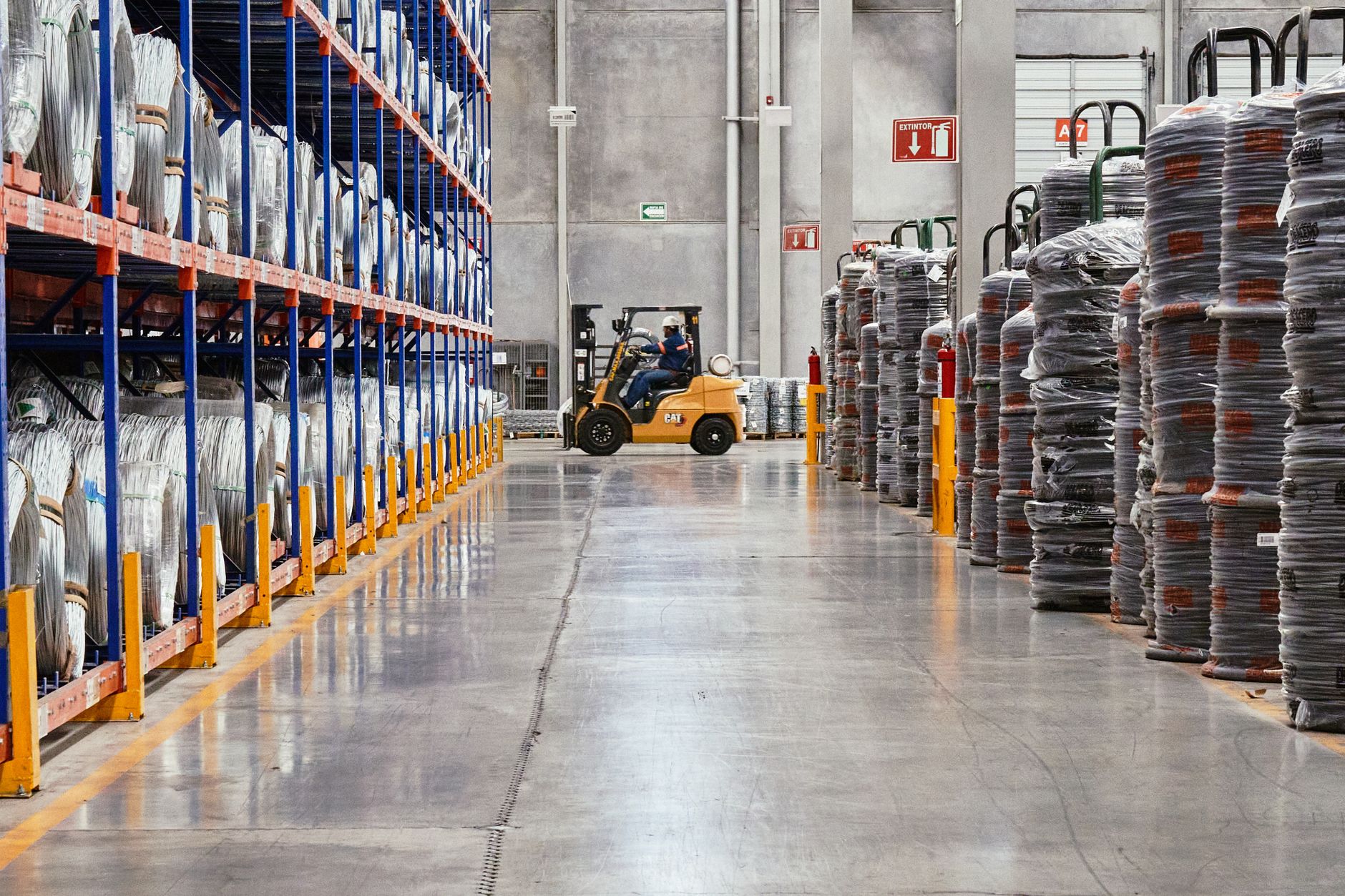
a 40,000-square-meter insulin manufacturing plant in China
Insulin Plant AMRs Reclaim at Least 35 Staff-Hours Weekly
Five pallet-transport AMRs reclaimed at least 35 staff-hours weekly at a 40,000-square-meter insulin plant without changing its layout.
- 35+ hrs/wk
- staff time returned
- 5 AMRs
- pallet transport fleet
- 40,000 m²
- manufacturing plant
- 100 m
- transport route
Based on a documented real-world deployment. Figures are from public reporting; the organization is not named.
The Transport Gap Inside an Automated Plant
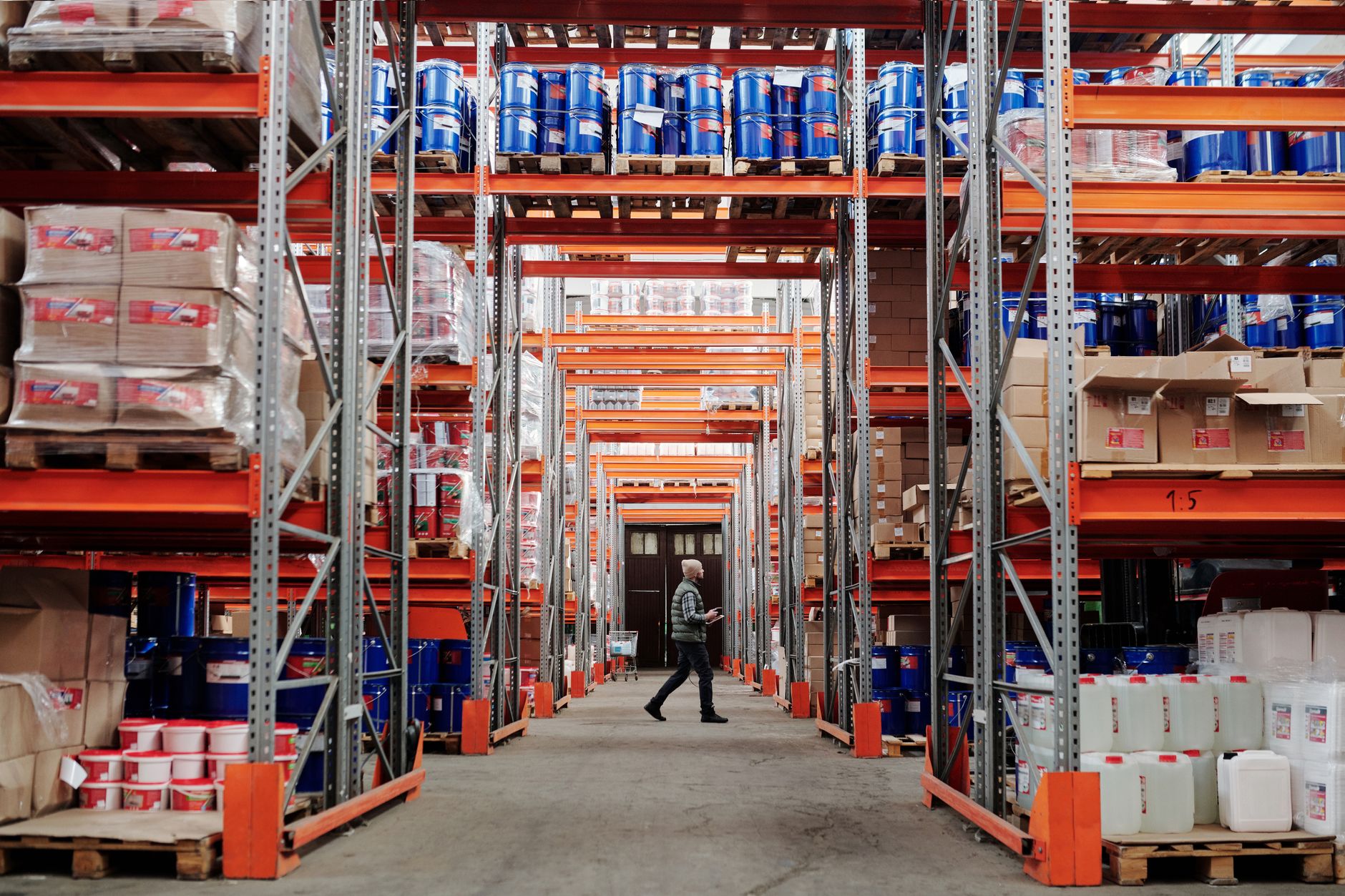
The production environment was already highly automated, yet packaging-material transport remained stubbornly manual. Forklift operators carried pallets from the truck depot to the warehouse, where a specialized high-bay truck completed the final lift into storage.
A typical working day consumed more than five hours of forklift delivery time. During extremely busy production periods, that burden exceeded eight hours, tying skilled warehouse staff to repetitive transport instead of more consequential work.
The route added operational texture. It covered 100 meters, included three to four turns, and crossed crowded areas where people, pallets, and vehicles could interrupt traffic.
- Repetitive pallet movement absorbed substantial operator time.
- The transport lane passed through active, congested warehouse space.
- Any replacement had to preserve the existing internal layout.
- High-bay placement still required coordination with a specialized fork truck.
A Focused AMR Deployment Around One Defined Flow
After examining available options, the plant introduced five pallet-transport AMRs. The fleet assumed the depot-to-storage run without requiring changes to the facility layout, keeping the automation boundary narrow and operationally intelligible.
At receiving, the robots queued in the depot area for loading. They then navigated the warehouse aisles, slowed or stopped for people and obstacles, selected alternate paths when necessary, and delivered pallets to the high-bay staging area.
Central fleet software let warehouse technicians assign missions, monitor operating parameters, manage traffic, and trigger automatic charging. An integration partner supported deployment, although the published account does not document a phased rollout or formal training and service schedule.
- Map the recurring depot-to-warehouse transport flow.
- Select AMRs suited to pallet movement through occupied aisles.
- Coordinate robot arrivals with the existing high-bay storage process.
- Manage missions, traffic, operating data, and charging centrally.
- Continue refining fleet routing as warehouse demand changes.
At Least 35 Staff-Hours Returned Every Week

The five AMRs saved at least 35 staff-hours per week on material transport. That is the documented result, and it represents reclaimed warehouse capacity rather than a claimed reduction in headcount.
Workers could redirect their attention to more important, higher-value warehouse duties. The fleet met the plant's transport needs and was well received by the workforce, while the specialized high-bay truck remained responsible for placing pallets into the racks.
The deployment also demonstrated that repetitive transport automation could coexist with people and forklifts in a dynamic warehouse. It improved the labor allocation around a specific workflow without forcing a facility redesign.
What This Example Means for US Manufacturers
The lesson is not that every pharmaceutical warehouse needs the same fleet. It is that a clearly bounded, labor-hungry material route can be a strong starting point for an autonomous mobile robot lease, AMR leasing, or financed deployment when the robot, workflow, and site conditions genuinely fit.
Service Robot Co. is a full-service, OEM-neutral commercial robot integrator for US businesses. We assess the site, select across manufacturers, arrange financing, deploy and integrate each unit, train the operating team, and support the equipment through a nationwide US engineer network.
That one-vendor lifecycle matters when evaluating a pallet transport robot, warehouse robot leasing, or material handling robot leasing. Robot deployment and integration, go-live support, remote triage, on-site dispatch, and an ongoing robot maintenance service plan remain under one accountable relationship rather than being divided among disconnected providers.
Commercial robot leasing, robot leasing for business, and monthly payment programs can also align acquisition with operating needs. The governing principle remains the same: choose the robot that fits the floor, prove the workflow, and build the service model around the plant.