
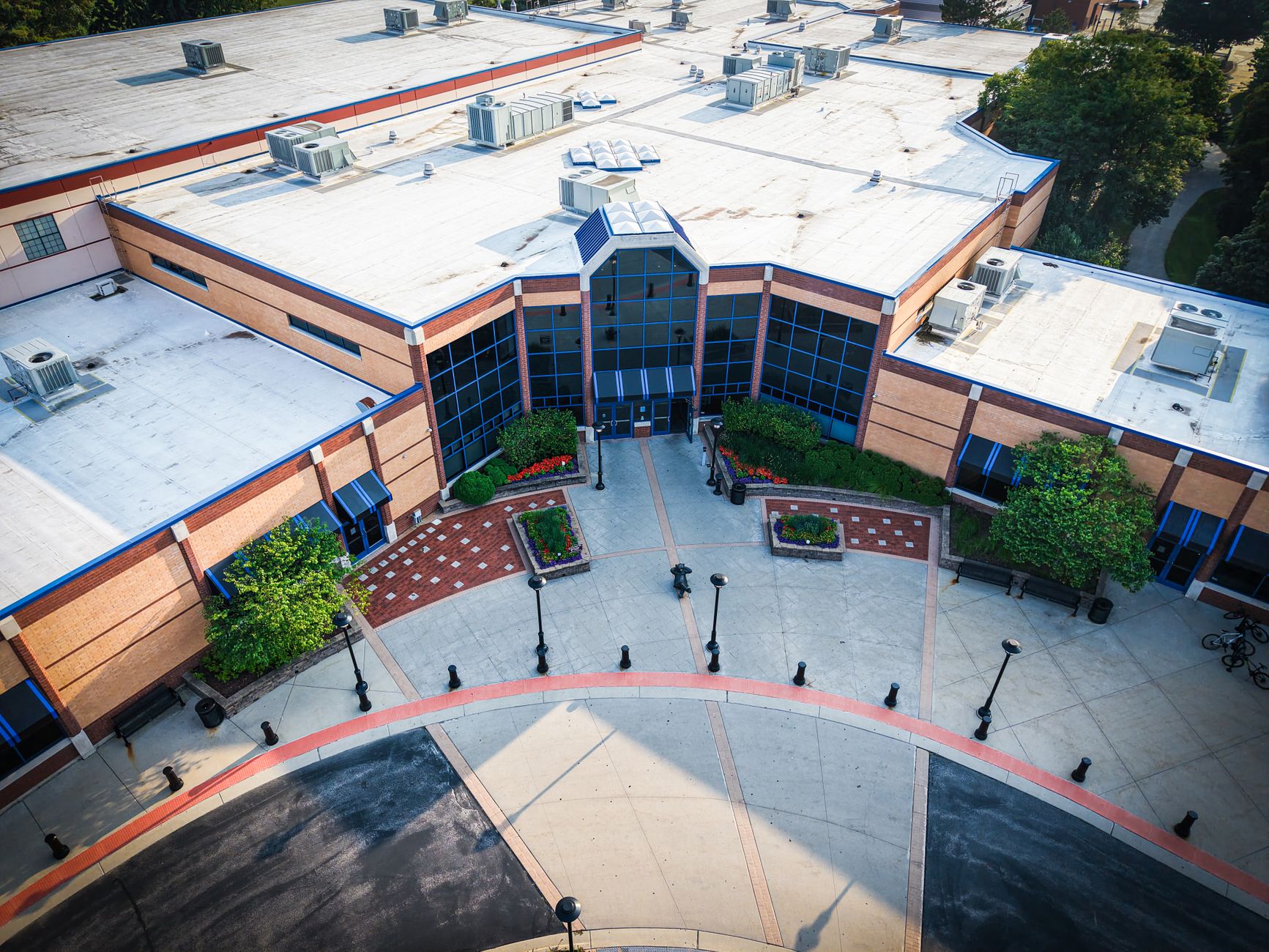
a 4.3-acre Silicon Valley corporate campus
Corporate Campus Delivery Robot Case Study: 17-Minute Average
See how sidewalk delivery robots carried meals, coffee and snacks across a 4.3-acre corporate campus, averaging 17 minutes per employee delivery.
- 17 min
- average delivery time
- 4.3 acres
- campus-wide coverage
- 1 app
- on-demand ordering
Based on a documented real-world deployment. Figures are from public reporting; the organization is not named.
Break Time Lost in Transit
At a 4.3-acre Silicon Valley corporate campus, getting food during the workday carried an avoidable friction cost. Employees had to walk to campus outlets, queue, collect an order and make the return trip, consuming time intended for a meal or a genuine pause.
Access was uneven, too. A distant pickup point could make breakfast, coffee or a snack impractical for someone pressed for time or temporarily less mobile. The operational brief was precise: move small orders to people across the campus without asking employees to become their own couriers.
- Reduce the walking and waiting attached to campus food pickup
- Extend convenient access across the full campus footprint
- Handle meals, coffee and snacks on demand during the workday
A Campus Delivery Layer Built Around Demand
Sidewalk robots were introduced as an on-demand delivery service rather than a fixed-route shuttle. Employees ordered through an app and could request delivery anywhere on the campus. The robots traveled autonomously while human monitors retained the ability to take control.
The campus launch became an early proof point within a broader commercial rollout that followed prior pilot activity. This sequence offers a useful pattern for a robot pilot program: validate routing, ordering and handoff behavior in a bounded environment, then use operating evidence to guide expansion.
The public account does not disclose the fleet size, selection process, training curriculum or maintenance schedule. Those details should be treated as diligence items for a new deployment, not as documented features of this case.
- Map walkways, delivery points and food pickup locations
- Connect app ordering to on-campus dispatch
- Define safe handoffs across the campus footprint
- Monitor trips and retain human remote-control capability
- Use early operating evidence to guide wider deployment

Fast Delivery Across the Full Footprint

Meals, coffee and snacks reached employees in an average of 17 minutes across all 4.3 acres. That result replaced a self-service errand with point-to-point delivery, giving employees more freedom to use breaks for eating, resting or remaining productive.
The benefit was broader than speed. Breakfast sandwiches became the most common delivery item, and an employee described regaining access to a meal often missed during the morning rush. Another employee recovering from a foot injury highlighted doorstep coffee delivery, showing how office delivery robots can improve practical access as well as convenience.
Worker reception was described as overwhelmingly positive. The case therefore informs a credible food service robot lease evaluation: short-distance delivery can remove queueing and walking from routine campus orders while preserving on-demand choice.
From a Strong Use Case to a Working Program
This example was not a Service Robot Co. deployment. It shows the operating case we help US businesses evaluate: where sidewalk delivery fits, how the route network should be mapped and what support model keeps the service dependable after launch.
Service Robot Co. is a full-service, OEM-neutral commercial robot integrator. We select equipment across manufacturers, then finance, deploy, integrate, train and service every unit through a nationwide US engineer network. One vendor covers the whole lifecycle.
For a campus considering service robot leasing, robot leasing for business or leasing, the decisive work happens around the machine. Site assessment mapping, robot deployment and integration, staff training, go-live support and ongoing robot maintenance service planning turn a promising demonstration into an accountable operation.