a 445,000-square-foot Silicon Valley office campus
How a Silicon Valley Office Campus Cut Break-Ins 90%
A documented office-campus security robot case study: reported vandalism and car break-ins fell 90%, from about 10 a day to once or twice a month.
- 90%
- fewer break-ins reported
- 10/day
- before deployment
- 1-2/mo
- after deployment
- 445,000 sf
- office campus footprint
Based on a documented real-world deployment. Figures are from public reporting; the organization is not named.
A perimeter problem that ordinary rounds were not containing
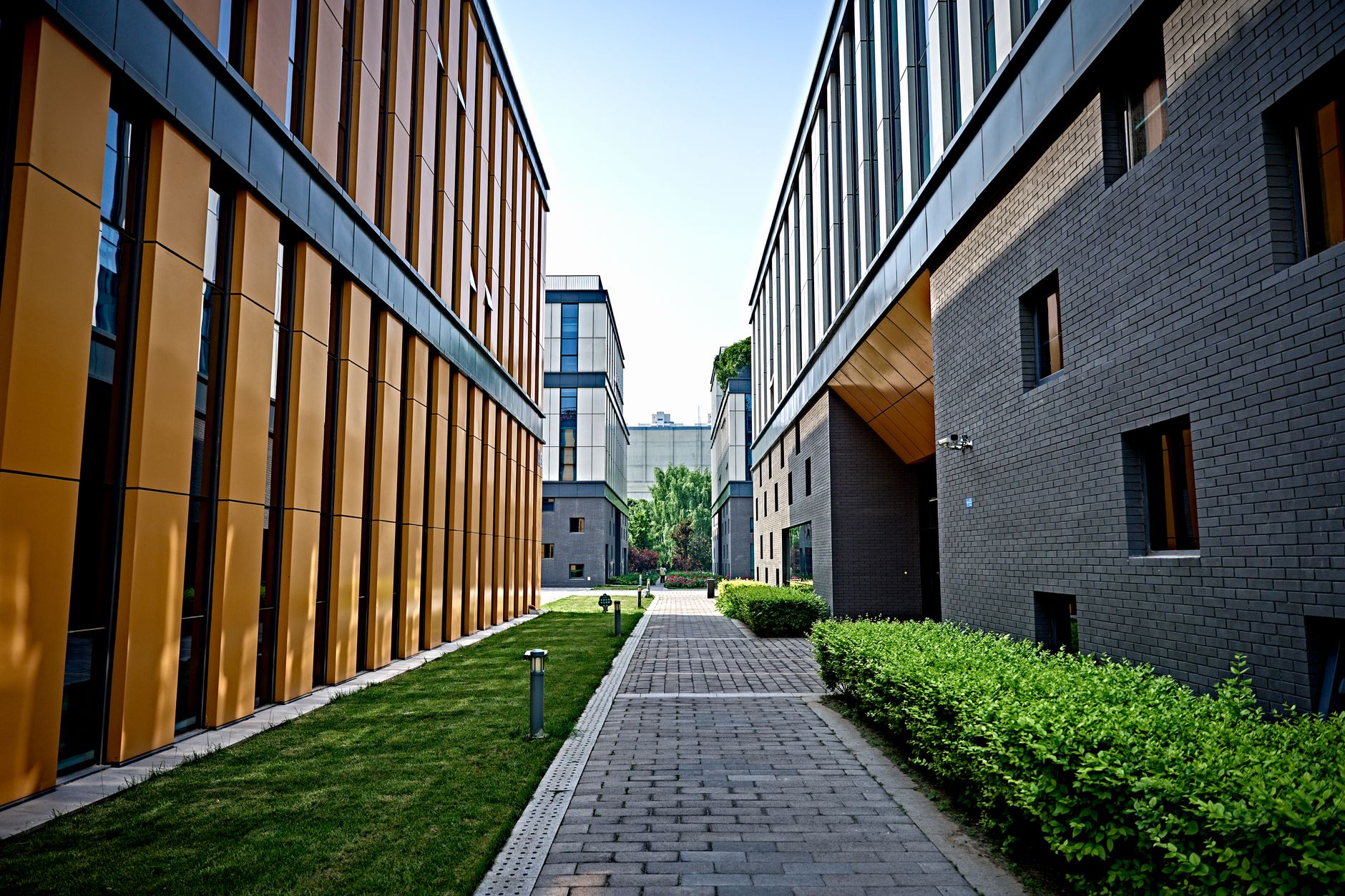
A 445,000-square-foot Silicon Valley office campus needed broader perimeter watch and stronger deterrence across a large, multi-building property. The pain was not abstract. Management reported recurring vandalism and car break-ins serious enough to erode confidence in the site’s security posture.
The documented before state is what makes this case notable. Break-ins were happening at roughly 10 per day, which points to a property where gaps in visibility and response cadence were being exploited again and again.
- Large facility coverage across a multi-building office property
- Frequent vandalism and car break-ins affecting the campus
- A need for deterrence, not just incident review after the fact
Adding an autonomous patrol layer to the property
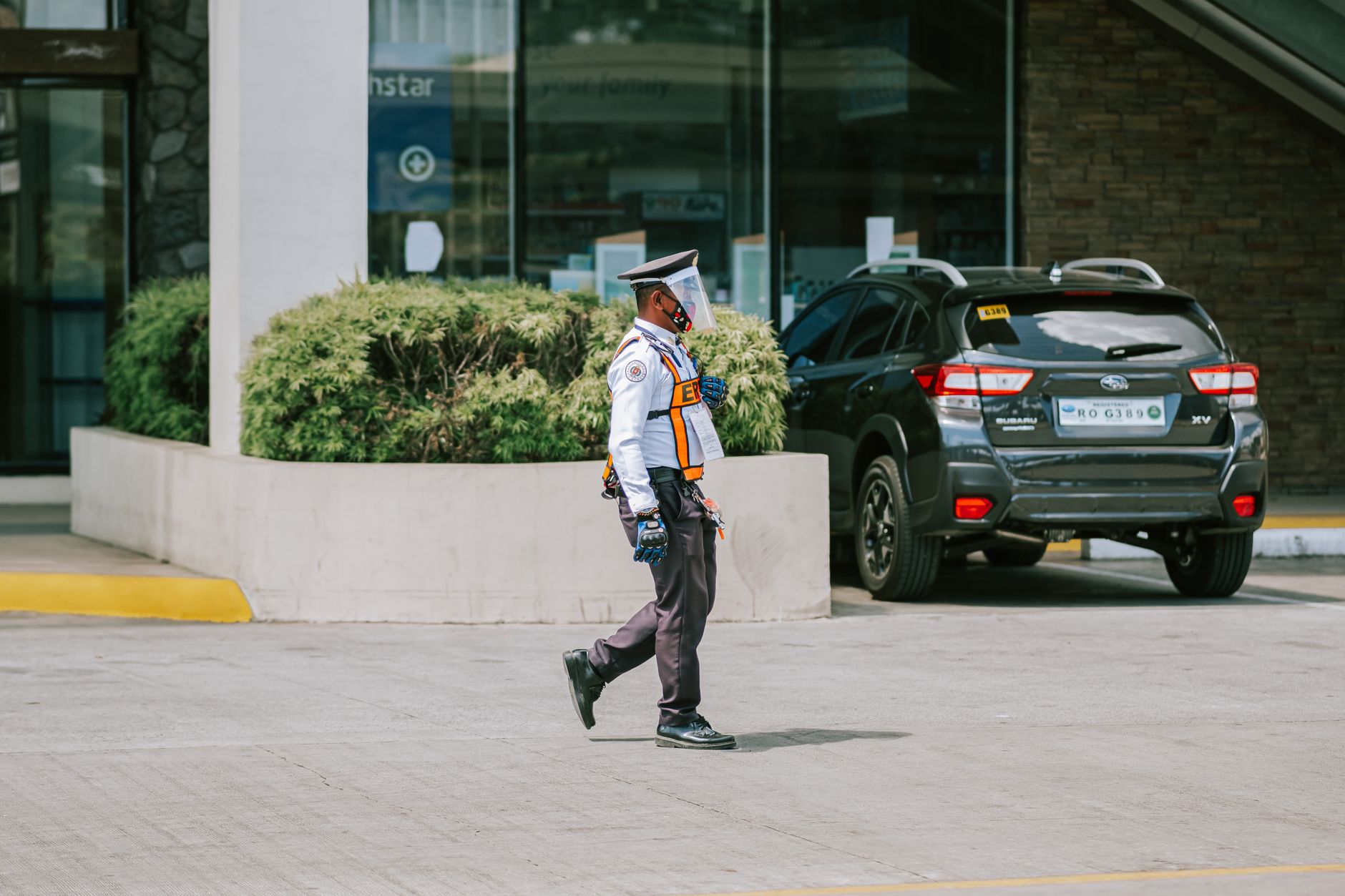
Management introduced an autonomous security robot as part of the on-site security operation. In practical terms, that means the property added a persistent patrol presence designed to extend coverage, support perimeter watch, and make the site feel actively monitored.
For commercial real estate teams evaluating a security patrol robot rental or an autonomous patrol robot, the useful lesson is the role the machine played. It joined the security officers’ crew rather than standing apart from it, adding a visible patrol layer to a site that needed steadier deterrence.
- Add an autonomous patrol layer to the existing security team
- Use the robot for visible perimeter presence and deterrence
- Fold the machine into the daily security operation instead of treating it as a novelty
A rare hard security outcome
The reported result was a 90% reduction in property vandalism and car break-ins. More specifically, management said incidents fell from roughly 10 per day to once or twice a month after the robot joined the security program.
That is unusually concrete for a security technology case. Instead of vague language about awareness or visibility, this example ties the deployment to a sharp change in incident frequency on a real commercial real estate property.
What this means for commercial real estate teams
This is a documented real-world example, not a Service Robot Co. deployment. Its value is strategic. It shows that a security robot can matter most on properties where coverage gaps, repetitive patrol needs, and visible deterrence all collide across a large footprint.
Service Robot Co. is a full-service, OEM-neutral commercial robot integrator for US businesses. We help buyers assess fit, compare lease rental or sale structures, handle robot deployment and integration, train on-site teams, and keep each unit serviced through a nationwide engineer network. For a property manager, that means one partner and one number through the full lifecycle.