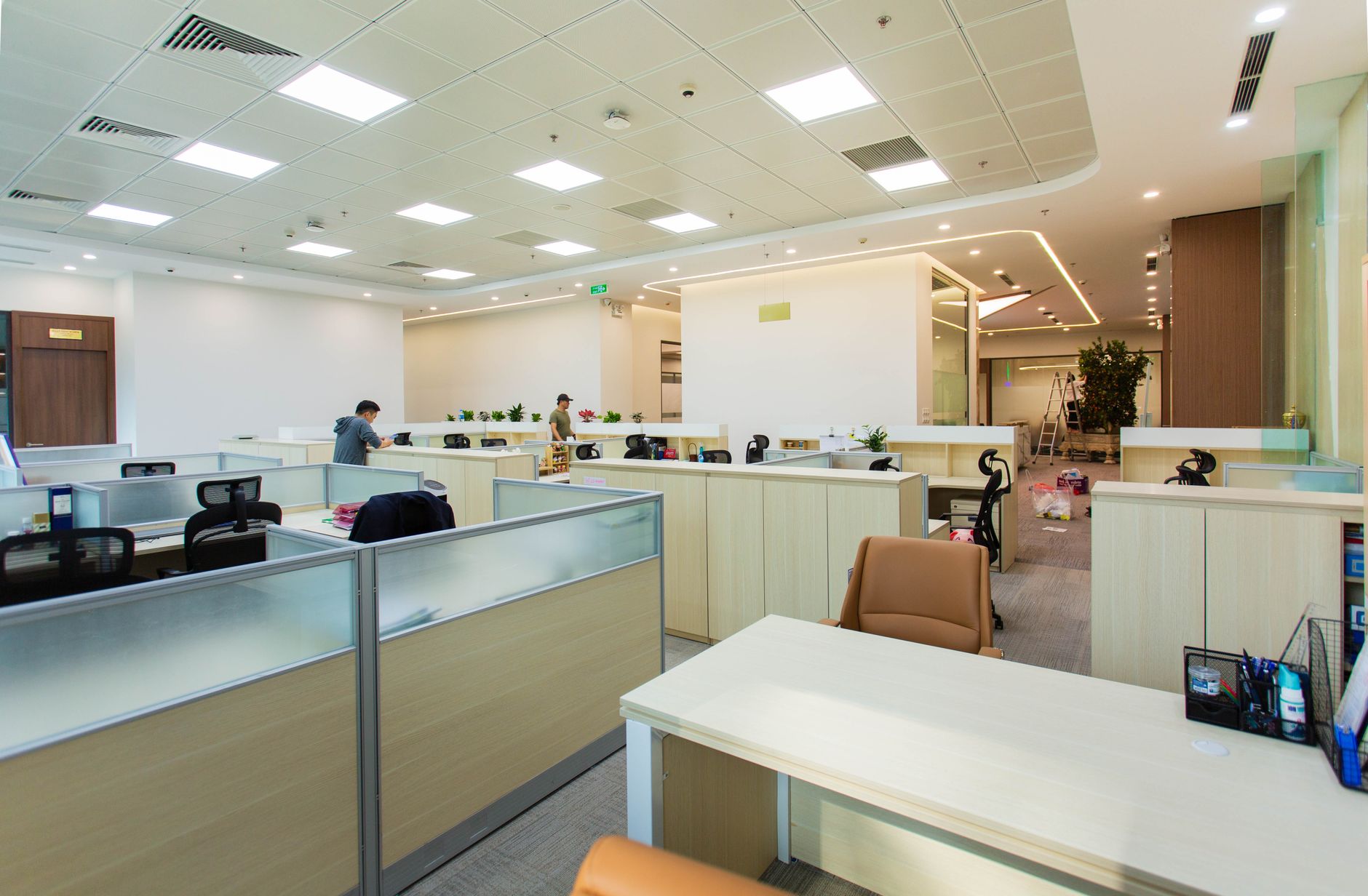
a global office furniture manufacturer running a U.S. assembly plant for chair production
How an Office-Chair Plant Eliminated Nine Hours of Daily Walking With AMRs
A U.S. chair assembly plant cut more than nine hours of daily operator walking by deploying two warehouse AMRs and 24 staging carts between raw build and final cells.
- 9+ hrs
- Walking removed
- 2
- AMRs deployed
- 24
- Staging carts
- 10+
- Assembly cells
Based on a documented real-world deployment. Figures are from public reporting; the organization is not named.
Tray runs pulled assemblers off the line all day
A global office furniture manufacturer runs a U.S. plant where office chairs move from a raw-material assembly zone into more than ten final assembly cells. Operators were manually shuttling shipping trays between those zones, and the walking added up fast.
Published reporting on the deployment states operators spent an average of nine hours per day moving materials across the facility. That travel pulled skilled labor away from assembly work and added strain from lifting stacks off the floor.
- Manual tray moves between raw build and many final cells
- Roughly nine hours of non-value-added walking each day
- Floor-level lifting and unstable loads during transit
Two AMRs and a cart fleet took over the long walks
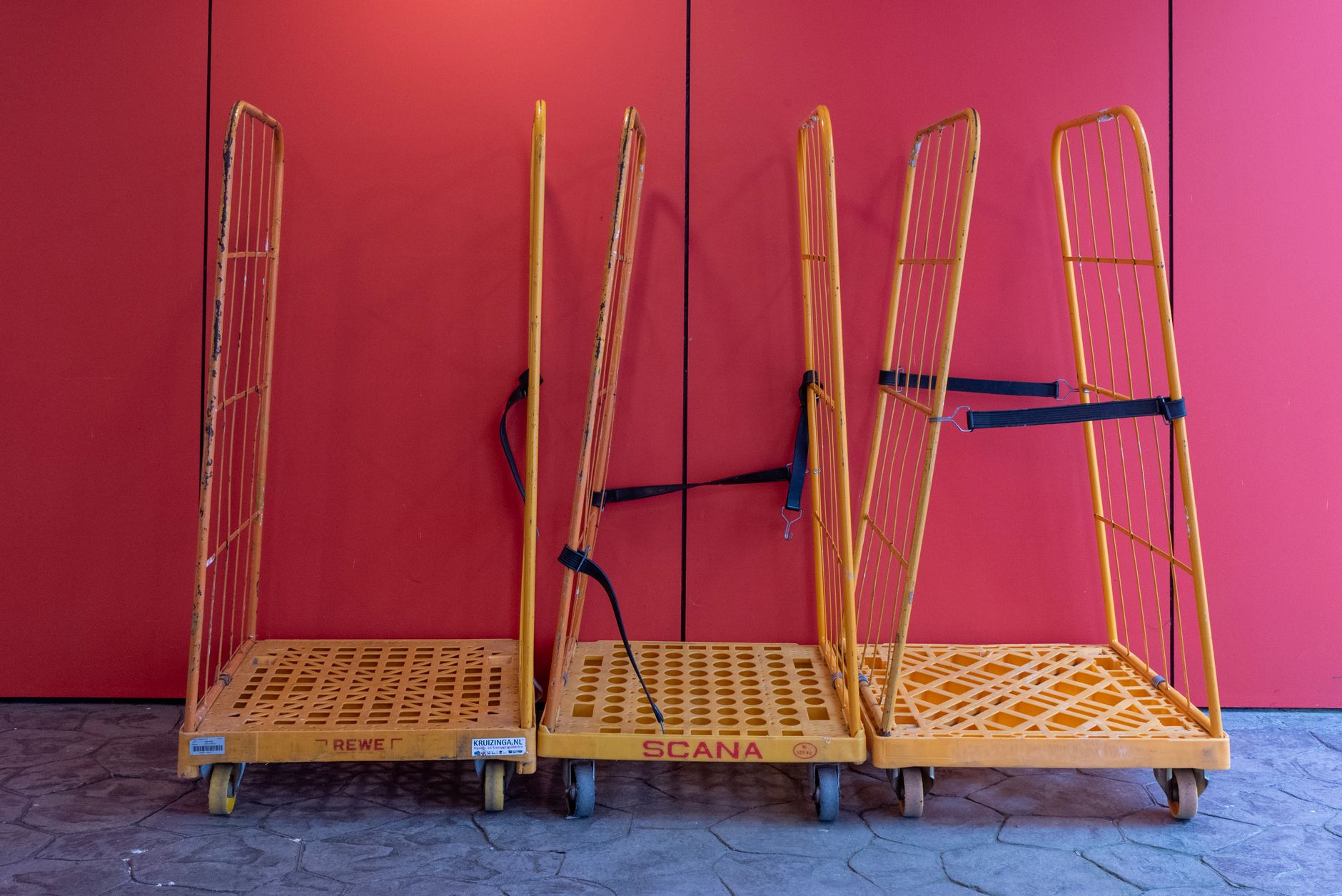
Leadership automated the highest-volume internal move: chair shipping trays from the raw-material zone to final assembly. The plant paired two compact autonomous mobile robots with twenty-four custom red staging carts sized for the trays.
In the updated flow, operators load finished trays onto carts in the raw zone instead of carrying stacks by hand. When a cart is full, an AMR picks it up and delivers it to the correct final assembly area, then returns for the next load.
- Map travel paths between raw assembly and ten-plus cells
- Train operators on cart loading and AMR summon workflows
- Use stabilized carts to reduce drops while robots move through aisles
More than nine hours of walking handed back to assembly

The same customer story reports the manufacturer automated more than nine hours of walking per day. Assemblers now stay at their stations while AMRs handle repetitive cross-plant moves.
Custom staging carts also cut floor-level lifting and gave payloads a stable base in transit. Labor efficiency improved because the robots absorbed the long walks that used to interrupt production work.
What furniture and consumer-goods plants can take from this pattern
This is a documented real-world example, not a Service Robot Co. client story. It still shows how a vendor-neutral integrator can size AMRs to your cart fleet, pilot one repeatable route, and expand once uptime proves out.
Service Robot Co. selects warehouse AMRs and tug platforms across manufacturers, then handles robot rental, lease programs, mapping, training, and nationwide service. A free site assessment is the practical first step when repetitive transport is eating your shift.