an Ohio manufacturer of automotive exhaust components facing repetitive production bottlenecks
How an Ohio Metal Fabricator Raised Throughput 38% on a Repetitive Exhaust Part
An Ohio exhaust-components plant trialed a loaned collaborative tending robot, lifting output to 276 parts per hour from 200 and cutting payback to about 6.5 months.
- 38%
- higher throughput
- 276/hr
- parts after robot
- 6.5 mo
- revised payback
- 3 mo
- loaner trial
Based on a documented real-world deployment. Figures are from public reporting; the organization is not named.
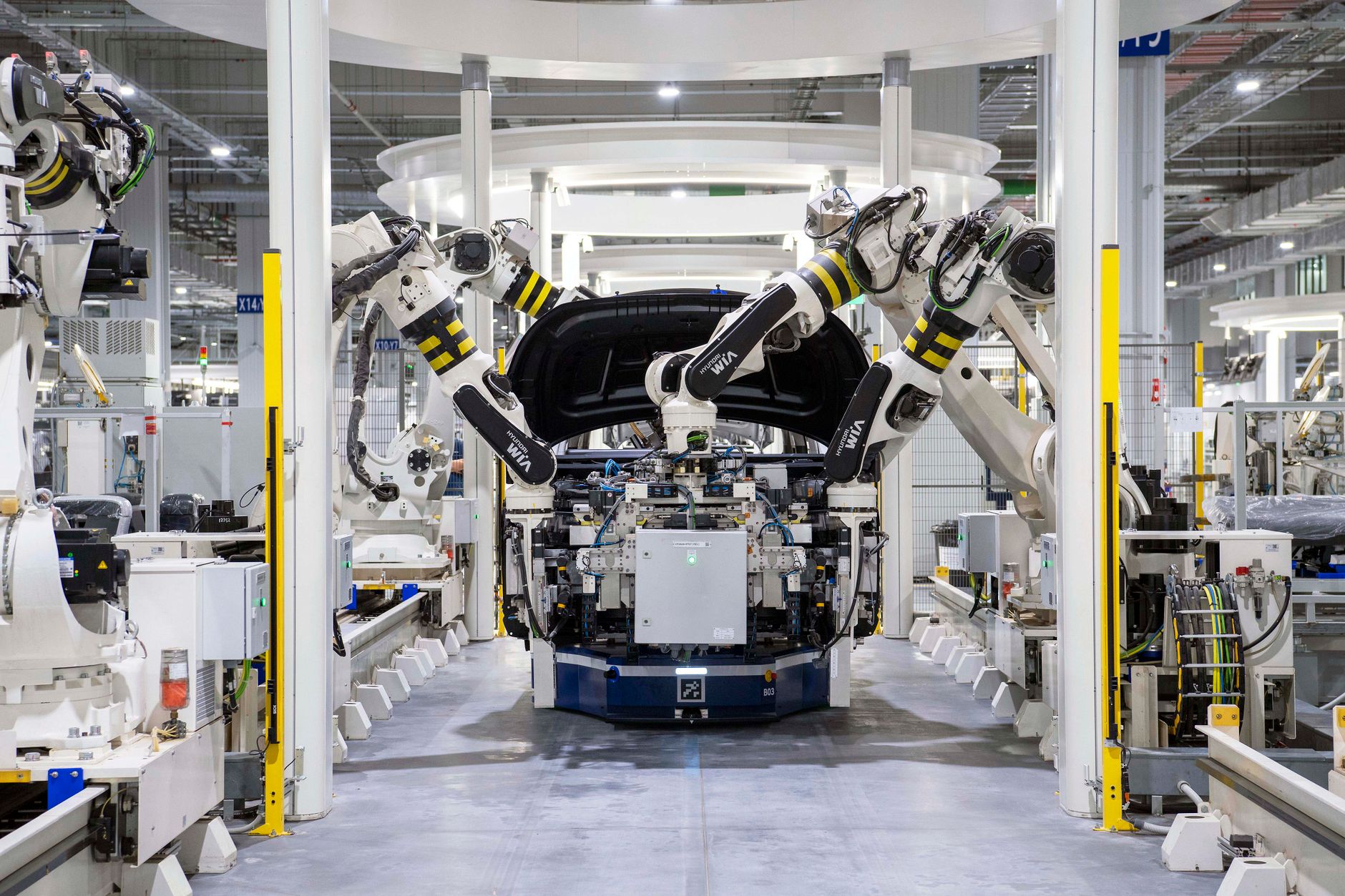
A repetitive tip line with thin staffing
The plant supplies decorative exhaust assemblies to major automakers and tier suppliers, so quality and pace on even small parts matter. One automotive exhaust tip had become a choke point: the task was highly repetitive, hard to keep fully staffed, and sensitive to inconsistency when operators rotated.
Leadership wanted robotics in production but needed proof on the floor before capital approval. Workforce gaps elsewhere meant any automation had to free people for higher value work, not simply hide open jobs on the same station.
- Stabilize cycle time on a repetitive exhaust tip cell
- Test collaborative tending without buying hardware on day one
- Redeploy operators to other shortage areas on the same shift
A three month loaner with MEP engineering support
The company joined a regional manufacturing extension partnership loaner program that places collaborative robots with manufacturers for short beta tests. Automation specialists visited the Mount Vernon area site during a broader facility optimization review, observed the exhaust tip process, and worked with plant engineers to install and program the tending cell.
After a few trial runs the robot ran production. The team tracked parts per hour against the prior manual average and modeled return on investment with the new throughput and labor redeployment.
- Select the exhaust tip as the pilot SKU with clear before metrics
- Install and program the collaborative arm with MEP automation support
- Run parallel trials until the cell sustained higher hourly output
- Model ROI with updated productivity and redeployed labor
Measured gains and a shorter payback window
Productivity rose 38 percent, averaging 276 parts per hour compared with about 200 manually. Operators moved to other shortage areas while the robot handled the repetitive tending rhythm.
Initial forecasts put equipment payback at eleven and a half months. With the higher output and labor savings, the team revised payback to about six and a half months. After the three month loaner trial the plant purchased a dedicated collaborative tending unit for the role and began scouting additional tending candidates elsewhere in the shop.
Why loaner-first cobot pilots fit automotive suppliers
Tier automotive work rarely fails on engineering. It fails on whether you can keep repetitive cells staffed and stable through turnover. A vendor neutral integrator like Service Robot Co. can mirror this loaner mindset with cobot rental, pilot programs, and try before you buy paths so you prove cycle time on one SKU before you standardize tending across exhaust, bracket, or small weld cells.
We select arms across manufacturers, finance the deployment, integrate with your existing stations, train operators on exceptions, and back the cell with nationwide service. That single partner model matters when a six month payback window is the difference between buying one robot and rolling tending to the next bottleneck.