a Fortune 500 optical-fiber manufacturing campus in the United States
How an Optical-Fiber Plant Cut Floor-Cleaning Labor Costs 33% With an Autonomous Scrubber
A Fortune 500 optical-fiber campus cut floor-cleaning labor costs 33% with a docked autonomous scrubber covering 32,000+ sq ft five nights a week.
- 33%
- Labor cost cut
- 32K+ sf
- Nightly coverage
- 5 nights
- Weekly schedule
- 100%
- Night coverage
Based on a documented real-world deployment. Figures are from public reporting; the organization is not named.
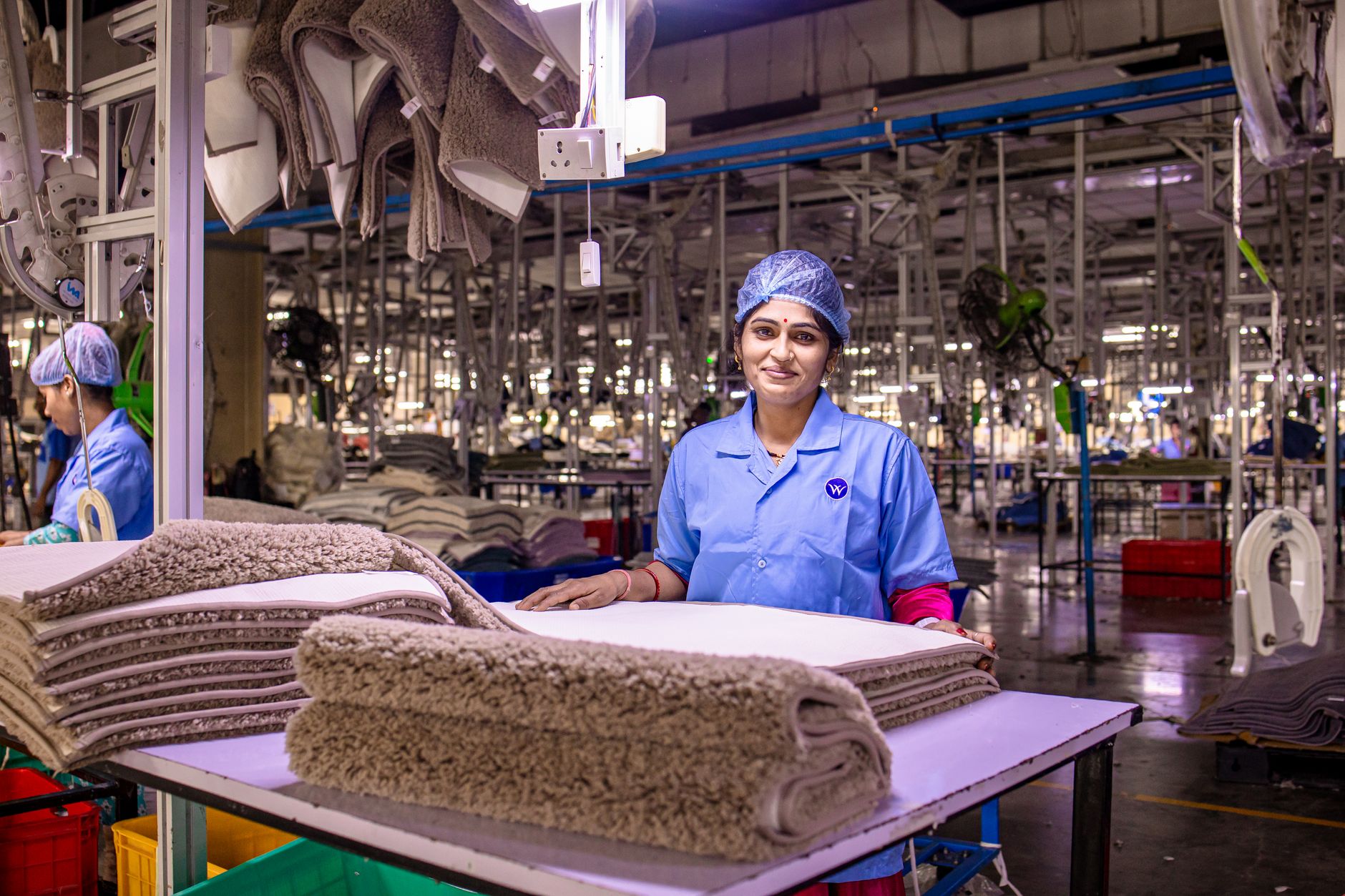
Nightly scrubbing under staffing pressure
The flagship optical-fiber plant runs high-throughput production where dust control and slip resistance matter as much as uptime. Nightly floor care had to stay predictable even as cleaning crews were harder to staff.
Manual scrubbing tied coverage to whoever was available, which raised the risk of missed aisles when attendance dipped. Leadership wanted industrial-grade results without pulling production technicians into mop work.
The layout also lacked an obvious place to dock a scrubber for automatic water fill, drain, and charging, so any automation plan had to fit real utility routing, not an idealized floor plan.
- Labor shortages on night cleaning
- Need for consistent safety and quality floors
- No natural dock location for full automation
Docked scrubber with custom wastewater routing
The site deployed a high-performance industrial autonomous floor scrubber paired with an automated docking station so the unit could charge, refill, and dump without an operator standing by.
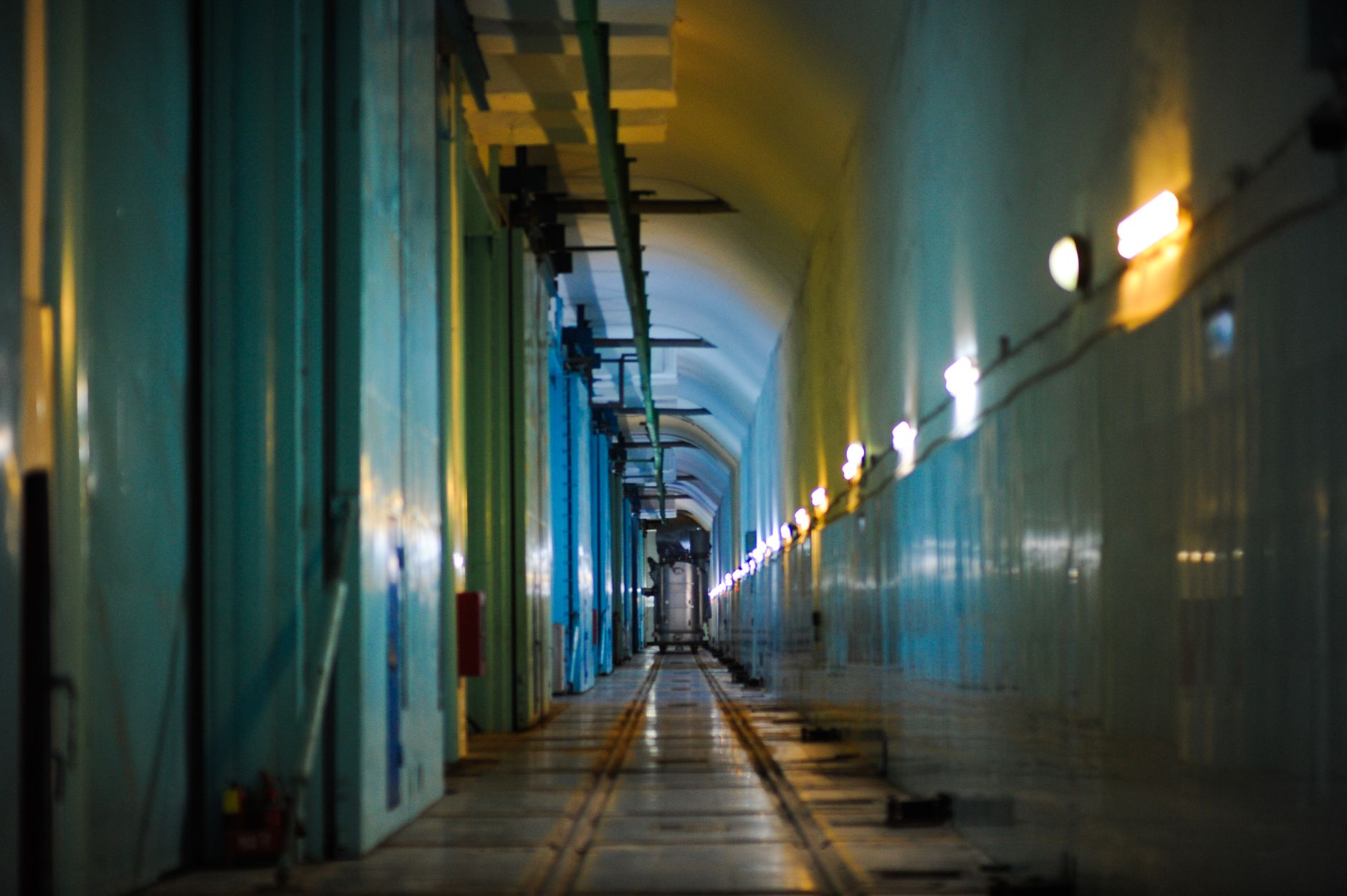
Because no ideal dock location existed, the integration team added a lift that pumps wastewater ten feet over a wall into a nearby sump pit. That custom plumbing let the robot run full nightly routes inside an active manufacturing footprint.
Routes were programmed for autonomous passes with telemetry and nightly performance reporting so facilities leaders could verify coverage digitally instead of walking every aisle.
- Autonomous scrubber plus auto dock
- Custom lift to sump for wastewater
- Nightly telemetry and coverage maps
- Five-night-per-week route schedule
Verified labor and coverage gains
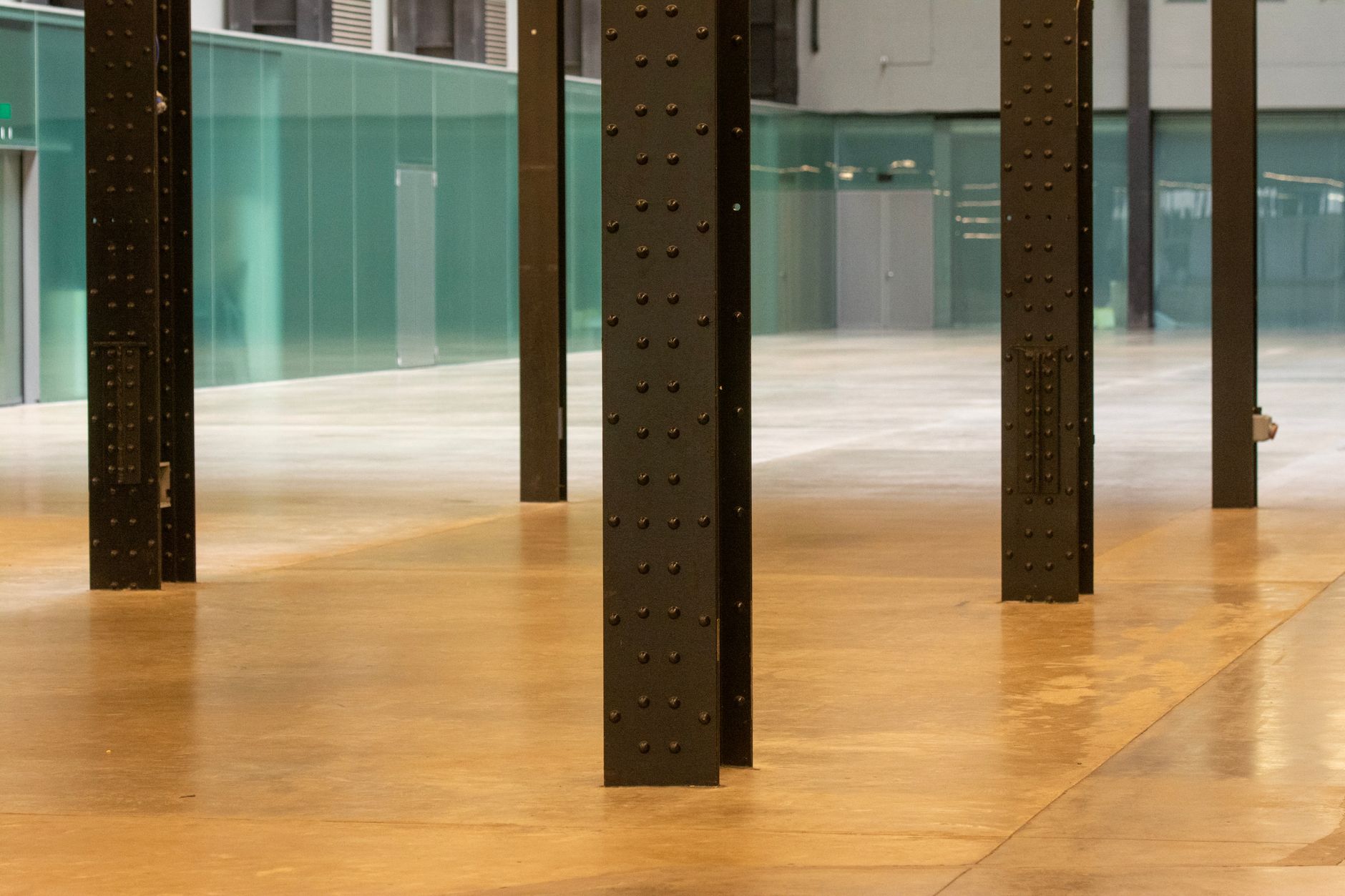
Floor cleaning labor costs fell 33% after the autonomous workflow replaced much of the manual night scrubbing burden.
The scrubber now covers more than 32,000 square feet five nights per week with steady performance and fewer gaps tied to absenteeism.
The program reports 100% nightly floor-cleaning coverage, which supports slip-and-fall risk reduction for employees and visitors while holding quality standards on a busy production floor.
Financial reviewers cited roughly a 1.5 year payback on the equipment investment, which leadership treated as proof that industrial autonomous cleaning can pencil in even on capital-sensitive manufacturing budgets.
What US manufacturers can take from this deployment
This story comes from a published facilities case, not a Service Robot Co. customer file. It still shows how a vendor-neutral integrator can match scrubber size, dock hardware, and plumbing work to a messy real plant.
Service Robot Co. runs site assessments, maps autonomous routes, structures commercial cleaning robot rental or purchase with maintenance included, and keeps US engineers on call when a lift station or dock needs adjustment after a production layout change.
If your plant already spends skilled hours on powder control or aisle scrubbing, a five-night pilot on your highest-traffic zone is a practical way to test 32,000-square-foot-class coverage before you scale fleet software across the campus.