
a commercial orchard-spraying contractor
Orchard Spraying Case Study: 40 to 50 More Acres Daily
A commercial orchard-spraying contractor used autonomous sprayers to cover 40 to 50 additional acres per day with a four-person crew amid labor pressure.
- 40 to 50
- more acres per day
- 4-person
- crew behind the gain
- 1 operator
- can monitor the fleet
- Up to 8
- sprayers under one operator
Based on a documented real-world deployment. Figures are from public reporting; the organization is not named.
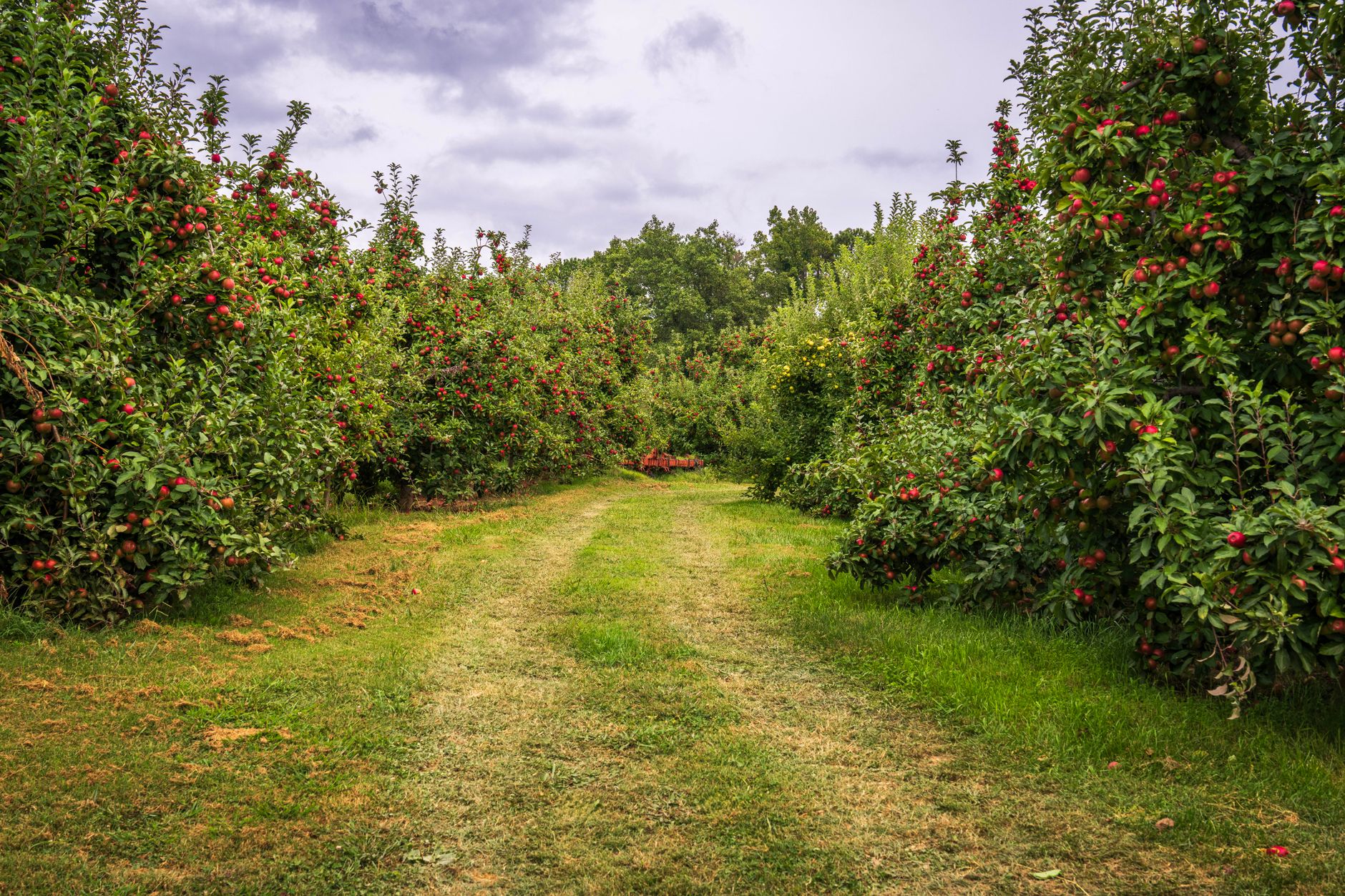
Why the Old Spray Rhythm Was Falling Short
The pressure on this operation was blunt. Labor costs were rising, and the traditional manpower-driven tractor approach left too much daily acreage tied to operator availability and avoidable downtime.
The target was not novelty. It was more covered ground in the same working day, with a four-person crew that could stay productive without absorbing the drag of constant stop-and-go field work.
- Rising labor costs
- Downtime in the conventional spraying routine
- Need for more daily acreage from the same crew size
Shift the Crew From Driving to Supervising
Public reporting does not lay out a step-by-step rollout calendar, so the clearest reading is operational. The contractor adopted an autonomous orchard sprayer workflow that moved people toward setup, oversight, and intervention instead of putting an onboard driver on every machine.
The same source also describes the field method behind that shift. Existing crews map the orchard, configure the sprayers for the job, assign routes, and monitor progress remotely from a pickup with a laptop.
- Build a field map and confirm it on-farm
- Configure nozzles, speed, pressure, flow rate, and rows per refill
- Assign routes to each sprayer
- Monitor multiple sprayers remotely and step in when needed
Measured Gain in Daily Coverage
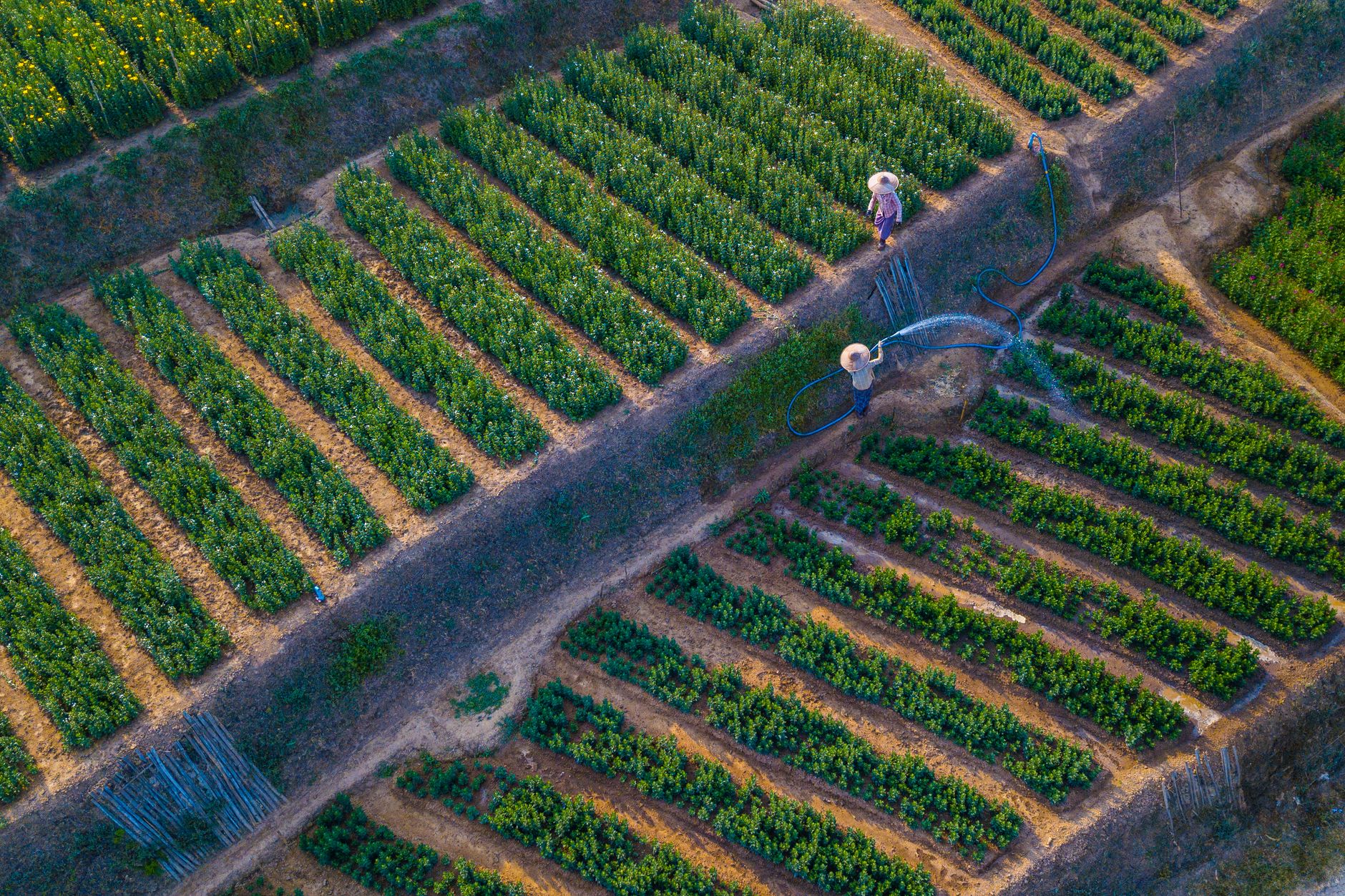
The headline result is clear in the source. A commercial orchard-spraying contractor covered 40 to 50 more acres per day with a crew of four than it did with the traditional manpower-driven tractor approach.
The reported upside was not just acreage. The crew specifically pointed to efficiency, safety, and precision, then added two practical advantages that matter in specialty agriculture: less liability and more dependability.
What This Means for Buyers Considering Orchard Automation
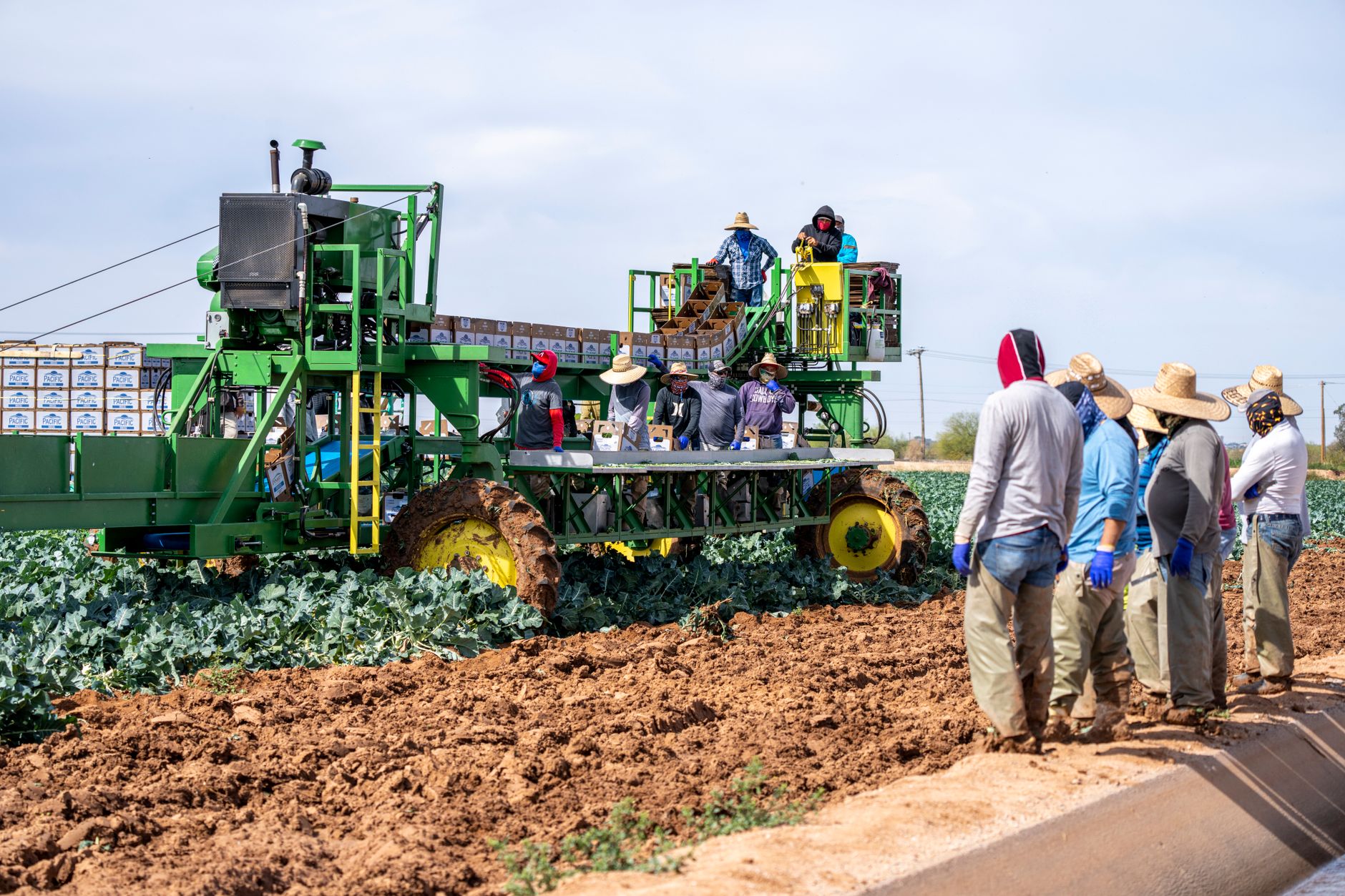
This is a documented public example, not a claimed Service Robot Co. deployment. Its value is in showing what buyers should screen for before they commit to an autonomous orchard sprayer: the right machine, a workable field setup, crew training that sticks, and support that continues after go-live.
That is where Service Robot Co. fits. As a vendor neutral robot integrator for U.S. businesses, the company helps buyers compare robots across manufacturers, structure buy, lease monthly, or leasing options, then handle robot deployment and integration, training, and service through one lifecycle partner.