a facilities management contractor serving a top-ranked orthopedic hospital in the southeastern United States
How an Orthopedic Hospital Freed Four Hours Daily and Cleared a Month-Long Backlog
A southeastern U.S. orthopedic hospital site gained four daily hours and weekly deep cleans after an autonomous floor scrubber covered 75,000+ sq ft of corridors.
- ~4 hrs/day
- EVS time returned to detail work
- 75K+ sq ft
- Hospital cleanable floor area
- 1 week
- Former monthly deep-clean cycle
- Top 100
- National hospital ranking band
Based on a documented real-world deployment. Figures are from public reporting; the organization is not named.
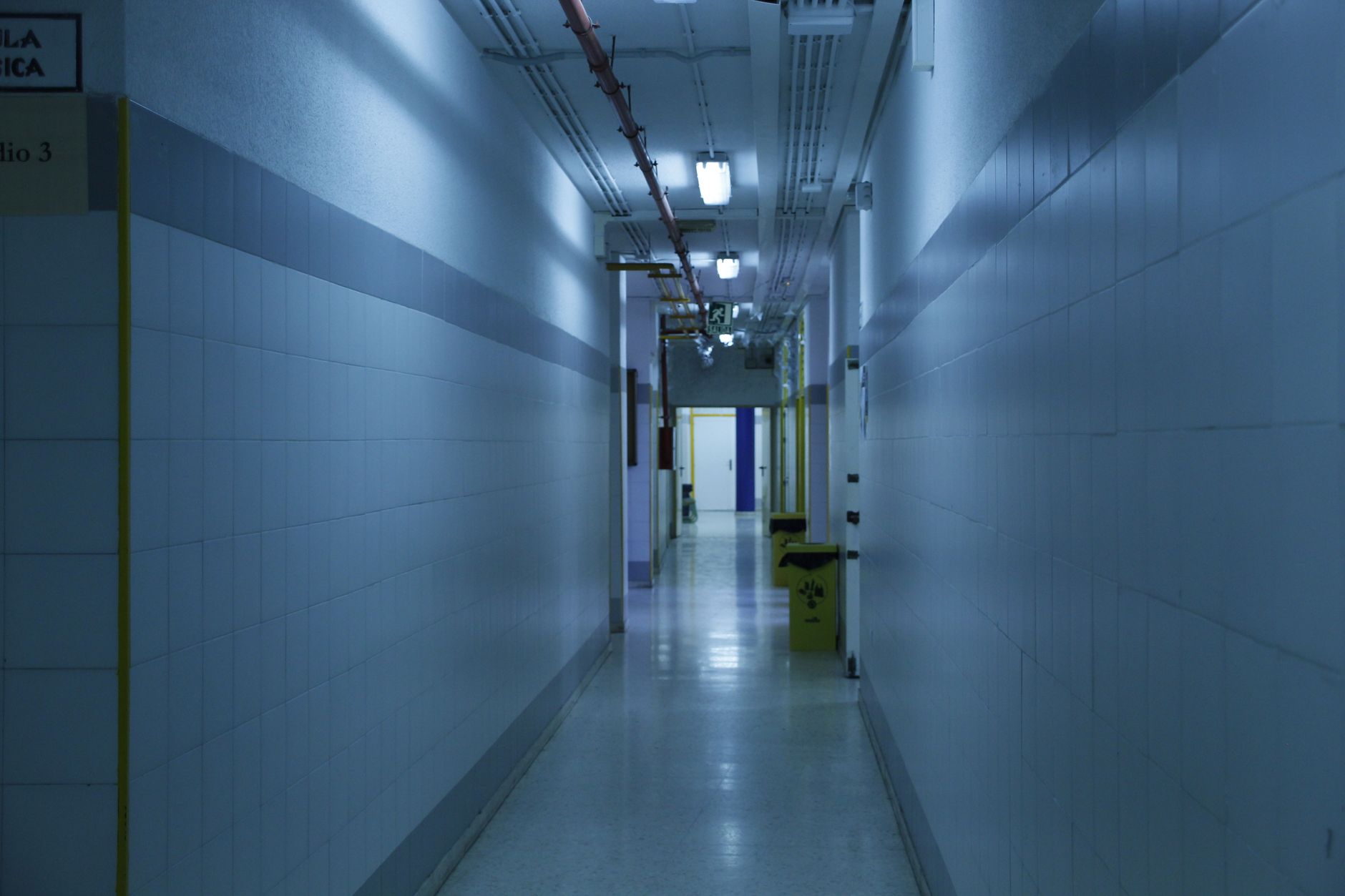
Hallways on a catch-up schedule
Environmental services at this top-ranked orthopedic campus spans more than 75,000 square feet of cleanable floor. Corridors carry constant foot traffic, wheeled equipment, and spill risk. Manual scrubbing tied skilled staff to repetitive passes that crowded out restrooms, high-touch disinfection, and the monthly projects leadership kept deferring.
Vacuuming and wet scrubbing are the most routine chores in healthcare EVS. When every hallway run requires a dedicated worker, frequency drops. Deep tasks slip to a monthly rhythm even when census and infection-control expectations stay high.
- Limited staff hours spread across high-visibility corridors and critical care zones
- Monthly deep-clean backlog on tasks that infection prevention wanted weekly
- Competition for labor in a market that expects hospital-grade presentation daily
Autonomous scrubbing beside the existing crew
The contractor evaluated autonomous floor scrubbers for price, upkeep, and real-world performance on hard flooring. After mapping high-traffic loops, the team programmed routes and trained EVS leads in a short session so the unit could deploy on schedule without pulling nurses or technicians off clinical work.
The scrubber was scoped for main corridors first, then expanded onto ceramic tile zones that were not in the original plan. Daily autonomous passes became the baseline, with staff steering detail work toward restrooms, touchpoints, and projects that used to wait for a free weekend.
- Route programming focused on high-visibility hallway loops
- Cross-training so any EVS lead could start a scheduled scrub cycle
- Phased expansion from planned corridors into additional hard-floor areas
Measured time back and a faster deep-clean cadence
Operations leadership estimates roughly four hours returned to the team each day now that autonomous scrubbing owns the repetitive wet work. Hallways that once saw a scrubber only when staff could spare the shift now get multiple passes per day.
Work that routinely took a month to finish now lands inside about a week, even with a full roster on site. Staff redeployed hours toward restrooms, high-touch surfaces, and detail cleaning the hospital customer notices. Leadership reported planning additional autonomous units after seeing daily coverage hold through peak weeks.
What this pattern means for your buildings
Service Robot Co. is a full-service, OEM-neutral commercial robot integrator for U.S. businesses. We match autonomous scrubbers and other categories to your floor plan, then handle financing, deployment, integration, training, and nationwide service through one partner.
A commercial robot rental or month-to-month floor scrubber program can put autonomous overnight cleaning on your corridors without a long-term capital bet. Maintenance-included service plans and vendor-neutral selection keep the right machine on your tile, with go-live support and on-site dispatch when you need backup coverage.