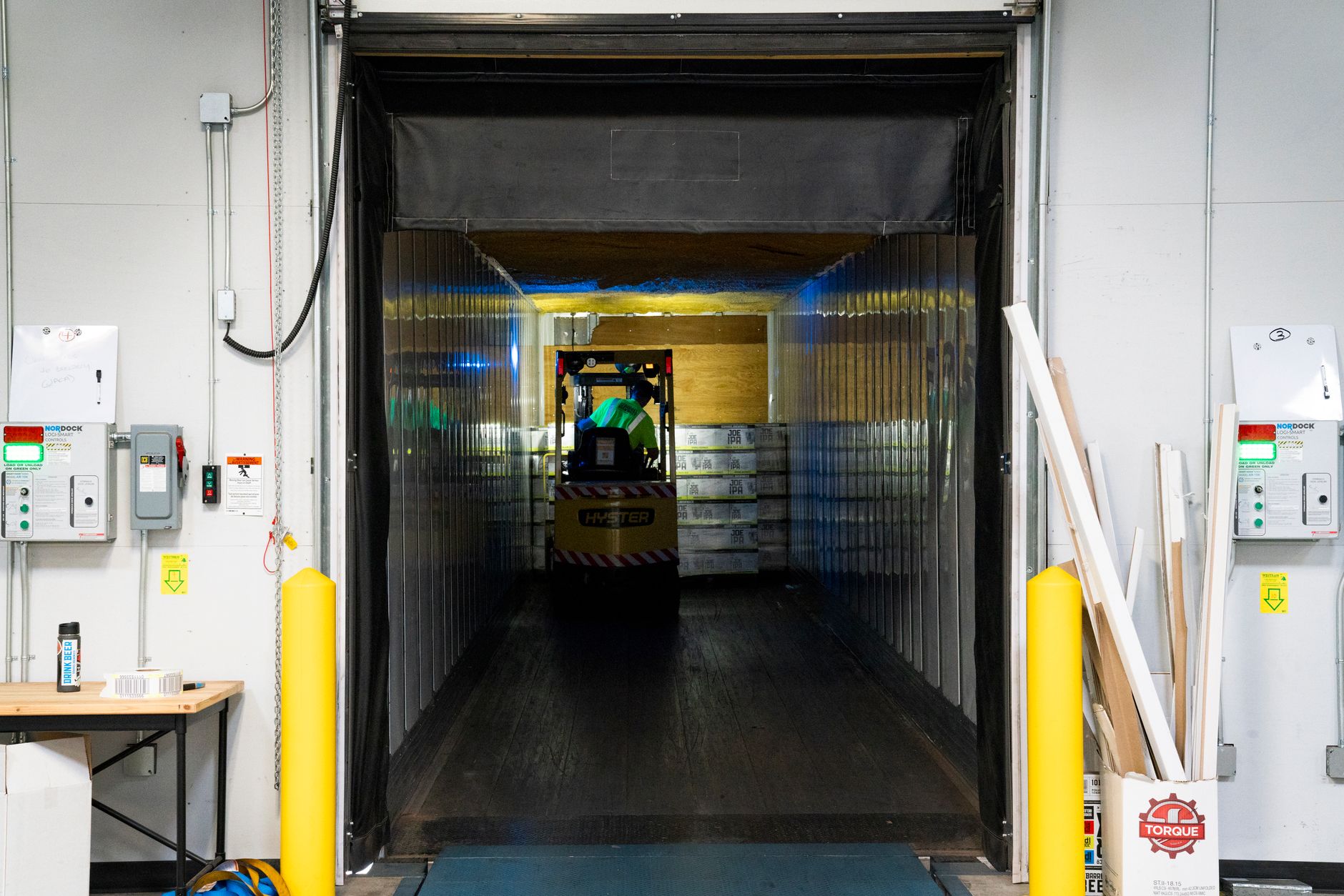
a fast-growing outdoor-gear and apparel distribution center
Outdoor Retail DC Raises Picking Productivity 2.6x With AMRs
See how a fast-growing outdoor-gear and apparel distribution center raised picking from 35 to 90 units per hour with collaborative AMRs before peak.
- 2.6x
- Picking productivity
- 90 UPH
- Average robot-assisted rate
- 53 days
- Contract to implementation
- 5 workers
- Outpicked former peak team
Based on a documented real-world deployment. Figures are from public reporting; the organization is not named.
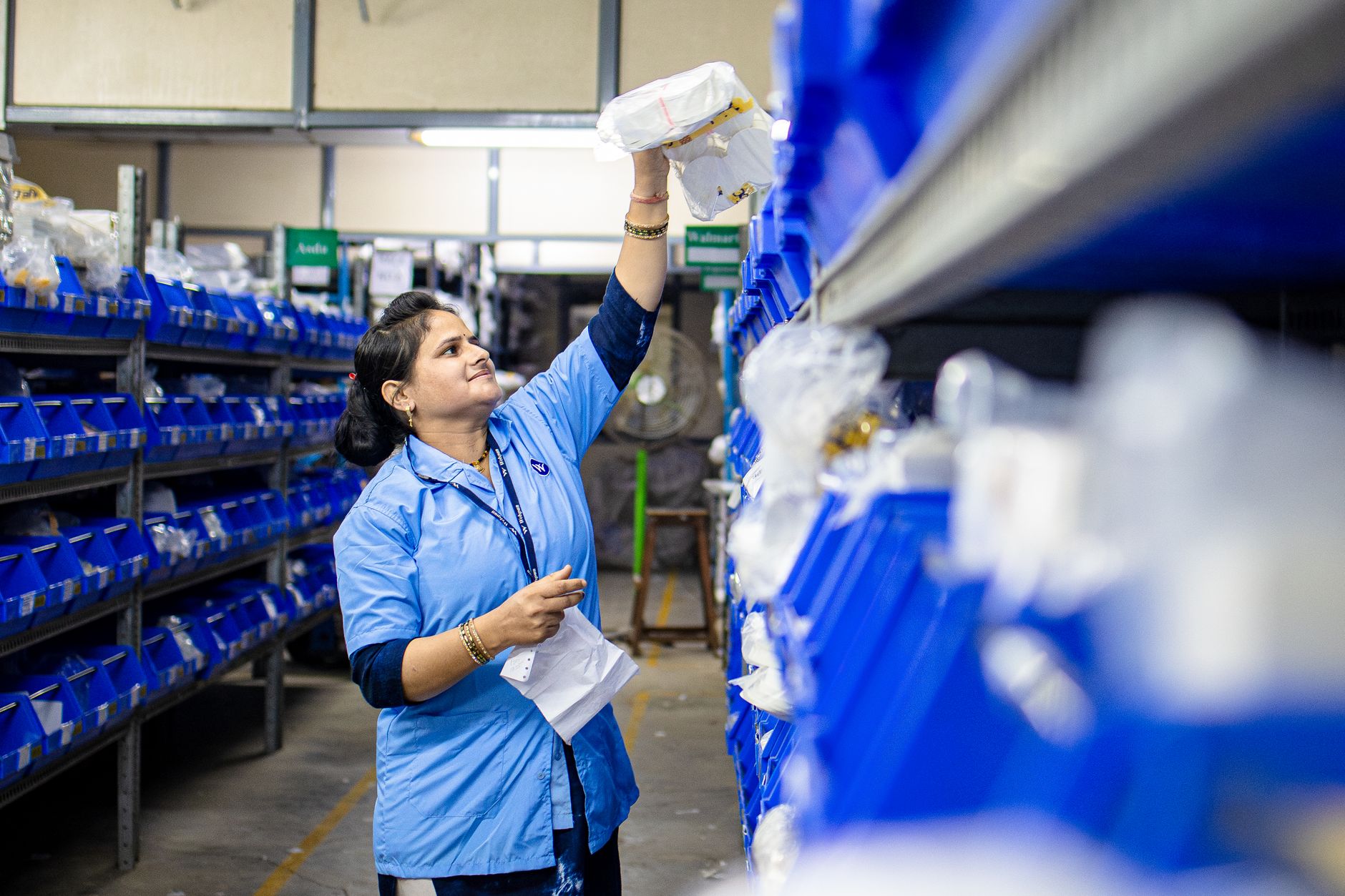
Peak Demand Met a Fixed Building
A fast-growing outdoor-gear and apparel distribution center needed greater fulfillment capacity before its winter peak. Hiring temporary and seasonal labor had already proved difficult, while conventional cart picking became chaotic and unsustainable under heavy demand.
The brownfield building left no room for physical reconstruction on the required timeline. At peak, teams of 10 to 15 pickers worked through congested bins, increasing the risk of mixed SKUs and orders. The operation needed more output from the aisles it already had.
- Seasonal hiring could not reliably meet fulfillment goals
- Manual carts limited average picking to 35 units per hour
- Crowded bins made SKU and order separation harder
- The facility could not accommodate a major physical rebuild before peak
Collaborative Picking Inside the Existing Footprint
The operation and its integration partner selected collaborative, in-aisle AMRs suited to a brownfield deployment. Compatibility with the existing warehouse management system was a decisive consideration, allowing the project to build on established workflows instead of forcing physical reconstruction.
The first phase placed 10 robots in the facility. Implementation was completed 53 days after contract signing and reached go-live in time for peak. During peak periods, the operation leases 7 additional robots and returns them when demand subsides, a practical model for elastic capacity.
The source does not publish a formal training curriculum, training duration, or maintenance arrangement. It does report strong worker enthusiasm from the outset, along with an easy implementation and go-live, supporting a measured conclusion that operator adoption was positive.
- Match collaborative AMRs to the brownfield layout and current warehouse system
- Deploy an initial fleet of 10 robots before peak
- Use 7 additional leased units when seasonal volume rises
- Return seasonal units as demand settles
More Picks From Fewer Aisle Miles
Average productivity rose from 35 units per hour with manual carts to 90 units per hour with collaborative AMRs. That is the documented 2.6x productivity increase. Some workers reached 125 units per hour, although 90 remained the reported average.
Labor effectiveness changed just as sharply. Five workers collaborating with AMRs picked more tasks than teams of 10 to 15 workers had completed with manual carts. The source does not claim layoffs, so the result is best understood as greater peak capacity from a smaller active picking team.
The deployment also established a flexible operating pattern. Ten robots formed the initial fleet, while 7 leased units supplied seasonal capacity without a permanent facility rebuild.
A Practical Pattern for Brownfield Distribution
This is a documented industry example analyzed by Service Robot Co., not a Service Robot Co. client deployment. Its lesson is specific: a distribution center robot lease or phased AMR fleet deployment can add picking capacity inside a constrained building while preserving the option to scale around seasonal demand.
For comparable projects, Service Robot Co. acts as a vendor neutral robot integrator for US businesses. We assess the floor, select equipment across manufacturers, arrange purchase or lease and monthly payment programs, then handle robot deployment and integration, training, go-live support, and ongoing service through a nationwide US engineer network.
That one-partner model gives operators a single accountable vendor across the equipment lifecycle. An autonomous mobile robot lease, warehouse robot leasing, or financed fleet can be evaluated against the site's layout, order profile, warehouse system, and peak calendar before a rollout path is set.