an underground gold-and-copper mine in western Canada
How an Underground Mine Raised Loader Productivity More Than 55%
Autonomous loaders at a western Canada gold-and-copper mine added 75 buckets per shift, sped trams 60%, and cut collision damage to zero.
- >55%
- Loader productivity gain
- +75
- Buckets per shift
- 60%
- Faster trams
- $0
- Monthly collision damage
Based on a documented real-world deployment. Figures are from public reporting; the organization is not named.
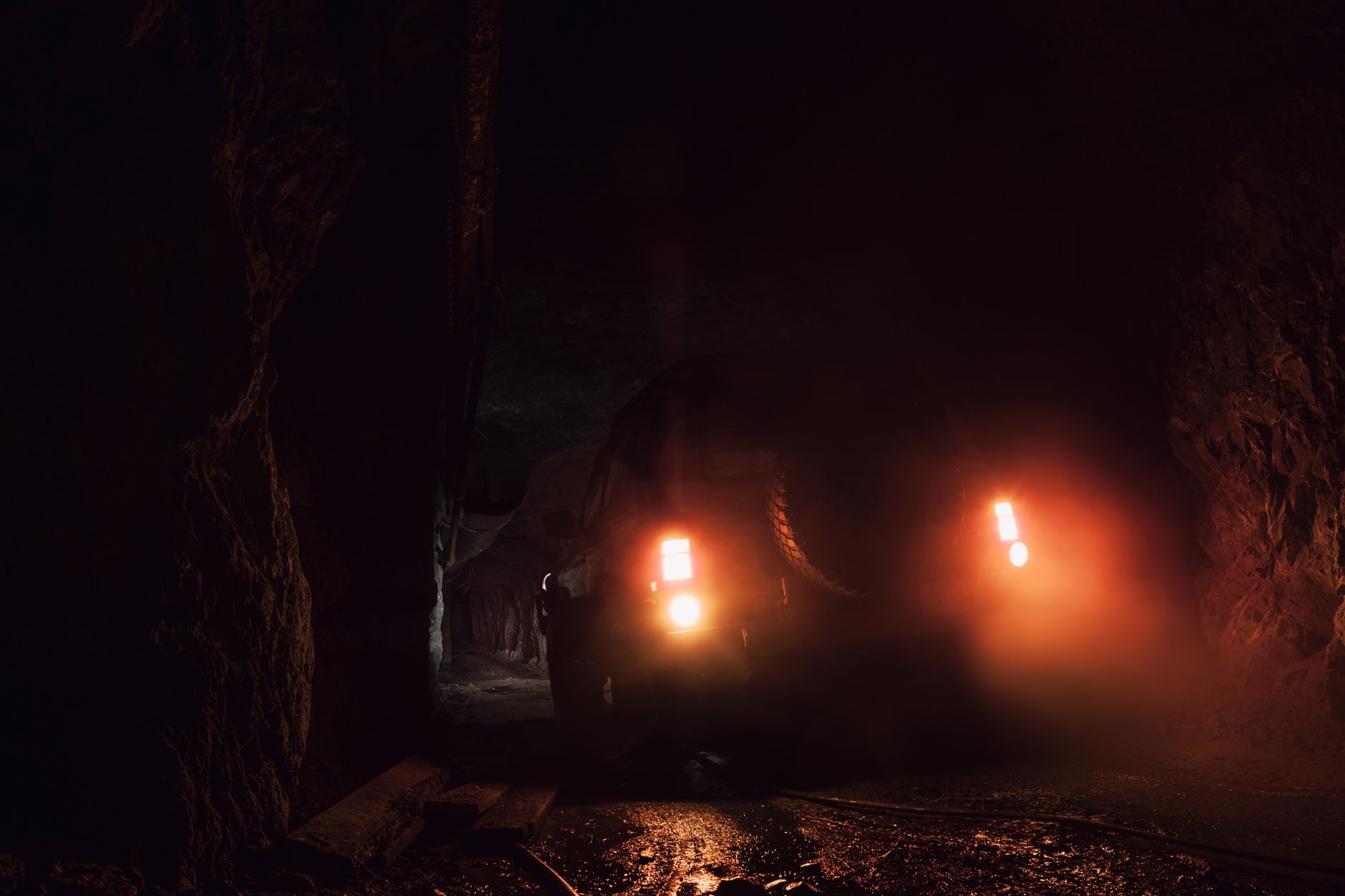
Production stuck behind line-of-sight loading
The operation runs a block cave that moves thousands of tons of ore daily, so every drawpoint delay shows up in the mill feed. Mud rush risk forced the mine to stop manual mucking in the highest-risk drawpoints and rely on line-of-sight tele-remote loading instead.
That remote setup kept people out of the worst zones, but it could not keep pace with rising tonnage targets. Loaders still needed an operator watching every move underground, and tight corners meant frequent contact between steel and rock.
Collision repairs and downtime on those tele-remote units were draining budget every month while trams stayed slower than the mine needed.
- Mud rush hazards limited where manual loading was allowed
- Line-of-sight tele-remote could not match block cave output
- Tight drifts drove recurring loader collision repairs
Surface control for an underground fleet
Leadership modeled productivity if autonomous underground loaders could muck from drawpoints to ore passes without an operator in the cab. Trials showed one automated unit could move 75 more buckets each shift than the tele-remote approach, a gain above 55 percent.
The mine mapped drives with live scanners and laptop tools, then commissioned the first automated loader while a second unit followed the same playbook. Operators moved to a surface control room where one person could supervise multiple machines navigating load and dump points under a supervisory traffic system.
Payback math compared the production loss of staying on tele-remote against the cost of a new loader. The business case cleared in roughly two months of operation once the first unit was live.
- Ran trials against tele-remote bucket counts per shift
- Mapped extraction drives for autonomous navigation
- Shifted operators to a surface control room
- Commissioned automated loaders on the extraction level

Measured gains on buckets, speed, and repair bills
Within a week of commissioning, the first automated loader was already beating tele-remote output on the same routes. Across a typical 100 meter tram from drawpoint to ore pass, cycle time fell about 60 percent compared with line-of-sight operation.
Bucket counts rose 75 per shift on the automated unit, matching the pre-install forecast and lifting overall loader productivity more than 55 percent. Precision steering and onboard collision avoidance allowed higher tram speeds without the scrapes that had been common in narrow turns.
Direct collision damage that had averaged about ten thousand dollars per loader each month on the tele-remote fleet fell to zero after automation went live. Faster trams and fuller buckets flowed straight into the block cave tonnage the mill was built to consume.
What this pattern means for US operators
This story is a documented industry example, not a Service Robot Co. customer file. It still shows why a vendor-neutral integrator matters when autonomy touches revenue-critical equipment.
Service Robot Co. selects autonomous mobile and material-handling robots across manufacturers, then handles financing, deployment, integration, training, and service through a nationwide US engineer network. Mines, plants, and warehouses that face tight aisles or labor gaps can run a commercial robot demo or month to month robot lease before they buy.
Phased deployment and go live support keep production moving while staff learn new control-room workflows, the same discipline this mine used when it mapped drives before turning autonomy on.