a plumbing contractor moving a large tank into constrained underground parking
How an Underground Tank Move Cut Crew Size from Six to Two
A plumbing contractor faced a sloped route into underground parking. Remote load-moving robots finished in hours with two operators versus a two-day, six-person manual plan.
- 6→2
- Operators
- 2 days
- Manual plan
- Hours
- Actual window
- Slope
- Constrained route
Based on a documented real-world deployment. Figures are from public reporting; the organization is not named.
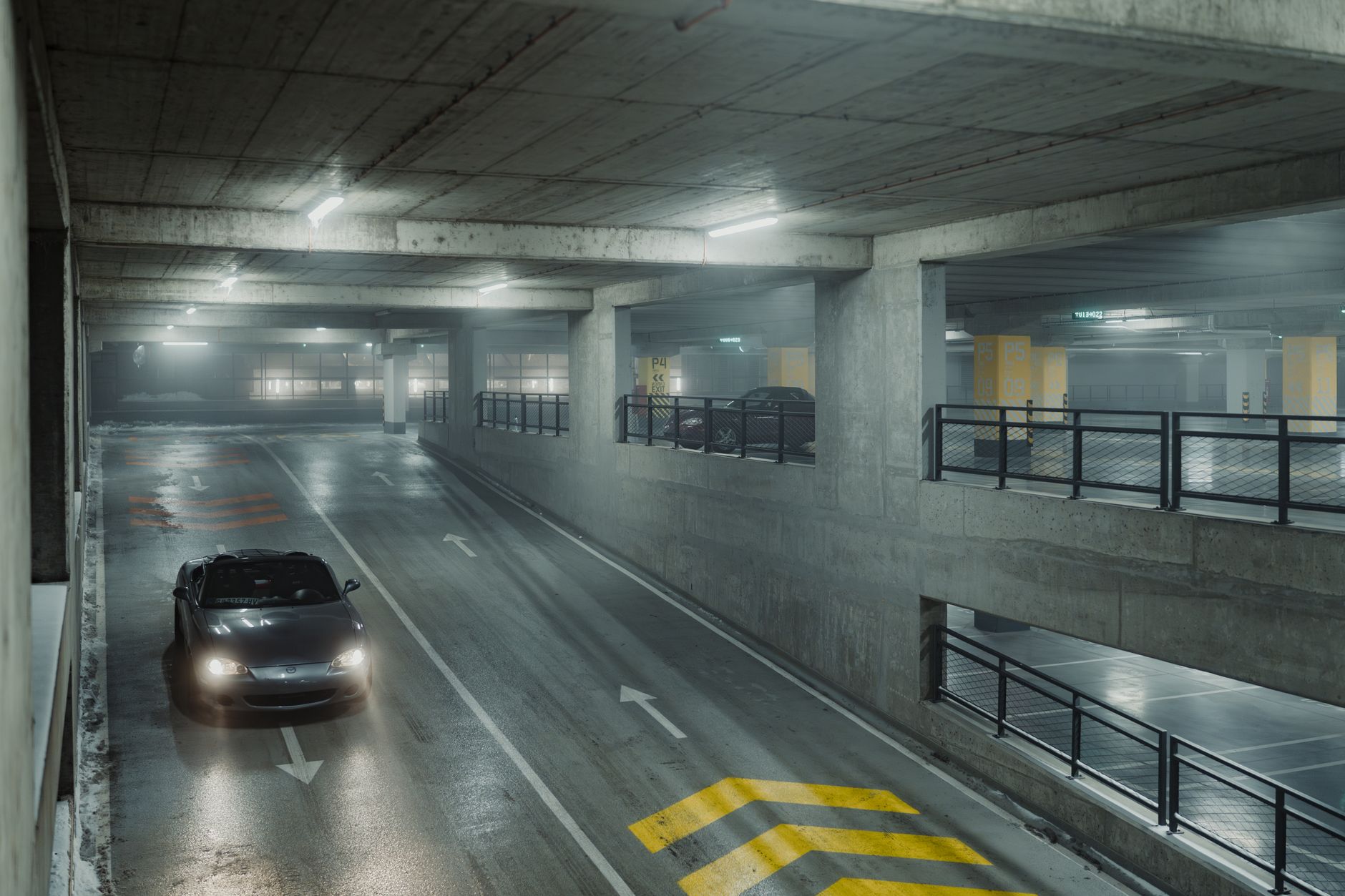
A tank route forklifts could not own
A plumbing contractor moving a large tank into constrained underground parking had to cross a sloped approach, pass through a doorway too narrow for standard forklifts, and finish under low headroom in the garage level. The geometry turned a routine rigging job into a slow, hands-on march.
The contractor's own planning assumed two full workdays and six people to guide, brace, and secure the tank while it crept downhill. Every extra handler increased communication load and pinch-point risk on the incline.
- Door opening blocked safe forklift entry
- Incline plus low ceiling limited lifting options
- Manual guiding would tie up half a dozen workers for two days
Compact remote movers with guided support
The crew brought in compact remote-controlled load-moving robots sized for tight industrial paths. Operators stayed off the load line while steering precise creep on the slope.
A forklift stayed outside the restricted doorway and acted only as a guide support, not as the primary tractive force through the choke point. That pairing kept the tank stable on the incline while the robots handled controlled descent into the underground bay.
- Survey the slope, doorway, and headroom before the move day
- Position guide support where forklifts can still reach safely
- Walk the robots through the incline under remote control
- Set the tank in the parking level with final inching and spotters
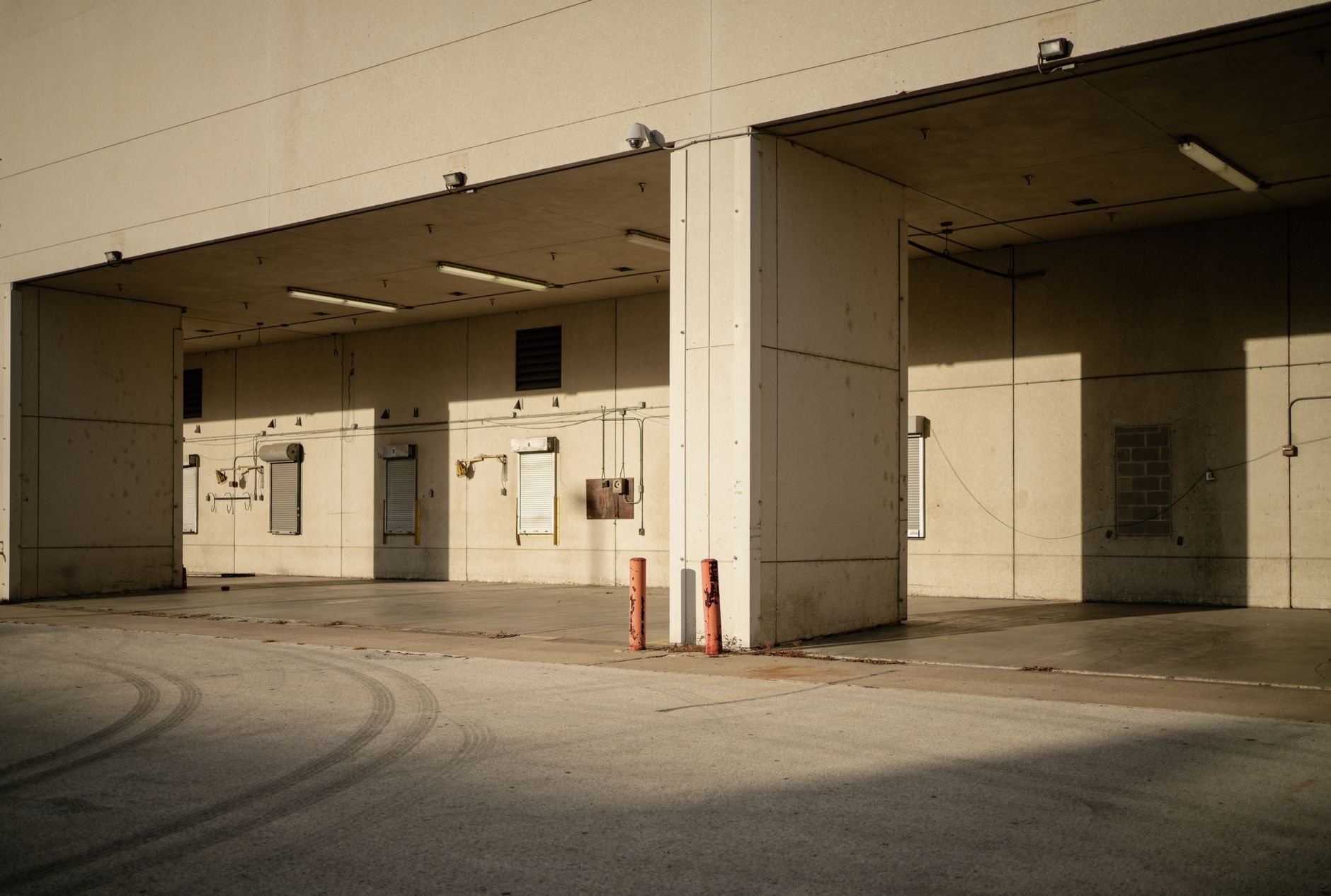
Hours instead of two days, two people instead of six

Against the contractor's manual estimate of two days with six workers, the documented move finished in a few hours with two operators running the remote load movers. The tank reached the underground parking area without incident on the sloped path.
Crew demand fell from six to two, and the calendar window shrank from two full days to a single short shift block. Handling stayed controlled on the incline, which was the core safety worry when forklifts were ruled out.
When tight sites need material handling without a forklift
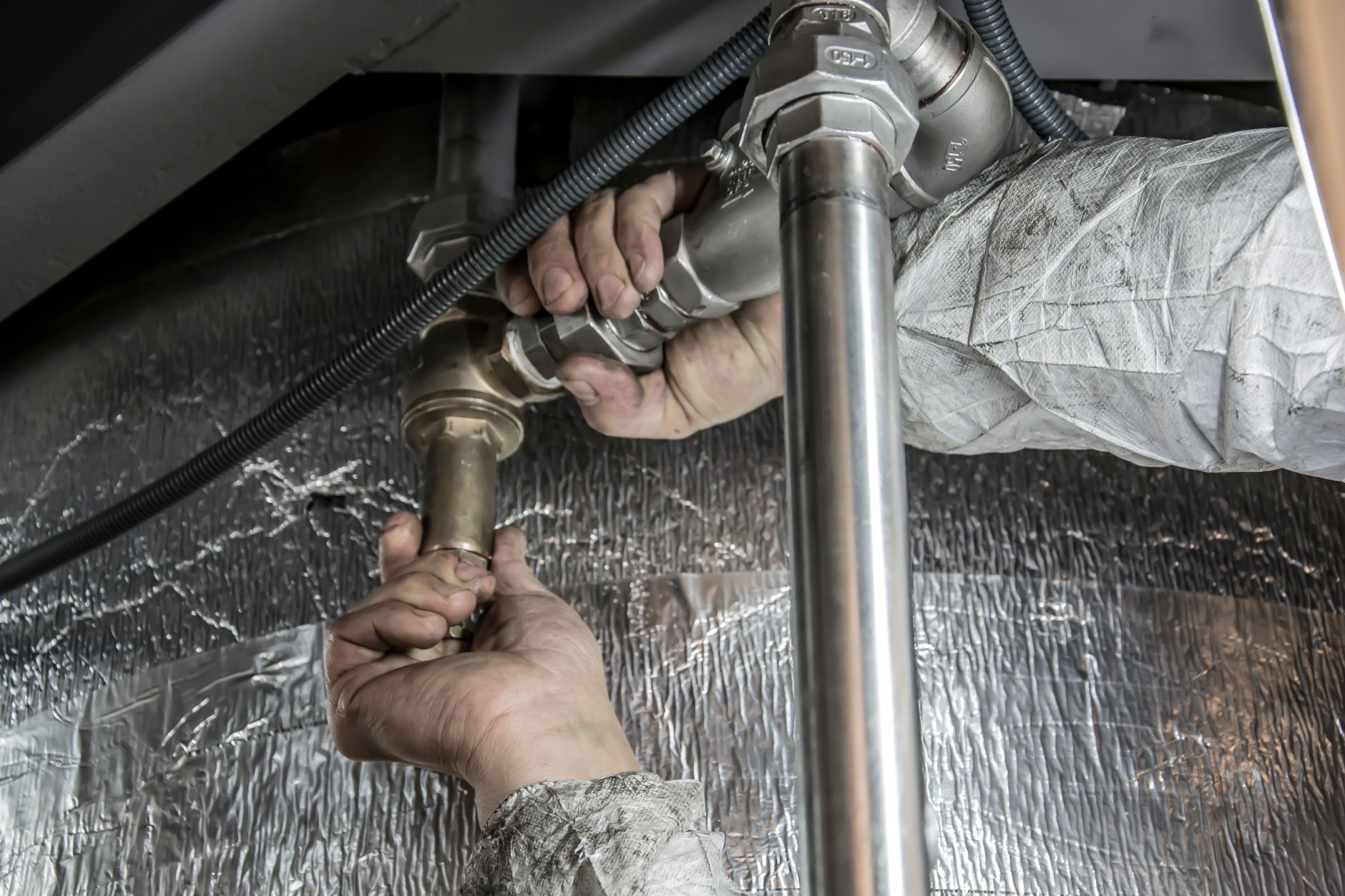
Service Robot Co. did not execute this plumbing rigging job. We study published field moves so US integrators and contractors can compare robot leasing for business paths before they commit capital.
The pattern fits our OEM-neutral role: match remote-controlled load movers or cart-pulling robots to your floor, finance through monthly payment programs or lease rental or sale structures, train two operators instead of staffing a six-person rope team, and keep units maintained through nationwide dispatch. A short pilot on one constrained route can prove crew and calendar savings before you standardize underground or parking-garage moves.