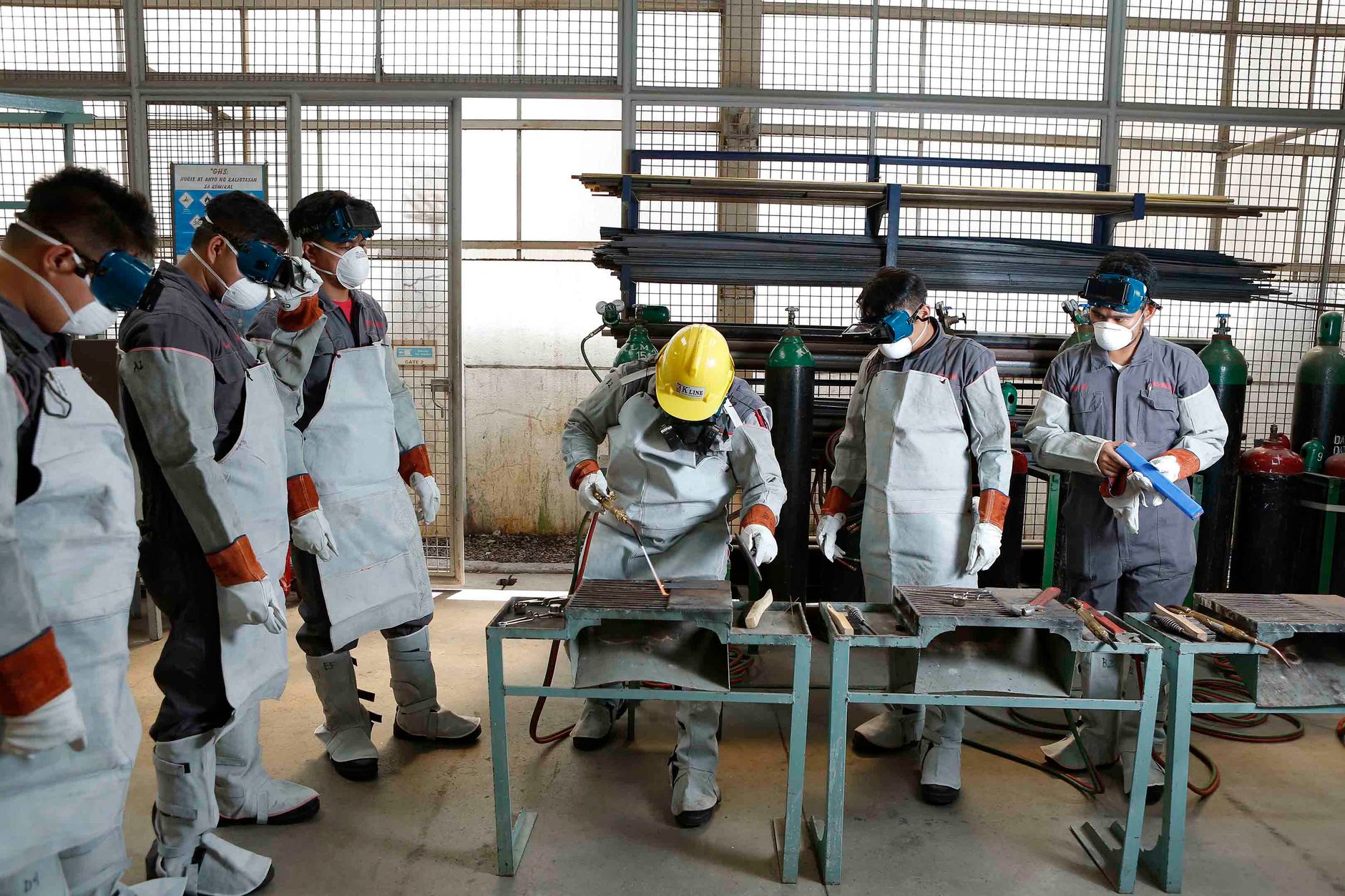
a multinational grain handler’s storage sites in Colorado and Kansas
Grain Bin Inspection Time Falls From 4 Hours to 30 Minutes
A documented grain operation cut bin inspection time from 3.5 to 4 hours to 30 minutes, saving up to $3,500 per bin while avoiding human entry.
- 30 min
- Drone inspection time
- 3.5 to 4 hr
- Legacy inspection time
- $3,500
- Savings per bin, up to
- 30 to 40
- Smaller bins per day
Based on a documented real-world deployment. Figures are from public reporting; the organization is not named.
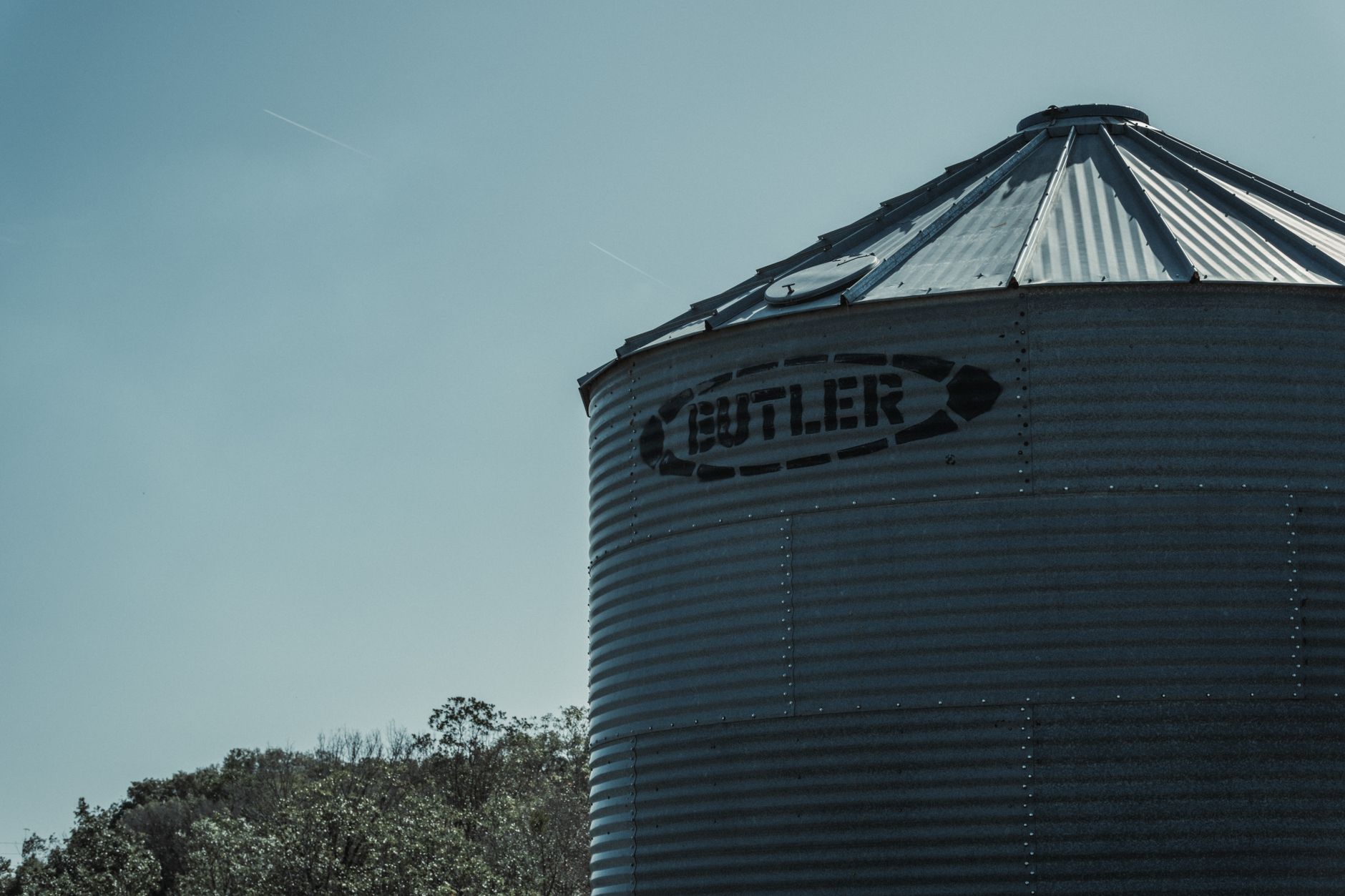
The inspection bottleneck inside the bin
Traditional inspection at a multinational grain handler’s storage sites in Colorado and Kansas required temporary scaffolding or rope access inside a dark, enclosed asset. Inspectors faced work at height, confined-space exposure, and temperatures that could be uncomfortably hot or cold.
Access was imperfect even after entry. A suspended inspector could remain too far from the wall when the hatch was off center or the bin had a broad horizontal profile, leaving corrosion, cracks, holes, missing hardware, roof damage, and concrete defects harder to document closely.
- Build temporary scaffolding or rig rope access before inspection
- Move an inspector through a dark bin with height and confined-space hazards
- Try to view walls and roof surfaces from constrained positions
From proof of concept to a disciplined flight program
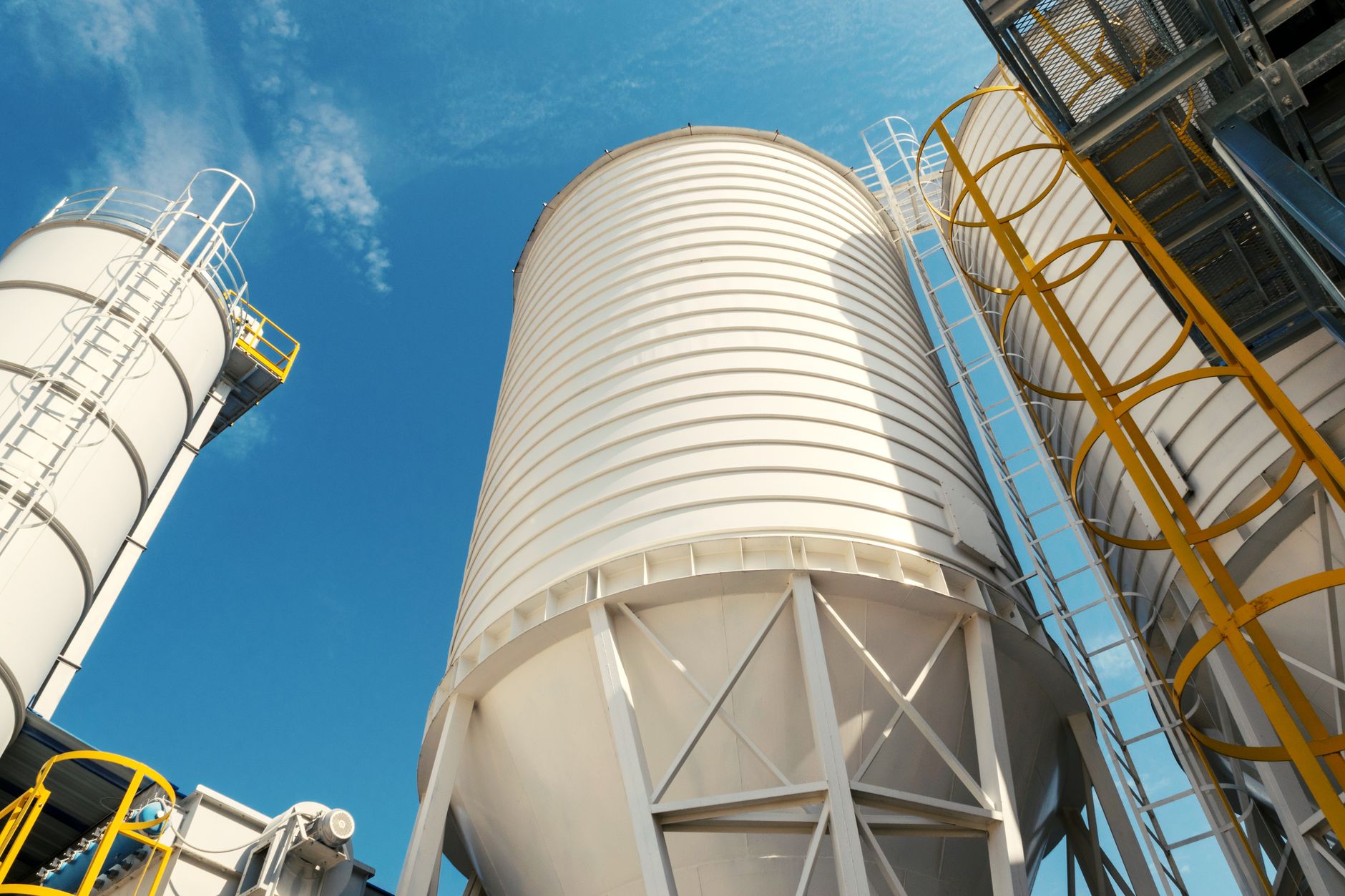
The documented program began with an early proof of concept at the Colorado and Kansas sites, then matured into a repeatable inspection practice. Operators used a collision-tolerant confined-space drone with powerful lighting, detailed visual capture, and LiDAR, allowing close inspection of walls, roofs, ladders, hanging structures, and concrete interfaces.
The rollout paired specialized pilots with formal risk-based standards. Operators were trained to decide when not to fly, and flights were not conducted around fumigation or other monitored gases. The published case does not specify the equipment service arrangement, so none is inferred here.
- Prove the workflow at representative bins before expanding the program
- Select a collision-tolerant platform with strong lighting, detailed imagery, and LiDAR capture
- Train specialized operators on inspection routes, risk criteria, and stop conditions
- Catalog findings so reliability teams can compare condition, share evidence, and prioritize repair, replacement, or decommissioning
A full inspection in half an hour
A drone inspection took 30 minutes, down from 3.5 to 4 hours with traditional methods. Against a 4-hour legacy inspection, that is one-eighth the elapsed time. The source also reports that as many as 8 bins could be inspected in the time previously required for 1.
Documented cost tracking put savings at up to $3,500 per bin. The account also identified $10,000 per day in scaffolding costs that the drone could avoid, although actual savings depend on the site and inspection plan.
Daily throughput reached 20 to 24 larger bins or 30 to 40 smaller bins. Under perfect conditions, the team could inspect 80 to 200 bins in a week, compressing outage windows and giving site stakeholders evidence to prioritize maintenance.
In one instance, supporting bins beneath elevated walkways were inspected in a single day, allowing routes closed over roof-stability concerns to reopen. Traditional methods would have required multiple days.
What this means for grain operators
This is a documented third-party deployment analyzed for its operating lessons, not a Service Robot Co. client claim. The lesson is narrow but useful: when confined-space inspection is slow and access-limited, the value rests on safer data capture, shorter outages, and a repeatable operating standard.
Service Robot Co. is a full-service, OEM-neutral commercial robot integrator for US businesses. For a comparable program, one vendor can own the free site assessment, equipment selection across manufacturers, financing, robot deployment and integration, operator training, and ongoing service through a nationwide US engineer network.
That path can start with a commercial robot demo and robot pilot program, then move into inspection robot leasing, purchase, or a leasing structure. The aim is one partner one number for the whole lifecycle, with RoboCare™ service for leasing deployments and on-site dispatch scoped from the outset.