a nine-site beverage distribution network in the United States
How Nine Beverage DCs Increased Inventory Visibility 6x With Drones
A nine-site U.S. beverage network deployed 40+ autonomous inventory drones, moved reserve counts from quarterly to biweekly, and reported a 100-basis-point cases-per-hour lift.
- 6x
- Visibility
- 100 bps
- Throughput
- 40+
- Drones
- 9
- DC sites
Based on a documented real-world deployment. Figures are from public reporting; the organization is not named.
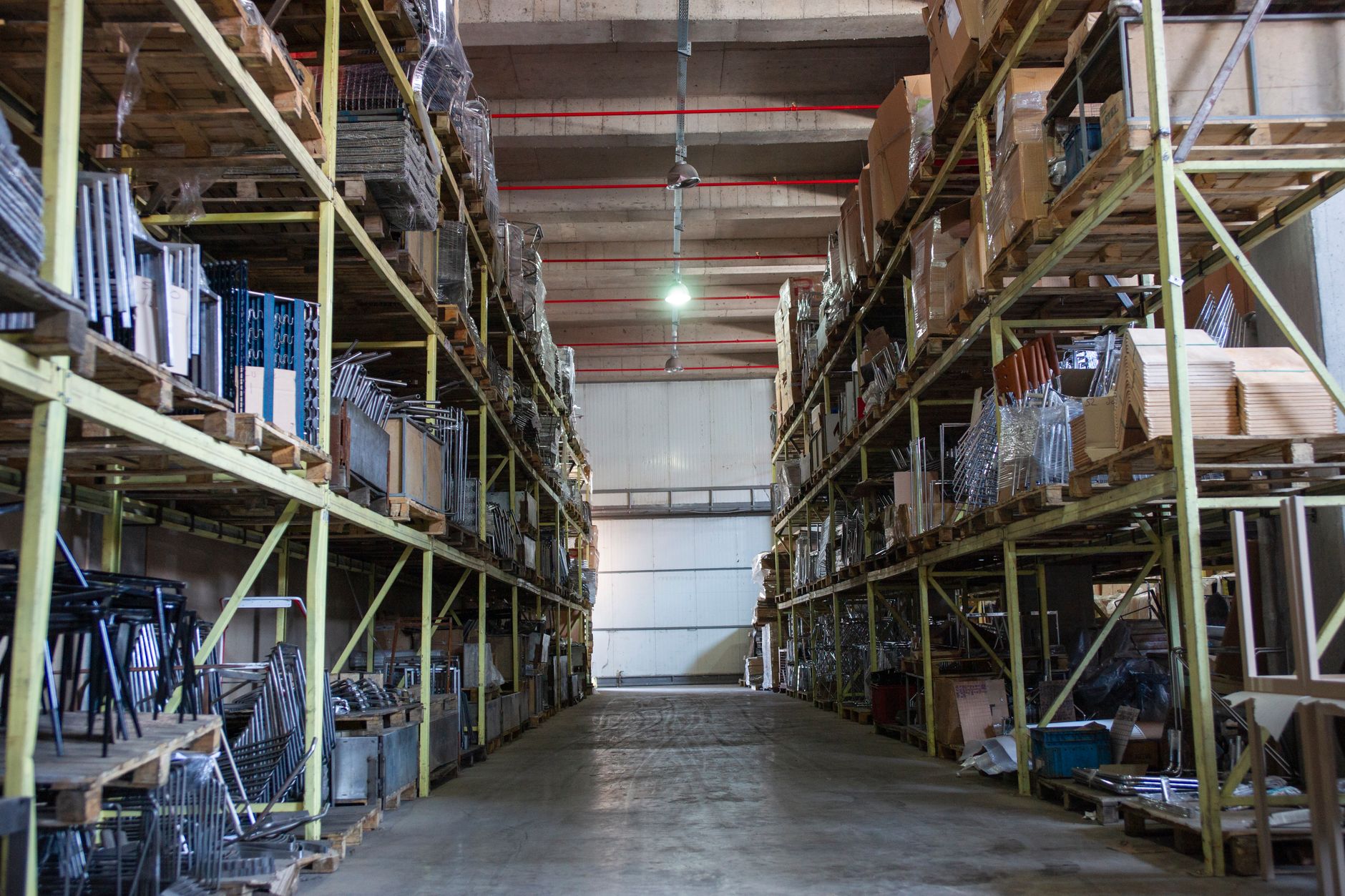
Quarterly counts left reserve storage blind
Beverage alcohol distribution ties inventory accuracy directly to customer fill rates and cases per hour. Manual quarterly reserve counts created month-long gaps where misplaced pallets stayed hidden until picking or shipping exposed the error.
Inventory teams burned weekly hours hunting product instead of fixing root causes. Without continuous validation, leaders lacked a consistent baseline to compare health across sites.
- Quarterly hand counts on reserve storage
- Discrepancies surfaced during picking and outbound
- Labor tied up in cycle counting instead of corrective work

Autonomous drones across nine distribution centers
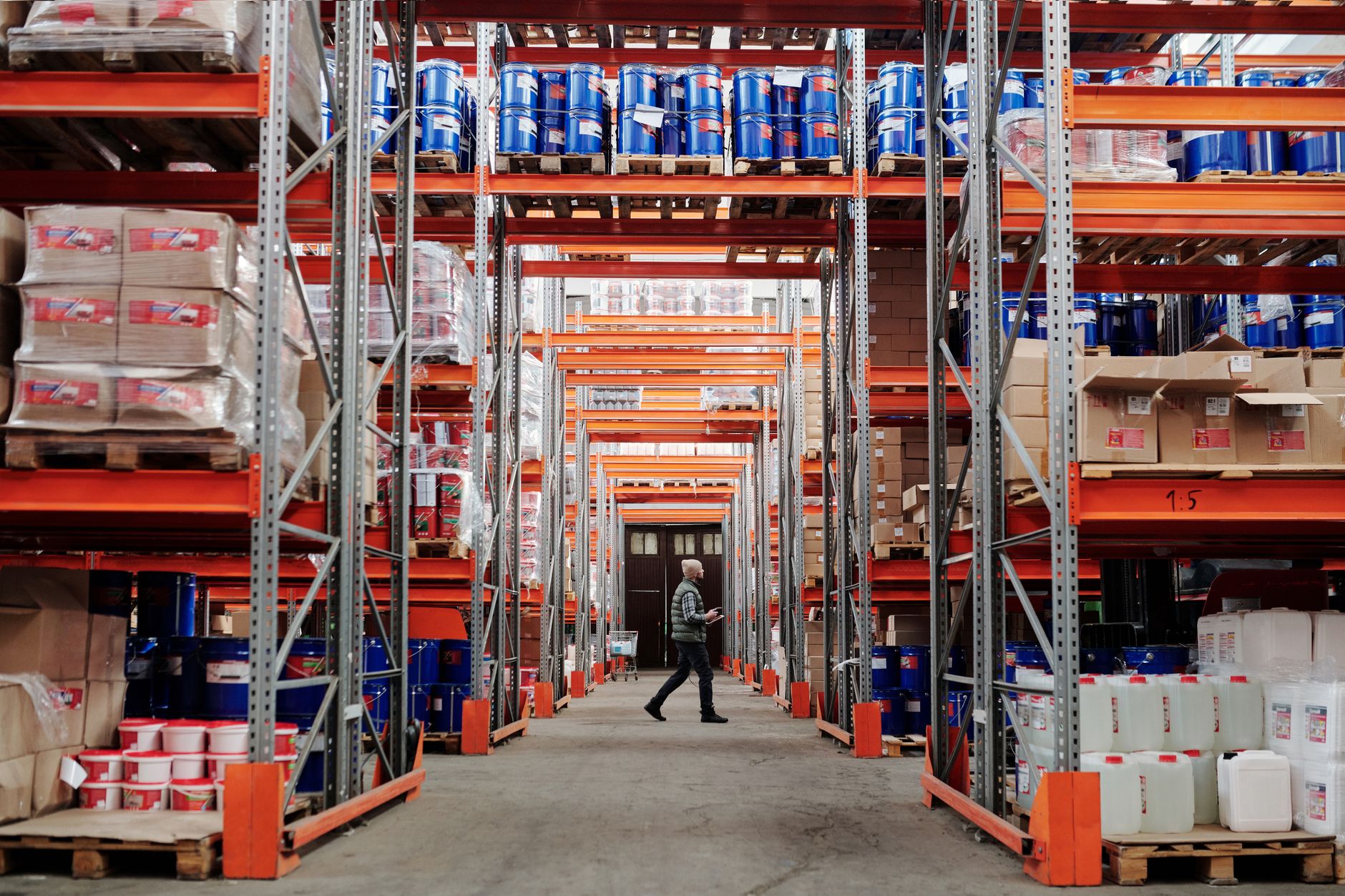
The operator scaled more than forty autonomous inventory drones across nine U.S. distribution centers in under eighteen months. Drones fly aisles in active case-picking environments, scanning pallet positions and labels without floor shutdown or infrastructure rebuilds.
Daily missions sync with the warehouse management system, producing time-stamped images and scan history tied to each location. Teams review evidence in software when a slot reads empty but should not, or the reverse.
- Deploy drones site by site across the network
- Run biweekly reserve validation instead of quarterly only
- Feed scans into WMS-linked inventory workflows
Earlier detection and measurable throughput
Reserve validation moved from a quarterly mandate to about biweekly turns, a sixfold increase in inventory visibility across facilities. Leadership tied tighter accuracy to a one hundred basis point improvement in cases per hour network wide.
Each site reallocated roughly sixty to seventy labor hours per week from manual counting toward verified discrepancy work and higher impact tasks. Higher scan frequency catches issues before they hit outbound shipping and customer fill metrics.
What beverage distributors can take from this rollout
This is a documented real-world example, not a Service Robot Co. deployment. It shows why high volume beverage networks trial autonomous inventory drones when quarterly counts cannot keep pace with case picking.
Service Robot Co. is a vendor-neutral integrator that selects warehouse automation, including inventory drones and AMRs, then finances, deploys, integrates, trains, and services units through a nationwide engineer network.
A pilot in one reserve aisle can prove biweekly validation before you scale across additional distribution centers.