
apple and peach orchard operations in South Korea
Orchard Transport Robots Cut Working Time Up to 10%
See how apple and peach orchard operations in South Korea used autonomous harvest transport robots to reduce working time by up to 10% year over year.
- 10%
- maximum working time reduction
- 2
- fruit crops tested
- 2
- field locations
Based on a documented real-world deployment. Figures are from public reporting; the organization is not named.
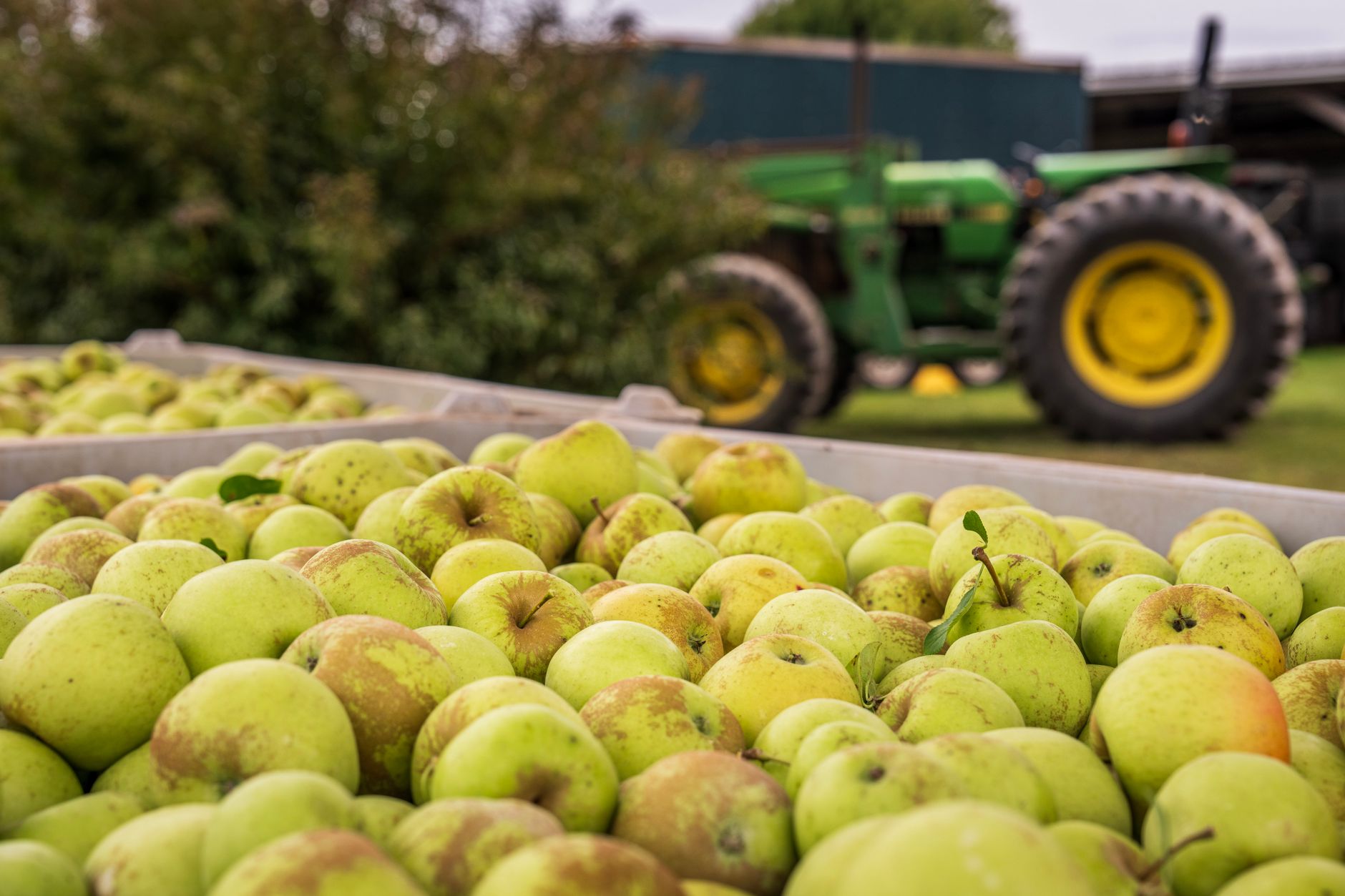
Harvest Labor Lost to Fruit Hauling
Apple and peach harvests compress strenuous work into a narrow operating window. Every worker pulled from picking to move harvested fruit becomes part of a logistics loop that consumes time without adding fruit to the crop.
The terrain makes that loop harder to mechanize. Orchard transport must negotiate planted rows and active crews while keeping harvested fruit moving to the next handoff point.
- Reduce the time absorbed by repetitive orchard transport
- Keep pickers focused on harvesting instead of shuttling loads
- Validate autonomous movement under real apple and peach farming conditions
Field Trials Inside Working Orchards
Autonomous transport robots were introduced through field trials at apple and peach operations in separate farming areas. The machines took on harvested fruit transport so crews could concentrate on picking and load handling.
The public account describes field validation rather than a fleetwide rollout. It does not disclose robot selection criteria, deployment phases, operator training, route design, fleet size, or service cadence, so those details should not be inferred.
- Place autonomous carriers into live apple orchard and peach farm workflows
- Assign repetitive transport to the robots while workers retain harvest and load handling tasks
- Compare working time with the previous year
- Use the field result as evidence for further testing, not as a universal performance promise
A Measured Gain During the Harvest Window
The field trials reported working time reductions of up to 10% compared with the previous year. The qualifier matters. Up to describes the best reported reduction, not a guaranteed average for every orchard.
That result is consequential because transport sits directly inside the harvest workflow and competes for scarce labor attention. The source does not report absolute hours, crop volume, labor counts, or test methodology, so no payback or throughput figure can be calculated from the published evidence.
From Field Evidence to a Deployable US Program
For US growers considering repetitive transport automation, material handling robot leasing, or an autonomous mobile robot lease, this case supports a disciplined starting point: map the hauling burden, run a robot pilot program in representative rows, and measure working time against an established baseline.
Service Robot Co. is a full service, OEM neutral commercial robot integrator for US businesses. We select the right equipment across manufacturers, arrange financing, handle robot deployment and integration, provide site assessment mapping and go live training, and service each unit through a nationwide US engineer network. A grower gets a single accountable vendor across the equipment lifecycle.
Service Robot Co. did not conduct the South Korean trials. This documented example shows the kind of operational evidence we examine when designing a phased deployment for a commercial site.