
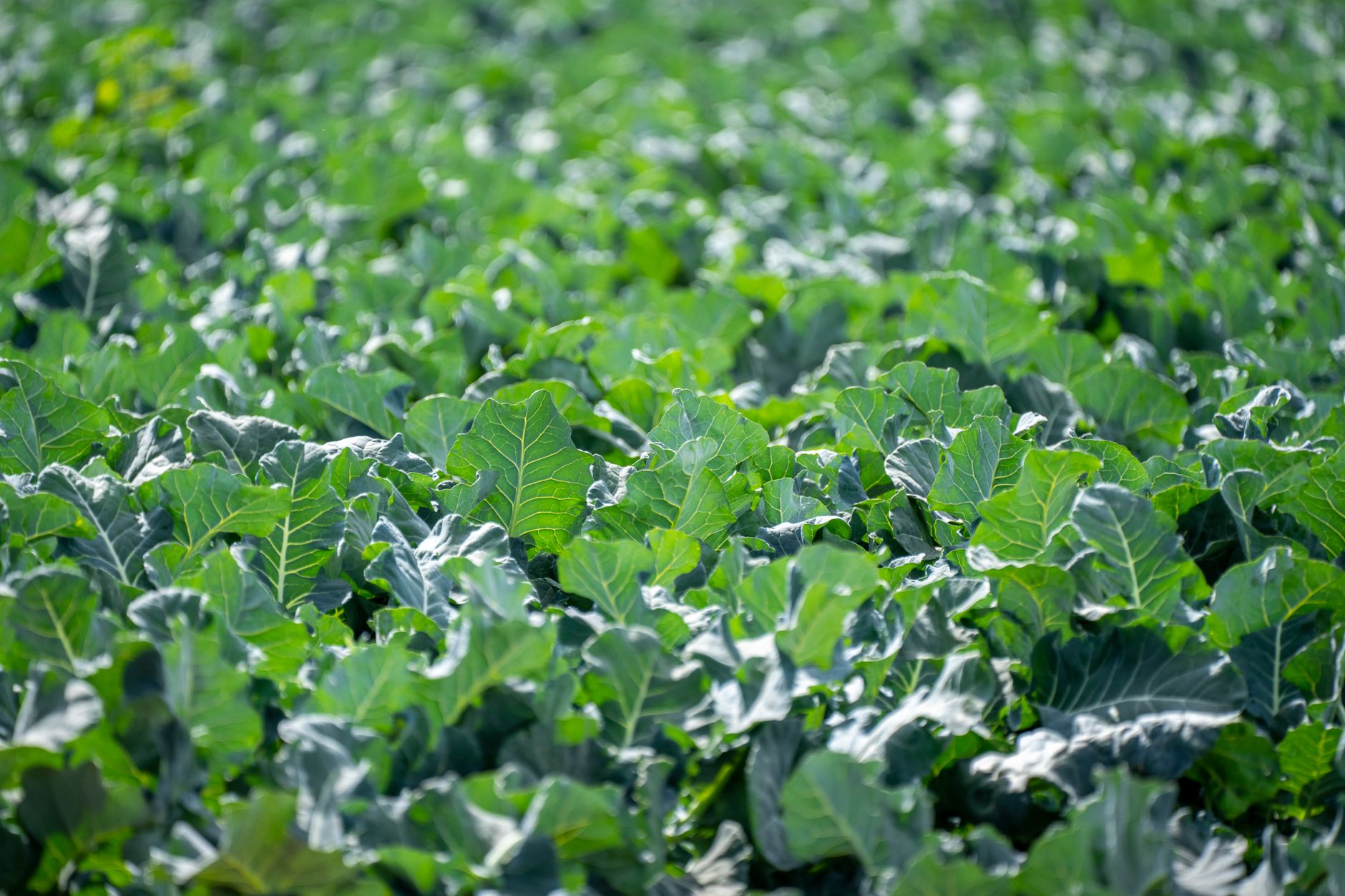
a commercial broccoli field participating in a Japanese smart-farming demonstration
Broccoli Ridging Time Falls 64% With Auto-Steering
A Japanese smart-farming demonstration cut broccoli ridging time 64%, from 1.00 to 0.36 hours per 0.1 hectare, using auto-steering and a two-row ridger.
- 64%
- Less ridging time
- 1.00 hr
- Baseline per 0.1 ha
- 0.36 hr
- Measured per 0.1 ha
- 2-row
- Ridger configuration
Based on a documented real-world deployment. Figures are from public reporting; the organization is not named.
A Narrow Window for Accurate Bed Formation
Broccoli bed formation sat on the critical path during a compressed planting window. The field needed straight, consistently aligned ridges without allowing this preparatory operation to consume scarce operator time.
The conventional method formed a single ridge per pass. Beyond travel along the row, the recorded workload included movement between fields, preparation, and equipment setup, making the comparison representative of the broader task rather than tractor motion alone.
- Reduce the elapsed labor tied to ridging
- Maintain straight, orderly beds for subsequent field operations
- Account for travel, preparation, and setup in the measured work time
A Focused Auto-Steering Demonstration
The demonstration paired a human-operated auto-steering tractor with a two-row rotary ridger and a GPS-linked, ground-speed fertilizer applicator. Its performance was compared with conventional single-row bed formation.
Automatic straight-line guidance kept the ridges aligned. Faster reversing also supported one-way passes without turning at comparable speed, reducing the penalty that this field pattern can otherwise impose.
The published record does not describe operator training, rollout phases, or service arrangements. This study therefore makes no claims about those parts of the field's deployment.
- Establish the conventional single-row ridging baseline
- Fit the tractor with the two-row ridging and fertilizer equipment
- Run straight guided passes with the operator aboard
- Compare total work time per 0.1 hectare, including ancillary task time
Ridging Time Fell by Nearly Two-Thirds
Measured ridging time declined 64%, from 1.00 to 0.36 hours per 0.1 hectare. The measurement included travel between fields, preparation, and setup, so the gain was not confined to active work inside the field.
The official account also reports that automatic straight travel produced straight, evenly aligned ridges. No numerical alignment tolerance was published, so that improvement should be understood as an observed operational benefit rather than a quantified precision claim.
Turning a Field Trial Into a Dependable Deployment
This example shows why precision agriculture robots should be judged against a tightly defined field task. Bed geometry, implement compatibility, headlands, operator workflow, and the full task clock all belong in a commercial robot demo or robot pilot program.
For US businesses, Service Robot Co. serves as a full-service, OEM-neutral commercial robot integrator. We assess the site, select suitable equipment across manufacturers, arrange financing, handle robot deployment and integration, train operators, and service every unit through a nationwide US engineer network.
That creates a single accountable partner across the equipment lifecycle. The aim is not to assume that another field will reproduce this result, but to test the right configuration, establish a defensible baseline, and support the equipment after go-live.