
six memory-care neighborhoods operated by a senior-living provider
Senior Living Case Study: 97% Rise in Social Behavior
A six-month senior living study found therapeutic companion robots lifted social behavior 97% among isolated adults and improved calmness and alertness.
- 97%
- social behavior increase
- 73%
- wandering behaviors calmed
- 79%
- sleepy residents stayed alert
- 920
- staff tracking surveys
Based on a documented real-world deployment. Figures are from public reporting; the organization is not named.
Behavioral Friction on the Unit
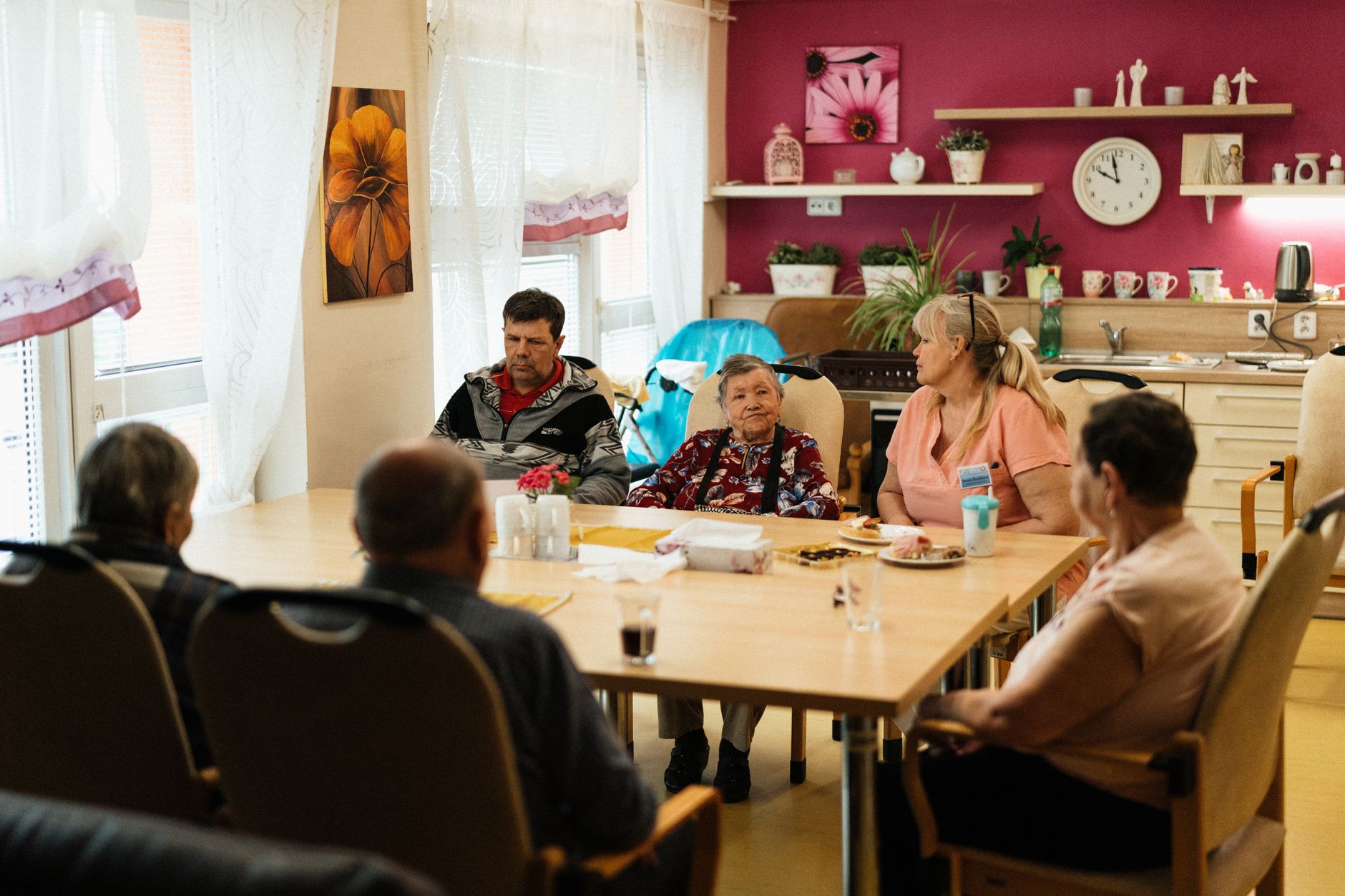
The six memory-care neighborhoods were contending with a familiar cluster of hard clinical and operational pressures. Some residents withdrew from other people. Others paced, grew anxious, or slipped into sleepy disengagement that flattened mood, appetite, and participation.
Those episodes ask a great deal of frontline staff. They call for repeated one-to-one attention, interrupt the cadence of group life, and leave care teams searching for calming, engaging interventions that can be used consistently inside normal daily routines.
- Isolation that reduced conversation and activity participation
- Wandering that unsettled residents and absorbed staff time
- Anxious behavior that required fast de-escalation
- Sleepy behavior that dulled alertness, mood, and appetite
Built as a Care Protocol
The provider treated therapeutic companion robots as a repeatable intervention, not a novelty item. Care teams introduced them in moments of isolation, agitation, wandering, and sleepy withdrawal, then used staff observation to judge the immediate effect on resident behavior.
Across the six-month study, life enrichment and care staff logged each encounter through structured tracking surveys. The underlying report also describes caregiver training, a staff champion at each community, and a practice of presenting the robotic pet like a companion so the interaction felt natural and reassuring rather than mechanical.
That operating discipline is the important lesson. The documented gains appear tied to consistent use, trained staff judgment, and regular follow-through, not to simply placing hardware in the building and hoping residents would adopt it on their own.
- Identify the target behavior before each interaction
- Train caregivers on timing, handling, and resident presentation
- Use the robots in room visits, group settings, and calming moments
- Track behavior before, during, and after each intervention
- Review observations across neighborhoods and refine the routine

Measured Changes That Matter
Across 920 staff tracking surveys gathered over a six-month study in six memory-care neighborhoods, isolated adults showed a 97% increase in social behavior. The same source reports calming effects in 73% of wandering behaviors and 59% of anxious behaviors.
Alertness improved as well. The intervention helped 153 out of 193 residents, or 79%, stay alert from initially sleepy behavior, with better moods, socialization, and appetite noted alongside that change. In 61% of cases where psychotropic medications were being considered, residents avoided them.
Why This Matters for Buyers
This was not a Service Robot Co deployment. It is a documented outside example, and the practical lesson is clear: therapeutic companion robots work best when selection, rollout, training, and follow-through are owned as one care program.
For operators exploring senior living robot leasing, robot leasing for business, or monthly payment programs, that points toward a vendor neutral robot integrator that can assess fit, plan a pilot, handle robot deployment and integration, train staff, and keep RoboCare™ service through remote triage, on-site dispatch, and one partner one number.
That is the role Service Robot Co plays as a full-service, OEM-neutral U.S. integrator. Instead of pushing one manufacturer, the company helps buyers compare purchase or lease structures, evaluate leasing, reduce no upfront capital pressure when needed, and keep the robot serviceable through its full working life.