
The short answer
An autonomous forklift vs forklift operator comparison favors the robot at a gypsum wallboard plant when pallet moves between the production lines and staging repeat on fixed routes and operator slots go empty. A human operator still wins where loads are irregular, where the work needs judgment at the dock or in shared traffic, and where the floor changes too often to map. For most plants the right answer is one robot working beside fewer operators, never a choice that removes the team entirely.
See what a autonomous forklift costsRun the numbers in the ROI calculator
Key takeaways
- Robots fit repeatable pallet runs between lines and staging, while irregular or judgment-heavy moves stay with people.
- No public source we checked gives forklift hours per shift at wallboard plants, so time your own routes first.
- Transportation and material moving recorded 1,391 worker deaths in 2024, the most of any occupational group, according to BLS.
- Manufacturing quits ran from 159 to 184 thousand each month from July 2025 to February 2026, according to FRED.
- Plan for one robot plus fewer staff, never zero staff, and keep trained people on the exceptions.
Autonomous forklift vs forklift operator at a gypsum wallboard plant: which makes sense?
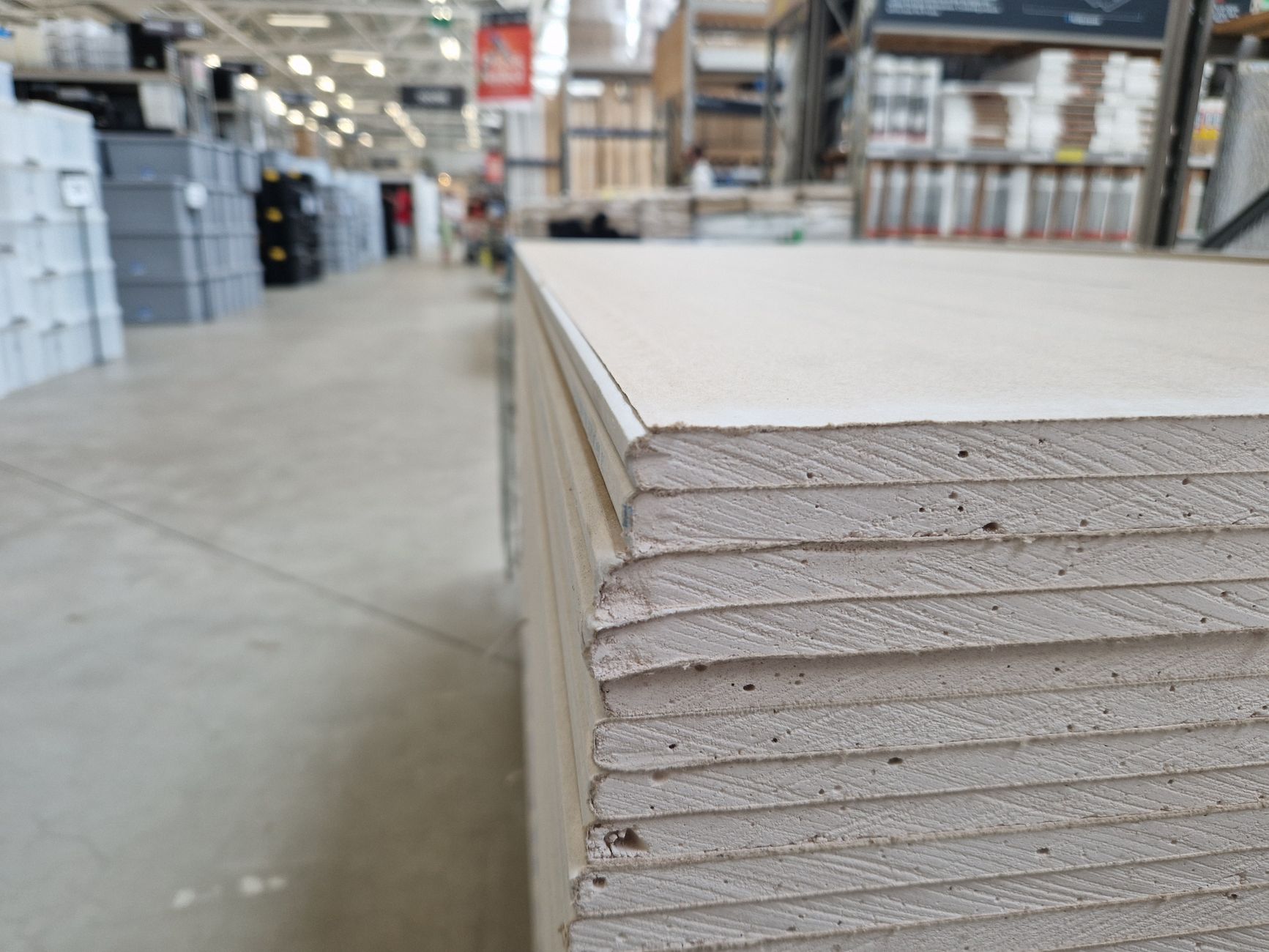
Use an autonomous forklift for the repeatable moves and keep an operator for the rest. A wallboard plant moves heavy stacks and bundles between the production lines, the dryer exit, the cut and stack area and the staging area, and most of those moves follow the same routes on every shift. That is the kind of work a robot does well. The real question is less whether the robot can drive and more whether your moves are predictable enough to map, and whether you have people to cover the moves it cannot take.
The robot makes sense when three things are true. The pallet moves between fixed points repeat on a schedule. Operator slots go empty on one or both shifts, so loads wait at staging or a line gets held. The floor can be mapped with clear lanes and a stable layout. It does not make sense when most loads are one-off moves, when dock work is irregular and crowded, or when the floor is rearranged every few weeks.
A forklift operator stays the better choice where the work needs judgment: reading a damaged stack, handling a mixed load, working alongside a dock crew, or moving material through an area people share all day. Most plants that look hard at this decision end up with a mix, a robot on the scheduled corridor moves during the short-staffed hours and a person on the exceptions.
What does a forklift operator actually do on a shift at a wallboard plant?
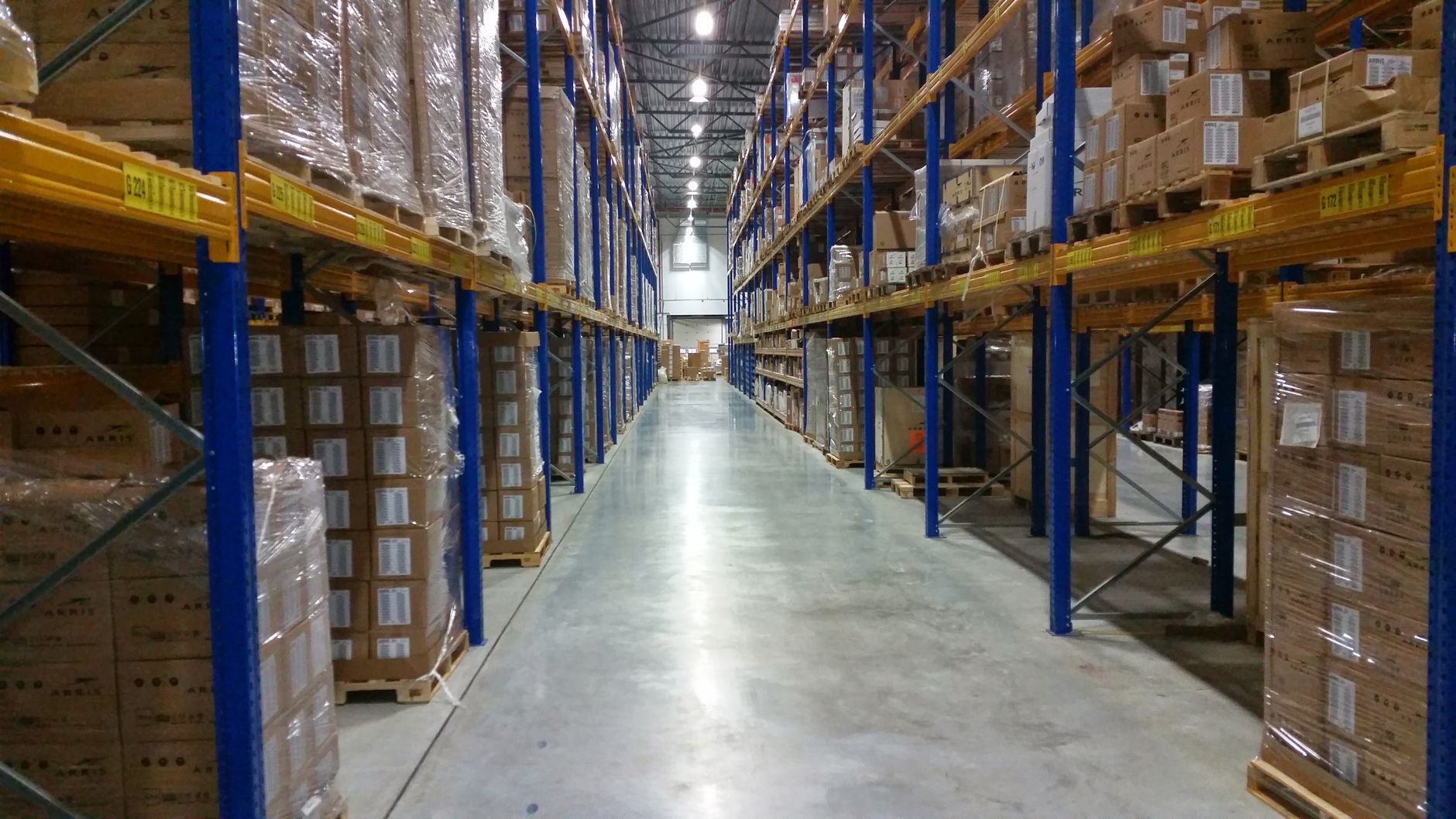
A forklift operator at a wallboard plant works in a cycle of pick, haul and set down. The operator takes stacked board or bundled product from the end of a production line, moves it to a staging area or a cut and stack station, and returns empty for the next pickup. Because the lines run continuously, the pickups repeat at the rate the line discharges board. The public sources we checked do not give the share of a shift spent on this cycle at wallboard plants, so time it on your own floor before you accept any single estimate.
Between cycles the operator also handles the work around the moves. They check that a load is tied and stable, flag damaged pallets, fill gaps when a line needs material, and clear a lane when staging backs up. On a two shift schedule the operator often covers the handoff with the crew on the line, so handoff quality depends on the person doing it. An empty operator slot hurts more than the empty hours alone suggest, because the handoffs, the flags and the lane clearing go undone too.
Which parts of the work can an autonomous forklift take, and which can it not?
The robot takes the scheduled corridor moves. Those are the pick and carry runs between fixed points, such as a line discharge point to a staging lane, or a staging lane to a cut and stack area, followed by a return run to the next pickup. A Georgia air permit narrative describes the same flow at one gypsum plant: crushed gypsum is conveyed to production lines, boards harden in a continuous line dryer, and they are then stacked and cut to length. Each step where a load moves between fixed points is a candidate for a mapped route.
On a mapped route the robot follows a fixed path, slows or stops for people in the lane, and returns to a charge or waiting point. It is most useful where the same run happens many times per shift, because the mapping effort is spread across all of those moves.
The robot cannot take the moves that need a person's judgment or lie outside the mapped area. It does not reliably judge a damaged or leaning load by eye, it does not decide when a stack is unsafe to lift, and it needs a planned, controlled route into a trailer or dock. Checks such as spotting crushed board corners before a move stay with a person.
- Takes: scheduled pallet runs between fixed points such as line discharge, staging lanes and cut and stack areas
- Takes: the return run to the next pickup, then parks at a charge or waiting point
- Does not take: damaged, leaning or unstable loads that need an eye check before the move
- Does not take: trailer loading or unloading unless the dock is mapped and kept under control
- Does not take: one-off moves that sit outside the mapped route
- Scheduled pallet runs
Autonomous Forklift
Follows a mapped route between fixed points on every shift
Forklift Operator
Follows the same route and can adjust timing on the spot
- Empty operator slot
Autonomous Forklift
Keeps covering the scheduled runs while the slot stays empty
Forklift Operator
Needs a staffed slot, sick cover and breaks on each shift
- Damaged or leaning load
Autonomous Forklift
Does not judge the load by eye
Forklift Operator
Checks the load and sets it down safely
- Rush move outside the route
Autonomous Forklift
Needs a re-route or a person to step in
Forklift Operator
Re-routes and moves the load directly
- Dock and trailer work
Autonomous Forklift
Limited unless the dock is mapped and controlled
Forklift Operator
Handles mixed traffic and tight spots
- Floor changes
Autonomous Forklift
Needs a re-map when lanes move
Forklift Operator
Adapts to a new layout with no setup
How many gypsum wallboard plants are there in the US, and how many people do this work?
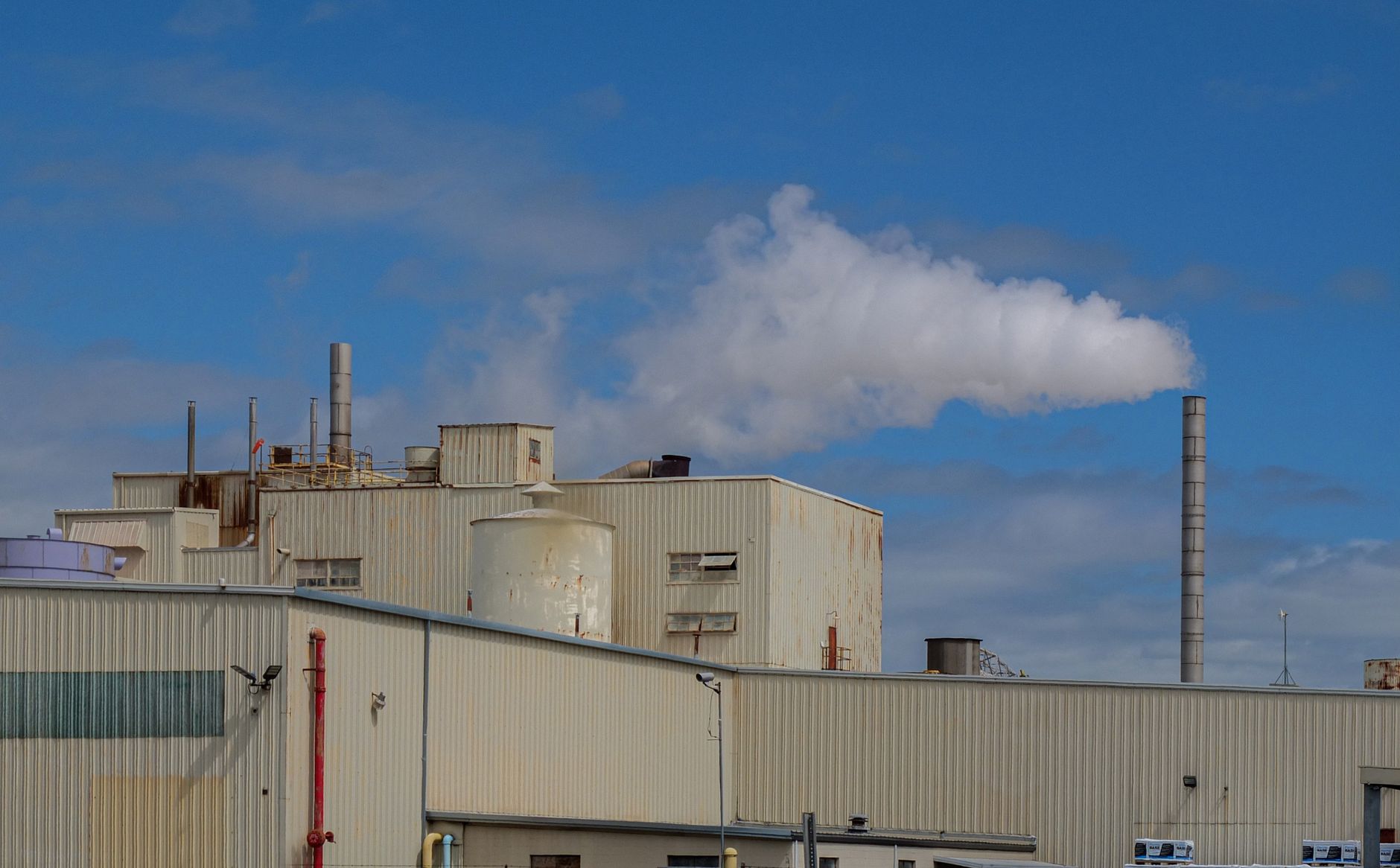
Gypsum product manufacturing is a small industry. According to Census County Business Patterns figures as summarized by a secondary data site, NAICS 327420 had 172 establishments and 11,475 employees in 2023. That count covers gypsum products in general, not wallboard plants alone, and the secondary summary was not checked against the census site in our research, so confirm it there before it goes into a board presentation.
Forklift work is far broader than the gypsum industry. According to the Bureau of Labor Statistics Occupational Outlook Handbook, material moving machine operators held about 867,700 jobs in 2024, and industrial truck and tractor operators made up 792,500 of them. That shows a large national labor pool, but it does not show how easy the roles are to fill in your county. Local hiring history answers that better than any national total.
For a single plant, the number that matters is the count of operator slots on each shift and how many of them have been empty over the last year. That comes from your own timekeeping, and it tells you more than the national totals do.
What do turnover, injury and overtime data say about the labor picture?
Turnover for forklift operators is the figure most plant managers want and the one public data handles least well. According to the Bureau of Labor Statistics handbook page for material moving work, job counts and projected openings are published, but no turnover rate is given for these jobs. The same BLS handbook for hand laborers and material movers projects about 904,200 openings a year over 2025 to 2035. Openings include replacements for people who leave, so a large projected number signals constant churn, though it is not a turnover rate.
Manufacturing quits give a usable proxy. According to the Federal Reserve Bank of St. Louis series for manufacturing quits, seasonally adjusted, the count ran from 159 to 184 thousand from July 2025 to February 2026. Quits are not vacancies, but a steady stream of people leaving manufacturing is the setting in which a forklift slot stays empty for weeks.
Safety data explains why the job is hard to cover. According to the Bureau of Labor Statistics Census of Fatal Occupational Injuries, transportation and material moving recorded 1,391 fatalities in 2024, the largest of any occupational group, down from 1,495 in 2023. The fatality rate for the group was 12.5 per 100,000 full-time equivalent workers in 2024, down from 13.6. These are whole sector figures, not gypsum figures, but they confirm that moving heavy loads is high risk work.
An older OSHA estimate for powered industrial trucks puts forklift fatalities at about 85 a year and serious injuries at about 34,900, with roughly 1.5 million workers operating about 855,900 trucks. That directive dates from fiscal 2018, so read it as an order of magnitude, not a current count. The practical point for a plant manager is that each operator who leaves or gets hurt makes the next shift harder to cover.
We did not verify overtime, night shift or sick day rates for forklift operators at wallboard plants in this research, and we have no published figure for them. Pull them from your own records: overtime hours tagged to material handling, and sick calls on the line shifts over the last year. Those two numbers will tell you more than any national average.
How does the team work with an autonomous forklift?
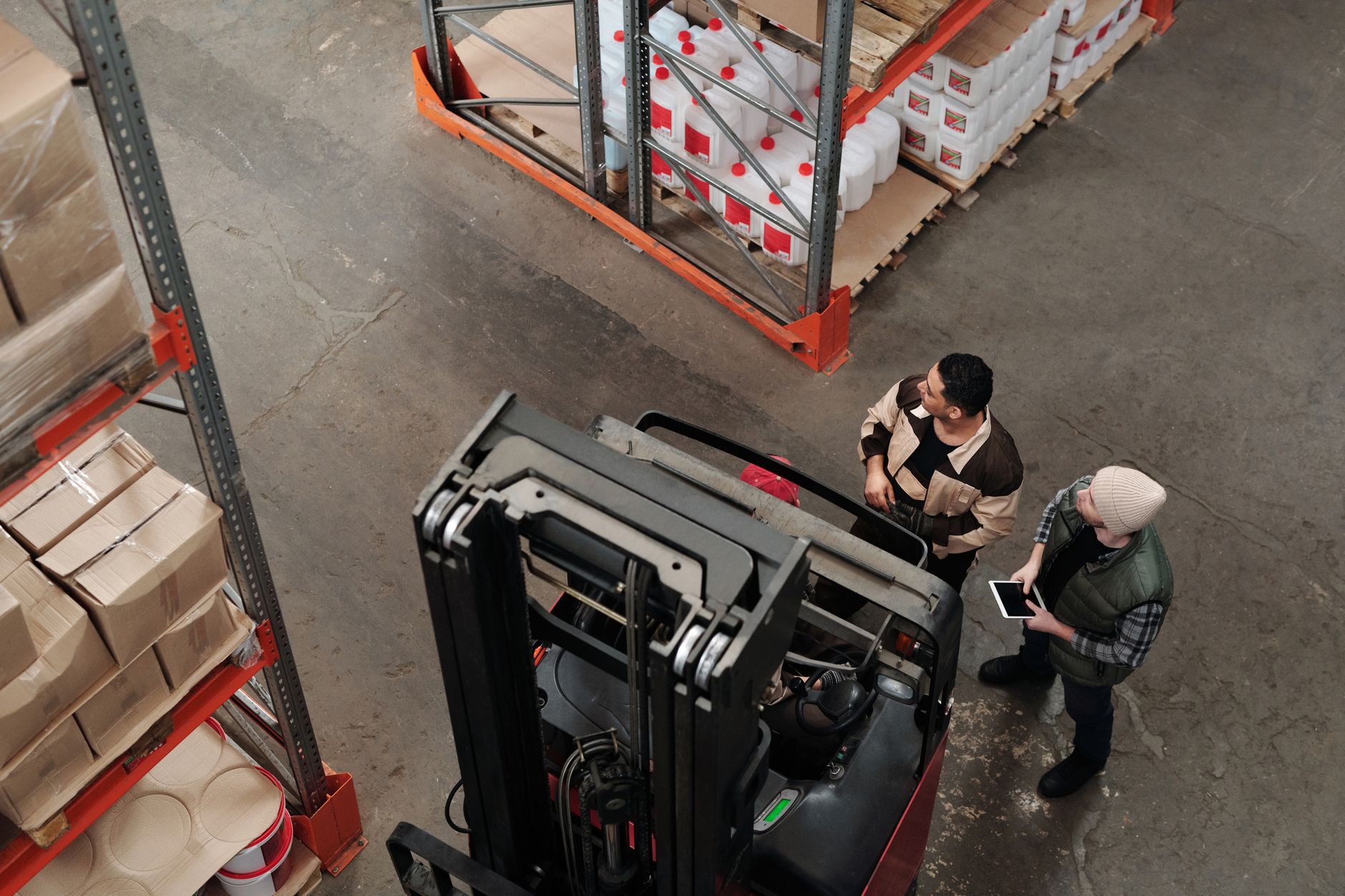
The right model is one robot with fewer staff, never zero staff. The robot takes the scheduled runs, and people keep the exceptions, the dock, the line handoff and the maintenance. A plant that tries to run the robot with no one on the floor usually finds that the first damaged load or the first blocked lane stops the whole route, and nobody is free to clear it.
In practice a trained operator or lead sets the route plan at the start of each shift and checks that the charging and waiting points are clear. The robot runs the scheduled moves while a person covers the dock, the exceptions and the line handoff. Maintenance checks happen at fixed times rather than when something breaks. The lead watches the status board and sends a person whenever the robot calls for help. The sequence below shows a typical shift.
What can an autonomous forklift not do?
An honest read of the limits matters more than the upside. The robot does not understand a load the way a trained operator does. It cannot judge that a stack is leaning, a bundle is crushed or a wrapper is torn, unless a separate check is built into the process. It also does not handle a busy dock well, where people, trailers and hand trucks share the same space at the same time.
It needs a stable environment. Floor changes, new staging lanes, pallets left in the path and wet or uneven concrete all affect how it runs. Each change can mean a re-map or a route edit. A plant that rearranges its floor every few weeks may spend more time maintaining the route than running it, and in those plants the robot is a poor fit.
Finally, the robot does not replace an operator's flexibility. When a line jams, a stack falls or a rush order needs a load moved outside the route, a person is still the fastest fix. The robot covers the predictable moves, and the plant still needs someone who can handle everything else.
How many operator hours can the robot take over?
Public data does not give the hours a forklift operator spends per shift at a wallboard plant, and we did not find a published figure for that in this research. Any hour figure in a vendor deck should be replaced with your own timing. The method is to time the moves for several typical shifts, count the scheduled runs, and separate those runs from the exceptions.
Log every pallet move for three typical shifts and tag each one as a scheduled run between fixed points or an exception. Add up the scheduled run time and divide it by total forklift time. That share is the most the robot can take over on the route before exceptions. Then add the hours your shift loses to empty operator slots, because those are the hours the robot most directly fills.
How do you get started with a leased autonomous forklift?
Start with a site assessment, not a product choice. We map the route, measure the lanes and identify the exception points before any unit is proposed. The assessment shows whether the route is repeatable enough and what the floor would need to change. The lease terms are set in a quote that follows the assessment, so the quote reflects your site and your routes, not a generic offer.
We lease the robot through financing, then deploy and integrate it with your staging and line workflow, train your staff and service the unit nationwide. Training covers the operator who sets routes, the lead who watches the status board and the person who clears exceptions. Most plants start with one unit on the busiest route, run it through a full shift pattern, and then decide on a second unit, rather than changing both shifts on day one.
Ask the assessment to answer three questions: which routes repeat, which exceptions remain, and how many staff stay on each shift. If the answers point to a repeatable route and real empty slots, the robot deserves a closer look. If they do not, a trained operator on a fixed schedule is the better answer, and we will say so.
Frequently asked questions
Upcoming manufacturing events
- Trade showBrats & RobotsNov 10, 2026Alliant Energy Center Exhibition Hall, Madison, WI
- Trade showMATE Farm & Ranch ShowFeb 11 to 13, 2027MetraPark, Billings, MT
- ExpoPFMA Expo 2027Feb 17 to 18, 2027Washington County Fair Park, West Bend, WI
- ExpoLouisville Facilities Maintenance ExpoApr 15, 2027Mellwood Art Center, Louisville, KY
Want an autonomous forklift at your gypsum wallboard plant?
Tell us about your site. We will recommend the robot, quote the lease, and keep it serviced.
Sources
- BLS Occupational Outlook Handbook, material moving machine operators
- BLS Occupational Outlook Handbook, hand laborers and material movers
- BLS Census of Fatal Occupational Injuries, 2024 release
- OSHA Region I directive on powered industrial trucks, FY2018 (older estimate)
- FRED, manufacturing quits series JTS3000QUL
- Georgia EPD air permit narrative for a gypsum plant