
The short answer
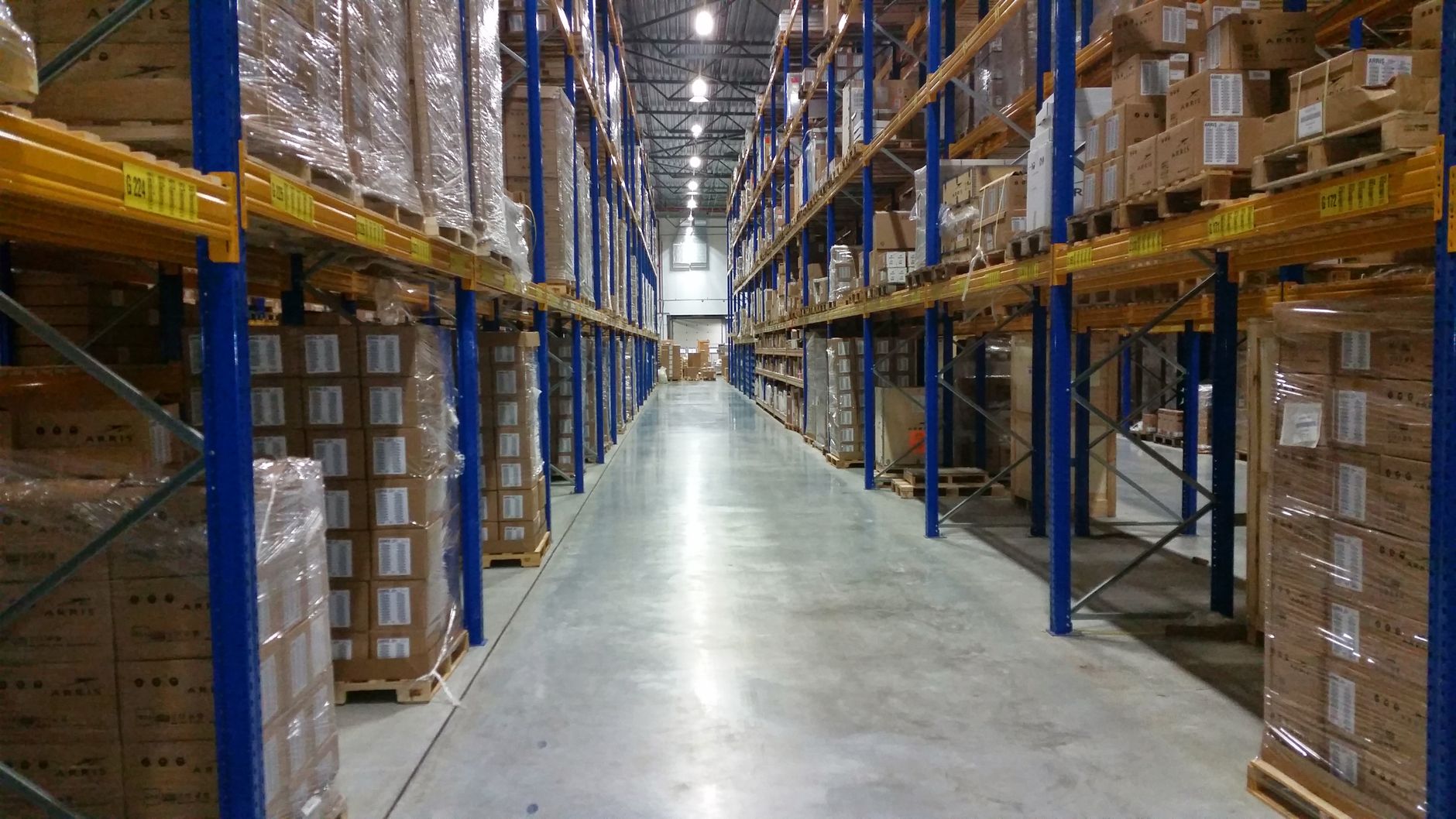
An autonomous mobile robot makes sense in Albany, NY when the same routes repeat across most shifts and the site struggles to fill or keep night and weekend hours, while a material handler still fits work that changes hour to hour. The autonomous mobile robot vs material handler in Albany decision turns on how much of the day is repeat routing, how loads are shaped, and how much empty walking the crew does now. Robots work best as a robot plus fewer staff, never zero staff.
Key takeaways
- A robot fits repeat routes; a material handler fits work that changes every hour.
- Measure the repeat share of the day on your own floor before judging any lease quote.
- Use the local wage for the job in the panel beside this text to cost the hours, not to guess them.
- Plan a robot plus fewer staff, never zero staff.
- Lease quotes follow a free site assessment built on the hours you measured.
Autonomous mobile robot vs material handler in Albany: the direct answer
A material handler in Albany moves pallets, totes, carts and cases between receiving, storage, production and shipping, and makes small decisions on the way. An autonomous mobile robot is a wheeled machine that follows a mapped route, stops for people, and carries a load without an operator at the controls. Neither is better in general. The right choice depends on whether the work repeats.
A robot makes sense when the same few routes run most shifts, the loads are similar in size and weight, the floor is mapped and mostly clear, and the site has trouble covering night or weekend hours. It does not make sense when the work changes every hour, loads are oversized or fragile, the layout is full of tight turns or uneven floors, or volume is too low to keep a unit busy.
Adoption is rising, and transport is where most of the growth sits. According to IFR World Robotics 2026 service robot data, as reported by a material handling trade publication, about 250,000 professional service robots were sold in 2025, up 24 percent, and transportation and logistics took 117,500 of those units, up 21 percent. According to A3, North American robot orders rose 6.6 percent in units from January to September 2025, to 26,441 units. Adoption alone does not prove fit for your site, so the decision still rests on your own hours.
Plan for a robot plus fewer people, never zero staff. The usual model keeps staff on loading, exceptions and judgment work, and lets the robot take the repeat route.
What does a material handler actually do in a shift?
Most of a material handler's shift is movement with short bursts of decision making. Typical tasks include pulling orders, staging pallets at a dock, moving inbound stock from a trailer into racks, returning empty totes or carts to a wash point, and restocking production lines. Much of the time goes to walking to and from a point, waiting for a lift or a clear aisle, and checking a label or a count.
The research for this page did not verify how many hours these tasks take per shift in Albany, nor the floor area of a typical site or the ground covered per shift. Those are the numbers that matter most, and they belong to your floor. Time the route over several shifts, not one good morning, and record where the stops happen.
The job also carries shift pressure. Overtime rates, sick day patterns and night premiums for this occupation in the Albany metro were not found in this research, so pull them from your own payroll and timekeeping records. The government wage data on this page gives the local rate for the job, which is the figure to set against those hours.
Median hourly wage, Laborers and Freight, Stock, and Material Movers, Hand
$5,061
Monthly cost of one full-time worker in Albany, NY, at the median wage plus payroll costs (an estimate, not a quote).
Which tasks can a robot take, and which can it not?
A mobile robot is good at the repeating middle of a route: carrying a load from one point to another along a known path, returning to a charging point, and waiting at a dock until it is called. It needs a clear path, a mapped floor, and a load that fits its deck and stays inside its rated weight.
It is weak at the edges. It cannot pick loose items off shelves, unload a trailer by hand, lift awkward or heavy goods, handle damaged product, or decide what to do when a pallet is left in its lane. Those tasks stay with people, and a sound plan puts people there on purpose.
Robot arms can help at fixed stations, such as tending a machine or stacking pallets at the end of a line. Those are a different category from mobile transport and need their own assessment. The comparison below covers the mobile case.
- Coverage after hours
Autonomous Mobile Robot
Runs a set route while the site is closed, if the route is mapped and clear
Material Handler
Covers absences and shift changes, and can be reassigned within the shift
- Repeat routes
Autonomous Mobile Robot
Strong on the same path many times a shift
Material Handler
Works well, but tires on long repeat walking
- Work that changes every hour
Autonomous Mobile Robot
Weak; needs setup for each new route
Material Handler
Strong; adapts and learns a new task the same day
- Blocked paths
Autonomous Mobile Robot
Stops or waits until a person clears the path
Material Handler
Clears the block, reroutes and decides what comes next
- Odd, heavy or fragile loads
Autonomous Mobile Robot
Limited to loads that fit its deck and rated weight
Material Handler
Handles oversize, fragile and irregular goods with judgment
- Short unplanned moves
Autonomous Mobile Robot
Steady and predictable, but slow in tight spaces
Material Handler
Faster on short moves and quick changes
- Pace over a shift
Autonomous Mobile Robot
Same pace every hour, with no fatigue
Material Handler
Pace varies with fatigue, breaks and absence
- Cost certainty
Autonomous Mobile Robot
Lease payment is quoted after a site assessment
Material Handler
Wages, overtime and turnover costs move with the labor market
How many hours does this work take, and where do the hours go?

Hours decide this question. The research did not return verified task durations for Albany sites, so the table below names the task categories and shows where the time goes, without inventing totals. Time each row on your floor before you use it.
National figures frame the labor pool. According to the BLS Occupational Outlook Handbook, about 2.99 million people held jobs in the hand laborers and material movers group in 2024, with 4 percent projected growth from 2024 to 2034. O*NET, drawing on BLS data, reports 2,988,900 employees in the same occupation for 2024. These are national figures and say little about one shift.
Locally, FRED, the Federal Reserve Bank of St. Louis data service, reports 17.9 thousand employed in transportation, warehousing and utilities in the Albany-Schenectady-Troy metro in 2024. A May 2024 count for this exact occupation in the metro was not verified in this research, so check the BLS area table before quoting one.
What do Albany labor and turnover data tell you?
Turnover is where many warehouse staffing problems really sit. According to a workforce statistics roundup citing a 2025 US Turnover Survey, blue-collar staff left at a rate of 12.5 percent, and average US voluntary turnover was 13.0 percent in 2025. A workforce software analysis, which is vendor work derived from BLS quits data, put transportation and warehousing quits at 2.2 percent a month in 2025, against 2.0 percent for total nonfarm. That implies about 26.4 percent annual voluntary turnover, but it is a calculation, not a survey result.
Injuries point the same way. According to a vendor safety analysis, the total recordable injury and illness rate for warehousing and storage was 4.8 per 100 full-time workers in 2024, against about 2.6 across all industries. The BLS release behind that figure was not located, so treat it as directional and check the official table.
The practical reading is simple. High churn means each new hire spends weeks learning a route, and that knowledge leaves when the person does. A robot does not quit, but its routes still need mapping and maintenance. Pull turnover for this role from your own HR records for the last year and set it beside the hours from the table above.
How does a team work with a robot?
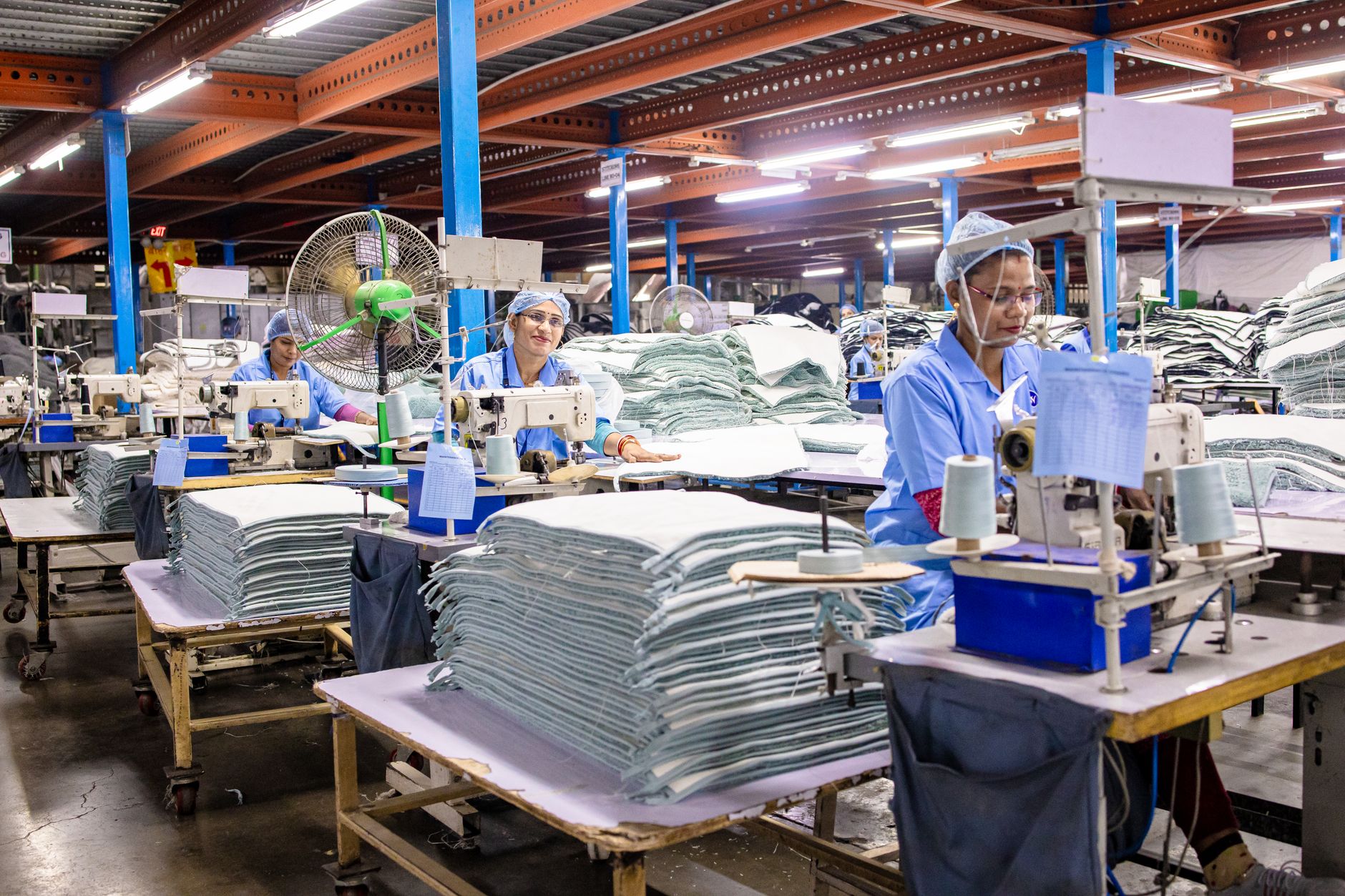
A robot does not replace the crew. It changes which hours the crew spends. The pattern that holds up is one or more robots on the repeat routes, with people on loading, exceptions, quality checks and work that needs judgment. A zero staff plan is not what the research supports, and it is not how a sound deployment is run.
Staff need training that covers what stops a robot: a blocked path, a dropped load, a fault alarm, and the steps for calling for service. A supervisor needs a short daily check of the queue and the exception log. Treat the robot the way a site treats a forklift or a scanner, with one named person who owns it.
Shift edges change the most. Early staff load and unload at each end of a route. Night coverage may shrink to one person on call instead of a full crew. Overtime drops only when staff are reassigned to real work. Idle hours on payroll are not savings, so plan the reassignment before the robot goes live.
What can a robot not do, and what goes wrong?
A robot cannot improvise. If a pallet sits in the wrong lane, a worker moves it or the robot waits. Crowded floors with frequent foot traffic slow the route, and ramps, thresholds, damaged flooring and tight turns can rule a path out altogether. Floor condition belongs in the assessment for that reason.
It cannot replace the judgment of a person working beside a forklift, and it does not carry loads beyond its rating. It also cannot fix a broken process. If goods arrive in no order and staging rules are unclear, the robot will carry that disorder faster. Fix the layout and the staging rules before the first unit goes live.
Robots also need service. Downtime comes from batteries, sensors and map changes, so the plan needs on-site dispatch, remote triage and a spare or loaner unit for busy periods. Ask any provider what happens on the day a unit goes down, and get the answer in writing.
How do you read a lease quote and decide?
Robots are leased through financing, and the payment comes as a quote after a site assessment. A useful quote follows the hours you measured, not a generic configuration. Ask for the assumptions behind it: route count, load size, hours per day, charging plan, and what service and downtime coverage is included.
Compare the quote with the labor it touches. Use the local wage for the job in the panel beside this text, then add the overtime, turnover and training hours you measured. Count only the hours the robot actually takes over and the hours staff are truly reassigned from. Idle time does not count as savings.
How long the lease takes to pay back depends on how many hours you can move, not on the unit itself. If the repeat hours are small or irregular, the lease may not pay back, and a material handler plan is the better call. A free site assessment is the fastest way to learn which case you are in.
How do you get started in Albany?
Start with a free site assessment. We map the floor, time the repeat routes, check the load profile and the charging points, and then issue a lease quote built on those measurements. We are a US commercial robot integrator. We pick the robot for the site, arrange the lease financing, deploy and integrate it, train your staff, and service it nationwide.
Many sites start with one leased unit on the route with the most repeat hours and the fewest exceptions. A small pilot shows the real hours before any larger commitment. Plan a backup for service days and set a review date at the start, so the decision rests on measured results.
Bring these to the first call:
- Your shift pattern for the last few months, including night and weekend coverage.
- A list of repeat routes with rough trip counts from your own timekeeping or floor walk.
- The staffing gaps and turnover you already see in this role.
Frequently asked questions
Put a robot to work in Albany.
We walk your site, learn the job, and recommend the unit that fits. Then we quote the lease, deploy it, and keep it serviced.
Sources
- US Bureau of Labor Statistics, Occupational Employment and Wage Statistics (OEWS May 2024)
- BLS Occupational Outlook Handbook, hand laborers and material movers
- O*NET OnLine local trends, occupation 53-7062.00
- FRED, transportation, warehousing and utilities employment, Albany-Schenectady-Troy
- DC Velocity report on IFR service robot sales in 2025
- A3 release on North American robot orders, first half 2025
- Workforce statistics roundup citing the 2025 US Turnover Survey
- Workforce software analysis of warehouse turnover from BLS quits data
- Vendor safety analysis of 2024 distribution center injury data