
The short answer
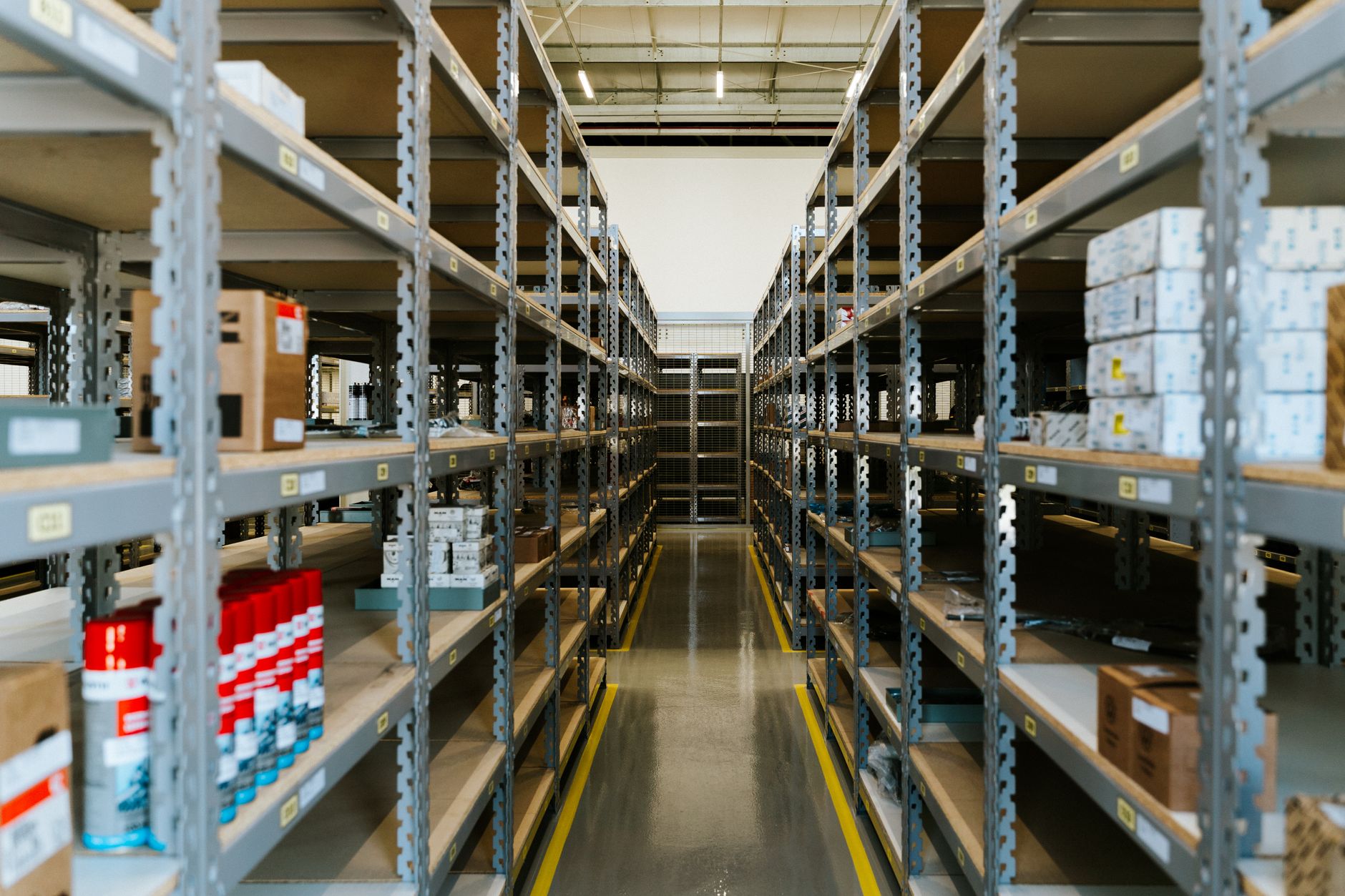
For an autonomous mobile robot vs material handler decision in Jacksonville, the robot makes sense when the same loads move between the same few points on a stable route and those trips fill enough of the shift. A material handler still makes sense when loads change every shift, need a person to read or inspect them, or when the site moves too little volume to keep a robot busy. The robot does not remove the team: it takes the repeat trips while people handle exceptions, and a site assessment should measure those trips before any lease is quoted.
Key takeaways
- A robot fits repeat, route-based moves; a material handler fits irregular, mixed or judgment-heavy work.
- Nationally, the occupation counts about 2,988,900 jobs, so the local pool is large and the local pay is a fair benchmark.
- Warehousing recorded 4.8 recordable cases per 100 full-time workers in 2024, which raises the stakes on the worst trips.
- Overtime, sick-day and night-shift data for this job were not available, so measure them on your own floor.
- Plan one robot plus fewer staff on the repeat loop, never zero staff, and quote the lease only after a site assessment.
Autonomous Mobile Robot vs Material Handler in Jacksonville: Which Makes Sense?
For most Jacksonville sites, the answer depends on the shape of the work, not the size of the building. A robot makes sense when the same loads move between the same few points on a stable route, and when those trips fill enough of the shift that the robot's time is well used. A material handler still makes sense when loads change every shift, when items need a person to read labels or inspect them, or when the site moves too little volume to keep a robot busy.
A robot is a poor fit when routes change often, when floors are cluttered or uneven, or when the hours are so few that the robot would sit idle through much of the day. It is also a poor fit where nobody can yet name the trips it would take over. The rest of this page explains how to measure those trips before anyone signs a lease, and what the team looks like afterward.
The honest test is simple. Count the repeat trips, time them, and check whether the same people are pulled off other work to cover them. If the answer is a steady stream of identical moves with gaps that keep reappearing, an autonomous mobile robot deserves a serious look. If the work is a mix of tasks that change by the hour, the handler stays.
Adoption figures disagree, so they should not decide the question. A vendor-commissioned survey reported in a trade news piece found more than 70 percent of respondents had adopted or planned to adopt autonomous mobile robots or guided vehicles, and 21 percent used self-driving forklifts. A Peerless Research Group survey, cited on a robotics vendor page, reported that over 70 percent of polled warehouses were not yet using robots. The two framings conflict, so your own trip count matters more than any industry average.
What does a material handler actually do in a shift?
A material handler in a warehouse or plant spends most of the shift moving loads between receiving, staging, storage, production and shipping. The work runs as a loop: pick up, travel, drop, return. A good share of the time goes to waiting, for a dock door, a free pallet, a cart or a sign from a lead, rather than to the move itself. That waiting matters for the robot decision, because it is idle time a robot does not need to fill by working faster.
The handler also does work that never appears in a move count. They check a label, scan a pallet, flag a damaged load, square up a stack a forklift left crooked, and restage stock before a wave of orders. These tasks are scattered through the shift, so a robot cannot take the whole job in one step. It can take the loop, and people keep the rest.
Nationally, the Bureau of Labor Statistics counts 2,988,900 jobs in the occupation group Laborers and Freight, Stock, and Material Movers, Hand in 2024, according to the Occupational Outlook Handbook. It is a large group of workers, and the same job title shows up in many kinds of sites. The government wage data on this page gives the local pay for the same job in Jacksonville. For the decision, though, the useful number is not the headcount. It is how many hours of the handler's day go to repeat moves.

Median hourly wage, Laborers and Freight, Stock, and Material Movers, Hand
$4,261
Monthly cost of one full-time worker in Jacksonville, FL, at the median wage plus payroll costs (an estimate, not a quote).
Which tasks can a robot take, and which can it not?
Robots take the repeat moves that follow a known path. Examples are carrying a pallet or tote from a receiving staging point to a storage aisle, shuttling carts from a line to a dock, or running the same loop between two departments. The route is mapped once, the robot follows it, and it slows or stops around people. Because the trips are predictable, the robot's hours go into work that pays back.
Robots do not take work that needs a decision or a hand. Building a mixed pallet, choosing which stock to pull for an order, reading a damaged label, clearing a jam on a conveyor, and handling a load that does not fit the platform all stay with people. If a load is too heavy, too tall or too irregular for the platform, the robot is the wrong tool, and the site may need a different machine or no machine at all.
The practical split is a list of trips, not a list of job titles. Walk the shift and count the repeat moves by route. Mark each one that has a fixed start point, a fixed end point, and a load that fits the platform. Those are the candidates. Everything else stays with people, and that is where the freed time is usually spent.
What does the labor picture look like in Jacksonville?
The local labor pool is large. The Federal Reserve Bank of St. Louis reports about 54,600 people in transportation, warehousing and utilities in the Jacksonville metro area in December 2025, seasonally adjusted, and about 55,100 as a 2024 annual average. That series covers the whole metro and several industries, so it shows the size of the pool, not a warehouse headcount.
Turnover is harder to read. The Bureau of Labor Statistics reports a 2025 annual average quits rate of 2.0 percent across all industries in its JOLTS release. The St. Louis Fed series for trade, transportation and utilities shows 2.6 percent for December 2025, and 2.2 percent for both October and November 2025. That blended group is not the handler's job alone, and the monthly and annual figures cover different periods, so treat it as a rough signal that quits in these industries ran above the all-industry annual average in late 2025.
The City of Jacksonville states that 13.2 percent of employees work for supply chain logistics companies in warehousing, transportation and wholesale trade. That is a share of the local workforce, not a count of handlers, but it shows how deep the logistics labor market runs in the city. A robot does not change the availability of people in that market. It changes how many hours the site needs from them.
Overtime, sick days and night-shift share for this occupation in Jacksonville were not available in the data we could verify. Those are the numbers that most change the robot case, so measure them on your own floor: overtime hours, call-outs, and fill rates for handler shifts over the last twelve months.
- Repeat trips on a fixed route
Autonomous Mobile Robot
Repeats the same loop without drift in pace or path
Material Handler
Gets the loop done, but pace and attention vary across a long shift
- Exceptions and damaged loads
Autonomous Mobile Robot
Reacts only to what a sensor flags and cannot judge a damaged pallet
Material Handler
Spots damage, mixed loads and blocked exits and decides on the spot
- Hours of coverage
Autonomous Mobile Robot
Can run on shifts the site cannot staff, with charging breaks built in
Material Handler
Needs breaks, shift handoffs and time off, but is present without setup
- Absence and call-outs
Autonomous Mobile Robot
No sick days, but a stalled unit needs a service call and may need a spare
Material Handler
Can cover a gap by moving to another task, once someone is available to call in
- Setting up a new route
Autonomous Mobile Robot
The route must be mapped and tested before it runs
Material Handler
Can be shown a new route in one shift and start working it
- Handling irregular loads
Autonomous Mobile Robot
Limited to loads that fit the platform
Material Handler
Handles irregular shapes the platform cannot take, within safe lifting rules
Do injury rates change the decision?
They can, but only as context. The Bureau of Labor Statistics industry profile for warehousing and storage (NAICS 493) reports a 2024 total recordable case rate of 4.8 per 100 full-time workers. Cases with days away, restriction or transfer were 4.1, and days-away cases were 1.5. The same profile reports 32 fatalities in 2024, up from 28 in 2023. The profile notes a series break from 2023 because of the 2022 industry classification change, so compare the years carefully.
The industry rate is not an occupation rate. The BLS did not publish a case rate for the transportation and material moving group in the data we checked, so the handler's own rate has to come from the site's injury log. Read that log by task. If strains, slips and collisions cluster on repeat carrying and pushing, the robot case is stronger, because those are the trips a robot takes.
Robots are not injury-free. They add hazards of their own, such as people stepping into a moving robot's path, and they need clear lanes, marked stop zones and a plan for what staff do when a unit stalls in a busy aisle. Put those in the integration plan before go-live, not after the first near miss.
How does a team work with a robot?
The robot works with the team, not in place of it. A typical arrangement keeps people on the shift, takes the repeat loop off the handlers, and moves them to exceptions, staging and quality checks. In practice that means one robot plus fewer staff on the repeat loop, never zero staff. The site still needs people in the building for every shift the robot runs.
Two things make the arrangement work. The first is a clear handoff: the robot delivers to a fixed point, and a named person owns what happens after. The second is a fallback plan, because a stalled robot in an aisle blocks traffic. Staff need to know how to clear it, who to call, and which route the team uses while the unit is out.
Training is short but specific. Staff learn the stop zones, the stall alert and the rules for where they may walk while the robot is running. The handlers who made those trips often move to the exceptions, where their judgment counts most. Plan that move with them, because a handler who knows the floor is often the first person to spot a route that needs changing.
What can the robot not do?
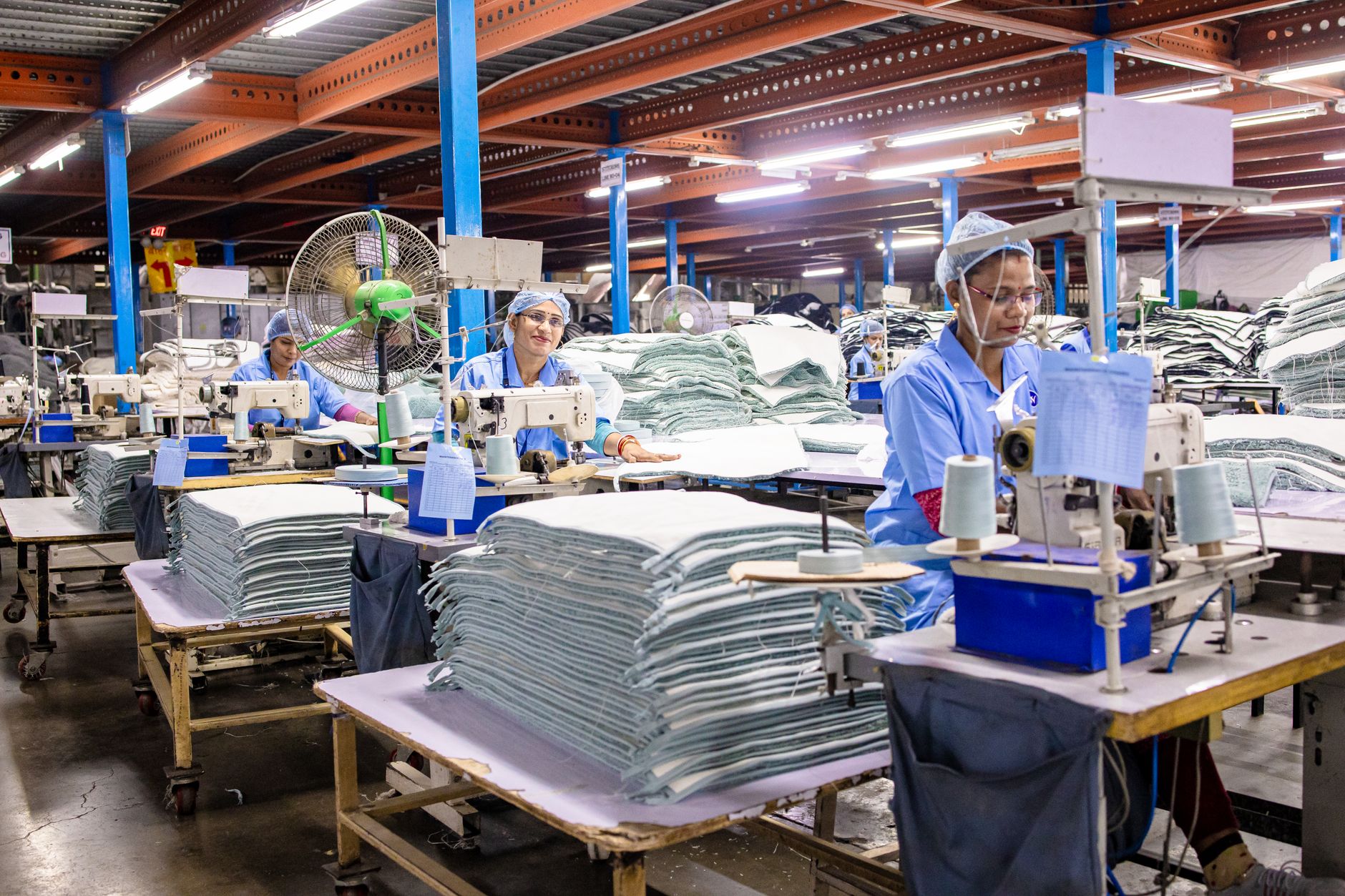
A robot does not handle every load or every floor. It needs a mapped route, a level and clear floor, and loads that fit the platform. Narrow aisles, uneven slabs and frequent route changes cut into its usefulness. A site that rearranges its racks every quarter will spend time remapping, and that time belongs in the plan.
It cannot make a judgment call. It will not notice a damaged pallet unless a sensor flags it, it will not decide which order ships first, and it will not notice a fire exit that someone has blocked with stock. Those gaps are why the team stays, and why a robot should never be the only check on safety-critical items.
It also cannot earn its keep on a shift with little work. If the repeat trips are few, the robot sits idle, and idle time is one of the most common reasons a robot case fails. Be honest about volume in the assessment. For some sites, a material handler with better equipment, or a change in how trips are batched, is the stronger answer.
Service matters as much as the machine. A stalled unit that waits days for a visit leaves the trips undone, and a route that depends on a single unit has no backup. Ask how remote triage and on-site dispatch work, and whether a spare unit can cover a repair, before you sign anything.
How do you decide the number of robots and the lease?
Start with one robot on one route. Count the repeat trips, the hours they take per shift and the floor they cover. Those three numbers set the first unit. A second unit makes sense only after the first has run long enough to show its real hours in your building, which is a better guide than any estimate made from a floor plan.
We pick the right robot for the site, lease it through financing, deploy and integrate it, train the staff and service it nationwide. The lease is quoted after a free site assessment, where the trips are measured and the route is mapped. You will not get a fixed robot lease payment figure before that work is done, because a number without the route would only be a guess.
Ask what the lease covers. Service and spare-unit coverage matter because a stalled robot should not leave the trips undone. Ask what happens during a repair, who answers at night, how long a unit takes to return to the floor, and whether a loaner is available. Those answers shape the shift more than any headline unit count.
How do you get started in Jacksonville?
Begin with a walk of the shift. Follow one handler for a full shift, and log each move by route, load and wait time. Note what the handler does between moves, not only the moves. Do the same for the night shift if the site runs one. The log is the basis for every later decision.
Next, pull the injury log by task and the overtime and call-out records for the handler roles, then compare them with the trip log. If the same routes appear in all three, the robot case is strongest on those routes. If they do not line up, the first pilot should go where the trips are most repetitive, not where the complaints are loudest.
Then request a site assessment. It maps the route, measures the floor, checks loads against the platform, and tests the handoff points and stop zones. A pilot on one route with one leased unit shows the real hours, the stall rate and the handoff problems in your building. That is the lowest-risk way to learn whether the case holds before committing to more units.
Frequently asked questions
Put a robot to work in Jacksonville.
We walk your site, learn the job, and recommend the unit that fits. Then we quote the lease, deploy it, and keep it serviced.
Sources
- US Bureau of Labor Statistics, Occupational Employment and Wage Statistics (OEWS May 2024)
- Bureau of Labor Statistics, warehousing and storage industry profile (NAICS 493)
- Bureau of Labor Statistics, Occupational Outlook Handbook: Laborers and Freight, Stock, and Material Movers, Hand
- Federal Reserve Bank of St. Louis (FRED), Jacksonville transportation, warehousing and utilities employment
- City of Jacksonville, Office of Economic Development, workforce
- Bureau of Labor Statistics, JOLTS release
- Federal Reserve Bank of St. Louis (FRED), trade, transportation and utilities quits rate
- Trade news report on a warehouse automation survey
- Peerless Research Group survey, as cited on a robotics vendor page