
The short answer
For most air cargo facilities, the drone vs overnight security guard question is not either or. A drone makes sense for flying a fixed perimeter and apron route after dark, covering ground a guard would otherwise walk on foot, but it cannot respond to alarms, check doors or make judgment calls, so it works best with fewer guards at the gates and control point rather than replacing the whole post.
Key takeaways
- A drone flies the apron route on schedule, while a guard handles response, doors and credentials.
- Typical drone flight time is about 15 to 55 minutes per charge, so plan battery cycles from your measured route.
- Routine beyond visual line of sight flight was still waiting on the federal Part 108 rule as of mid-September 2026.
- Security industry turnover was 89 percent in 2024 according to UC Berkeley Labor Center research, so plan replacement coverage.
- Plan one robot plus fewer staff, never zero staff, and pilot one route before changing any post.
Drone vs overnight security guard: which makes sense for an air cargo apron?
A drone makes sense on an air cargo apron when the job is to fly a fixed perimeter and apron route on a schedule, look for movement across open ground, and record what it sees. It makes less sense when the job depends on physical response, checking locked doors, verifying people at access points, or handling a fire, medical event or equipment incident. So the drone vs overnight security guard choice comes down to which tasks the post actually performs, not which device is newer.
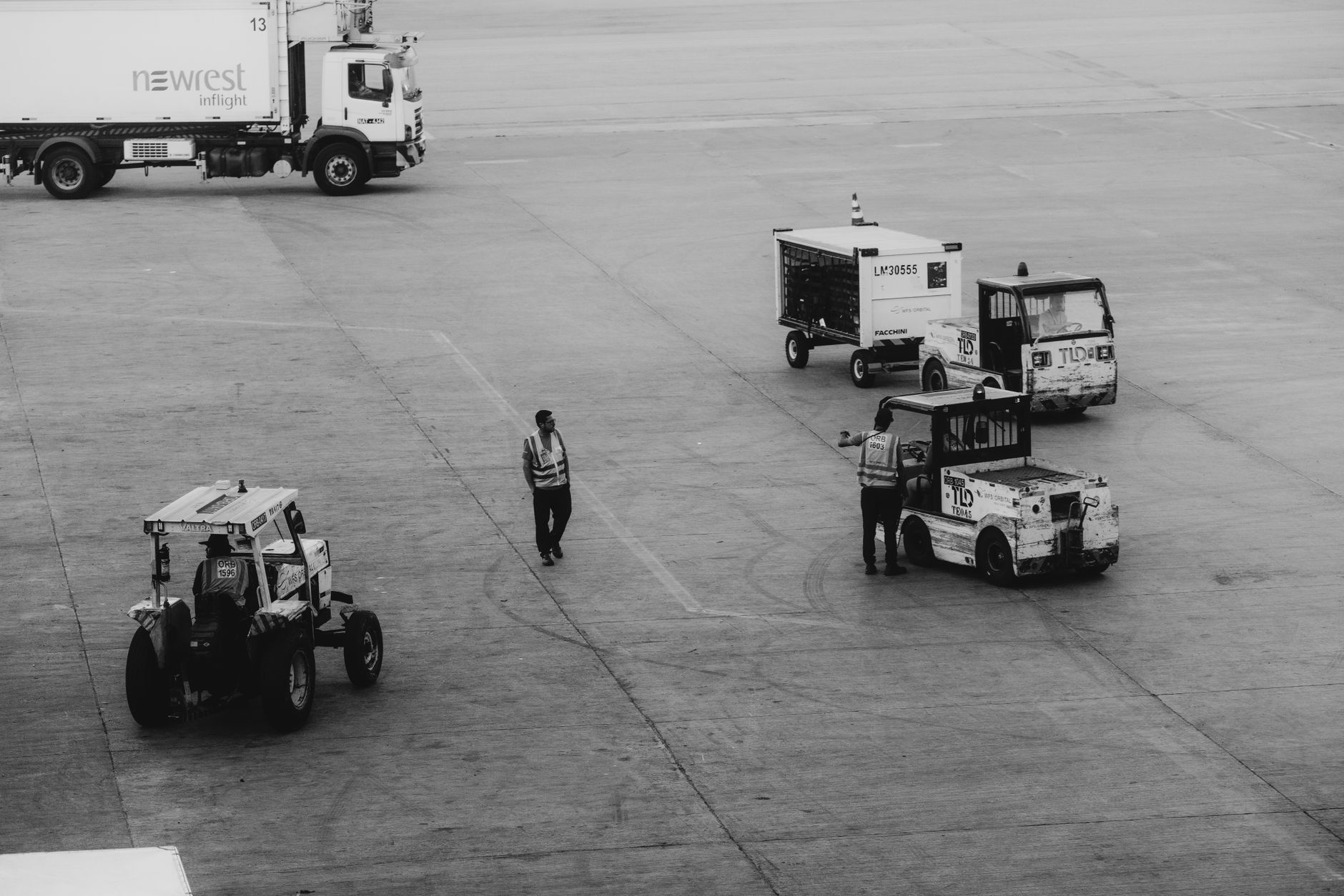
Apron size is why the question comes up. According to the Chicago airport's cargo page, O'Hare has about 2 million square feet of airside cargo facilities, plus a similar amount landside. Trade press reports Newark's total cargo space at 1.45 million square feet, and the Memphis airport's cargo page reports more than 34 million square feet under lease on airport property to a single express carrier. Those figures count buildings, not the open paved apron between them, so the ground a patrol covers is larger than a building count suggests.
For most sites the practical answer is one robot flying the apron route, with fewer guards at the gates and control point. Zero staff is not the goal, because someone still has to respond, check doors and make the call when a drone alert comes in.
- Apron perimeter patrol
Drone
Flies the same route on schedule, every night, at the same checkpoints
Overnight Security Guard
Walks a loop that can drift, and tires over a long shift
- Response to an alarm
Drone
Sends images and alerts to a monitor, but cannot physically act
Overnight Security Guard
Goes to the alarm, assesses it and handles the scene
- Access control
Drone
Cannot check badges, open doors or stop a vehicle
Overnight Security Guard
Checks credentials, locks, gates and drivers at access points
- Weather and darkness
Drone
Limited by wind, rain, fog, battery life and night rules still in flux
Overnight Security Guard
Works in most weather, though still needs shelter and breaks
- Record keeping
Drone
Logs flight paths and images automatically
Overnight Security Guard
Writes logs and reports, which can be incomplete on a busy night
- Judgment and people
Drone
Makes no judgment about who belongs on the apron
Overnight Security Guard
Recognizes unusual behavior and makes the call
What does an overnight security guard actually do during a shift at an air cargo facility?
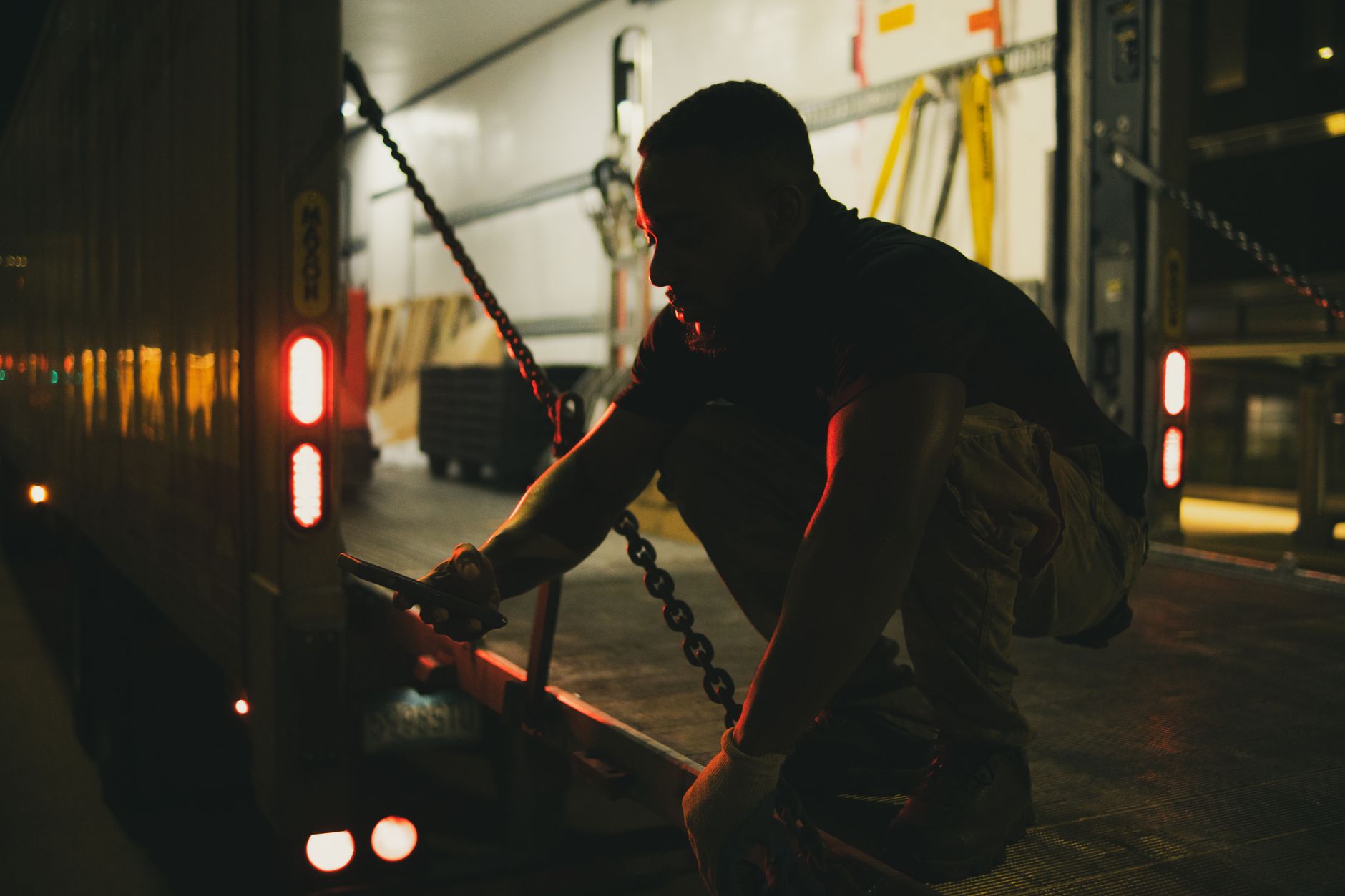
The shift usually opens with a post check: radio test, key and access check, and a review of handoff notes from the day shift. Then the work is a mix of walking the perimeter and apron, checking gates, doors and loading areas, logging vehicles and people, and watching for anything out of place. Most of the shift is routine. The value of the post is in noticing the one unusual thing.
When an alarm or camera event comes in, the guard must go to it, assess what is there, and contact the right party, which may be airport operations, police or a supervisor. That response is the part of the job a patrol route does not cover, and it is usually where a night post earns its place.
We did not find a published figure for how many hours a guard spends walking an apron per shift. Measure it on your own site with a time study over several nights before you set a target, because route length, lighting and gate count change the answer a great deal.
Median hourly wage, Security Guards
$4,317
Monthly cost of one full-time worker, at the median wage plus payroll costs (an estimate, not a quote).
Which parts of the night can a drone take, and which parts can it not?
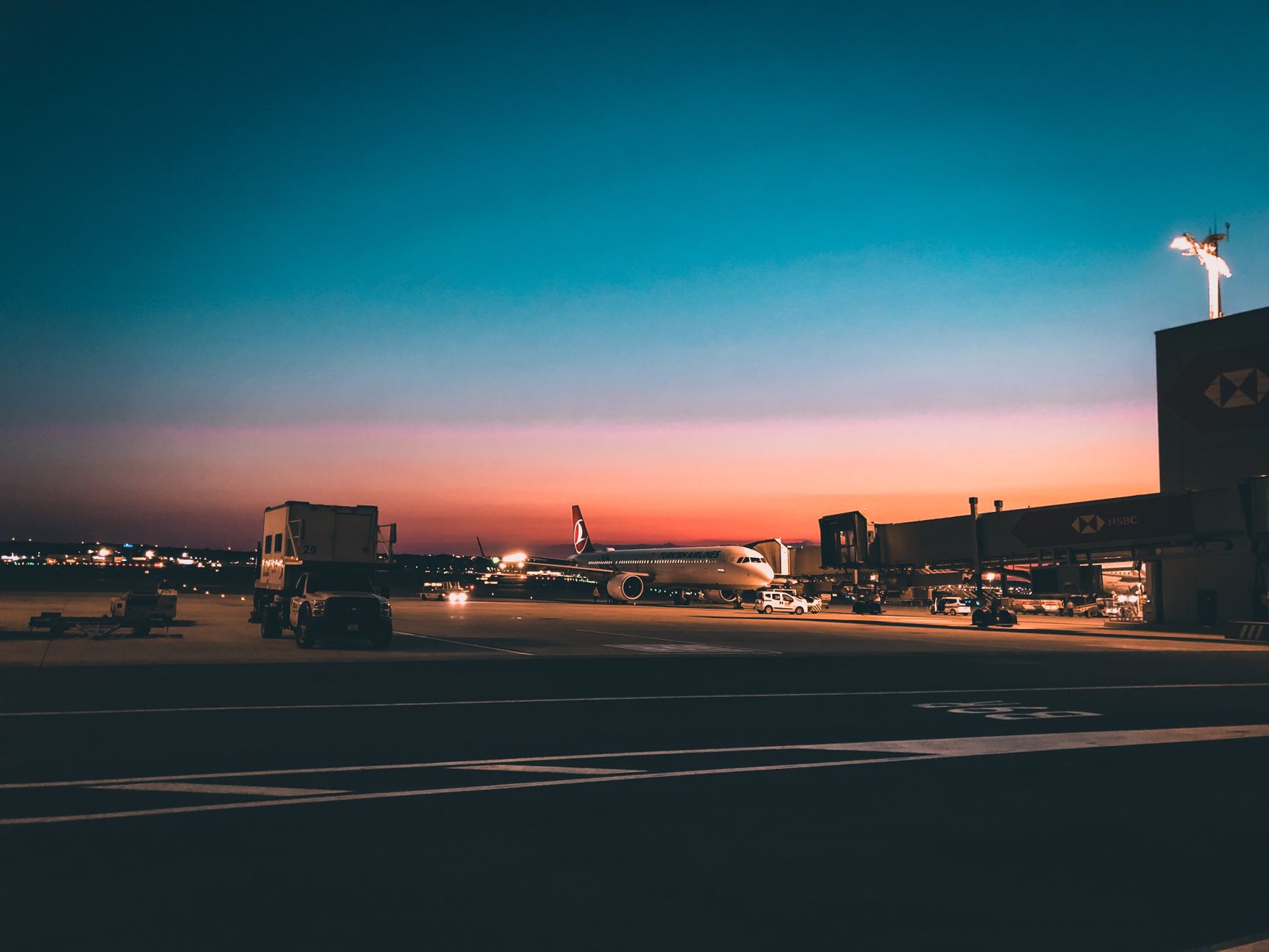
A drone can take the scheduled apron and fence-line patrol. It flies the same path at the same altitude and checkpoints every night, and it can send images or alerts back when something moves across open ground. Covering dark, wide areas is where it saves the most walking, because a person would otherwise cross the same ground on foot in a long loop.
A drone cannot physically stop an intruder, open or close a door, check a badge at an access point, stop a vehicle, or help an injured person. It also does not bring the judgment of someone who knows the site and the people who work on it. Those tasks stay with a person, which is why the drone is a supplement to the post rather than a substitute for it.
- Scheduled perimeter and apron flights on a fixed route
- Spotting movement or an open gate along the fence line and across open ground
- Flight logs and images saved for the shift record
- The same checkpoints every night, which is hard to keep consistent on foot
- An alert to a monitoring person who decides whether to dispatch
How much labor sits behind an overnight security post, and how much turnover should you expect?
Turnover is the staffing problem most sites feel first. According to UC Berkeley Labor Center research as summarized by a security industry news site, annual turnover in the security industry was 89 percent in 2024, against 66 percent for the private-sector average. Those figures cover the whole industry, not air cargo sites alone, but they show why a night post built on one named person per shift has little slack.
The same summary reports that 43 percent of security officers lacked health insurance through an employer or union. A separate secondary report gave annual turnover of 50.8 percent in 2023 with an unclear original source, so check the primary Labor Center report before you cite any turnover number in an internal decision.
For safety context, BLS data for 2009 counted 63 fatal work injuries among security guards and an estimated 8,920 nonfatal injuries or illnesses requiring at least one day away from work. The fatality rate was more than twice the all-worker rate. That data is dated, but it is the most recent primary BLS table we found for guards with counts.
A 2007 BLS fact sheet put the assault and violent-act rate for guards at 14.4 per 10,000 full-time workers, against 2.6 per 10,000 for private industry overall. That is a reason to keep a person on post where the risk is real, even when a drone covers the route.
We did not find current published figures for overtime, sick days or night-shift coverage specific to air cargo guards. When you compare staffing, use the government wage data on this page for the local wage for this job, then count the hours your posts actually need to fill.
How long can a patrol drone fly on one charge, and what does that mean for the apron?
Typical flight time across drone systems is about 15 to 55 minutes per charge, according to a drone industry trade overview. The upper figures often reflect ideal conditions or hover-only time, so plan around the lower end until you test the route at night, in cold weather and in the wind you actually get.
Docks that swap batteries or recharge the aircraft change the picture. A dock vendor's published specification states up to 54 minutes of flight per charge and up to 12 hours of continuous operation through battery swapping. Another vendor figure puts recharge at about 27 minutes from 15 to 95 percent. We did not verify either number independently, so treat them as claims to test on your route.
A route that covers the full apron and fence line may need more than one battery cycle. Plan the number of aircraft, docks and charge points against the route length you measure on site, not against the single flight time on a spec sheet.
What are the FAA rules for night and beyond visual line of sight drone patrol?
Beyond visual line of sight flight is the rule that matters most for apron patrol, because a long route often takes the aircraft out of the pilot's direct view. According to a drone industry trade report, FAA Part 108, the rule that would allow routine BVLOS flight, was still unpublished as of mid-September 2026. The final rule went to the Office of Information and Regulatory Affairs on July 10, 2026, and the statutory deadline of January 16, 2026 had already passed.
Until Part 108 takes effect, routine BVLOS still requires a Part 107 waiver or a Part 135 certificate. Check the current status before you commit, because the deadlines have already passed without a final rule.
We did not find night operation provisions in the sources we reviewed. Read the August 2025 proposed rule text in the Federal Register and the final rule once it is published, and confirm with the airport and the FAA how your airspace is handled.
How does a team work with a drone on an overnight air cargo apron?
The team setup is one robot plus fewer staff, never zero staff. A guard or operator stays at the gate and control point, the drone runs the apron route on schedule, and every alert goes to a person who decides what happens next. Someone with the authority to dispatch and the training to read the feed must be on site or reachable at all times.
Here is what we handle for sites that do not have this in-house. We pick the robot for the site, lease it through financing, deploy and integrate it with your alarm and monitoring setup, train the staff who will run it, and service it nationwide. The payment comes in a quote after a free site assessment, so the numbers reflect your route and not a generic estimate.
Roles change rather than disappear. Some guards move from walking the apron to monitoring and responding, which means the training plan matters as much as the aircraft. Plan the handoff between the drone's alert and the guard's response before the first night.
What can a drone not do on an air cargo apron?
A drone is limited by weather, wind, battery life, positioning and radio conditions, and by airspace near active runways, which generally requires coordination with the airport and the FAA. A patrol that works on a calm night may fail in gusts, fog or rain, so the plan needs a fallback for those nights.
It cannot fill the response role. If the drone detects a person at a door, another person still has to reach the door, make a decision and handle the scene. Plan who that person is and how long they take to arrive, because that time is the real measure of overnight security.
Insurance, licensing and client contract terms may still require a guard on post. Check your contract and your insurer before you change the staffing plan, and get their answer in writing.
How do I get started with a drone patrol pilot at an air cargo site?
Start with one route and one aircraft. Request a free site assessment so the route, charging points, communication links and airspace questions are mapped before anything flies. Compare the lease quote that follows against the staffing hours you are trying to cover, not against a headline flight time.
Run the pilot for enough nights to see real weather, wind, battery and alert handling. Record the time from alert to a person on scene, and record every night the route cannot be flown, because those nights decide whether the post can be reduced.
Keep a backup for days the aircraft is down. That may be a guard kept on post, or a spare unit from the provider under a service plan that covers replacement. Confirm that backup before you reduce any guard hours.
Frequently asked questions
Upcoming airports & transit events
Want a drone at your air cargo facility?
Tell us about your site. We will recommend the robot, quote the lease, and keep it serviced.
Sources
- US Bureau of Labor Statistics, Occupational Employment and Wage Statistics (OEWS May 2024)
- BLS Teaching and Data 2012 security guard fatalities
- BLS 2007 security guard injuries fact sheet
- Security industry summary of UC Berkeley Labor Center report
- Chicago airport air cargo page
- Trade press on Newark cargo space
- Memphis airport properties and cargo page
- Drone industry trade report on FAA Part 108
- Drone industry trade overview of security drones