
The short answer
In a drone vs overnight security guard decision for a cannabis grow, a drone works best as an aerial watch on the exterior that reports what it sees, while a person handles alarms, inside checks and any physical response. Plan for one trained person on site at night plus an aerial unit covering the perimeter, and treat a drone alone as suitable only for a small, well-fenced site with a fast responder and clear night flight approval. Confirm the local and federal night rules before you set a schedule.
Key takeaways
- A drone covers the exterior from the air but cannot detain, enter buildings or respond on foot.
- Night drone flights need anti-collision lighting visible for at least 3 statute miles under 14 CFR 107.29.
- Keep one trained person on the night shift, with the drone adding exterior coverage, never zero staff.
- Public sources show a large, changing grower population, so site size and license type should drive the choice.
- Measure your own guard hours and overtime before deciding, because the public figures here are not site-specific.
Is a drone vs overnight security guard choice right for a cannabis grow?
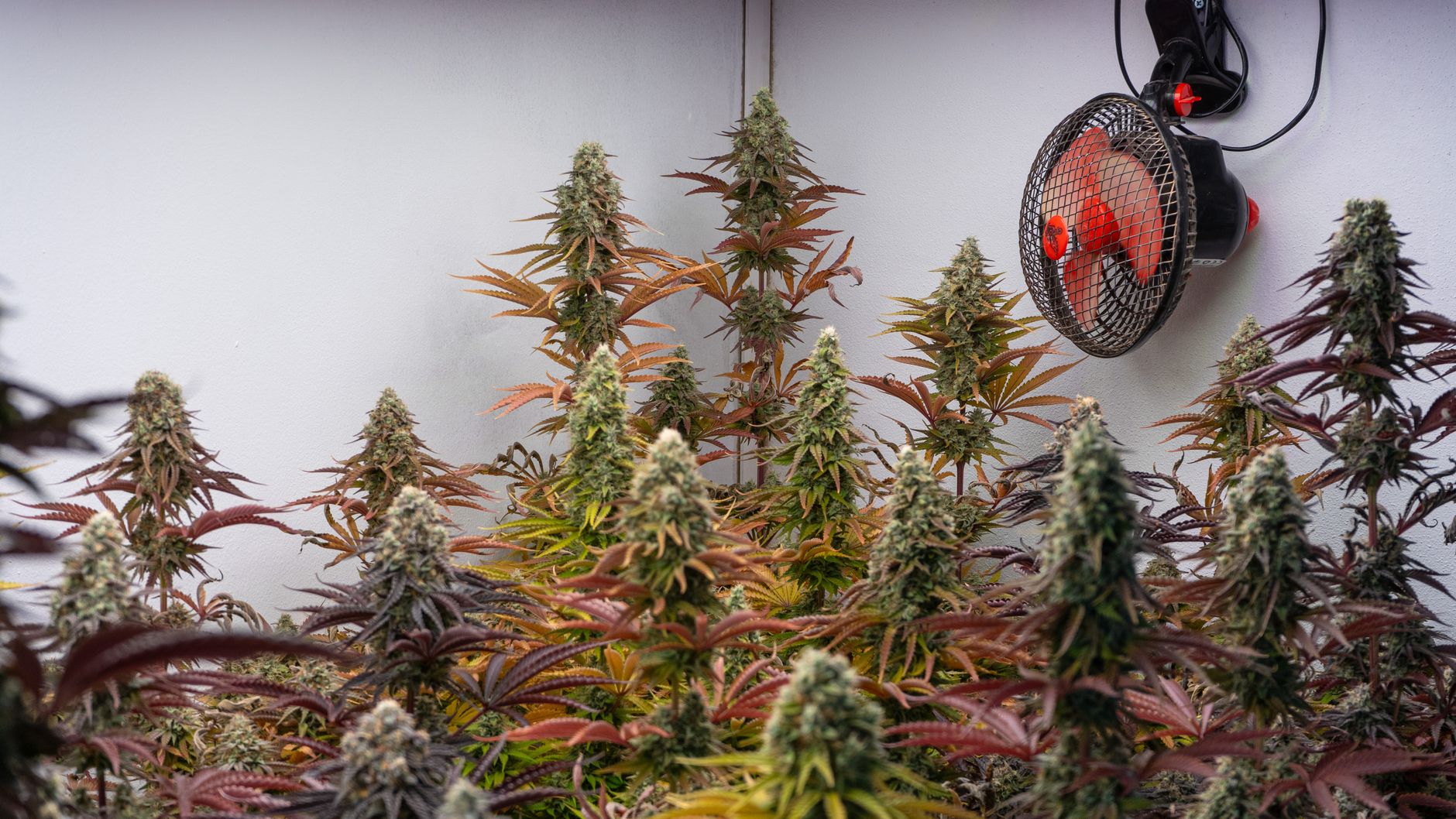
For most cannabis grow facilities, a drone is a good watch on the outside of the site and a poor replacement for a person on the inside. An aerial unit can fly the fence line and exterior of a large property at night and report what it sees. It cannot detain anyone, open a locked door, check a room or respond to a breach on foot.
A drone makes the most sense when the site is large, the perimeter is the main worry, a responder is close, and the local rules allow night flights. It makes less sense as the only overnight measure at a site with high-value crop, a history of inside losses, or an alarm plan that expects someone to be present at the door.
The practical default is one trained person at night plus an aerial unit covering the exterior. That keeps a responder on the property while the drone does the long, repetitive watch that a guard would otherwise walk by hand.
What does an overnight security guard actually do at a cannabis grow?
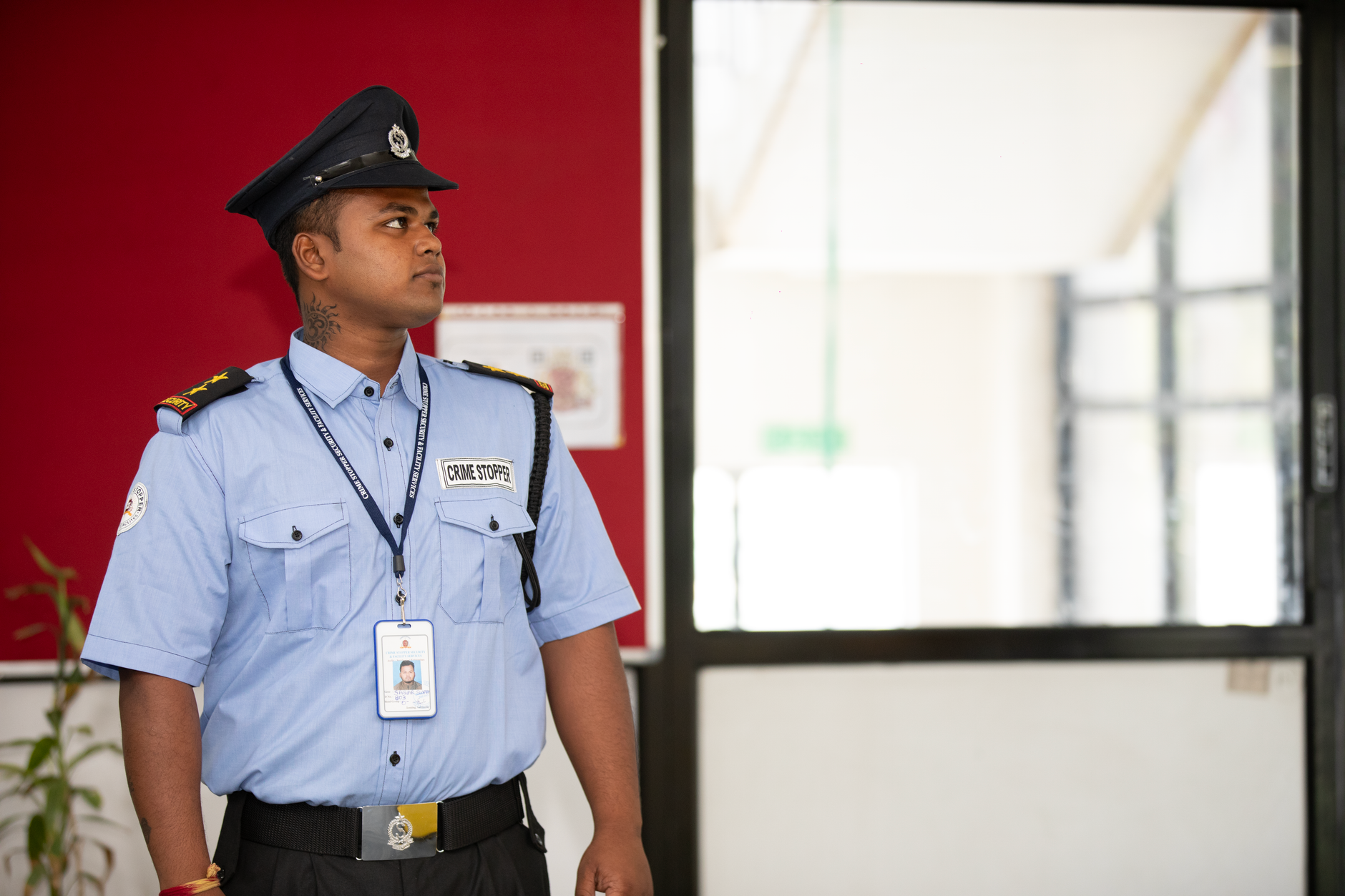
An overnight guard usually works a set route around the perimeter and buildings, checks doors, gates and access points, watches camera feeds where they exist, and logs each round. The guard also answers alarms, calls police or the on-call manager, and documents anything unusual. On a large outdoor site the route alone takes real time, so the work is mostly steady walking, looking and recording.
The job also carries a licensing layer. According to the Bureau of Labor Statistics, most states require security guards to be licensed, especially if they carry firearms, and the typical entry route is a high school diploma plus on-the-job training. The person on your overnight shift is therefore a credentialed employee or contractor whose role needs a written definition, not simply a watchman.
Most of this work is observation and reporting, with a smaller number of moments that need judgment. That split decides which parts a drone can absorb and which stay with a person.
Median hourly wage, Security Guards
$4,317
Monthly cost of one full-time worker, at the median wage plus payroll costs (an estimate, not a quote).
Which parts of the overnight watch can a drone take over, and which can it not?
A drone can take the repetitive exterior watch. It can fly the fence line on a fixed schedule, scan the outer grow areas, look for people or vehicles where they should not be, and stream video to a monitoring station. It flies the same route the same way on every shift, which a walking route cannot always guarantee on a long night.
A drone cannot do the inside work or the physical response. It cannot enter a building, check a locked room, verify a count of plants in a room, stand at a door or hold anyone until police arrive. Any alarm that needs a hand on a door or a call to a responder still goes to a person.
Night operation adds a legal layer. Under 14 CFR 107.29, a small drone flown at night or civil twilight needs anti-collision lighting visible for at least 3 statute miles, operational from takeoff to landing. Flights between sunrise and sunset do not need that lighting, so a schedule that runs into darkness changes the equipment you must carry.
- Exterior perimeter
Drone
Flies a fixed fence-line route on the same schedule each night and streams video to a monitor
Overnight Security Guard
Walks or drives the route, can change it on judgment, slower over long perimeters
- Responding to an alarm
Drone
Can find the alarm location and send video, but cannot reach the door
Overnight Security Guard
Goes to the door, checks the scene and calls the responder
- Inside buildings
Drone
Cannot enter locked rooms or check doors
Overnight Security Guard
Checks rooms, doors and inventory areas
- Legal presence
Drone
No authority to hold or detain anyone
Overnight Security Guard
Licensed where required, can hold a presence, call police and document
- Night operating limits
Drone
Needs anti-collision lighting under 14 CFR 107.29 and a qualified pilot, and weather or low battery can stop flights
Overnight Security Guard
Works through most weather, but fatigue and distraction are a real risk on long shifts
- Route consistency
Drone
Same route each night with an automatic flight log
Overnight Security Guard
Depends on attention that varies by person and shift, though a person can spot odd signs a camera may miss
How much labor does an overnight guard take, and what does the public data say?
Public data on this job is thinner than most decision makers expect. According to the Bureau of Labor Statistics, employment of security guards and gambling surveillance officers is projected to grow 1 percent from 2025 to 2035, which is slower than the average for all occupations. A slow-growing pool of qualified guards is one reason to design coverage that does not depend on filling every overnight post.
We did not find verified public figures for overnight guard shift hours, overtime, sick-day rates or turnover at grow facilities. Those numbers vary by contractor, state and site, so they need to come from your own timesheets and your guard contractor's records before you decide.
The government wage data on this page gives the local wage for this job, which is the starting point for a labor comparison. The hours a shift really needs drive the total, though. A route that takes the whole night needs a person for the whole night, while a route an aerial unit covers frees that person for alarms and inside checks.
How many cannabis grow facilities are there, and is the market growing?
According to IBISWorld, a modeled industry estimate counts 48,921 U.S. medical and recreational marijuana growing businesses in 2025, up 18.4 percent from 2024. That is an estimate rather than a census, so read the total as a direction and scale, not an exact count.
The trend data disagrees. According to a cannabis industry trade report, active U.S. cannabis cultivation permits are down 24 percent since 2023. The gap may reflect different counting methods, such as businesses versus permits or licenses.
State counts show how license categories vary. According to a cannabis trade news report, Oklahoma had 2,261 active cultivation licenses as of January 2026, and New York had 245 cannabis cultivators as of March 2026. According to a Maryland General Assembly fiscal briefing, Maryland had 187 operating cannabis businesses as of January 2026 across all license types.
A licensed count tells you how many sites a guard or drone provider could serve in a state. It does not tell you how large each site is, and site size matters more to the drone decision than the headline count.
How serious is theft at cannabis grow facilities?
The best survey we found is an academic study of small-scale growers. According to the Sevigny et al. study, a manuscript draft, 5,667 small-scale growers in 13 countries were surveyed between August 2020 and September 2021, and 76 percent had never experienced victimization. About one-quarter had been victimized at some point, mostly through theft, and profit-motivated growers were more exposed.
That study covers small growers across many countries, not large US commercial grows, so it shows a pattern rather than the loss rate at your site. A large, high-value grow with a full crop has more to lose per incident, and its threat profile may differ from a small operation.
The perimeter is only one part of the threat. A drone does nothing about a person with a badge, so access control, indoor cameras and inventory counts need their own plan, and they may matter as much as the outside watch.
Can a drone fly a night patrol, and what are the rules?
Night flight is possible but tightly bounded. Under 14 CFR 107.29, any small drone flown at night or civil twilight needs anti-collision lighting visible for at least 3 statute miles, and that lighting must work from takeoff to landing. Daylight flights between sunrise and sunset do not carry that requirement, so a schedule that shifts into darkness changes the equipment list.
Pilot rules have also moved. According to a third-party guide, a 2021 change removed the separate night waiver for Part 107 pilots who complete updated night training, while another source still cites the older waiver rule. Because sources disagree, check the latest federal regulations directly before you write a night schedule.
Local rules, property rules and your own crop security plan may add limits, such as notice requirements or restricted areas over the grow. A drone that cannot legally fly the route at the hours you need is not a security plan, so put the legal check at the start of the project.
How does the team work with a drone, and where do guards still matter?
The workable setup is a robot plus fewer staff, never zero staff. The aerial unit flies the exterior on a schedule and streams video to a monitoring point. The person on site handles alarms, inside checks, responses and any contact with people at gates.
Our company is a US commercial robot integrator. We pick the right robot for the site, lease it through financing, deploy and integrate it, train the staff and service it nationwide. For a grow, the free site assessment maps the perimeter, flight paths, lighting and alarm routing, and the lease quote follows from that assessment.
Training matters as much as the flight. The person on the night shift needs to know how the feed works, what the alarm sequence is, and when to call the responder, so the drone reduces the watching without opening a gap in the response.
What can a drone not do for a cannabis grow?
A drone cannot replace the legal presence of a guard. It cannot detain a trespasser, speak to a responding officer on the ground or make a judgment about a situation that needs a person. Battery life limits how long it can stay airborne, and rain, high wind and fog can ground it.
We did not find verified outcome data showing how often drone patrols at cannabis facilities detect or deter losses. Any claim about that should be tested in your own pilot before it shapes a budget or a staffing plan.
A drone may also be a poor first step for a small site. A short perimeter with good lighting, cameras and a close responder may need little more than a clear alarm plan, so test that before adding an aerial unit.
How do we get started with a drone or guard plan for a grow?
Start by writing down the three things the overnight plan must do: watch the exterior, respond to alarms and keep inside areas secure. Then measure your own guard hours, overtime and turnover, since the public figures on this page are not site-specific.
Next, run a site assessment that maps perimeter length, grow buildings, lighting, alarm routing and any night flight limits. The lease quote for an aerial unit comes after that assessment, so a fixed lease payment can be compared with the guard contract on the same site map.
Pilot before you commit. Run one unit for a set period on a defined route, log every alarm and response, and compare the results with the guard shifts the unit might change. A pilot shows what the drone covers at your site, which no general comparison can show.
Frequently asked questions
Want a drone at your cannabis grow facility?
Tell us about your site. We will recommend the robot, quote the lease, and keep it serviced.
Sources
- US Bureau of Labor Statistics, Occupational Employment and Wage Statistics (OEWS May 2024)
- Bureau of Labor Statistics Occupational Outlook Handbook, Security Guards
- IBISWorld estimate, medical and recreational marijuana growing businesses
- Cannabis industry trade report on cultivation permits
- Cannabis trade news report, Oklahoma licenses
- Cannabis trade news report, New York cultivators
- Maryland General Assembly fiscal briefing, cannabis businesses
- Sevigny et al. survey of small-scale growers (manuscript draft)
- Cornell Legal Information Institute, 14 CFR 107.29