
The short answer
For most Des Moines sites, the drone vs security guard question is about which tasks a machine can finish alone, not which job disappears. A drone can cover open ground and scheduled checks, but under current FAA rules most flights beyond the operator's line of sight still need a waiver, so it fits best on a contained site where the operator can see the aircraft and a person still answers every alarm. A drone makes less sense where the guard does people work such as access control, de-escalation and incident reports, and any plan should be a robot plus fewer staff, never zero staff.
Key takeaways
- Current FAA rules generally keep drone flights inside the operator's line of sight unless a waiver or program covers the route.
- Security turnover is high, so the labor risk sits in filling and training posts as much as in the hourly rate.
- A drone can take outdoor rounds and scheduled checks, but people still handle alarms, access and conflict.
- Use the local wage data on this page, then measure your own rounds and overnight hours before deciding.
- Plan for a robot plus fewer staff, never zero staff.
Drone vs security guard in Des Moines: when a drone makes sense
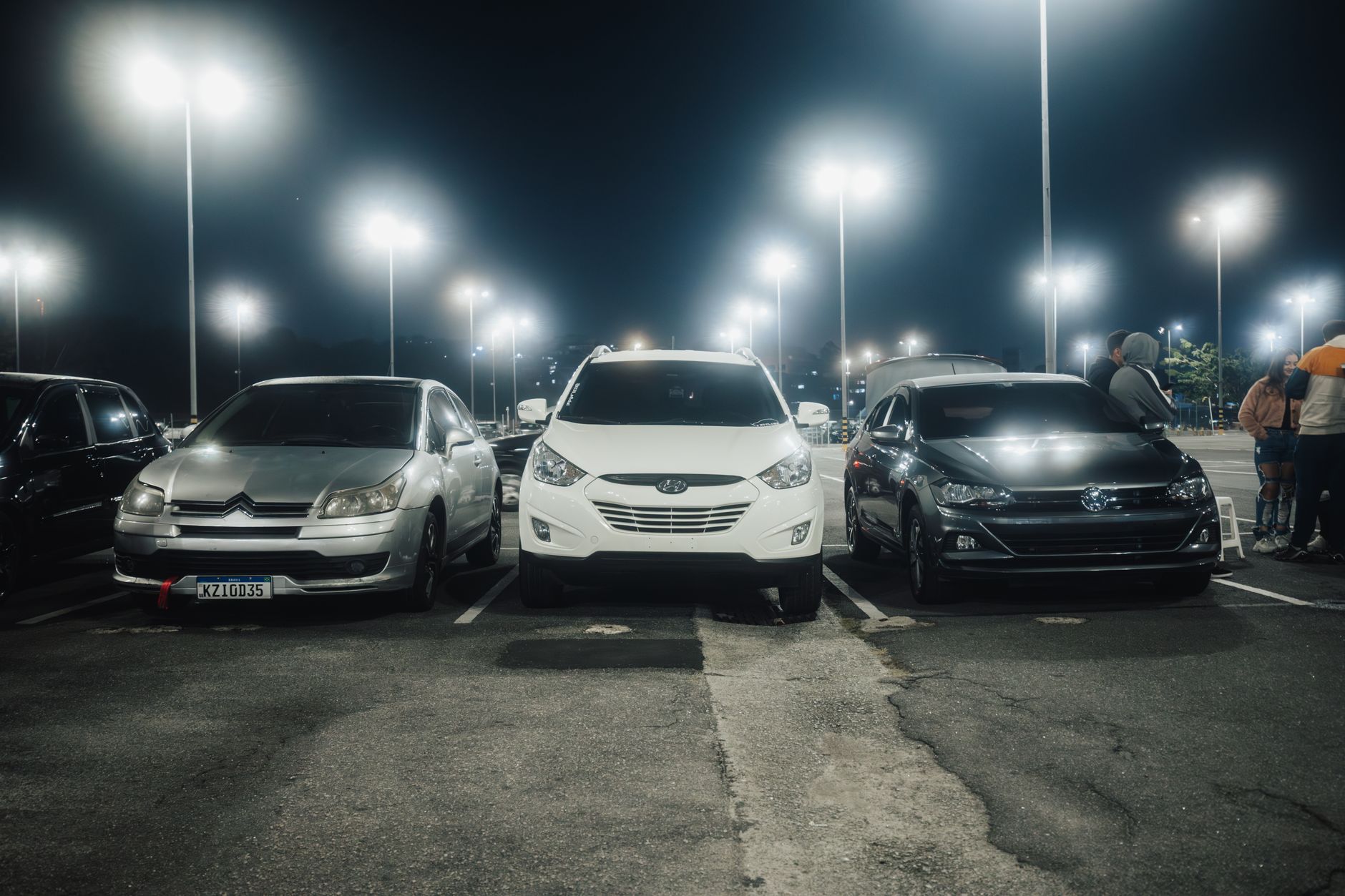
A drone makes sense for a Des Moines business when the work is outdoor, repetitive and mostly about seeing rather than doing. Think of a fenced equipment yard, a parking lot, a construction staging area or a perimeter that a guard currently walks on a fixed route. The drone records and reports what it sees, and a person checks the alert.
It does not make sense when the guard's value is in presence. Lobby access control, handling a trespasser, calming a dispute and writing an incident report that holds up are people tasks. A drone cannot be the only resource on a site where someone has to answer a door or a phone.
In most cases the answer is a mix. Use a drone, or a ground patrol robot indoors, for dull and predictable rounds, and keep or reassign staff for response. Confirm the flight rules for your exact route before anything else, because those rules decide what is possible in the first place.
How turnover and local wages shape the guard decision in Des Moines
The government wage data on this page gives the local pay for security guards in Des Moines, IA, and that is the starting point for any cost comparison. It shows what an hour of guard time costs, but it does not show what those hours cost once turnover, training and coverage gaps are included.
Turnover is often the bigger issue. According to a UC Berkeley Labor Center report as cited in trade press, annual turnover in the US security industry reached 89% in 2024, versus 66% across the private sector. The same report says the security figure has exceeded the private-sector figure every year for a decade.
Older figures of 100% or more circulate widely, but they trace to a 2006 industry article and should be treated as dated. Each replaced guard means onboarding, training and a long stretch before that person knows the site and its habits. That is why turnover can matter more than the hourly rate when you plan coverage.
Median hourly wage, Security Guards
$4,210
Monthly cost of one full-time worker in Des Moines, IA, at the median wage plus payroll costs (an estimate, not a quote).
What does a security guard actually do during a shift?
A guard's shift is usually a mix of fixed posts and rounds. A guard may staff a desk or gate to check badges and visitors, walk a set route to inspect doors, gates and lights, respond to alarms, log what they see, and call a supervisor or the police when something needs a higher authority. The exact mix comes from the post orders, the written instructions for that site.
The rounds are the part a machine can take over. They follow the same path, at the same times, looking for the same things. The response is different. When an alarm sounds, a person has to verify it, decide whether to approach and speak to whoever is there, and that work carries physical and legal risk that needs judgment.
Ask for the post orders before comparing anything. They list the hours, the rounds, the reporting steps and the escalation rules. A drone or patrol robot can only replace the parts of those orders that are visual, timed and repeatable.
- Scheduled perimeter rounds
Drone
Runs the same route on time and records what it sees, where flight rules allow.
Security Guard
Walks the route, checks doors and lights by sight and sound, and acts on what they notice.
- Alarm response
Drone
Sends an alert and a live view, but cannot approach or detain anyone.
Security Guard
Verifies the alarm, decides whether to approach, and speaks to people on site.
- Night coverage
Drone
Works without breaks, sick days or overtime, according to trade press framing.
Security Guard
Can tire and call in sick, but can respond to what the route did not anticipate.
- Visitors and access
Drone
Can speak through a speaker but cannot check a badge or read a situation.
Security Guard
Checks credentials, greets visitors and handles confusion or conflict.
- Incident records
Drone
Produces time-stamped logs and video of what it saw.
Security Guard
Writes an account with context and can testify if needed.
- Where the person wins
Drone
Follows what it was set up to detect.
Security Guard
Adapts when a situation is new or unclear.
Which parts of the job can a drone take, and which can it not?
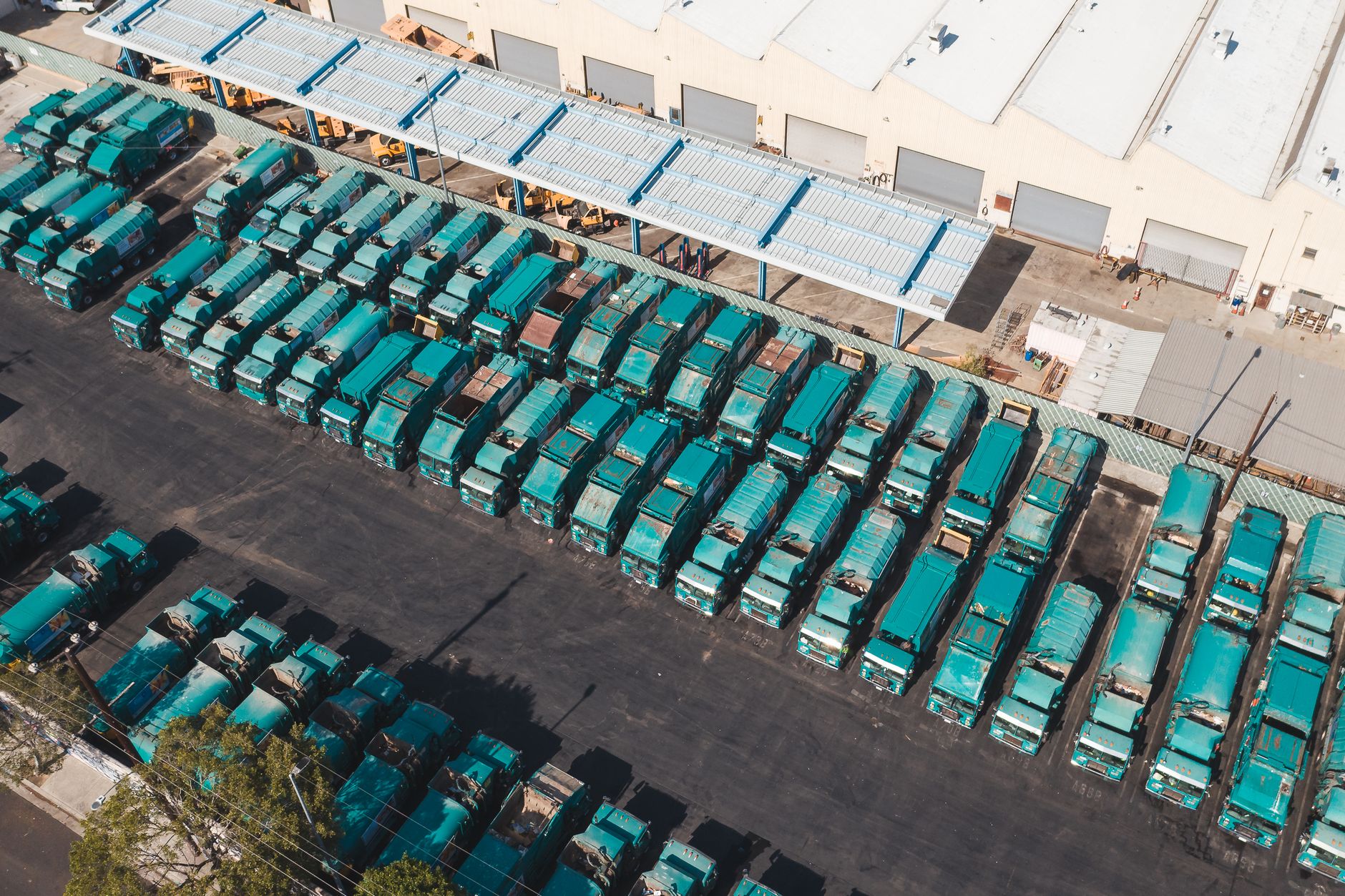
A drone is good at seeing a large area quickly from above. It can check a roof edge, a fence line, a truck yard or a parking lot at a set time, and send live video or a recording to a monitoring desk. Its value is coverage and speed of looking, not physical presence.
A drone cannot open a gate, check a badge, move a vehicle or stop a person. It cannot be in two places at once, and it cannot be the only thing between a trespasser and an open loading dock. Indoors and in tight spaces, a ground patrol robot may fit better than a drone.
- Can take: scheduled outdoor rounds, perimeter views, after-hours checks of open yards, live video to a monitoring desk.
- Cannot take: access control, in-person alarm response, conflict handling, witness statements and gate or key work.
- Depends on the site: indoor patrols, which usually need a ground robot or a different platform.
What FAA drone rules mean for a Des Moines site right now
Under Part 107, the FAA's general drone rule, operators generally may not fly beyond visual line of sight. According to a drone industry explainer on BVLOS flights, those flights currently need individual waivers or participation in the FAA BEYOND program. Part 107 also limits drones to 55 pounds, according to an industry article on the rulemaking.
The FAA has proposed a routine BVLOS rule, Part 108, that would allow aircraft up to 1,320 pounds at or below 400 feet in approved areas. According to that article, it is still a proposal, and in the sources reviewed it had not taken effect. Plan around the rules in force today, not the proposal.
The BEYOND program has been extended through 2029 under Section 920 of the FAA Reauthorization Act, according to an aviation news site. That extension matters for any route that has to leave the operator's sight line, so ask whether your route could qualify before you plan around it.
What do injury and violence rates tell you about guard work?
The injury data for guard work is older than it should be, and it is national because no Des Moines injury figures were verified for this page. In 2007, according to a BLS fact sheet, security guards had a nonfatal injury and illness rate of 107.8 per 10,000 full-time workers, which was below the private-industry average. Their assault and violent-act rate, though, was 14.4 per 10,000 full-time workers, versus 2.6 for private industry overall.
A 2009 summary in Safety and Health magazine reported 63 fatal work injuries among security guards and an estimated 8,920 nonfatal injuries or illnesses requiring at least one day away from work. Fatalities were often assaults, according to that summary. The more recent BLS fact sheet, covering 2021 to 2022, puts the overall nonfatal workplace violence rate at 2.9 per 10,000 full-time workers, and service occupations, which include security guards, recorded 25,320 DART cases from intentional injury by another person. DART cases are those involving days away from work, restricted work or job transfer.
For your decision, the pattern is the point. A drone that takes the routine walk off a guard's route may reduce how often a person walks into an unknown area alone. It does not remove the person from the response, and the response is where the risk sits.
How many guard hours can a robot actually take?
We could not verify Des Moines figures for overtime, night shift hours or sick days for security guards, so this page does not quote them. Do not let any robot proposal rest on hour counts that nobody measured. The number that matters comes from your own post orders and schedule.
Start with the schedule. Count the guard hours assigned to rounds and checks, separate them from hours at a desk or on response, and note which hours fall overnight. Overnight hours are often the hardest to fill, which makes them the first place to test whether a robot adds coverage rather than replacing a shift.
Then read that picture alongside turnover. When a site replaces guards often, each vacancy carries onboarding and training time, and a robot that covers part of the route means less for a new hire to learn. The local wage data gives the base rate. Your shift record tells you what share of hours a robot could cover.
How does a robot plus staff model work in practice?
The workable model is a robot plus fewer staff, never zero staff. A patrol unit runs the scheduled route and sends alerts to a monitoring desk. A person reviews each alert, decides whether it needs a response, and goes to the site only when it does. The guard who used to walk every round now covers a smaller area and spends more time on response and access.
Vendor figures show what this kind of system can do at scale, but they are the vendor's own numbers. A vendor of security patrol robots and drones reported 250,000 combined security missions and 150,000 miles walked by its patrol unit as of July 2025. That report is self-attributed and not independently audited, so read it as a sign of maturity rather than a guarantee for your site.
Trade press describes the same pattern: robots work without breaks, sick days or overtime, and human staff focus on real threats while remote monitoring runs alongside patrol. That describes the intent. Whether it works at your site depends on how the route, the alerts and the staffing are set up on the first day.
What can a drone or patrol robot not do?
The honest limit is people. A drone cannot detain anyone, enforce a parking rule or give the witness account a court may need. A robot cannot read the context a person reads at a gate, and it cannot calm someone who is upset at a door.
Weather and battery are real limits. Wind, rain, cold and low light affect flights and sensor quality, and a drone that runs out of charge mid-route leaves a gap. Plan for it with a backup unit, a charging rotation, or a guard assigned to cover the gap.
Rules are the third limit. Until a routine BVLOS rule takes effect, many routes will need a waiver, and a waiver is tied to a specific flight path. A proposal that would allow larger aircraft does not change what you can fly this year.
How do I get started with a robot plus staff plan?
Start with the post orders and the schedule, not with a product. Write down the rounds, the hours, the response steps and the places a robot could see clearly. Any honest proposal should be built on that document.
We lease commercial robots through financing, then deploy and integrate them, train your staff and service them nationwide. The lease is quoted after a free site assessment, so you can compare the cost with your own hours before you commit. We will also tell you when a drone or ground patrol robot is not the right fit, and when a guard post should stay as it is.
Begin with one unit on one route, run it through full shift cycles, and measure alerts, response times and staff hours against your baseline. Keep the guard roles that handle access and response. Expand only when your own site numbers support it, and arrange backup units so one failure does not leave the route open.
Frequently asked questions
Put a robot to work in Des Moines.
We walk your site, learn the job, and recommend the unit that fits. Then we quote the lease, deploy it, and keep it serviced.
Sources
- US Bureau of Labor Statistics, Occupational Employment and Wage Statistics (OEWS May 2024)
- Trade press report on security industry turnover, citing UC Berkeley Labor Center data
- BLS fact sheet, security guard injuries and illnesses, 2007
- Safety and Health magazine, security guard injuries and fatalities, 2009
- BLS fact sheet, workplace violence, 2021 to 2022
- Drone industry explainer on BVLOS flights
- Industry article on the proposed Part 108 BVLOS rule
- Aviation news on FAA BEYOND program extension
- Vendor-reported patrol mission figures, 2025