
The short answer
For a university campus, the robotic lawn mower vs groundskeeper choice depends on the grass. A robotic lawn mower makes sense on wide, open turf such as quads, ovals and open lawns that get mowed on regular passes across a defined site, but edging, trimming around buildings, beds, irrigation and event setup still need a groundskeeper. The best fit for most campuses is a robot plus fewer staff, with the crew moved to detail work, and the split is confirmed through a free site assessment before a lease is quoted.
Read the commercial robot lawn mower guideSee what a robotic mower costsRun the numbers in the ROI calculator
Key takeaways
- A robotic lawn mower fits wide, open campus turf mowed on regular passes, while groundskeepers keep edging, beds and event work.
- Campus grounds are large: one Midwest university grounds department covers about 2,200 acres with 22 groundskeepers.
- Labor is the pressure point: 29 percent of 424 respondents to the 2025 State of the Green Industry report rank labor as their top concern.
- The latest injury data the research confirmed runs through 2019, so your own incident records should set the baseline.
- Pilot one leased unit on one defined lawn, measure the hours it frees, then expand in phases with spare unit coverage.
Is a robotic lawn mower vs groundskeeper choice right for a university campus?
A robotic lawn mower makes sense on a university campus when the work is wide, open grass mowed on regular passes across a site with a defined edge. Quads, ovals, lawns between halls and open recreation turf all fit that pattern. The robot takes the repetitive passes, which are the part of the job that uses up crew hours on a fixed schedule.
It does not make sense as a full replacement for a groundskeeper. Edging along walks and buildings, trimming around signs and trees, planting beds, irrigation checks, leaf and litter cleanup and event setup are hands-on jobs that need a person on site. A campus where most of the acreage is small, detailed space will get less from a robot than a campus with large, simple lawns.
The practical answer is a robot plus fewer staff. Keep the groundskeeper on the work the robot cannot touch, and move the freed hours to that work instead of cutting the crew to zero. The site assessment is where the split gets measured, zone by zone.
What does a campus groundskeeper actually do in a shift?
Campus grounds crews work from a list of zones, not from a single lawn. A typical shift mixes mowing with edging, string trimming, blowing off walks, emptying litter, checking sprinklers and answering work orders from building managers. Mowing is often the largest single block, but it competes for the same hours as everything else on the list.
The shift shape moves with the calendar. Early hours go to work done before classes and deliveries, midday work follows foot traffic, and events such as move-in, graduation and athletic games pull people off routine work with little notice. Crews that handle events spend real time on setup and cleanup that has nothing to do with the mower.
Staffing reflects that spread. A Midwest university grounds department, as described in a FacilitiesNet article, covers about 2,200 acres with 22 groundskeepers who handle mowing and other landscape duties, and runs 27 pieces of mowing equipment. Its grounds manager says hiring the right person is hard, and that it matters because the equipment is expensive.
Which grounds work can a robotic lawn mower take over, and which stays with people?
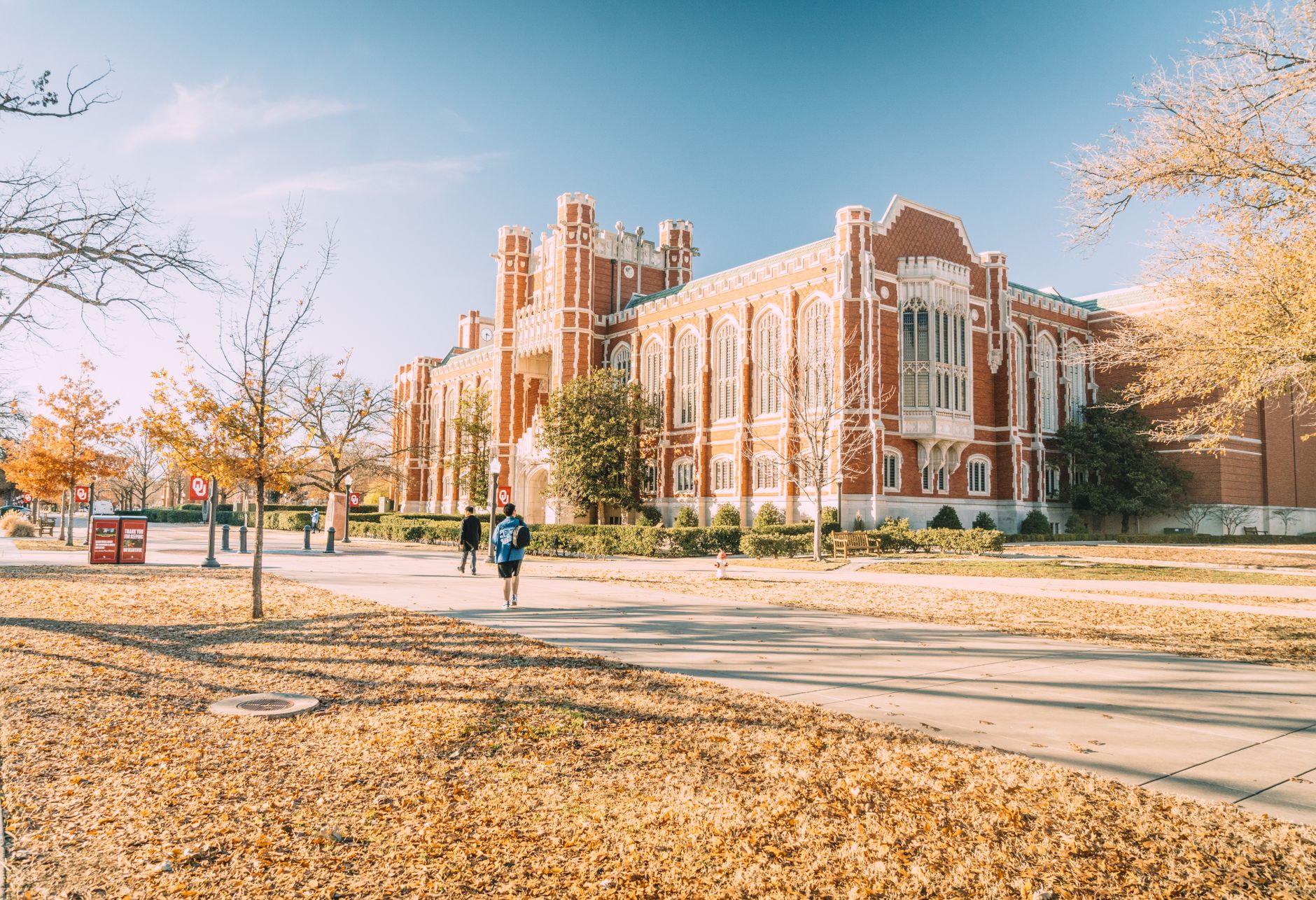
The robot can take repeated passes on open, mapped turf, and a campus oval is the clearest case. According to a campus newspaper report from Oklahoma, the robotic mowers on one university's main oval are reported to handle up to 15 acres per day. That figure describes an open area with few obstacles, so it is a benchmark for similar ground only.
The list below separates the work a robot can take from the work that stays with people.
Two cautions come before any campus-wide scope. First, the robot needs a clean boundary and a map, so lawns with heavy foot traffic crossing them need a plan. Second, the robot cuts grass at a steady pace, but it does not inspect turf health or spot a broken sprinkler head the way a person walking the grounds does.
- Can take: regular passes on wide open lawns, quads and ovals with clear boundaries
- Can take: repeat mowing on a fixed schedule, including windows when the lawn is empty
- Cannot take: edging along walks, curbs and building lines
- Cannot take: trimming around trees, signs, benches and fences, and hand work in tight corners
- Cannot take: planting beds, mulch, irrigation repair, leaf and litter pickup, and event setup and teardown
- Repeat mowing of wide open lawn
Robotic Lawn Mower
Covers mapped lawn on a set schedule and frees crew time
Groundskeeper
Covers the same lawn, but ties up a crew for hours
- Edging and tight corners
Robotic Lawn Mower
Cannot do edging or corners around buildings and obstacles reliably
Groundskeeper
Does the detail work the robot cannot
- Turf health and problem spotting
Robotic Lawn Mower
Cuts the grass but does not judge the turf
Groundskeeper
Spots disease, bare patches, drainage trouble and broken heads
- Event setup and teardown
Robotic Lawn Mower
Runs need pausing around events
Groundskeeper
Handles setup, cleanup and changing plans on short notice
- Sick days and staffing gaps
Robotic Lawn Mower
Does not call in sick or leave a gap in repeat passes
Groundskeeper
Can respond to a problem on the spot, but absences and hiring gaps happen
- Bad ground conditions
Robotic Lawn Mower
Idle on wet ground, steep slopes and deep leaf cover
Groundskeeper
Works through conditions with judgment, within safety limits
How big are campus grounds, and how many campuses are there?
According to NCES Fast Facts, 3,931 Title IV degree-granting postsecondary institutions were listed for 2020-21, plus 1,985 non-degree-granting Title IV institutions. Each one has grounds to keep, and many have wide open turf that suits a robot on part of the site.
Acreage varies widely. The Midwest grounds department described above manages more than 1,600 of its 2,200 acres. A Missouri university news blog reports six staff who spend 240-plus hours a week on more than 350 acres of grass and vegetation, and an Illinois campus grounds unit oversees 45 employees for about 250 acres. The ratios differ sharply, which is why a site assessment matters more than a campus-wide rule of thumb.
Mowing is one line in those hours. Counting acres and staff hours shows how much of the grounds is regular, mapped lawn and how much is detail work that stays with people, and that is the number a lease decision should rest on.
What does the labor picture look like for campus grounds crews?
Grounds work is a large occupation. According to the BLS Occupational Outlook Handbook, grounds maintenance workers held about 1,296,400 jobs in 2024, with projected growth of 4 percent from 2024 to 2034. The same handbook says services to buildings and dwellings is the largest employing industry at 48 percent, while educational services, state, local and private accounts for 3 percent.
Hiring is the pressure point. In the 2025 State of the Green Industry report, 29 percent of 424 respondents said labor is their most pressing concern. That is an industry survey rather than a federal count, but it matches what one grounds manager describes about hiring.
Some of the numbers that matter most for a campus are not in public data. The research for this page did not find BLS turnover rates, typical weekly hours, overtime levels, night shift share or sick-day figures for this occupation. Pull those from your own HR records for the grounds crew over the last two years, and bring them to the site assessment.
How does a grounds crew work with a robotic lawn mower?
The team model is always a robot plus fewer staff, never zero staff. The robot takes the repeat passes on mapped turf, and the groundskeeper moves to edging, trimming, beds, cleanup, irrigation and event work. People who used to spend most of a shift on the mower shift to the detail work the robot cannot do.
A few routines make this run. Someone checks the robot before a run, clears litter and loose items from the lawn, and reviews the run log afterward. Someone also walks the turf, because the robot will not flag stress, bare patches or drainage trouble. Training covers the boundary map, the stop and start controls and what to do when a run is interrupted.
Plan for downtime from the start. If a unit is out of service, the crew needs a way to mow that area, which is why spare unit coverage belongs in any lease. A campus that drops to zero people on grounds has no one to catch problems, and that is the outcome to avoid.
What do the injury and safety numbers say about grounds work?

The most recent BLS figures the research confirmed run through 2019. For landscaping and groundskeeping workers in private industry, BLS reported incidence rates of 157.2 per 10,000 full-time equivalent workers in 2015, 218.8 in 2016 and 185.0 in 2019. The same BLS snapshot reports 12,380 nonfatal cases with days away from work in 2019.
Those figures cover the whole landscaping and groundskeeping industry, not campus grounds specifically, and the latest year confirmed is 2019. They still show that grounds work carries real injury exposure. Part of the case for a robot is fewer people riding or pushing mowers on open ground, but the research did not measure that effect on campuses, so treat it as a question to answer on your own site.
Before any decision, pull your own incident and near-miss records for the grounds crew. Those records are more relevant than any industry average, and they set the baseline for judging whether the robot changed anything.
What can a robotic lawn mower not do on a campus?
The honest limits are the edges and the unexpected. A robot follows a mapped boundary and does not handle edging, tight corners or obstacles that were not in the map. It also needs a clear lawn, so a crew still has to clear litter, cords, event equipment and debris before a run.
Turf judgment stays human. A robot keeps a lawn cut, but it does not spot disease, compaction, drainage trouble, bare patches or a sprinkler head sticking up on a route. A person walking the grounds catches those, and that part of the work should not be given up to save time.
Weather and ground conditions limit runs. Wet ground, steep slopes and deep leaf cover can stop a robot until conditions improve, so the campus needs a plan for idle days. Plan those days with the crew, not on the assumption that the robot runs every day.
How do you get started with a robot lease on a campus?
Start with a free site assessment. We map the open turf, mark the boundaries and separate the regular passes from the detail work, then identify which zones a robot can take. The fixed robot lease payment is quoted after that assessment, so the terms reflect your actual ground rather than a campus average.
Pilot before you scale. Start with one leased unit on one defined lawn, measure the hours it frees and the staff time that moves to other work, then expand in phases so mowing never stops. A phased start lets the crew learn the routines before the robot covers the wider campus.
We pick the robot for the site, lease it through financing, deploy and integrate it, train the staff and service it nationwide. Dispatch and remote triage run from one partner, so the campus has one number to call and a spare unit for downtime. Ask for the service terms in writing as part of the quote.
Frequently asked questions
Upcoming schools & higher education events
- ConferenceNew England College Health Association (NECHA) 2026 Annual MeetingNov 11 to 13, 2026Newport Marriott Hotel & Spa, Newport, RI
- ConferenceCASBO CBO Symposium (Executive)Nov 19 to 20, 2026The Langham, Pasadena, CA
- Conference48th Annual Conference on School FacilitiesFeb 23 to 25, 2027SAFE Credit Union Convention Center, Sacramento, CA
- ConferenceVirginia Association of Museums (VAM) 2027 Annual ConferenceMar 13 to 16, 2027Virginia Guesthouse Hotel and Conference Center, Charlottesville, VA
Want a robotic mower at your university campus?
Tell us about your site. We will recommend the robot, quote the lease, and keep it serviced.
Sources
- BLS Occupational Outlook Handbook: Grounds Maintenance Workers
- NCES Fast Facts: Number of Postsecondary Institutions
- BLS Landscaping and Groundskeeping Workers Injury and Illness Snapshot 2015-19
- Green Industry Pros: 2025 State of the Green Industry Report
- Campus newspaper report on robotic mowers on a university oval
- FacilitiesNet: Mowing Decisions at a Midwest University
- Missouri university news blog on grounds staffing
- Illinois campus facilities grounds services