
The short answer
Autonomous mobile robot cost for semiconductor fabrication plants depends more on the route than on the vehicle. The inputs that move it are the number of tool load ports each route must visit, the cleanroom traffic rules that govern the path, the shift pattern, the mapping and integration the site needs, and the fleet size and service response the fab requires. A lease quote follows a free site assessment that measures those inputs.
Key takeaways
- The route through the fab, more than the vehicle, sets most of the lease quote.
- Cleanroom traffic rules and tool handoff points decide how routes are mapped and integrated.
- Mapping, software, maintenance, insurance and training are the costs teams most often miss.
- A study by the SIA and Oxford Economics puts about 67,000 semiconductor jobs at risk of going unfilled.
- The quote follows a free site assessment, so ask for the inputs before comparing numbers.
What does autonomous mobile robot cost for semiconductor fabrication plants depend on?
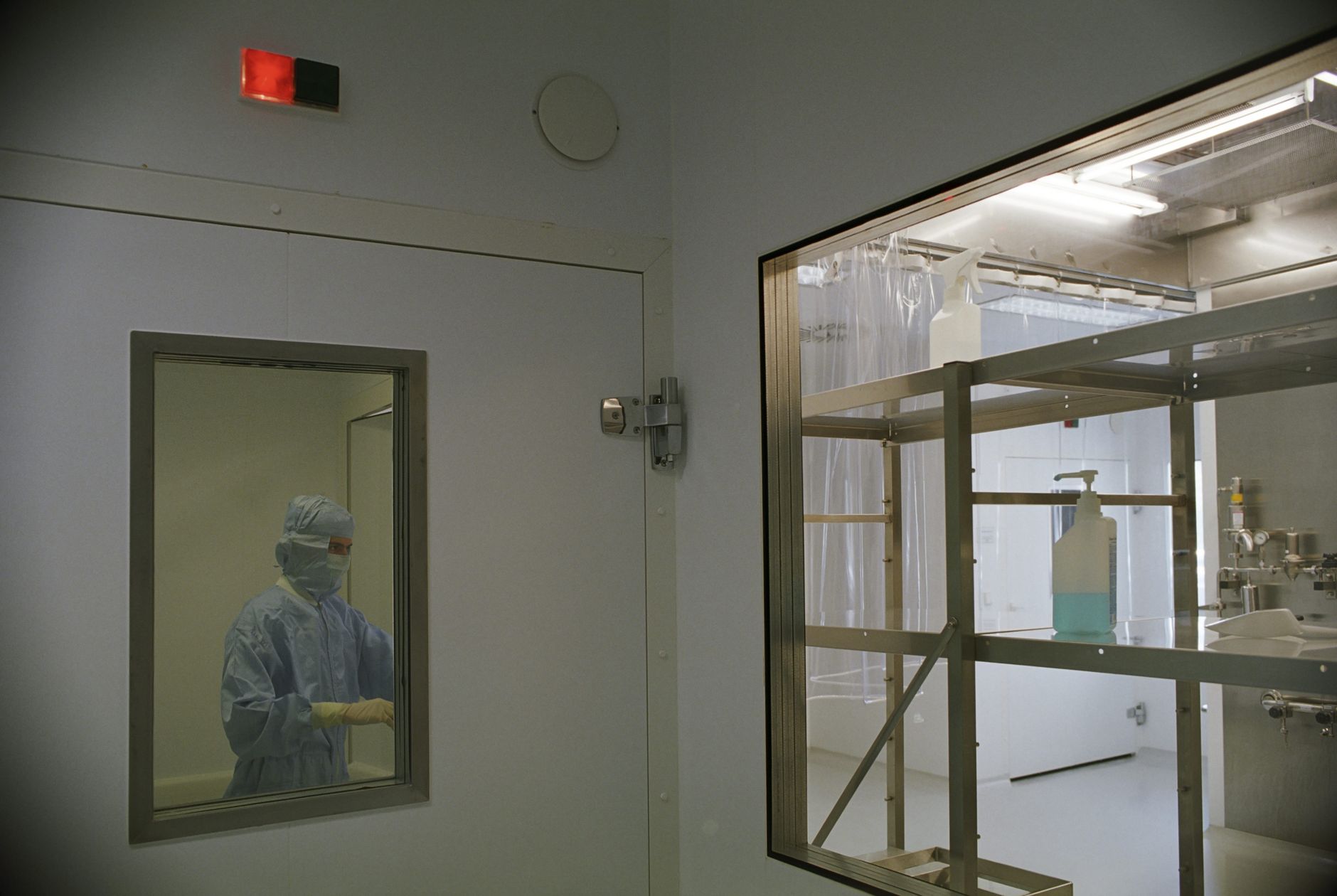
The short answer is the route. A fab is a set of process tools, each with load ports where a front-opening wafer carrier is set down or picked up, connected by corridors governed by cleanroom traffic rules. A mobile robot that moves a carrier from one tool to the next has to follow a path that the fab's material control system, safety rules and contamination controls all accept. The number of handoffs on each route, and how often those routes change, drives most of the work behind a quote.
The vehicle choice comes second. Payload, footprint and carrier type decide which class of vehicle a site needs, but two fabs running the same class can see scopes that vary widely. One may have long, fixed corridors and only a few handoffs per route. The other may have many short hops between tools and frequent layout changes.
A free site assessment is where those differences get measured. Routes, handoffs, shifts, corridor layout and integration points are recorded first, and the lease quote is built from that record rather than from a generic estimate.
Where does a mobile robot actually run inside a fab?
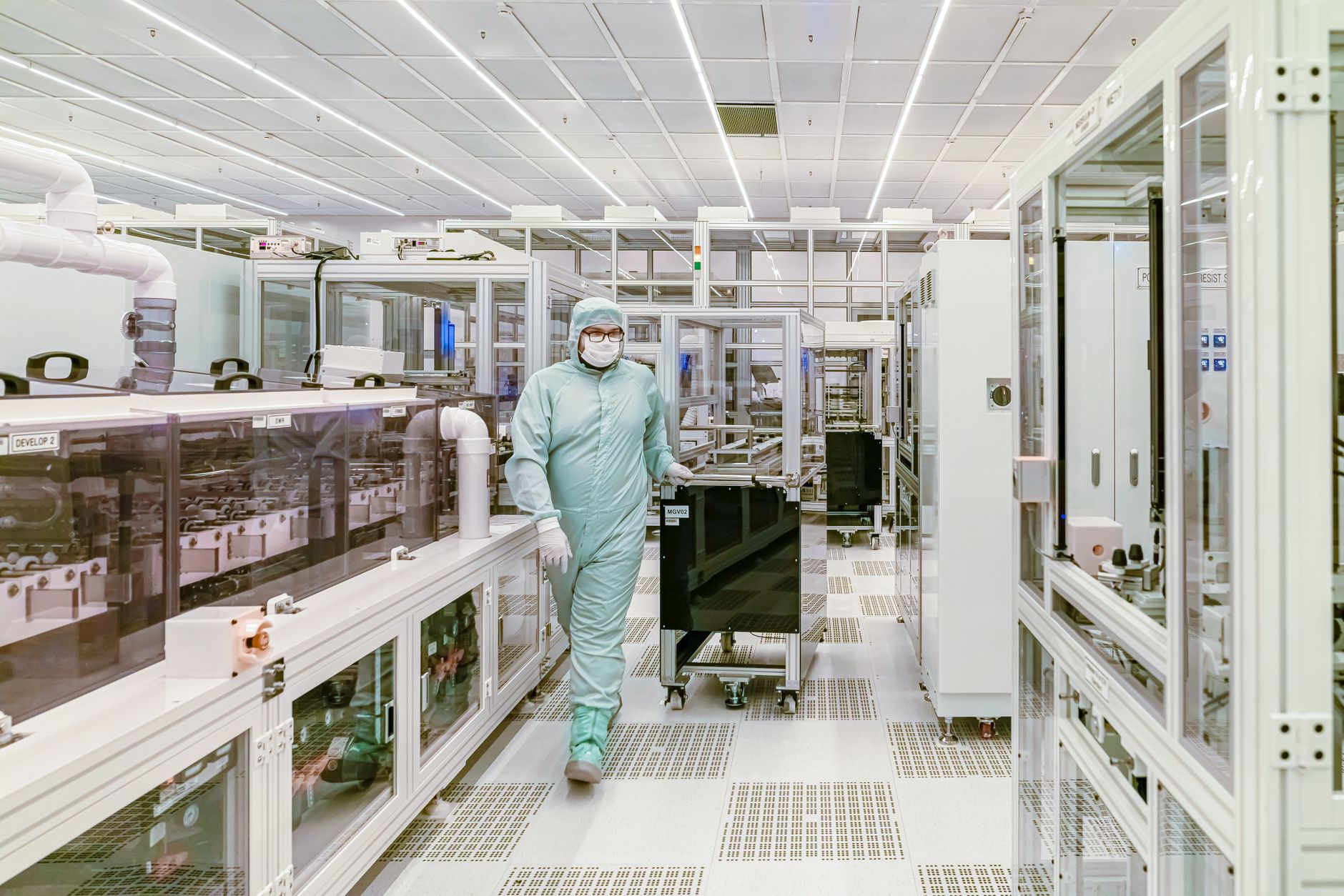
Most of the work sits between tools and storage. Carriers move from stockers to load ports, from one process tool to the next, and back to storage or to the dock. Each handoff is a point where a carrier must be set down or picked up at an exact location and timing.
The routes are shared. People, gowned operators, maintenance crews and other automated handling all use the same corridors. Cleanroom rules set speed limits, stop points, lane discipline and the zones a vehicle may not enter during a tool service, which is why routes are planned as fixed patterns rather than open floor navigation.
Fab growth keeps adding routes to map. According to the Semiconductor Industry Association, companies have announced 90 new projects across 28 US states since the CHIPS Act. Each new tool bay and building changes the layout that a mobile robot has to learn.
Which factors move the cost up or down?
Route structure comes first because it sets the vehicle count, the mapping effort and the integration work at the same time. A fab with short routes and few handoffs needs fewer vehicles and less mapping. A fab with long routes that cross many bays needs more of both.
Fleet size is the multiplier. Each added vehicle needs its own charging plan, maintenance, traffic management and recovery procedure. Shift coverage matters as well. A fab that runs continuous shifts needs its routes staffed and serviced around the clock, which raises the service response the lease has to commit to.
Floor condition matters less in a cleanroom than in a warehouse, because the floor is kept to a strict standard. Transitions between clean and less clean areas, door thresholds, elevation changes and any gaps at the dock still have to be surveyed and recorded before a route goes live.
Integration is the other large factor. The vehicle has to exchange information with the fab's material control and verify each load port handoff. A site with many tools, older interfaces or poorly documented equipment takes more engineering time than a site with a standard set of interfaces.

Why are fabs adding mobile robots now?
Staffing pressure is a large part of the answer. According to the Semiconductor Industry Association's 2025 Factbook, more than 342,000 people are directly employed in the US industry, using the SIA's definition, which includes design and R&D.
The transport work sits inside a broad occupation group. According to the Bureau of Labor Statistics, semiconductor processing technicians held about 31,900 jobs in 2024, with projected growth of 11% for 2024 to 2034. The same agency reports about 7.0 million jobs for hand laborers and material movers in 2024, with projected growth of 4% over that decade. The bureau does not break out fab carrier transport on its own, so the fab's own dispatch records should set the staffing need.
The projection is tighter still. A study by the Semiconductor Industry Association and Oxford Economics projects about 115,000 jobs needed by 2030, with about 67,000 at risk of going unfilled.
Automation demand is rising across industry as well. According to the International Federation of Robotics, professional service robot sales rose 9% to nearly 200,000 units, and the federation attributes part of that demand to staff shortages. Transportation and logistics sold 102,900 units in 2024, up 14%, and that category covers more than mobile robots alone. According to the IFR and VDMA, 80,300 mobile robots for intralogistics were sold worldwide in 2023, up 24%.
How many labor hours does wafer carrier transport take over?
No verified hour figure was found for this task, and a generic number would mislead you. Hours depend on the carrier count, the route length, the shift pattern and how often a route is interrupted. Pull those from the fab's own move logs and dispatch records before sizing staff time.
The hours a robot takes over come from counting the handoffs, not from the vehicle's speed. Each handoff includes travel, alignment at the load port, confirmation and the return trip, and each step is a place where a person would otherwise spend time on the floor.
What stays with people is supervision, exception handling and tool-side work. A robot does not replace the technician who services a tool, and it does not remove the need for someone to clear a stuck carrier or answer an alarm.
How does leasing through financing work, and what does the quote include?
A fab can add mobile robots without placing the vehicles on its own balance sheet. Leasing through financing spreads the cost over a fixed lease payment for the term, and the quote states that payment along with what it covers. We lease the robot through financing, select the vehicle for the site, deploy and integrate it, train the staff and service it nationwide.
The quote is written after the site assessment, not before. Its inputs are the route count, the handoffs, the fleet size, the shift pattern, the integration points and the service response the fab needs. A quote issued before those inputs are measured is a guess.
Read the quote for four things. Check the lease term and what happens at its end, the items included in the lease, the service response commitment, and what the site must provide, such as network coverage, floor access and staff time for training.
What can a mobile robot not do in a fab?
A mobile robot moves carriers along a defined route. It does not do the tool work, it does not decide what to process next, and it does not replace the people who run the cleanroom.
It also cannot run a route that has not been mapped and verified, and it cannot handle a carrier that does not match its fixture or is in a state the route was not built for. Those cases go to staff, so the staffing plan has to name who responds and how fast.
Expect the vehicle to slow or stop near people and during tool service windows. Those stops are part of the safety design, and in the first weeks they can lower throughput until routes are tuned to the real traffic pattern.
How do I get a quote for a fab?
Start with the route, not the robot. Gather the layout drawing, the tool list with load ports, the carrier types, the shift pattern, the material control interface and the recent move logs. With those in hand, the assessment can produce a quote you can compare with others.
Ask for a free site assessment. A useful one ends with a written route plan, a recommended fleet size, an integration list and a quote that states the fixed lease payment, the term, and what the service covers. Check that quote against the cost drivers on this page before comparing it with other proposals.
If the fab wants to start small, a pilot on one route tests the handoffs before the fleet grows. The pilot's stop counts and recovery times then set the fleet size for the next phase.
Frequently asked questions
Want a warehouse robot at your semiconductor fabrication plant?
Tell us about your site. We will recommend the robot, quote the lease, and keep it serviced.
Sources
- Bureau of Labor Statistics, Occupational Outlook Handbook: Semiconductor Processing Technicians
- Bureau of Labor Statistics, Occupational Outlook Handbook: Hand Laborers and Material Movers
- Semiconductor Industry Association, 2025 State of the Industry Report
- SIA and Oxford Economics semiconductor workforce study, via iconnect007
- Semiconductor Industry Association, CHIPS Act announcements
- International Federation of Robotics, World Robotics 2025 Service Robots, via Business Wire
- Forklift Action, service robots in material handling applications
- Automation.com, IFR and VDMA mobile robots for intralogistics