
The short answer
Cobot cost for pet food plants depends mainly on the washdown rating the palletizing cell needs, the case rate and weight it must handle, how consistently cases reach it, and how many units and line connections the plant requires. The lease is a fixed lease set in a quote after a free site assessment that measures those factors on your line and lists what the lease includes.
Key takeaways
- The packaging end sets most of the cost, because washdown and case rate decide which cell you need.
- Pet Food Industry reports 518 FDA-registered pet food manufacturing facilities in the US.
- A palletizer runs below its rated speed if cases reach it in bursts, so check the infeed first.
- Mapping, software, maintenance, insurance and operator training are the costs most often missed.
- Robots are offered on lease through financing, with a fixed lease quote after a free site assessment.
What does cobot cost for pet food plants depend on?
For most pet food plants, the cost of a cobot comes down to the job it does at the packaging end. A palletizing cell stacks filled bags or cases onto pallets at a set rate, often beside operators, in an area that gets washed down. Each of those requirements changes the enclosure, the gripper, the mapping and the integration work, so the cost depends on the site more than on any single robot.
Four factors matter most: the washdown rating the cell needs, the cases per minute and case weight it must sustain, the consistency of the infeed, and the number of units and control connections the line requires. Floor space, shift pattern and staff training add to the total but move it less in most cases.
No single figure applies to every plant. A plant with one washed packaging line and steady infeed sits at a very different point from a plant with several lines, mixed pallet patterns and a tight floor. The leasing section below explains how quotes are set.
How many pet food plants could use a cobot palletizer?
According to Pet Food Industry, citing its 2025 Pet Food Production and Ingredient Analysis, 518 pet food manufacturing facilities are registered with FDA, located in 441 cities across 43 states. Pennsylvania has the most, at 57. The same analysis reports 523 plants in 2022, up from 514 in 2017, so the count has moved both up and down.
Counts differ by source. IBISWorld estimates about 34,184 pet food manufacturing employees in 2025, or about 30 per business, using a method that differs from federal census counts. The Pet Food Institute reports 36K+ people employed by member companies in the US, which covers members only. For context on automation, the International Federation of Robotics reports a US total of 38,000 robots in 2025, up 11%.
The national count is less useful to a plant manager than the number of packaging lines in a building and the cases each one palletizes per shift. Those two figures decide whether one cell or several makes sense, and they set the scope of any quote.
What moves the cost up or down at the packaging end?
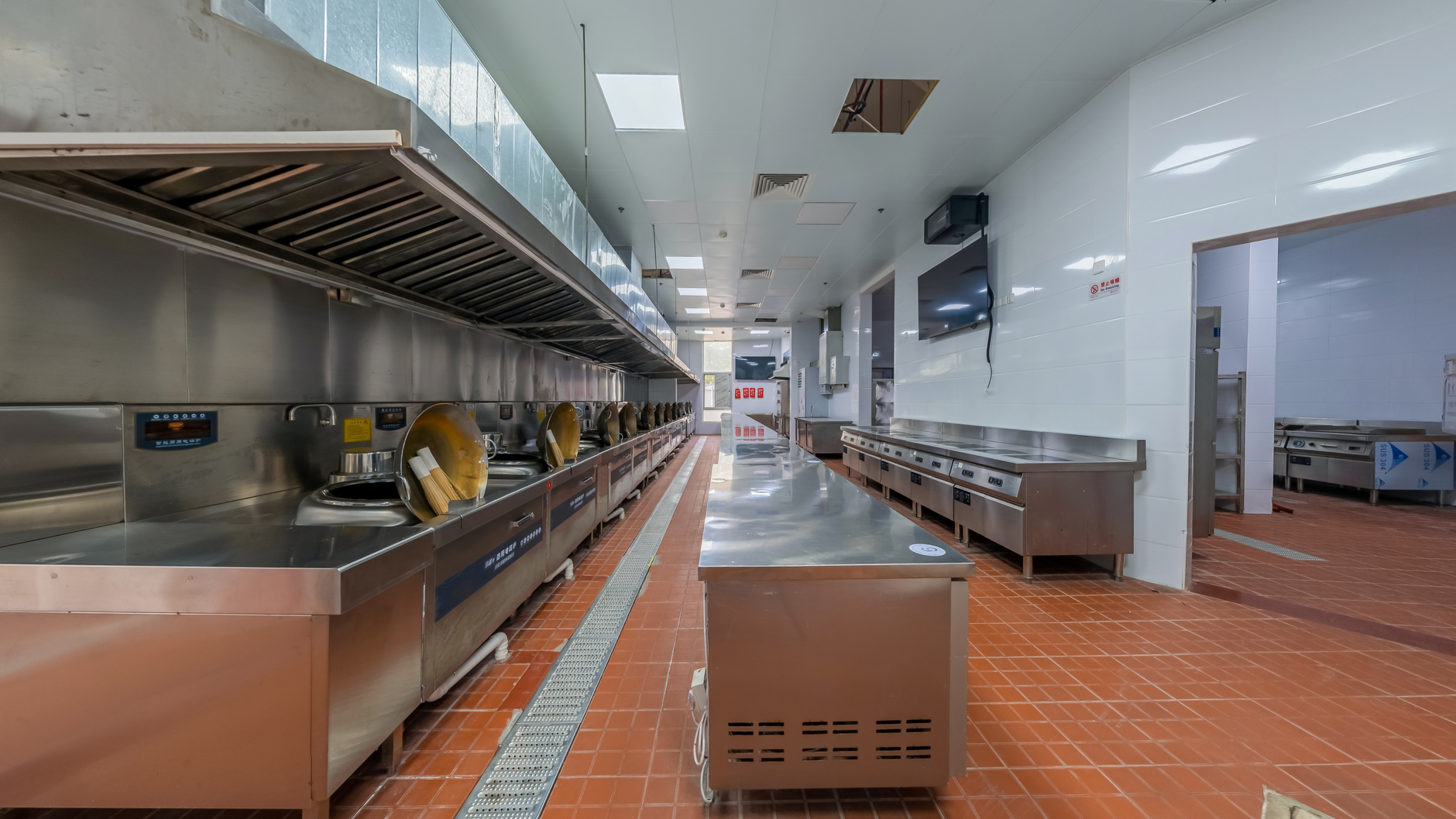
Washdown is usually the largest single driver. A cell that is hosed down or sprayed with sanitizer needs an enclosure, cable routing and mounting built for that method and those chemicals, and the rating follows the wash process rather than the robot. Ask your sanitation lead for the method, chemicals and pressures before accepting any rating.
Case rate and case weight set the size of the arm and the gripper. A faster arm needs more payload margin and a more capable gripper, so a higher rate is never free, and heavier bags push the design toward a larger arm.
Infeed consistency is the driver people miss. A palletizer runs below its rated speed when cases arrive in bursts or with gaps, so the upstream conveyor, its spacing and its jam handling can need work before the cell can reach its rated rate.
Floor area, traffic past the cell, mapping for the layout, integration with line controls, number of units and service coverage complete the list. Each adds a separate cost, and a clear quote shows them one by one.
How do palletizing cycle times and washdown rules shape a cobot?
Cycle times for cobot palletizers vary by source. The Automate glossary gives 8 to 12 cases per minute for 3 to 15 kg cases. A cobot guide gives 6 to 8 cases per minute with stack heights up to 1,800 mm. These are generic ranges, so test them against your case weight, pallet pattern and reach.
The same guide recommends an IP69K rating for meat, dairy and beverage facilities. Pet food plants are not named in that recommendation, so the rating should follow your own wash method rather than a category label.
Washdown rules change the cycle as well as the enclosure. Cleaning windows, guard interlocks and restart checks add time to each sanitation stop and each changeover, and that time belongs in the plant's planning before the cell goes live.
Plan for pallet pattern changes too. Each new case size or pallet pattern needs reprogramming and a test run, and that staff time should be counted with the stacking hours rather than treated as free.
How many labor hours does the robot take over?
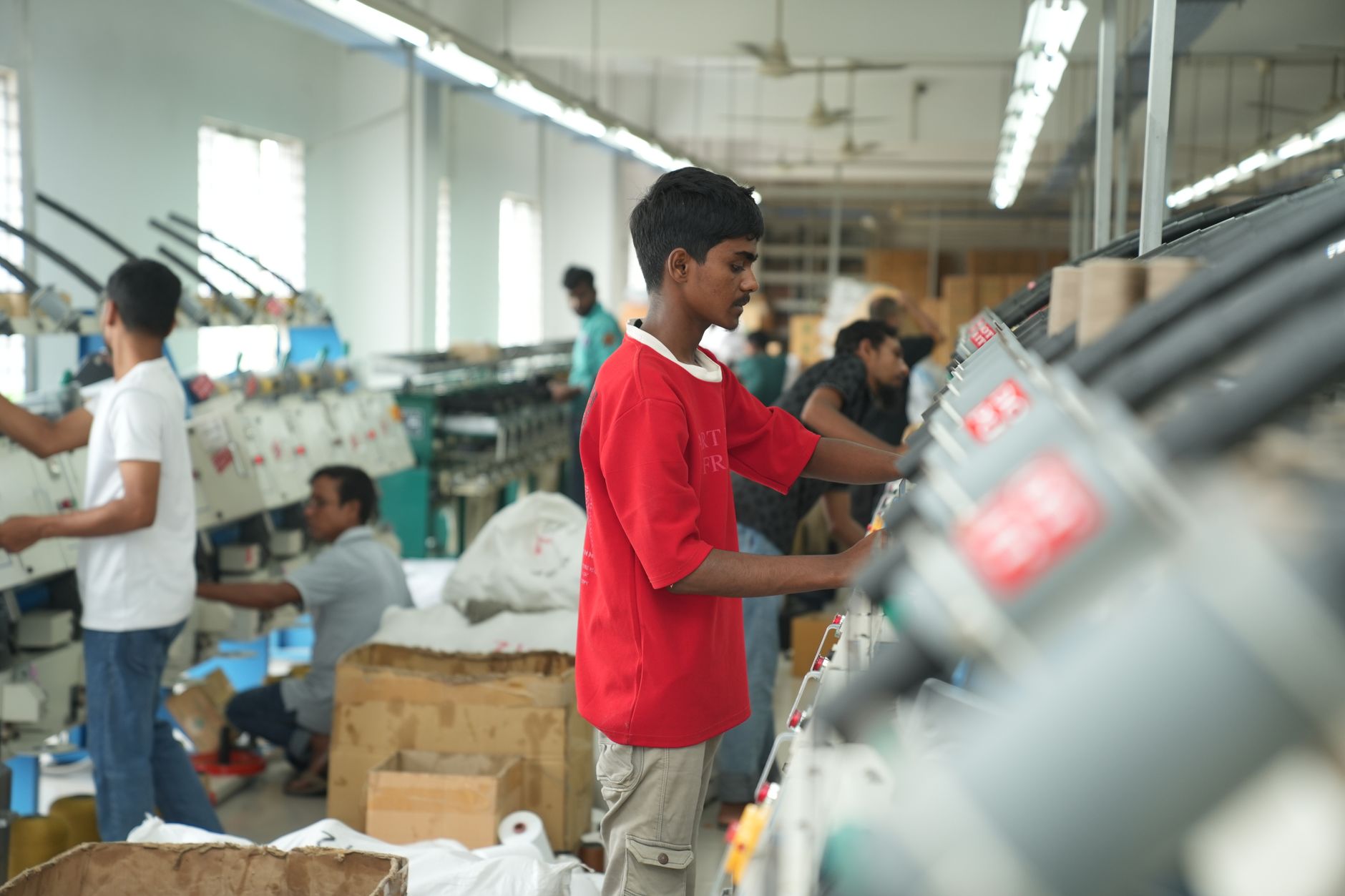
Packaging and filling machine operators and tenders number about 379,060 US workers, according to WageDex citing BLS May 2025 data, and BLS projects the occupation to grow +4.5% from 2024 to 2034. The entry requirement is a high school diploma or equivalent plus moderate-term on-the-job training.
Turnover is harder to pin down. No primary-source separation rate for packaging operators in food manufacturing was found. A PMMI figure reported by Packaging World says nearly a third of snack industry machine operators leave within a year, and snack is a separate segment, so read it as a sector signal rather than a pet food benchmark.
Injury rates give context for repetitive work. Poultry Times, citing BLS data for 2024, reports 3.5 total recordable cases per 100 full-time workers in the feed category, against 3.3 for all food manufacturing and 2.7 for all manufacturing. These rates do not isolate end of line stacking, so use them to shape the risk review rather than as a savings figure.
How does leasing through financing work, and what does the quote include?
Robots are offered on lease through financing, and nothing else. The lease is a fixed lease, so the payment holds steady for the term written in the quote. The quote is set after a free site assessment, when we measure the washdown, case rate, infeed, floor and shifts on your line.
A quote lists the units, the enclosure rating, the mapping and integration work, the training, the service plan and whether maintenance and liability coverage are included. It also lists what the plant supplies, such as power, floor preparation and staff time for oversight, so two quotes can be compared like for like.
We choose the robot model and the number of units from the assessment, because the right unit depends on the wash method, case weight and floor. The lease covers deployment and integration, go live support and nationwide service with remote triage and on-site dispatch, as the quote states.
What can a cobot not do at a pet food plant?
A cobot cannot fix an unstable infeed. If cases arrive in bursts or out of line, the arm waits or the rate falls, and the upstream conveyor has to be corrected first.
It does not check bag weight, seal integrity or pallet stability on its own, so those checks stay with existing equipment and staff. A cell that stacks well can still stack a poor load, and someone has to look at the result.
It cannot run a changeover unattended. Each new case size or pallet pattern needs reprogramming and a test run, so plan staff time for it rather than assuming the cell runs through every change without help.
What should a plant check before asking for a quote?
Start with three things: the washdown method and chemicals in the packaging area, the cases per minute and case weight at peak, and the condition of the infeed conveyor. These three tell the assessor most of what is needed to size the cell.
Then gather run logs for a typical week, the number of packaging lines, the pallet patterns in use and the shift pattern. Those records show whether one cell covers the work or several are needed, and they shorten the free site assessment.
Note which labor is tied to the stacking task and which is not. Operators moved off stacking can cover other packaging work, while a line that loses stacking staff without a plan can stop. Bring these notes to the free site assessment, and the quote will reflect your line rather than a generic plant.

Frequently asked questions
Want a cobot at your pet food plant?
Tell us about your site. We will recommend the robot, quote the lease, and keep it serviced.
Sources
- Pet Food Industry, 2025 Pet Food Production and Ingredient Analysis
- Pet Food Institute, Pet Food By the Numbers
- WageDex, citing BLS May 2025 OEWS and Employment Projections
- Packaging World, PMMI reporting on packaging operators
- Poultry Times, citing BLS injury and illness data
- International Federation of Robotics, US robot industry press release
- Automate, robotic palletizing glossary
- Robotomated, cobots for food manufacturing guide