
The short answer
Cobot cost in Austin, TX depends on the work the arm must do and the site it must fit: the footprint and reach, the parts or loads it handles, how many shifts it runs, how many machines it must connect to, how many units go in and the service plan behind them. Austin's summer heat, its manufacturing base and its building stock change several of those inputs, so the lease quote is built from a free site assessment and not from a standard figure. Service Robot Co. states a fixed robot lease payment in writing once that assessment is complete.
Key takeaways
- Cobot cost in Austin, TX turns on the work, the footprint and the machine connections more than on the arm alone.
- Vendor guidance puts integration and engineering at 10 to 20 percent of total project cost, so scope it early.
- Austin averaged 123 days of 90 degrees or hotter from 1991 to 2020, according to KXAN, which shapes where equipment can sit.
- Mapping, software, service visits, insurance and training should appear by name in the written quote.
- A lease quote comes after a free site assessment, so the number reflects your floor, your parts and your shifts.
What does cobot cost in Austin, TX depend on?
Most businesses want one number before they know the scope. A cobot lease quote cannot honestly give one number, because the cost follows the work the arm has to do and the place it has to do it. The arm is only part of the bill. One vendor pricing guide puts the arm at 40 to 50 percent of deployed cost, which leaves the rest in the cell, the integration, the sensing and the service. Treat any single share as a guide, since vendors define the total in different ways.
The arm is also the part of the project that changes least from site to site. What changes is everything around it: the fixture that holds a part, the sensors that let the arm find it, the controls the arm must talk to, the safety review that decides whether people can work beside it, and the staff time to program and supervise it. Those are the lines to read closely in any quote.
Market demand explains why vendors are busy. A3, the North American robotics trade association, reported that 36,766 robots were ordered in North America in 2025, up 6.6 percent in units over 2024, according to The Robot Report. Collaborative robots made up 19.6 percent of those units. A3 counts industrial arms in its cobot category and leaves out mobile and humanoid robots, so its figures do not measure every service robot in a building.
Which factors move cobot cost at an Austin facility?
Start with the footprint. A cell built around a fixed fixture and a short reach costs far less to engineer than an arm that must travel along a line or serve several stations. Measure the cell, the approach path, the clearance around the arm and the place the operator stands. Floor flatness matters too: a base that sits on an uneven slab needs shimming or a new mounting plate, and that belongs in the scope.
Next comes traffic and shifts. A cobot running one shift on a stable part count is a very different job from one running two shifts with frequent changeovers. Changeovers cost time, because each new part may need its own program, gripper or check. Count the part numbers the cell will see in a typical week, not only the best seller.
Mapping and integration are where many projects move. According to one vendor pricing guide, integration and engineering run 10 to 20 percent of total cost, and vision and sensors run 5 to 15 percent of one time cost. Those shares rise when the arm must read an existing controller, share signals with a press or conveyor, or log results for quality review.
The number of units and the service plan come last, but they shape the total. One unit carries the full integration work. A second unit on the same design usually adds less engineering, but it adds spares, operator training and service visits that have to stay in step with the first.
Austin's climate adds its own inputs. According to KXAN, Austin's average from 1991 to 2020 was 123 days of 90 degrees or hotter, up from 107 for 1961 to 1990. KUT, citing a meteorologist, reported about 13 triple digit days a year last century and about 38 a year this century. WeatherSpark puts the hot season at about three and a half months, from June 3 to September 19, with an August average high of 96 degrees. In a plant bay without climate control, that heat decides where the controller and sensors sit and when service visits should be booked.
How does leasing through financing work, and what does the quote include?
We lease the cobot through financing. Instead of asking the business to pay the full equipment cost up front, the lease spreads the cost over the agreed term. That keeps capital available for other needs, which matters for a shop that expects to add stations or hire next year.
Service Robot Co. is a US commercial robot integrator. We pick the robot for the site, lease it through financing, deploy and integrate it, train the staff who run it and service it nationwide. Because the same team handles the assessment, the install and the later service calls, the people who scoped the cell are the ones who answer when it stops.
The quote follows the site assessment and sets a fixed robot lease payment for the lease term. It names the robot, the tooling and integration scope, deployment and training, the service coverage and the term. It also states what is not included, such as insurance, facility work like power or enclosure changes, and any software billed separately.
Read the quote against your own measurements. A quote that does not name the integration scope, the machines the arm connects to or the service visits should prompt questions before anyone signs. A clear quote is the cheapest protection against a surprise in the first month.
How many hours of labor does a cobot take over?
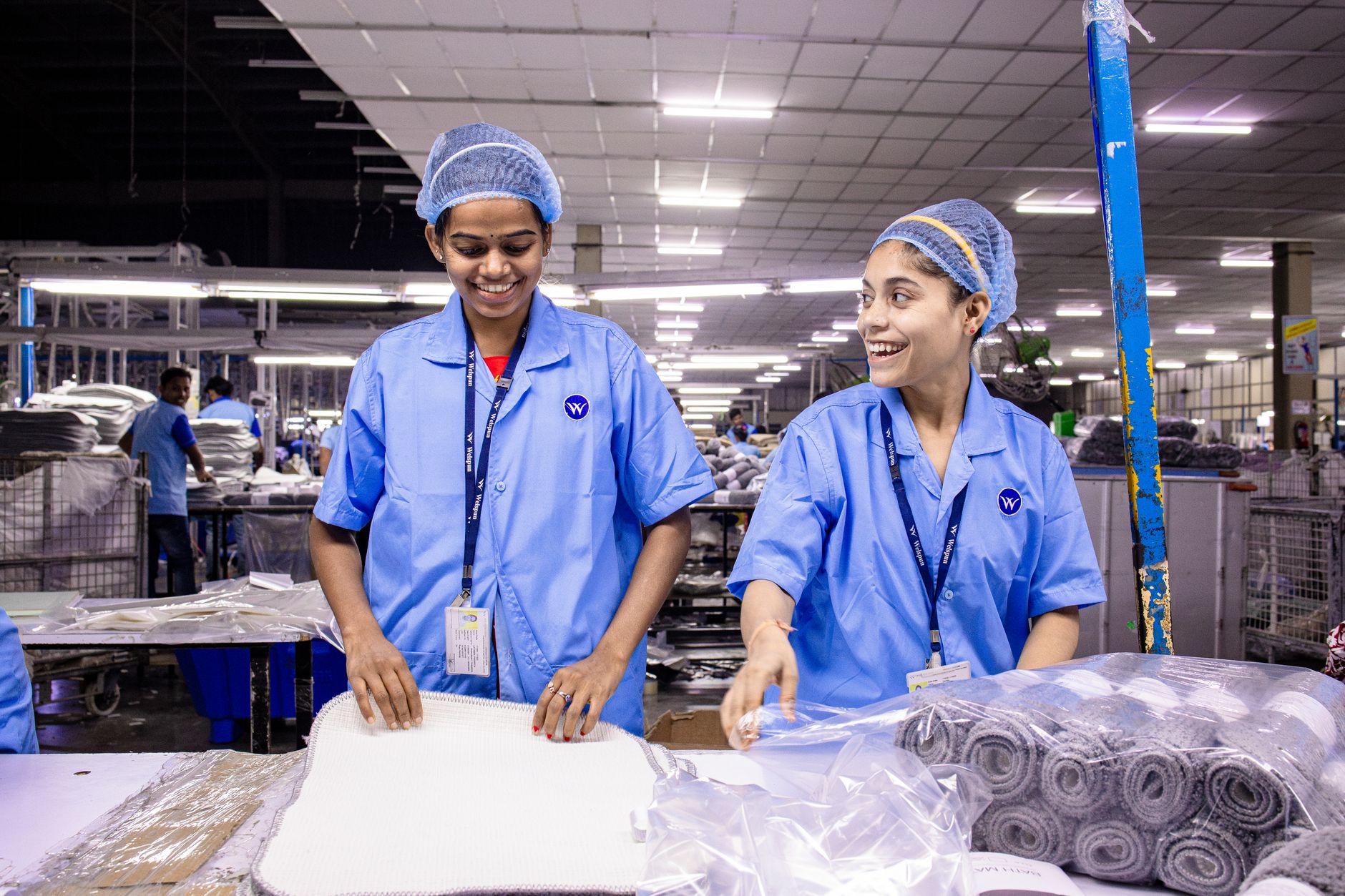
The honest answer depends on the station, and this page does not publish hour counts that the research did not support. What we can describe is which tasks shift to the arm and which stay with people. The arm takes the repeated motion: loading a machine, stacking cases, placing a part in a fixture, presenting a part to a camera. People keep the setup, the checks that need judgment and the decisions when something jams.
Injury data give context for the safety side of the decision. According to the Bureau of Labor Statistics, private industry recorded 2.3 total recordable cases per 100 full time equivalent workers in 2024, down from 2.4 in 2023, the lowest in the series since 2003. The illness rate was 13.9 per 10,000 full time equivalent workers, down from 19.0. These are national rates and do not forecast your floor, but they set a baseline for a safety review.
Use the table below to compare each task as it runs today with the setup and oversight the arm then needs. Hours are best measured on your own floor during the site assessment, then set against shift records. The hours that matter are the ones the station absorbs today, including overtime and the time a worker waits on a machine.
What can a cobot not do?
A cobot is an arm, not a worker. It does not judge an ambiguous part, repair a worn fixture on its own or move itself between buildings. Payload and reach limit it. A heavy case or a long reach may need a different arm, and the quote should say so rather than hide the limit in fine print.
It needs a repeatable setup. Parts must arrive in the same place within a tolerance the sensors can handle. When parts come in bulk and unsorted, the cell needs a feeder or a person to present them, and that changes the scope and the cost.
It is slow to change over when the mix is high. A cell that switches among many part numbers in a shift spends time reprogramming and rechecking. That is not a failure, but it moves cost from the arm to programming and checking labor, which the assessment should count.
It cannot replace the staff who decide. Someone still reviews rejects, clears faults and decides when to stop the cell. The best use of the arm is to free those people from the repeated motion, not to remove the need for judgment on the floor.
Heat and dust are conditions to check, not reasons to refuse. Controllers and sensors have operating limits, so the assessment should record the bay temperature, the dust level and where the equipment can sit.
Which Austin businesses run a cobot, and what does the local labor market look like?
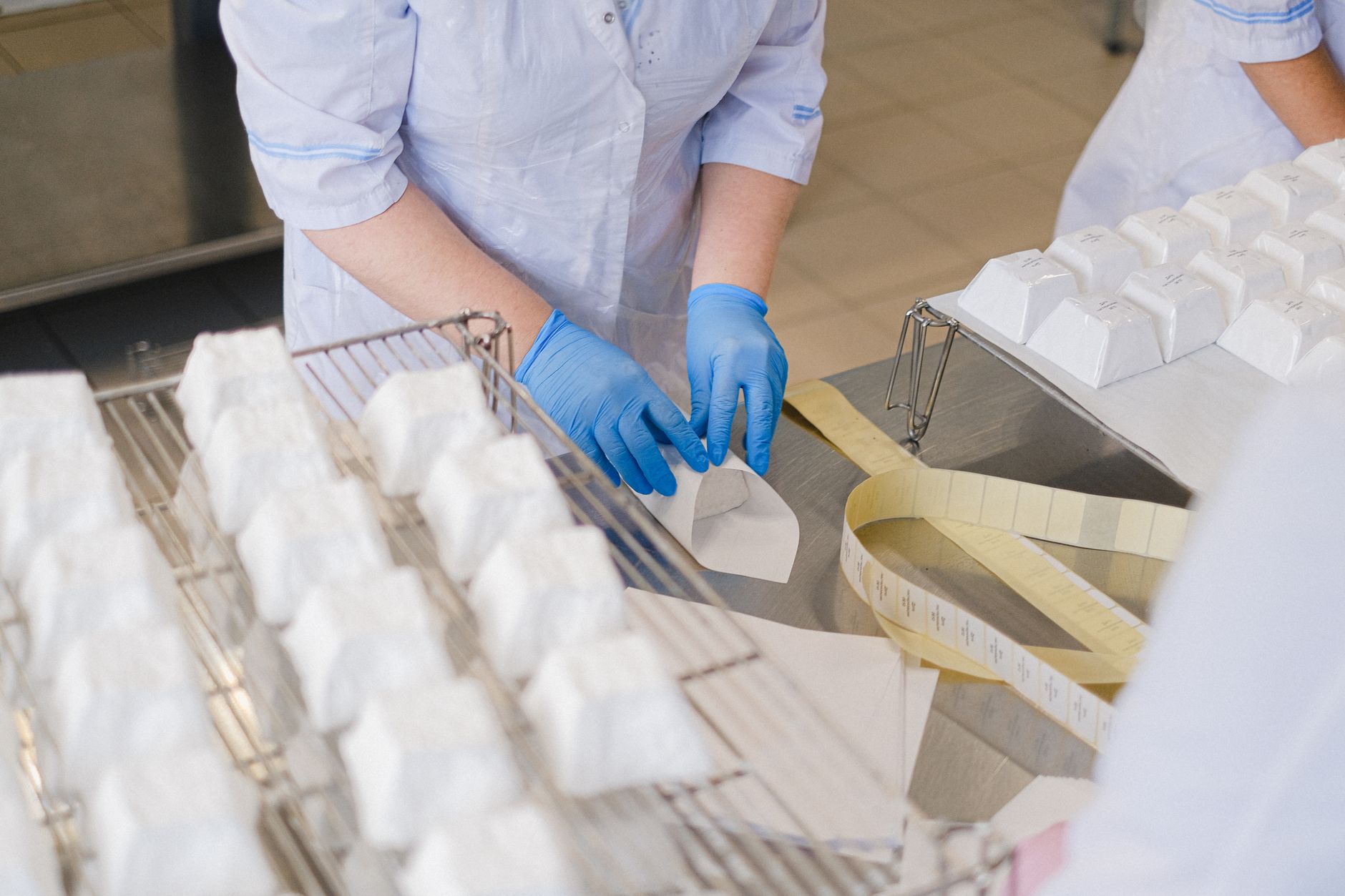
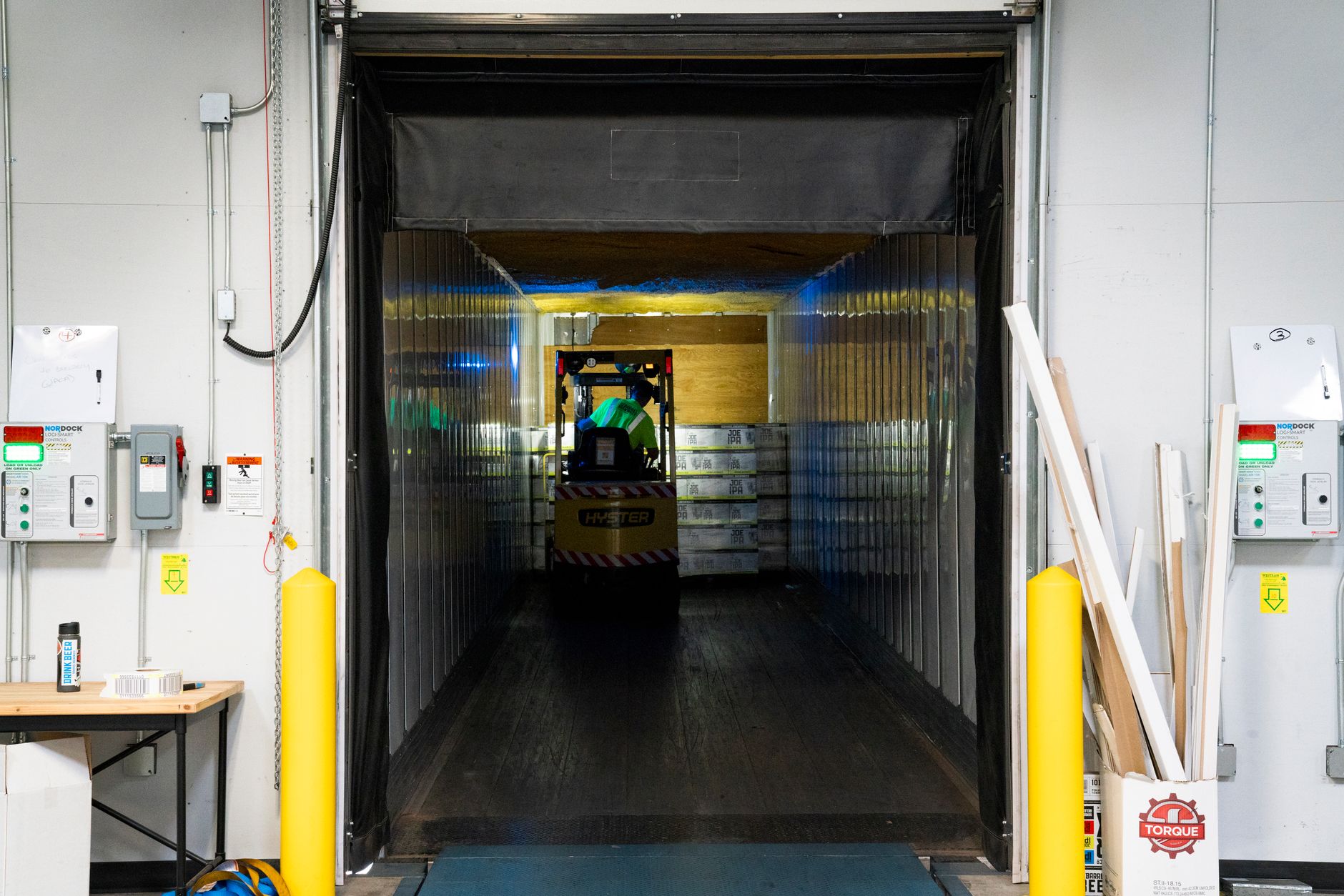
In Austin, cobots tend to sit in midsize manufacturing cells. Machine shops use them to tend CNC or press equipment. Food and beverage producers use them to palletize or pack at the end of a line. Electronics and semiconductor supply chains run inspection and kitting, and bakeries and craft breweries use them for repeat handling at a fixed station.
Local manufacturing employment is soft. According to the Federal Reserve Bank of Dallas series published on FRED, Austin-area manufacturing payroll employment fell about 0.4 percent in 2025, after falling about 1.7 percent in 2024. Falling headcount can cut either way: fewer people to staff repeat stations, or fewer shops ready to commit capital. Check which applies to your shop.
Plant bays without climate control are where the heat question is sharpest. Check the building before you assume the cell can stay where it sits today, and record the bay conditions in the assessment.
Use your own shift records as the test. Note how often a station goes unstaffed, what overtime it draws and how much turnover it sees. Those numbers, from your floor, are a better guide than any regional figure.
How do I get a cobot quote for an Austin site?
Start with a free site assessment. We measure the cell or station, check the floor and power, map the approach path, list the parts or loads and their variation, and talk through the shifts and the machines the arm must connect to. The quote is built from those measurements.
From that visit we build the written quote: the robot we would place, the tooling and integration scope, deployment and training, the service coverage and the lease term. The quote sets a fixed robot lease payment and states what is excluded, so you can compare it with your own budget and your insurance.
Bring a rough floor plan, the part list, the shift schedule and the names of the machines the arm must talk to. With those four items, the first assessment can cover the real work instead of an estimate. If something is missing, the assessment will say so and list what is needed.
Service Robot Co. deploys and integrates the robot, trains the staff and services it nationwide, so the team that scoped the cell is the one that supports it after go live. Ask for the quote in writing and read it line by line before you decide.
Frequently asked questions
Put a robot to work in Austin.
We walk your site, learn the job, and recommend the unit that fits. Then we quote the lease, deploy it, and keep it serviced.
Sources
- Bureau of Labor Statistics, Today in Economics: 2024 workplace injuries and illnesses in private industry
- The Robot Report: North American robot orders, full year 2025
- Automate: A3 North American robot orders and cobot tracking
- KXAN: when Austin sees its first 90 degree day
- KUT: Austin and the rise in triple digit days
- WeatherSpark: Average weather in Austin, Texas
- Federal Reserve Bank of Dallas series on FRED: Austin-Round Rock manufacturing employment
- Vendor cobot pricing guide, 2026