
The short answer
Delivery robot cost for full-service restaurants depends on the building and how the room runs, not on a catalog price: the size and layout of the dining room, the number of runner routes, the hours the robot works, how it connects to your point of sale and kitchen systems, and the service plan around it. Those factors are weighed in a free site assessment, and the fixed lease payment is quoted afterward through financing. The work the robot takes over is mainly the repeated trips between the kitchen pass and the tables, which pull servers away from guests during busy shifts.
Key takeaways
- The lease quote follows the room: floor, route length, hours and integration decide it, not a seat count.
- Hidden costs sit around the payment: mapping, software, maintenance, insurance and training.
- Runner trips concentrate at early, late, weekend and holiday peaks, so log those first.
- Ask for the written scope, not just the payment, before you compare any two offers.
- Start with one unit on one route, then expand once the logs show the effect.
What does delivery robot cost for full-service restaurants depend on?
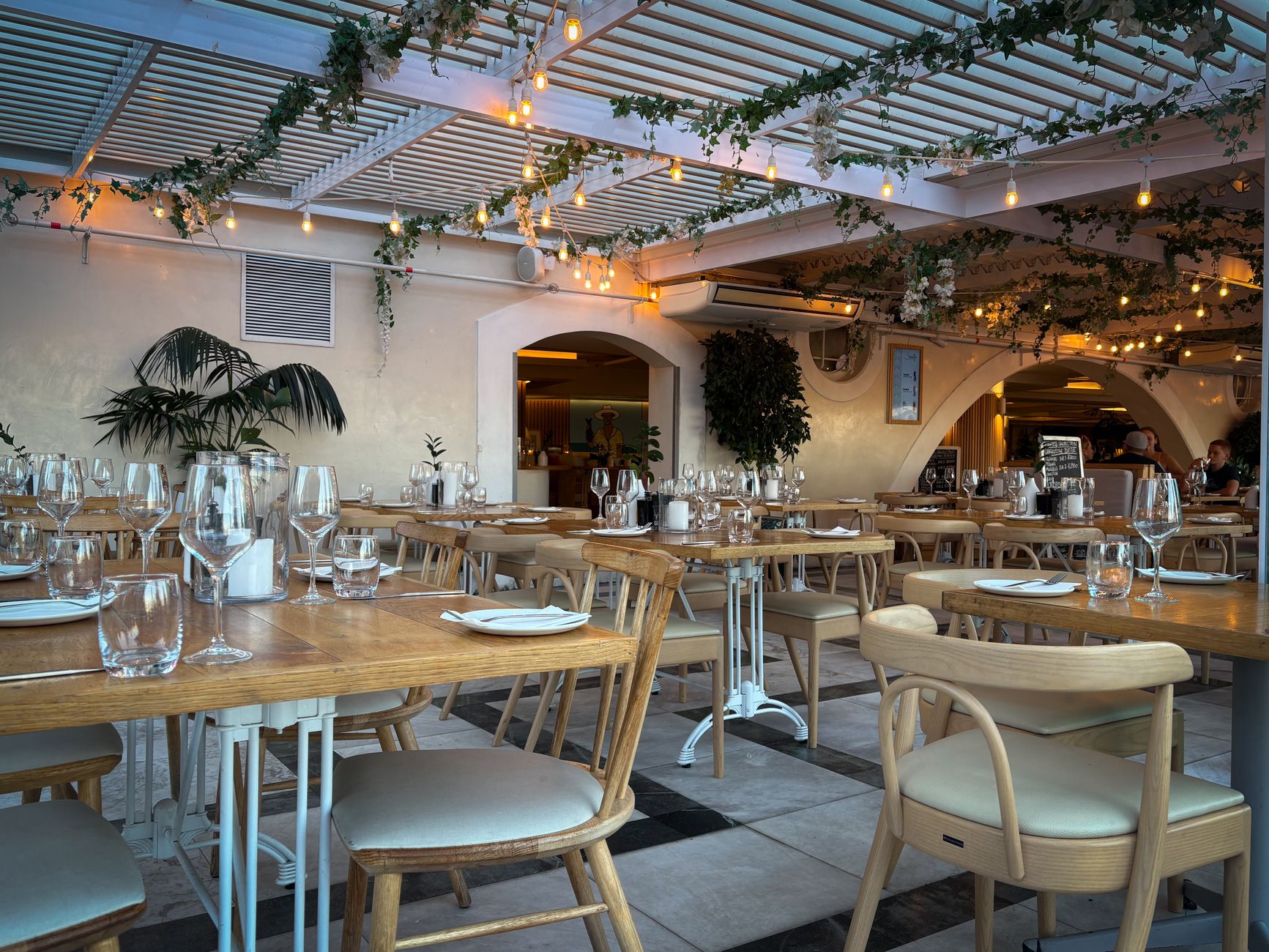
Delivery robot cost for full-service restaurants depends mostly on the building and how the room runs, not on a single list figure. Two dining rooms with the same seat count can need very distinct robots. One may have a short, open route from the kitchen pass to six tables on a single hard floor. Another may have a split-level patio, carpet runners, a bar that cuts across the main path and a kitchen down a service corridor that servers use all night.
For that reason the lease quote is an output of a site assessment. It reflects the robot class the floor needs, the route length, the operating window, the integration work, the training plan and the service coverage. We do not put a number on a room we have not walked.
The rest of this page explains each factor, the costs operators overlook, how the lease and quote work, and what the robot cannot do, so you can judge a quote before you agree to anything.
How many full-service restaurants and workers are there in the US?
The labor pool is large, and the pressure sits in its schedule. According to the BLS Occupational Outlook Handbook, waiters and waitresses held 2,329,700 jobs in 2024. BLS projects a 1% decline, about 16,300 jobs, for 2024 to 2034, with about 456,700 openings a year on average.
A projected drop in jobs does not mean fewer openings. The 456,700 figure is about openings each year, so restaurants keep recruiting and training people even as total headcount falls. FRED, citing JOLTS data, put the total separations rate for accommodation and food services at 5.4 in February 2026, down from 6.1 in January 2026. That figure covers the whole sector, not full-service restaurants alone, but it shows how much movement there is on the floor.
Restaurant counts vary by source, and the sources use different definitions. Toast, citing state data from the National Restaurant Association, says there are well over 700,000 restaurants in the US and lists about 150,100 single-location full-service restaurants. IBISWorld puts single-location full-service restaurants at 152,430 in 2025. A StartBusinessByState summary citing BLS puts restaurant locations at 627,086 in 2025, up 1.2% from 2024. Treat these as a range, and count the sites you operate.
Adoption is still early for this kind of equipment. A Popmenu survey of 359 US operators, run between November 2024 and January 2025 and reported by Restaurant Technology News, found 34% had adopted AI technology, which is general AI and not robots, and 48% planned to do so in 2025.
The runner problem concentrates in the peaks. BLS notes that server schedules include early mornings, late evenings, weekends and holidays, and that part-time work is common. Those are the windows when a server carrying plates from the pass is also the person who should be taking the next order.
What moves the cost at this kind of restaurant?
Route length and room layout come first. The robot needs a clear path from the kitchen pass to each table and back to the dish station. Longer routes, more turns and tight corners add mapping time and can push the job toward a different robot class. Narrow gaps between booths, a host stand in the main path and a service station near the door all show up in the assessment.
Floor surfaces matter more than most operators expect. Sealed concrete and tile are the simple case. Carpet, outdoor patios, raised thresholds, gaps between sections and ramps change what the robot can climb and how well it holds its position. Each one becomes a line in the site plan, and some become a change to the route itself.
Operating hours and foot traffic set the duty cycle. A robot that runs only through a two-hour dinner rush needs a different plan from one that runs lunch, dinner and late service. Guests standing in the path, staff cutting across the route and a busy bar all call for slower speeds and wider safety margins. BLS data on 2017 injury cases shows drinking places recorded 38.3 days-away-from-work cases per 10,000 full-time workers, against 77.9 for food services and drinking places combined. Those figures use a different metric from newer data, so read them as a sign that floor traffic is a real risk, not as a current rate.
Integration is where quotes often move. Linking the robot to the point of sale and the kitchen display so an order triggers a run, and so a completed run is logged, takes engineering and testing time. Each additional unit adds coverage and a backup for the first, and the service plan is built around the number of units you run.
Service scope closes the list. Coverage hours, on-site dispatch, remote triage and spare unit coverage each change what the lease includes. A restaurant open late on weekends needs service that answers inside that window, and the quote should say so in plain terms.
How does leasing through financing work, and what does the quote include?
We lease robots through financing. You get the robot without tying up a large sum of capital at the start, and you pay a fixed robot lease payment over the lease term. That payment is set in the quote after the free site assessment, so it reflects your floor and your hours rather than a generic unit.
A complete quote should show the lease term in years, the fixed payment, the robot class chosen for your floor, and what the lease covers: deployment, integration, staff training, service coverage, spare unit coverage where offered, and end-of-lease terms. Read those lines side by side before you compare any two offers.
Ask which items sit outside the payment. Common add-ons include extra routes, additional units, after-hours dispatch and floor changes made after go-live. A clean quote names each one, so you can see what a change will add before you agree to it.
How many labor hours does a delivery robot take over?
We did not find a published study that times runner trips at full-service restaurants, so this page does not give an hour figure for your room. What the research supports is where the time goes. BLS describes server work on early, late, weekend and holiday schedules, which is when the runs are heaviest.
The useful measurement is your own. Before a quote, ask the floor to log runner trips across one typical peak week: count trips from the pass to the tables, trips back to the dish station, and the minutes each one takes. Those logs turn the robot's share of work into hours you can check against the lease payment.
Expect the robot to take over the carrying, not the table. The server still greets guests, takes orders, checks in, handles problems and closes the check. The hours the robot returns are the walking and waiting that break up those tasks.
What can a delivery robot not do in a dining room?
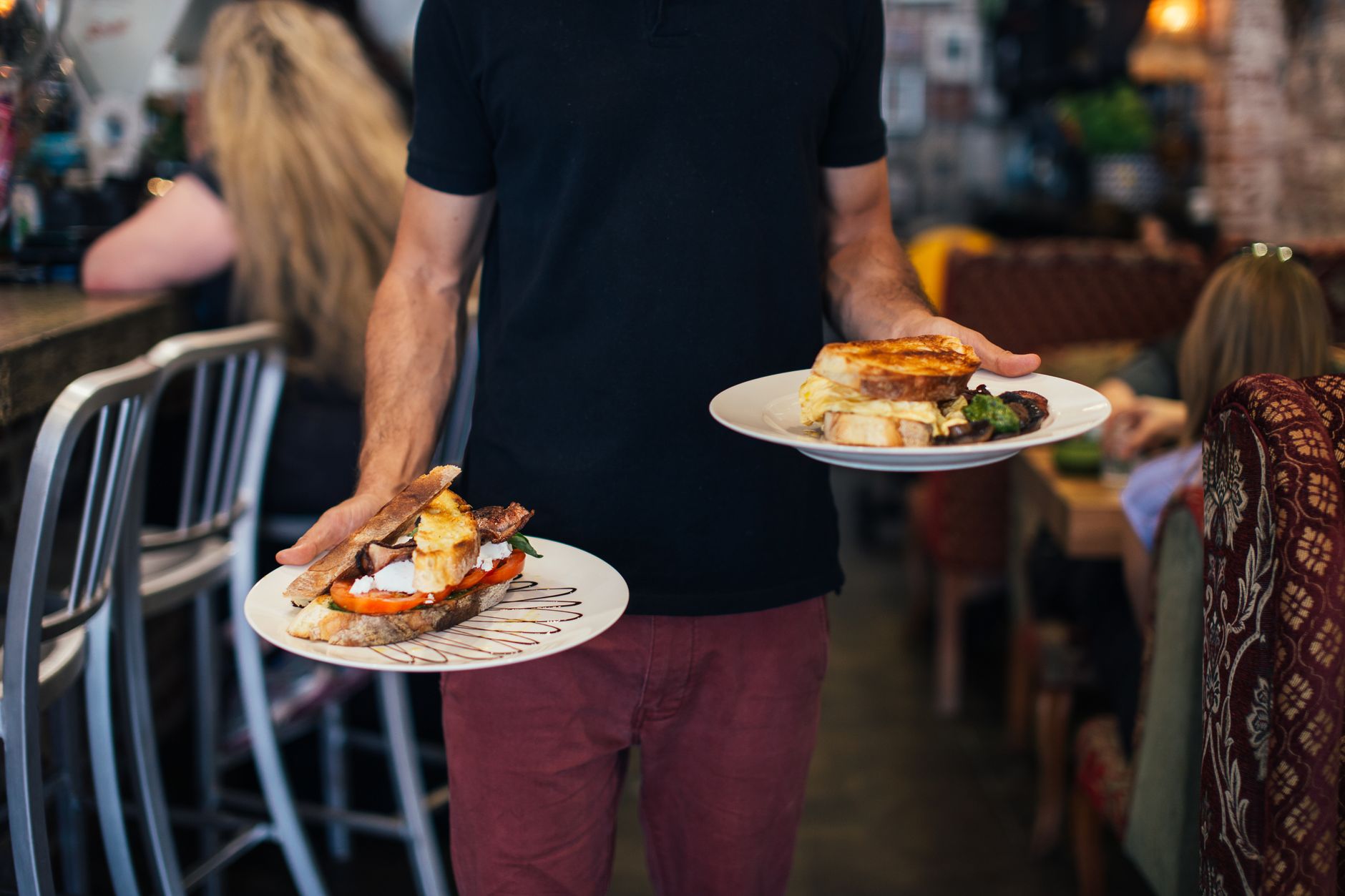
A delivery robot moves trays and dishes along mapped routes. It does not seat guests, take orders, take payment or read the mood of a table. It cannot carry a plate that needs two hands and a careful tilt, and it does not clean up a spilled drink or a broken glass. Staff handle those.
It also cannot run a route it has not been taught. A new patio, a moved host stand or a rearranged bar changes the path, and the map needs an update before the robot works there. A blocked route, such as a fallen chair or a guest standing in the lane, needs a person to clear it.
Treat floor changes as changes to the robot. Add the map update to the list of work whenever the room changes, and keep one staff member responsible for it.
- Seat guests or take orders
- Take payment or answer allergy questions
- Carry loads that need two hands or a careful tilt
- Clear a blocked route on its own
- Run a route it has not been mapped to
How do you get a quote after a free site assessment?
The process starts with a free site assessment. We walk the dining room, kitchen pass, dish station and service corridors, note the floor surfaces and traffic, and confirm the hours you want covered. We map the routes that matter and check the integration points with your ordering and kitchen systems.
From there we pick the robot class that fits your floor and send a quote. It holds the fixed lease payment, the scope of deployment, integration, training and service, and the lease terms. Nothing is committed until you have read the written scope and asked the questions you have.
Most sites start with one unit on one route, so you can measure the effect on runner trips before you add units. A phased start keeps service open while staff learn the robot and the map is tuned to the room.
Frequently asked questions
Want a delivery robot at your full-service restaurant?
Tell us about your site. We will recommend the robot, quote the lease, and keep it serviced.
Sources
- BLS Occupational Outlook Handbook, Waiters and Waitresses
- Toast analysis of US restaurant counts
- IBISWorld, Single-Location Full-Service Restaurants
- StartBusinessByState restaurant summary citing BLS
- FRED, JOLTS total separations rate, accommodation and food services
- BLS article on 2017 injury and illness rates in food services
- Restaurant Technology News, Popmenu survey
- PYMNTS, Dynata and PAR survey on self-service technology