

The short answer
Delivery robot cost in Grand Rapids, MI depends on how far the robot travels each shift, how many floors and entry doors it crosses, how many hours it runs, and how much mapping and integration the building needs. None of those are known until a free site assessment measures them, and the fixed lease payment is quoted after that visit. For most operators the deciding figure is the staff time the robot takes over on repetitive runs, which varies by building type.
Key takeaways
- Route length, floor count and shift hours move the lease quote more than any other factor.
- Winter grit at entries adds planning work in Grand Rapids, so raise it on the first site visit.
- Mapping and door or elevator integration are the line items most often underestimated in early estimates.
- The value of a robot is the staff time it returns, so measure that before comparing quotes.
- The lease quote follows a free site assessment and should list the service that is included.
How much does a delivery robot cost to run in Grand Rapids?
Delivery robot cost in Grand Rapids, MI comes down to three parts: the fixed lease payment through financing, the staff hours that still go to runs a robot could take over, and the setup work the building needs before the first trip. Most of the answer comes from the building itself rather than from a catalog, so the fixed lease payment is set only after a free site assessment.
Two buildings of the same size can need very different setups. A single corridor on one floor is a short job. Four floors served through two elevators, with loading dock traffic and a dining room in the middle of the route, is a longer assessment and a different service plan.
Read any quote against the labor it replaces. The question is how many staff hours go to repetitive runs each week, and whether the robot can cover the hours that are hardest to staff. A quote with thin service coverage can leave staff covering the gap, which erases much of the gain from the robot.
Who runs delivery robots in Grand Rapids?
Food service is a large employer in the Grand Rapids metro area. According to FRED, food services and drinking places employment in the metro was 41.8 thousand jobs in 2025. A regional tourism promotion page lists more than 1,200 restaurants and more than 70 breweries, wineries and distilleries, but that is a promotional count rather than a census, so use it for scale only.
The kinds of sites where delivery robots earn their place here include restaurants with long back of house corridors, hotels with multi-floor guest routes, hospital and senior living campuses, and office buildings with a freight elevator. Each has its own traffic pattern and its own shift schedule, and the site assessment maps both before any quote is drawn up.
Adoption is growing across the industry. According to the International Federation of Robotics, almost 250,000 professional service robots shipped worldwide in 2025, up 24 percent, and transportation and logistics was the top application at 117,500 units. Those figures are global, so they show direction rather than local demand.
What moves the lease quote at a site like this?
Route length and floor area are the largest levers. A robot that serves two corridors on one floor is a different job from one that serves four floors through two elevators, and the quote reflects the number of stops and the distance between them.
Operating hours come next. A robot that runs one shift is quoted differently from one that covers an overnight block and a lunch peak, because the service plan has to cover every hour the robot is in use. Gaps in service coverage are where a lease stops returning its value.
Unit count and spare coverage change the math too. One unit leaves nothing running while it is in for service, so most sites decide early whether a spare or loaner unit belongs in the plan.
Integration sets the last part of the number. Doors, elevators and any system the robot must talk to each add work during deployment, and they are quoted by connection rather than by square footage.
How do Grand Rapids winters change the job?
Snow is the local factor that buyers from milder markets tend to miss. According to the National Weather Service Grand Rapids office, as reported in a local television forecast, typical season snowfall is 77.6 inches.
The 2025 to 2026 season came in at 75 inches, according to a Grand Rapids television weather recap. Season totals vary, so plan for a heavy winter rather than the average, and ask how the route schedule changes on days when snow closes or slows the building.
Snow and road salt arrive on shoes, carts and wheel treads. The entry vestibule and the first corridor carry more grit through the winter months, so the site plan should include a clean entry path and a cleaning schedule for it, not just a route through the middle of the floor.
How many staff hours does a delivery robot take over?
Staff hours are the value side of the math, and they depend on the building. Turnover is one of the labor pressures behind many delivery runs. According to the U.S. Bureau of Labor Statistics, the quits rate in accommodation and food services was 3.5 percent in August 2026, down from 3.9 percent a year earlier, while the rate for all nonfarm industries was 1.9 percent.
Turnover makes the labor line hard to plan. Each new hire needs time before running routes alone, so the hours a robot covers are often the hours that are hardest to staff, not the ones that are easiest to fill from the schedule.
Hour figures for a specific building come from the site assessment, measured against floor area, route count and run frequency. We do not give a generic hour count for a restaurant or a hospital, because route length, shift length and run frequency differ from site to site. The table below shows the kinds of tasks to measure before deciding.

What do injury figures say about manual floor and delivery work?
Repetitive manual work carries a real injury load. According to the U.S. Bureau of Labor Statistics, janitors and cleaners in private industry had 191.6 days-away-from-work cases per 10,000 full-time equivalent workers in 2020, up from 157.4 in 2019 and 137.1 in 2018.
The same source family reports 86.9 per 10,000 full-time workers for all private industry in 2019, so the janitor rate ran well above the all-industry rate in the years shown. These are national figures, and a 2024 janitor rate was not located in our research, so treat them as a picture of the job rather than of any one building.
Routine runs that involve pushing, lifting and repeated walking are the work a robot takes off the staff list first. People keep the exceptions, the spills and the tasks that need judgment.
How does leasing a robot through financing work?
We choose the robot for the site, lease it through financing, deploy and integrate it, train the staff and service it nationwide. The business does not carry the equipment cost upfront, and the quote is a fixed robot lease payment that follows the site assessment.
The quote should list the lease term, the service that is included, the response terms, the mapping and integration work, deployment, staff training and any spare coverage. Ask for it in writing. Service terms decide how much staff time the robot really returns, so read them as closely as the payment.
Lease options can include a backup unit for the service window. Whether that is in the base quote or added later changes the overall picture, so ask at the first conversation rather than after signing.
What can a delivery robot not do?
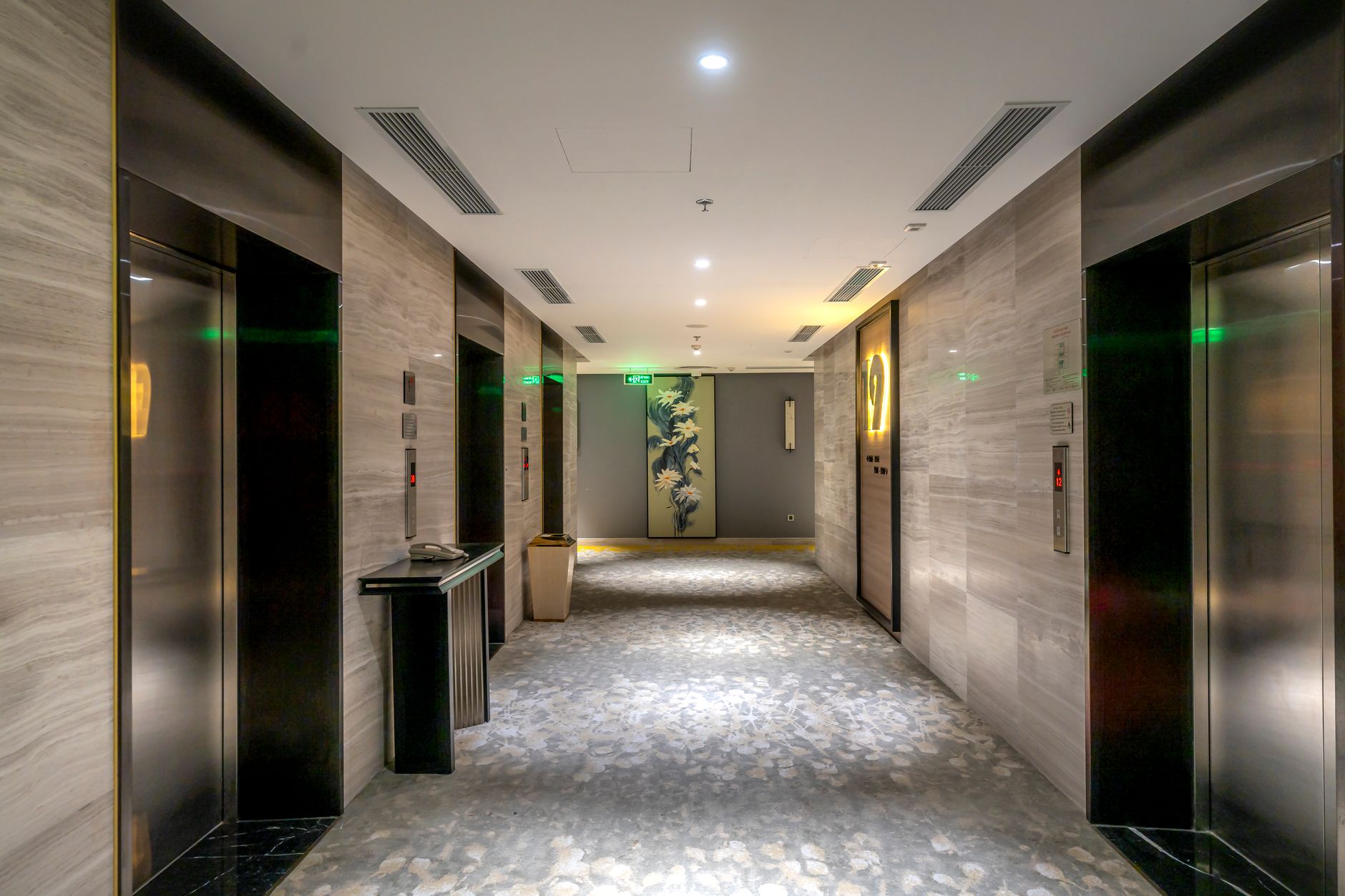
It cannot handle every task in a building. It runs mapped routes, so unmapped obstacles, a cart left in a corridor or a route that changes mid-shift still need a person. It also cannot open a stuck door or make a judgment call about a guest or a patient.
Stairs, unmapped elevators and cluttered back rooms sit outside the normal job. A site with any of them needs to say so in the assessment, because the quote changes and sometimes the robot choice does as well.
The quote comes after a free site assessment, and it is the document to set against the hours table in this guide. If the numbers do not show a return on the labor side, a sound next step is one leased unit on the busiest route before any wider rollout.
Frequently asked questions
Put a robot to work in Grand Rapids.
We walk your site, learn the job, and recommend the unit that fits. Then we quote the lease, deploy it, and keep it serviced.
Sources
- U.S. Bureau of Labor Statistics, The Economics Daily: Quits rate in accommodation and food services, August 2026
- U.S. Bureau of Labor Statistics, Survey of Occupational Injuries and Illnesses: Janitors and cleaners snapshot
- Federal Reserve Bank of St. Louis, FRED: Food services and drinking places employment, Grand Rapids metro area
- Grand Rapids regional tourism promotion page, food and beverage
- Grand Rapids local television forecast, above-normal winter report citing the National Weather Service
- Grand Rapids local television weather recap, 2025 to 2026 winter
- International Federation of Robotics, service robots press release